What a Coal Conveyor Pulley Does
A coal conveyor pulley is the rotating drum that drives, tensions, or redirects the belt on a coal handling conveyor. In a coal preparation plant or a power station coal yard, the pulley is the point where motor torque becomes belt motion, and where belt tension is managed so material moves smoothly from the receiving point to the stockpile or boiler bunker. The same component is often called a conveyor drum or belt pulley, and in coal service it must cope with abrasive dust, fine coal particles, and often a damp or corrosive atmosphere.
Because coal conveyors usually run continuously, the pulley is expected to hold alignment, keep the belt tracking, and resist wear at the shell. A poorly matched drum can cause belt slip, edge damage, or premature cover wear, so the choice deserves more attention than a simple line item in the bill of materials.
How the Drum Is Built
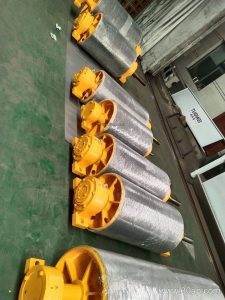
Most coal conveyor pulleys use a welded steel shell with end discs, a shaft, and a hub connection. The shell may be machined and then covered with rubber, and the shaft is sized from torque and radial load rather than from belt width alone. Common shaft diameters include Ø80, Ø100, Ø120, Ø140, Ø160, and Ø180 mm, with final values set by the conveyor designer.
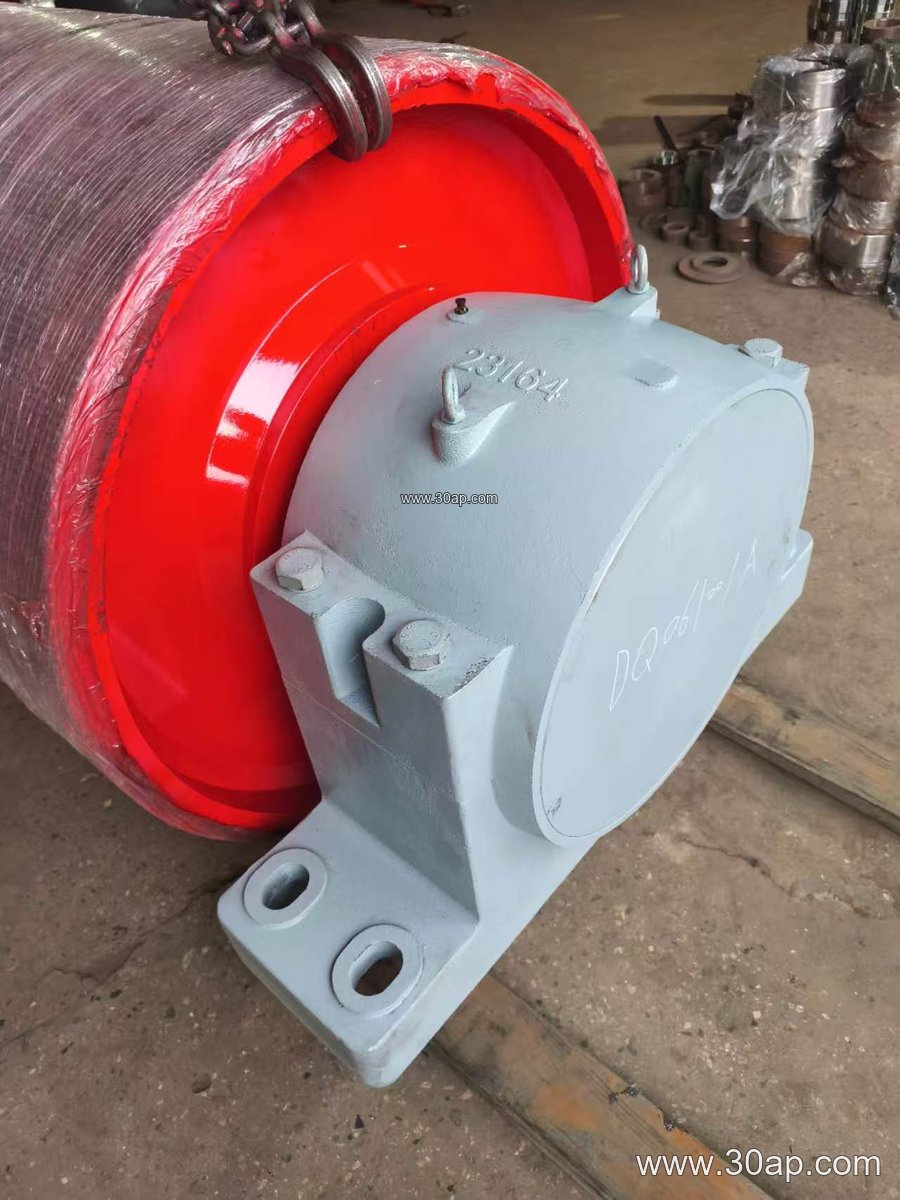
Surface treatment matters in coal duty. Plain steel shells are used where grip is sufficient, while lagged shells improve friction and shed fines. Typical cover options include plain rubber, diamond lagging, herringbone lagging, and ceramic lagging, usually at 8, 10, 12, 15, or 20 mm thickness. The pulley face width is normally a little wider than the belt; for example, a B800 belt commonly matches a drum face near 950 mm, and a B1200 belt near 1400 mm. These are reference relationships, not fixed rules.
- Shell and end disc welded construction for stiffness
- Lagged or plain surface according to grip and wear needs
- Shaft diameter determined by torque and bearing load
- Bearing housings and conveyor bracket matched to the frame
Where It Sits on the Coal Belt
Position decides function, and the names are not interchangeable. A drive pulley, also called the head pulley, transmits power and is usually the largest drum on the conveyor. A tail pulley at the loading end turns the belt back and often carries a self-cleaning or wing design to shed coal. A bend pulley changes belt direction, while a take-up pulley maintains tension. Each has its own load profile, so a bend pulley should not be specified as if it were a drive drum.
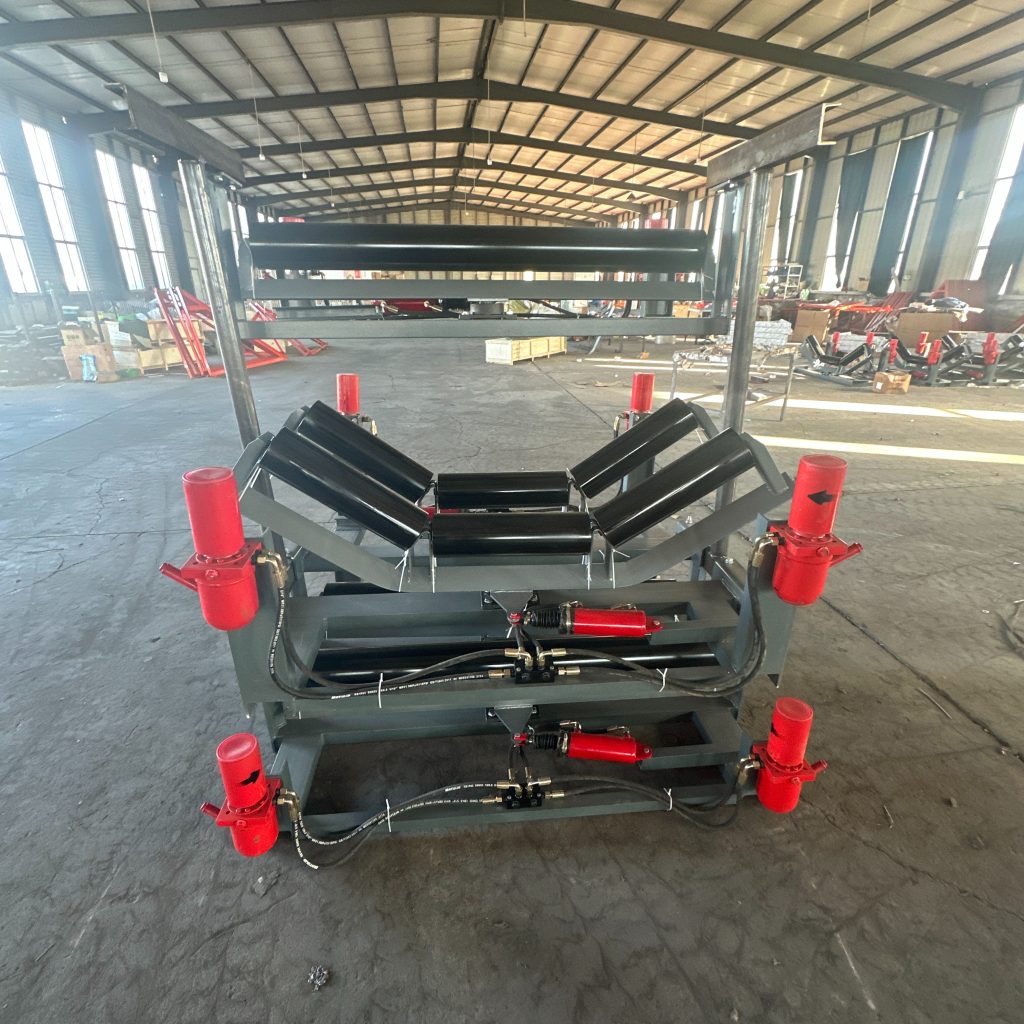
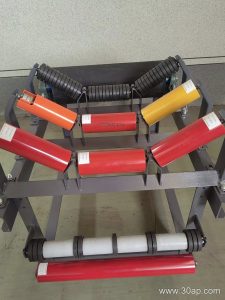
In a coal washing plant or a power plant coal handling system, the drive pulley may run with a Flame Retardant Conveyor Belt or a EP Conveyor Belt, and the drum lagging should be chosen to match the belt cover. Underground coal mining conveyors often pair the drum with a PVG Conveyor Belt or a Steel Cord Conveyor Belt, where high tension calls for a robust shell and hub. Support idlers and the conveyor bracket set the drum height and alignment, so the pulley and frame should be treated as one assembly.
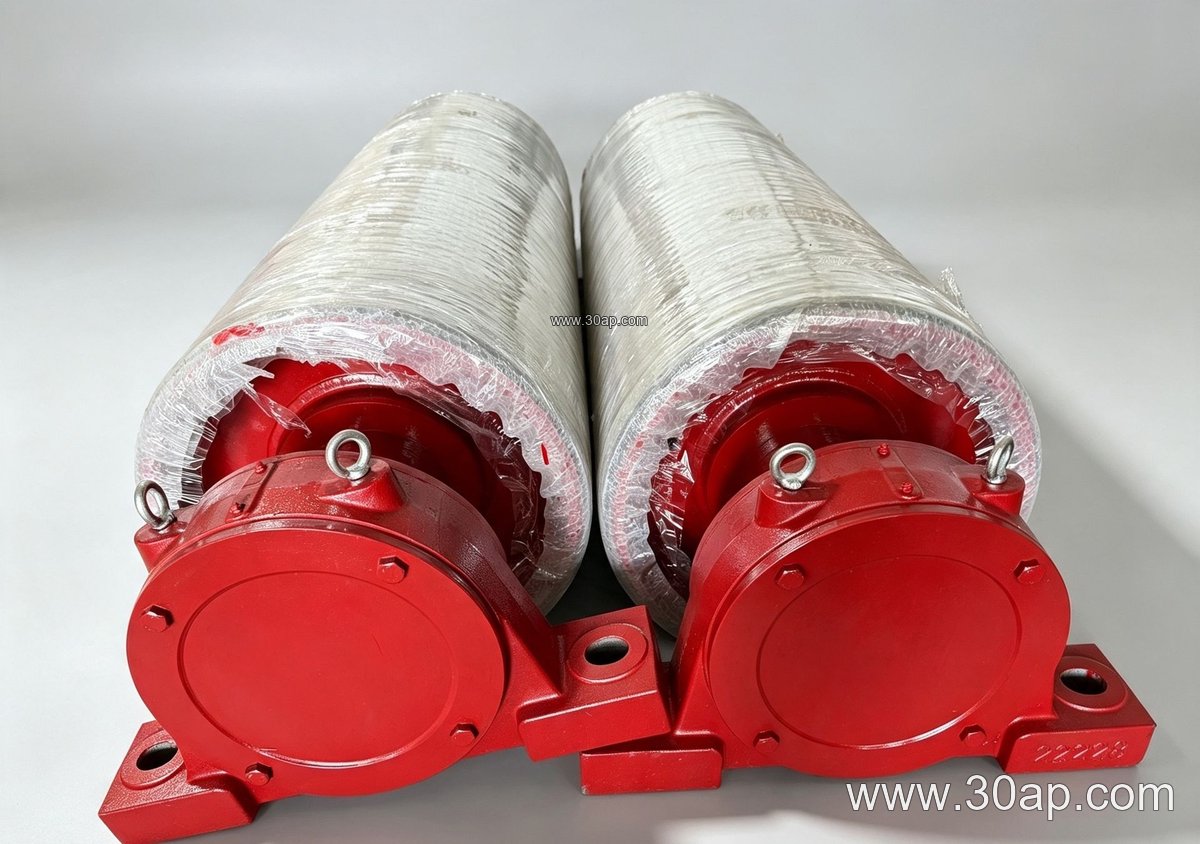
Common Sizes and Combinations
Drum diameter is chosen from belt speed, tension, and the allowable bend radius of the belt. Typical diameters range from Ø200 and Ø250 mm on small short belts up to Ø1000, Ø1250, and Ø1400 mm on heavy main lines. Useful reference combinations include B800 × Ø500, B1200 × Ø1000, and B1400 × Ø800, but a given belt width can work with more than one drum diameter depending on the duty.
| Belt width | Typical drum face | Example diameter range | Typical lagging |
|---|---|---|---|
| B650 | about 750 mm | Ø315 to Ø630 mm | 10 to 12 mm rubber |
| B800 | about 950 mm | Ø400 to Ø800 mm | 10 to 15 mm diamond |
| B1000 | about 1150 mm | Ø500 to Ø1000 mm | 12 to 15 mm rubber |
| B1200 | about 1400 mm | Ø630 to Ø1250 mm | 15 mm diamond or ceramic |
| B1400 | about 1600 mm | Ø800 to Ø1400 mm | 15 to 20 mm ceramic |
These values are common references. Final dimensions should follow the conveyor design and the belt manufacturer’s recommended minimum pulley diameter.
Buyer Checklist
Before ordering, confirm the belt width and type, the working tension, the belt speed, and the position of the drum on the conveyor. Ask for the shaft diameter calculation basis, the lagging pattern and thickness, and the bearing type. Check that the pulley face and the conveyor bracket fit the existing frame, and confirm the balancing grade for high-speed drums. For coal service, also confirm the rubber cover’s flame resistance and antistatic behavior where the site requires it. Spare parts such as bearing housings and lagging sheets should be listed with the order so maintenance does not stall the coal flow.