What a Mining Conveyor Bracket Does
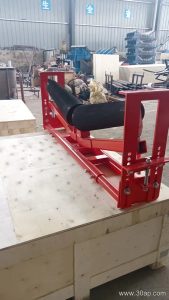
In a belt conveyor system, the mining conveyor bracket is the structural element that holds the idler rollers in the correct position and transfers the load from the belt to the conveyor frame. It is often called a conveyor bracket or idler bracket, and it is one of the most overlooked yet critical components in bulk material handling. Whether the conveyor is moving coal from a stockpile, ore from a crusher, or aggregate in a quarry, the bracket keeps the belt profile stable and the rollers aligned.
The bracket must withstand constant vibration, heavy loads, and often harsh environmental conditions. In a coal mine or power plant, it may be exposed to dust and moisture; in a cement plant or steel mill, heat and abrasive fines are common. A well-designed bracket ensures that the conveyor belt runs smoothly, reducing wear on the belt and extending the service life of the idler roller.
Construction and Materials
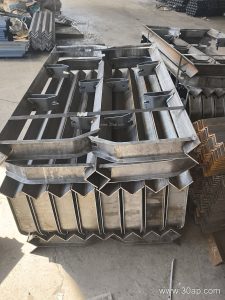
Most mining conveyor brackets are fabricated from angle steel, channel steel, or folded steel plate. The choice of material and thickness depends on the load and the environment. For heavy-duty applications, such as a primary crusher discharge or a high-tonnage overland conveyor, thicker gauge steel is used to prevent deformation. The bracket is typically formed with mounting slots or holes that allow precise adjustment of the idler position.
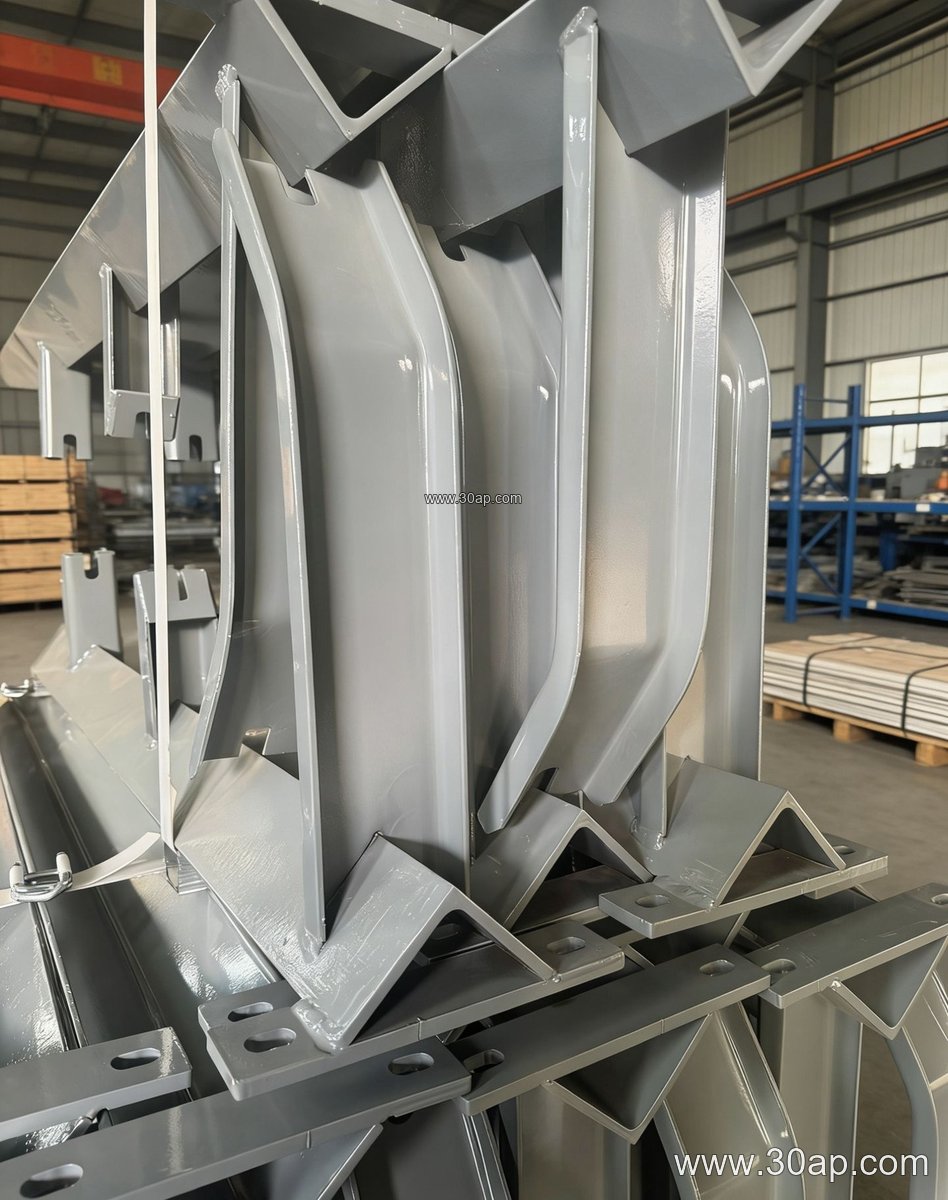
Surface treatment is important. Painting or galvanizing helps resist corrosion, especially in underground mining or port applications where humidity and salt are present. Some brackets are designed with a modular structure, making them easier to replace without dismantling the entire idler frame.
Common Types and Their Roles
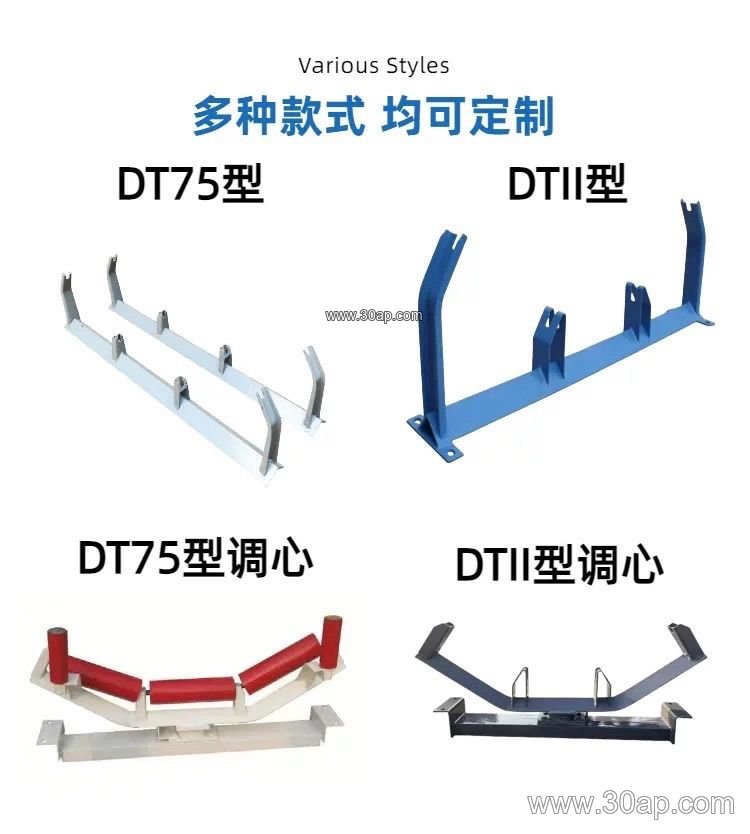
Brackets are not a one-size-fits-all item. The type must match the idler arrangement and the belt path. Here are the main categories you will encounter:
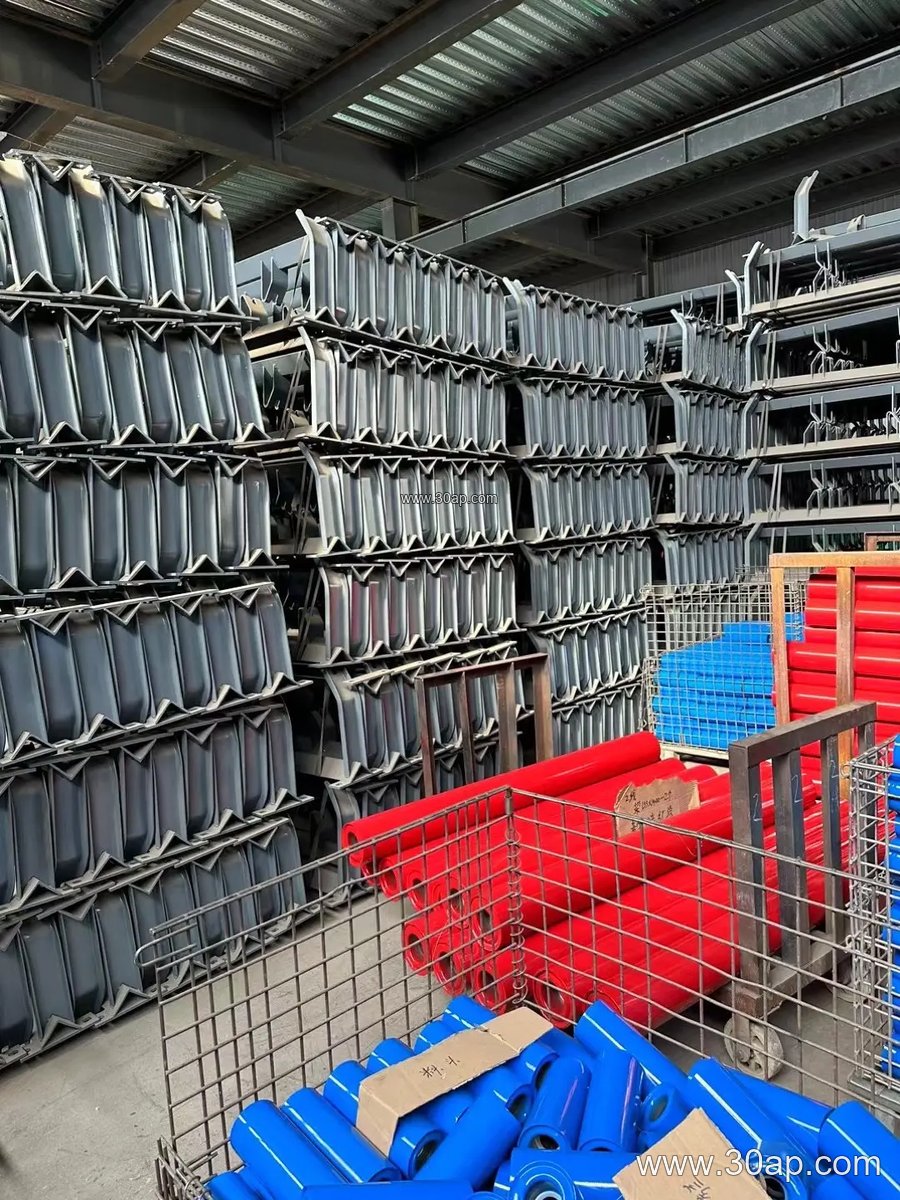
- Troughing bracket (carrying side): Supports three or more idlers to form a trough that keeps bulk material centered on the belt. Common trough angles are 20°, 30°, 35°, and 45°.
- Transition bracket: Used near the head and tail pulleys to gradually change the belt from flat to troughed, reducing stress on the belt edges.
- Return bracket: Supports the belt on the return side. Flat return brackets and V-return brackets are common; the V-shape helps self-align the belt.
- Impact bracket: Reinforced to absorb the shock of falling material at transfer points, often used under crushers or loading chutes.
- Self-aligning bracket: Mounted on a pivot to correct belt misalignment, especially on long conveyors.
- Adjustable bracket: Allows the trough angle to be changed on site, typically between 20° and 45°, to suit different material characteristics.
Other variants include suspended brackets for space-constrained areas and forward-leaning brackets (about 1.5° to 2°) that help train the belt. Each type is designed for a specific function; they are not interchangeable with drive pulleys, tail pulleys, or bend pulleys, which serve entirely different purposes in the conveyor drive and tensioning system.
Matching Brackets to Belt Width and Roller Diameter
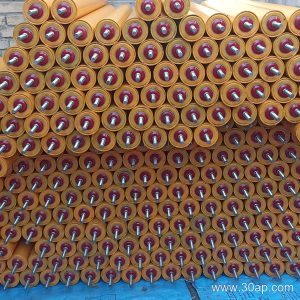
Selecting the right bracket involves more than picking a size. The bracket must fit the belt width (B) and the roller diameter (Ø). Common belt widths include B500, B650, B800, B1000, B1200, B1400, B1600, B1800, B2000, B2200, and so on. Roller diameters often range from Ø89 to Ø194. A bracket for B800 with 35° trough and Ø108 rollers is a typical combination in a quarry or aggregate plant, but it is not the only option. A wider belt like B1200 may use 45° troughing and Ø133 rollers in a high-capacity mining application. The mounting hole spacing and crossbeam length are determined by the belt width and trough angle, so they should always be confirmed with the conveyor design.
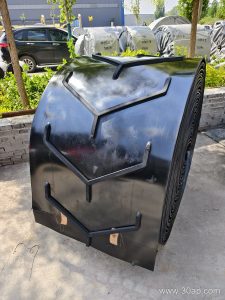
When specifying, consider the belt type as well. A heavy-duty mining conveyor belt, such as an EP conveyor belt or steel cord conveyor belt, may require more robust brackets to handle higher tension and weight. Abrasion resistant conveyor belt and flame retardant conveyor belt are common in coal mining, and the brackets must be compatible with the idler arrangement used for those belts.
Applications Across Industries
Mining conveyor brackets are found in almost every industry that uses belt conveyors. In a limestone quarry or sand and gravel line, troughing brackets keep the aggregate centered on the belt. In a coal preparation plant, flame retardant conveyor belts run on brackets designed for dusty, potentially explosive environments. Cement plants use brackets that resist abrasive dust, while power plant coal handling systems rely on sturdy brackets to support heavy loads. Iron ore and copper ore operations demand high-strength brackets that can handle dense, sharp materials. Even in port ship loading and tunnel excavation, specialized brackets help maintain belt alignment and reduce spillage.
The bracket works in tandem with the conveyor pulley and idler roller to ensure smooth operation. A misaligned or worn bracket can cause the belt to drift, leading to edge damage and premature failure of the conveyor belt. Regular inspection of brackets for deformation, corrosion, or loose bolts is a simple but effective maintenance practice.
What Buyers Should Know
When purchasing mining conveyor brackets, focus on the application rather than just the price. Check the material thickness, the type of steel, and the surface treatment. Ask for the bracket to be matched to your belt width, trough angle, and roller diameter. If you are unsure, provide the conveyor specifications to the supplier so they can recommend the right bracket. Keep in mind that brackets are part of a system; they must work with the idler rollers and the conveyor frame. Avoid mixing bracket types unless the design allows it. Finally, consider the environment: a bracket that performs well in a dry aggregate plant may not last in a wet, corrosive underground mine. Choosing the correct bracket for the job is a small investment that pays off in reduced downtime and longer belt life.