What the NN400 Conveyor Belt Is
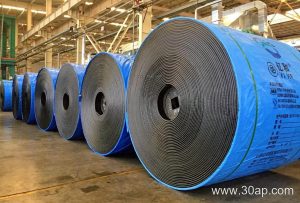
The NN400 Conveyor Belt is a multi-ply fabric core belt built on nylon (NN) canvas. The number 400 refers to the nominal tensile strength class of the carcass, expressed in newtons per millimeter of belt width. In everyday plant language it is simply an NN400 belt or a nylon fabric core belt. It sits in the middle-upper range of the NN series, above NN300 and below heavier constructions, which makes it a common choice where loads are demanding but a steel cord carcass is not required.
Because both warp and weft yarns in the carcass are nylon, the belt combines high tensile strength with good flexibility, impact absorption and resistance to fatigue. That balance is why it turns up in mines, cement works, power plants, quarries, sand and gravel yards, and port bulk handling systems.
Construction and Layer Arrangement
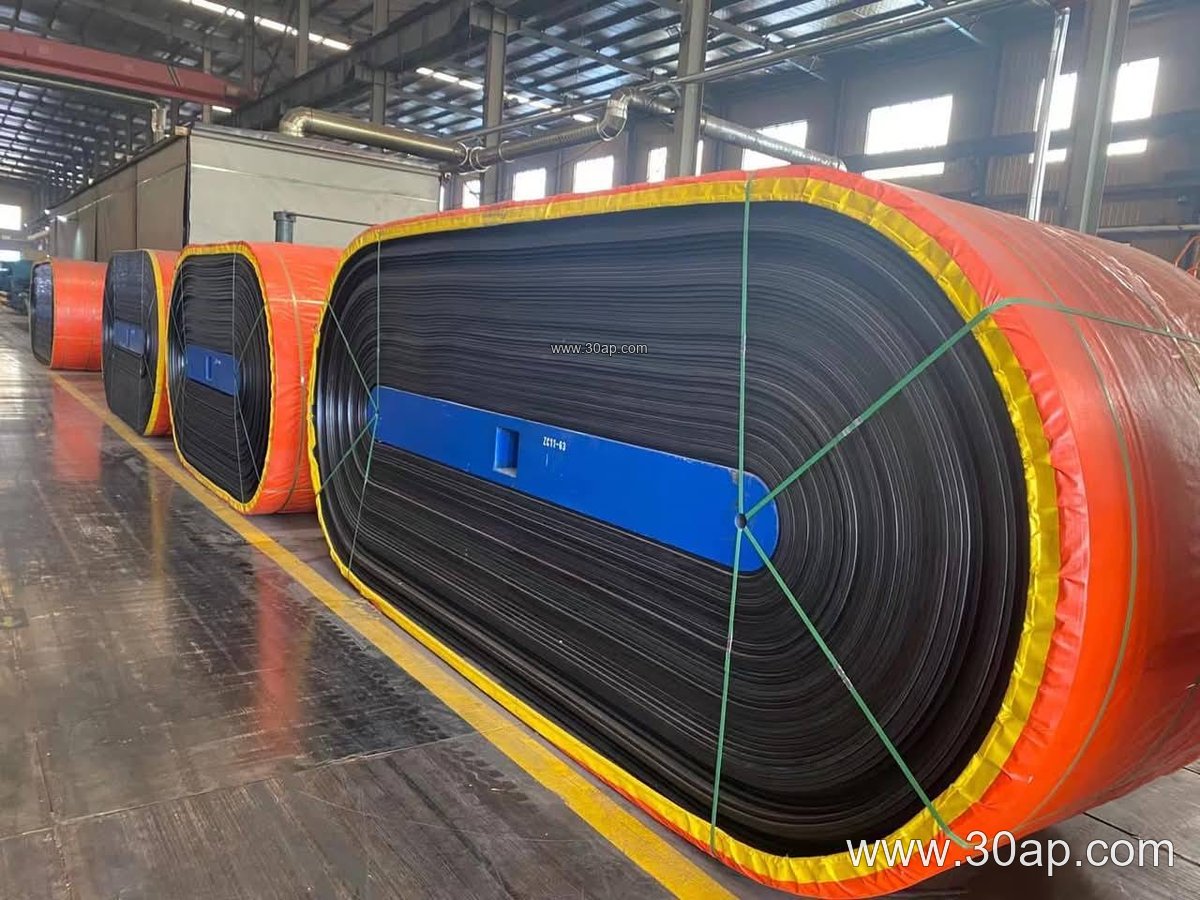
The belt is a sandwich. A rubber cover sits on the carrying side, a second cover protects the pulley side, and between them lie multiple plies of nylon fabric bonded with rubber skim compound. A buyer should think in three numbers: strength class, ply count and cover thickness.
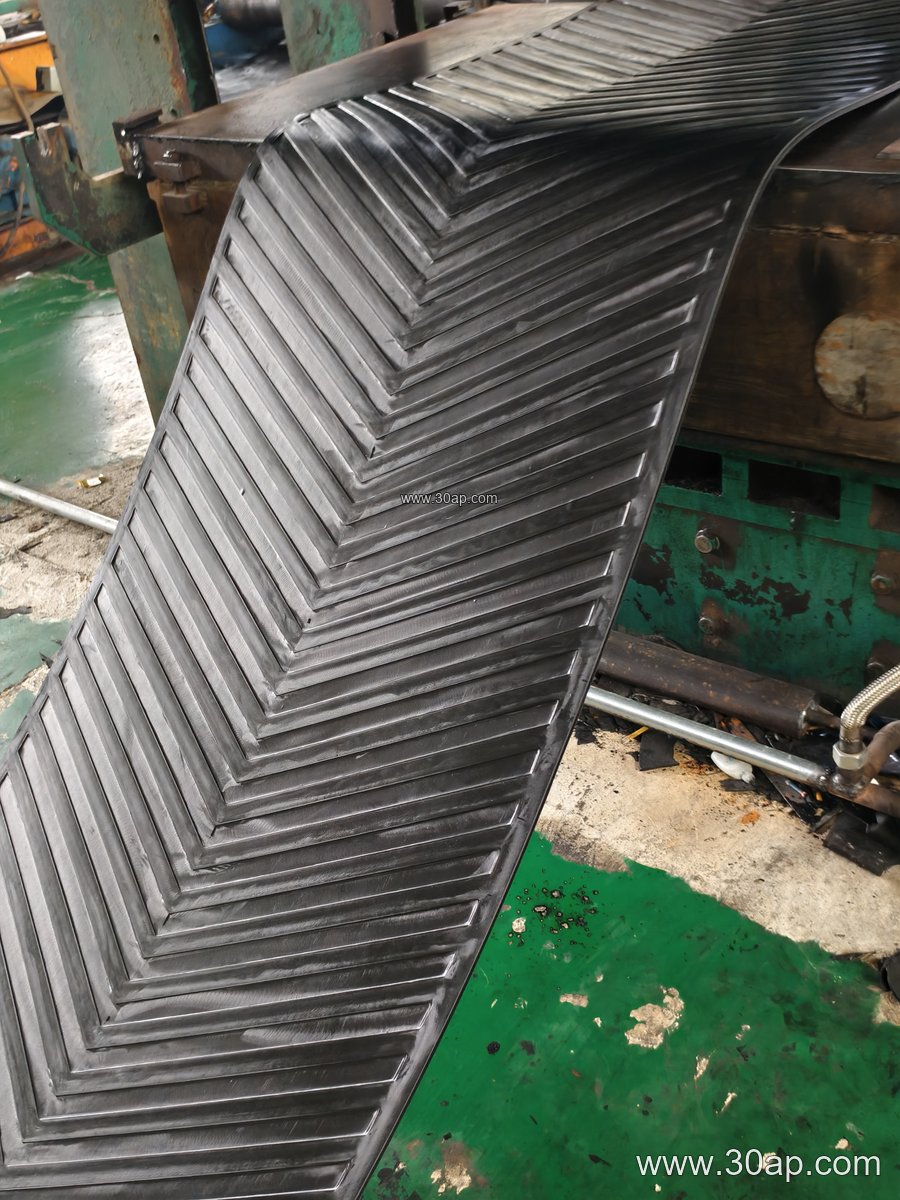
- Carcass: nylon-nylon fabric, usually 2 to 6 plies depending on the required strength and belt width.
- Top cover: commonly 3+1.5, 4+2, 5+2, 6+2 or 8+3 mm, chosen to suit abrasion and impact.
- Edge construction: cut edges or moulded edges, depending on the manufacturer and the duty.
Cover compound selection matters as much as the carcass. A plain abrasion resistant conveyor belt suits sand, gravel and clinker. Heat resistant grades suit cement and sinter handling, flame retardant grades suit coal mining, and oil resistant versions are used where lubricants or oily feedstock are present. These are compound choices on the same NN400 carcass, not different products.
Typical Parameters
The table below shows common reference values. Actual figures are confirmed by design and can vary between manufacturers.
| Item | Common reference range |
|---|---|
| Strength class | NN400 (nominal) |
| Ply count | 3 to 6 plies, commonly 4 or 5 |
| Belt width | B500, B650, B800, B1000, B1200, B1400, B1600, B1800, B2000 |
| Cover thickness | 4+2, 5+2, 6+2, 8+3 mm typical |
| Cover grades | Abrasion, heat, oil, flame retardant, anti-static, cold resistant |
| Belt length | Open length or endless, made to order |
Width and strength are independent choices. A wider belt does not automatically demand one particular pulley diameter, and shaft sizing is a conveyor design decision, not something read off the belt width alone.
Where It Fits in the Plant
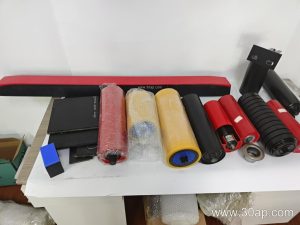
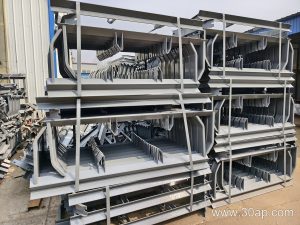
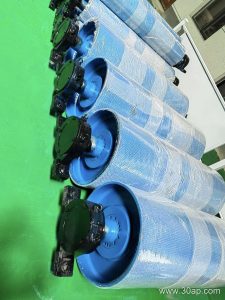
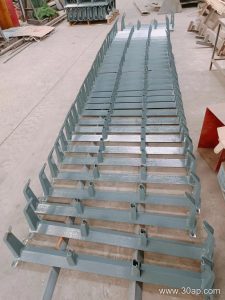
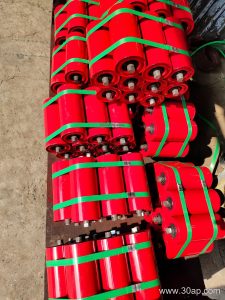
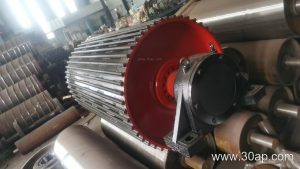
On a typical bulk handling line, the belt runs over a drive pulley, a tail pulley and one or more bend pulleys, supported by idler rollers and held in line by conveyor brackets and frames. Each of those components has its own role. Drive pulleys transmit torque, tail pulleys set the return point, and bend pulleys change direction; they are not interchangeable, and the belt specification should be matched to the whole conveyor layout rather than to one part of it.
Typical duties for the NN400 include:
- Coal and underground mining conveyors, often with flame retardant covers.
- Cement plant clinker and raw meal lines, where heat and abrasion both apply.
- Power plant coal yards and limestone handling.
- Quarry and aggregate conveyors feeding crushers and screens.
- Iron ore, copper ore and other ore transport in bulk material systems.
- Port and ship loading conveyors moving heavy tonnage.
For very long, high-tension main lines, a steel cord conveyor belt is often the better structural answer; the nylon carcass is preferred where flexibility, impact resistance and easier splicing are valued. Chevron or corrugated sidewall designs can also be built on a fabric carcass when the route is steep or the material needs containment.
Buyer Checklist
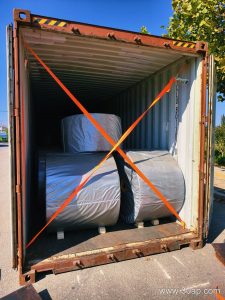
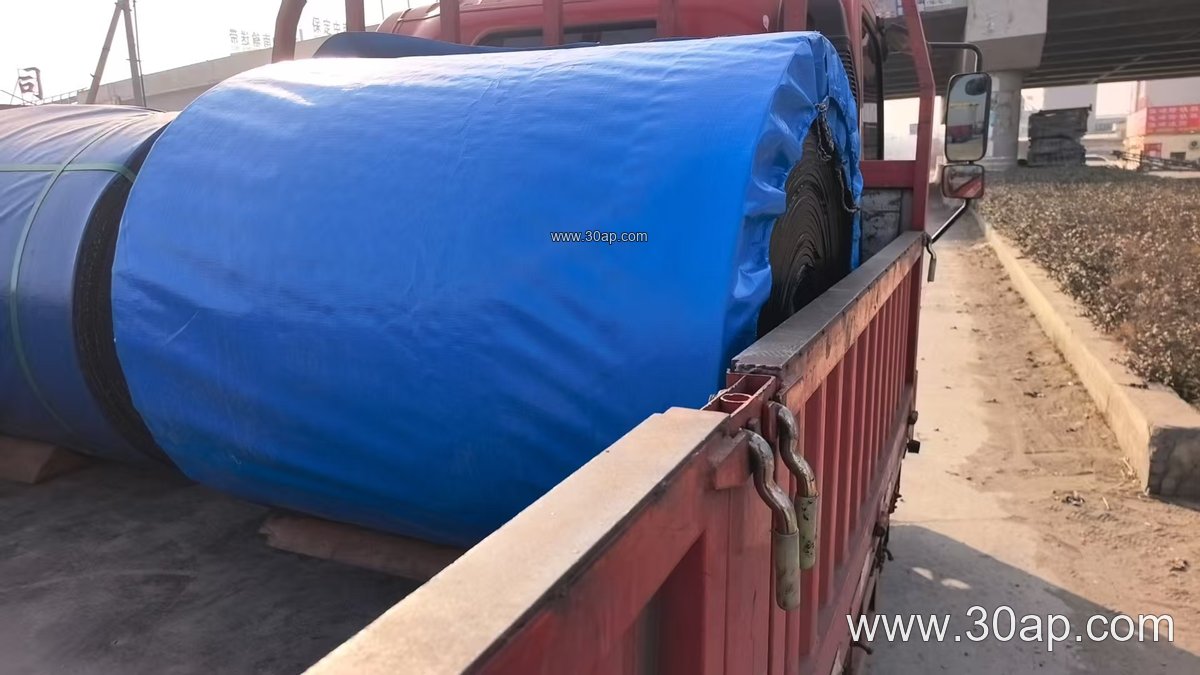
Before ordering, confirm the duty and the environment. State the material, lump size, throughput, incline, ambient temperature and any oil, chemical or fire risk. Then agree the strength class, ply count, cover grade and cover thickness, plus the belt width and whether the belt is supplied open or as an endless conveyor belt. Ask for the splice method and the recommended pulley and idler contact details so the belt and the conveyor hardware are designed together.
For abrasive ore and clinker, a high abrasion resistant cover usually pays for itself; for coal faces, insist on the flame retardant grade; for cold climates, a cold resistant compound keeps the covers from cracking. Store belts on a dry, shaded rack and avoid tight bends in the roll. During operation, check that idler rollers turn freely and that bend pulleys are aligned, because a small misalignment shortens cover life far more than most operators expect.
Related products such as the EP conveyor belt, steel cord conveyor belt and various heat resistant conveyor belt grades serve other parts of the same line, but the NN400 remains the subject here. Matching the belt to the conveyor, and the conveyor to the belt, is the practical rule that keeps a bulk handling plant running.