What a Cement Conveyor Idler Does on the Line
A cement conveyor idler is the rotating support that carries the conveyor belt and the material load along the carrying and return sides of a bulk handling conveyor. In a cement plant, limestone, clinker, gypsum and cement powder move through crushers, silos and packing halls, and the idler roller keeps the belt tracking with low friction. The same component appears in a quarry, a limestone mine, a power plant coal yard or an aggregate line, so the working environment often decides the roller construction more than the product name alone.
How the Idler Is Built
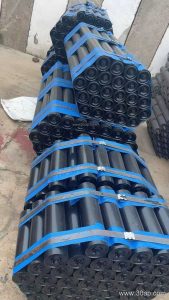
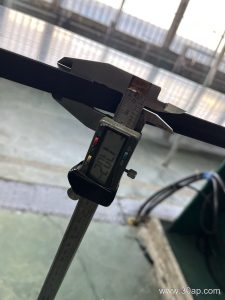
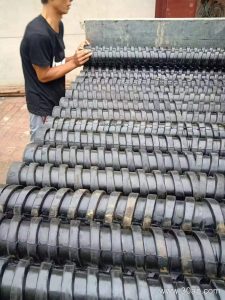
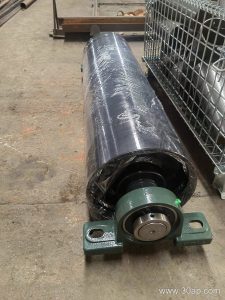
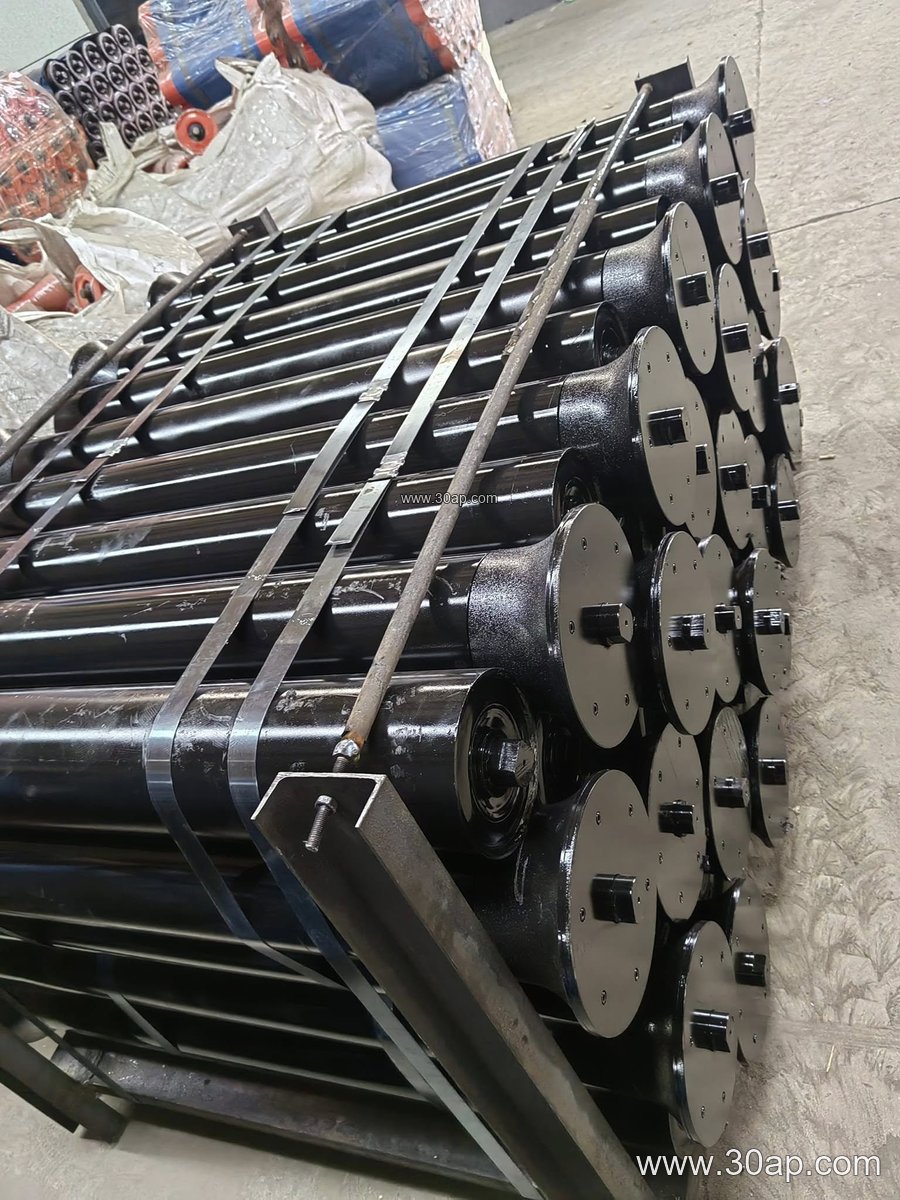
A typical cement conveyor idler consists of a steel tube shell, a shaft, bearing housings, sealed bearings and a protective coating or rubber ring where impact is heavy. Common roller diameters include Ø89, Ø108, Ø127, Ø133, Ø159 and Ø178, while larger sizes such as Ø194 and Ø219 appear on heavy-duty applications. Bearing numbers such as 6204, 6205, 6305, 6306, 6308 and 6310 are selected by load and shaft design rather than by belt width alone. The shell may be plain steel, nylon-coated, ceramic-covered or fitted with rubber rings for cushioning. Sealing quality matters in cement dust, because fine powder can enter a bearing and shorten service life.
Common Types and Where They Sit
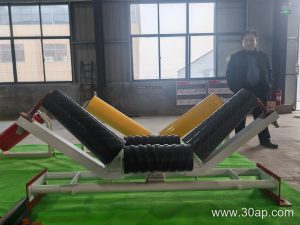
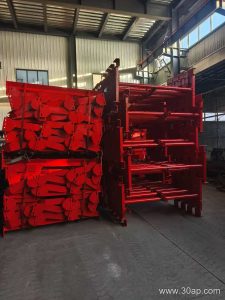
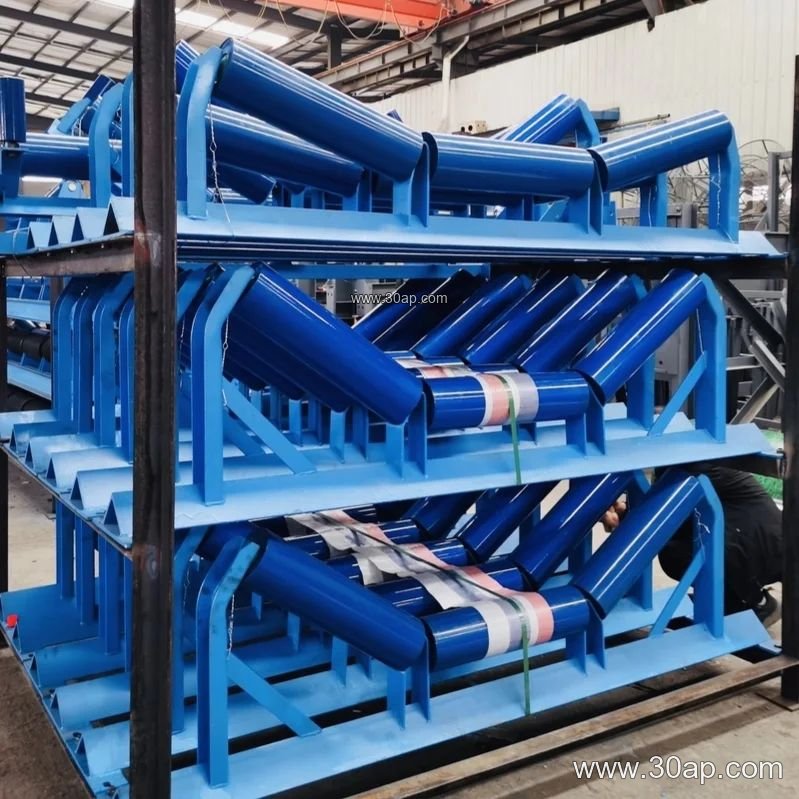
The carrying side usually uses three-roll troughing sets with a trough angle of 20, 30, 35 or 45 degrees. A single-roll or two-roll arrangement may appear in narrow or special frames. Transition idlers help the belt change from flat to troughed shape near a conveyor pulley, while impact idlers with rubber rings sit under the loading point. On the return side, flat return idlers, V-return idlers and spiral idlers are common. Self-aligning idlers, including friction and tapered types, are used where belt training needs correction. These are different functions, and none of them replaces a drive pulley, tail pulley or bend pulley, which transmit power and change belt direction.
Matching Roller Length to Belt Width
Roller length follows belt width, trough angle and roll arrangement. For a three-roll troughing set, common examples are roughly 200 mm roll length for B500, 250 mm for B650, 315 mm for B800, 380 mm for B1000, 465 mm for B1200, 530 mm for B1400, 600 mm for B1600, 670 mm for B1800 and 750 mm for B2000. Side rolls and center rolls can differ, so these figures are reference examples rather than fixed pairings. A 1200mm wide conveyor belt and a 1400mm wide belt may use different frame dimensions even when the roller diameter looks similar.
Working Conditions in Cement and Related Plants
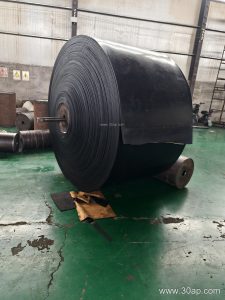
In a cement plant, abrasive dust and fine powder are constant companions. An abrasion resistant conveyor belt and a well-sealed idler roller work together to reduce wear and spillage. In a limestone quarry or aggregate line, impact at the loading zone calls for cushioning idlers, while a steel cord conveyor belt on a long overland run may need larger roller diameters to control rotation speed. In a coal yard or underground coal mining conveyor, flame retardant conveyor belt and anti-static properties are usually specified for safety, and the idler frame should suit the same environment. A pipe conveyor belt or a corrugated sidewall conveyor belt may use different idler geometry, so the roller layout should follow the conveyor design.
Buyer Checklist
- Confirm roller diameter, shaft end type and frame spacing against the existing conveyor bracket.
- State the belt width and trough angle so the roller length and roll arrangement match the line.
- Choose the shell surface according to duty: plain steel for general service, rubber rings for impact, ceramic or nylon where abrasion is severe.
- Check bearing size and sealing class for dust and moisture, and ask for the grease type if relubrication is planned.
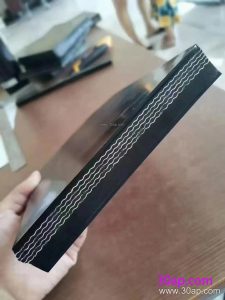
- Review the conveyor belt specification together with the idler selection, since an EP conveyor belt, a multi-ply fabric core belt and a heat resistant conveyor belt can place different loads on the same frame.
A practical spare-parts plan keeps a small stock of the most used roller sizes and seal kits, and records the position of every self-aligning or impact idler so replacements stay consistent. More product details for cement conveyor idler and related conveyor components can be reviewed at cement conveyor idler and conveyor roller pages.