Introduction to Construction Industry Conveyor Belt Engineering
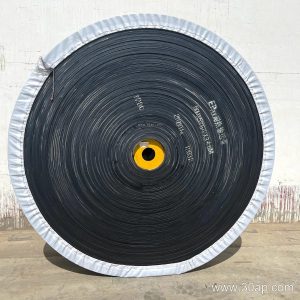
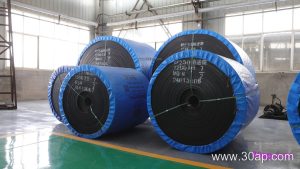
Heavy civil engineering, large-scale infrastructure projects, and aggregate processing plants demand dependable material handling solutions. Within these harsh environments, the Construction Industry Conveyor Belt serves as the backbone for moving massive quantities of raw materials such as crushed stone, sand, gravel, cement, and wet concrete mix. Operating continuously under abrasive conditions, this specialized conveyor belt must withstand severe impact loading, sharp rock edges, and variable weather elements while maintaining high tensile strength and minimal elongation.
Structural Composition and Core Configurations
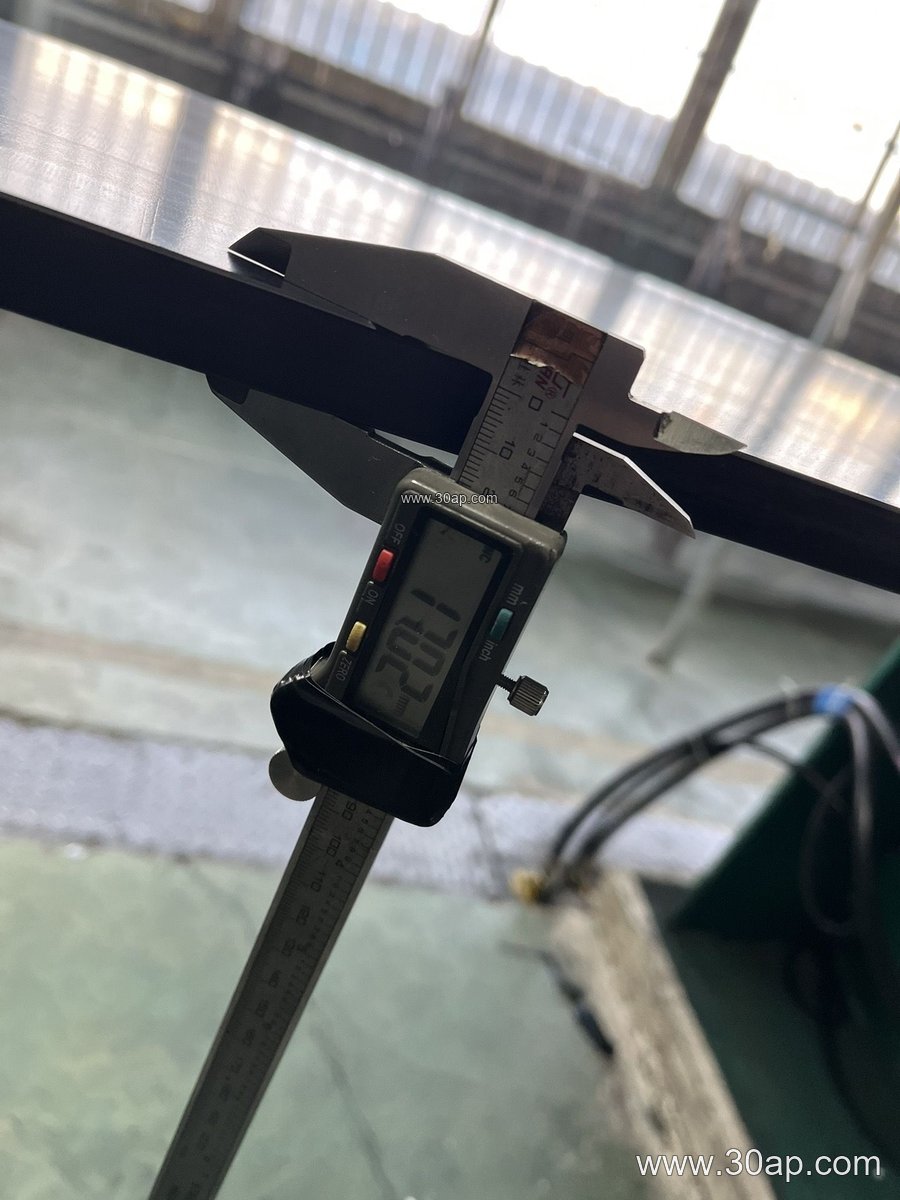
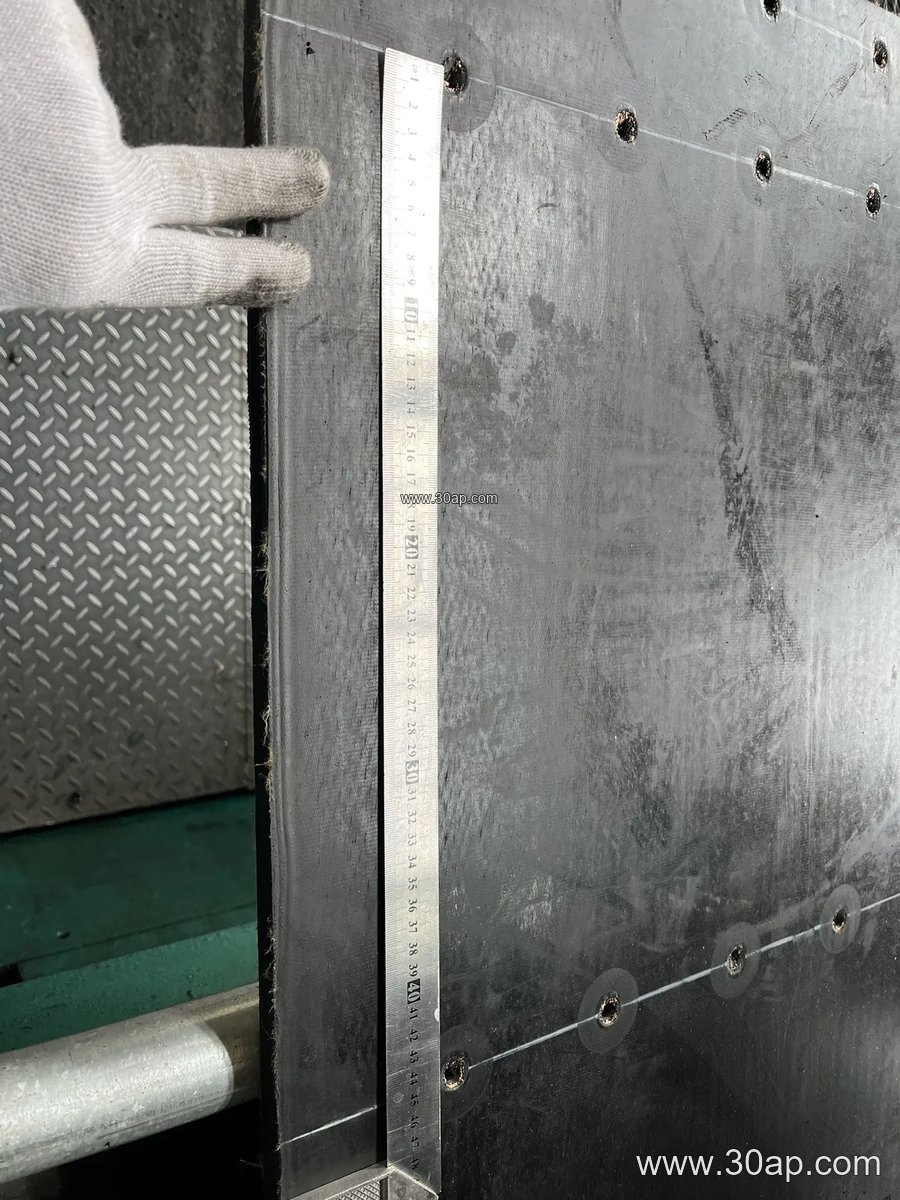
The durability of a heavy-duty material transport line relies heavily on its internal carcass and protective rubber covers. Manufacturers build these systems using multi-ply fabric layers or high-strength steel cords embedded between durable rubber compounds. When configuring a heavy material line for a rock crushing facility or cement plant, engineers select appropriate reinforcement types based on tension requirements and installation layout length.
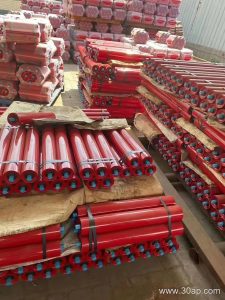
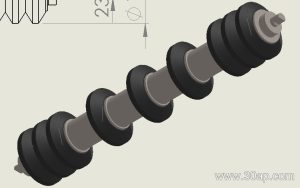
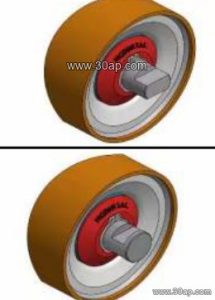
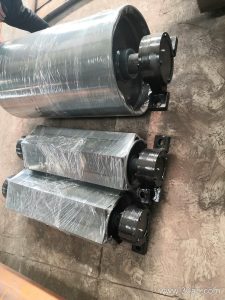
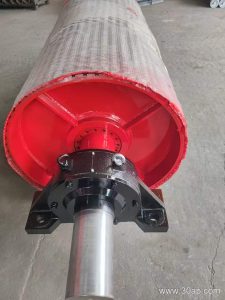
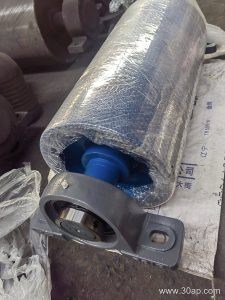
To support the moving web and prevent excessive sagging, matching components such as the idler roller are spaced strategically along the steel conveyor bracket framework. At the terminal ends and directional turning points, the conveyor pulley transfers rotational torque from the drive motor to the continuous loop, ensuring smooth tracking and continuous power transmission.
Technical Specifications and Reference Parameters
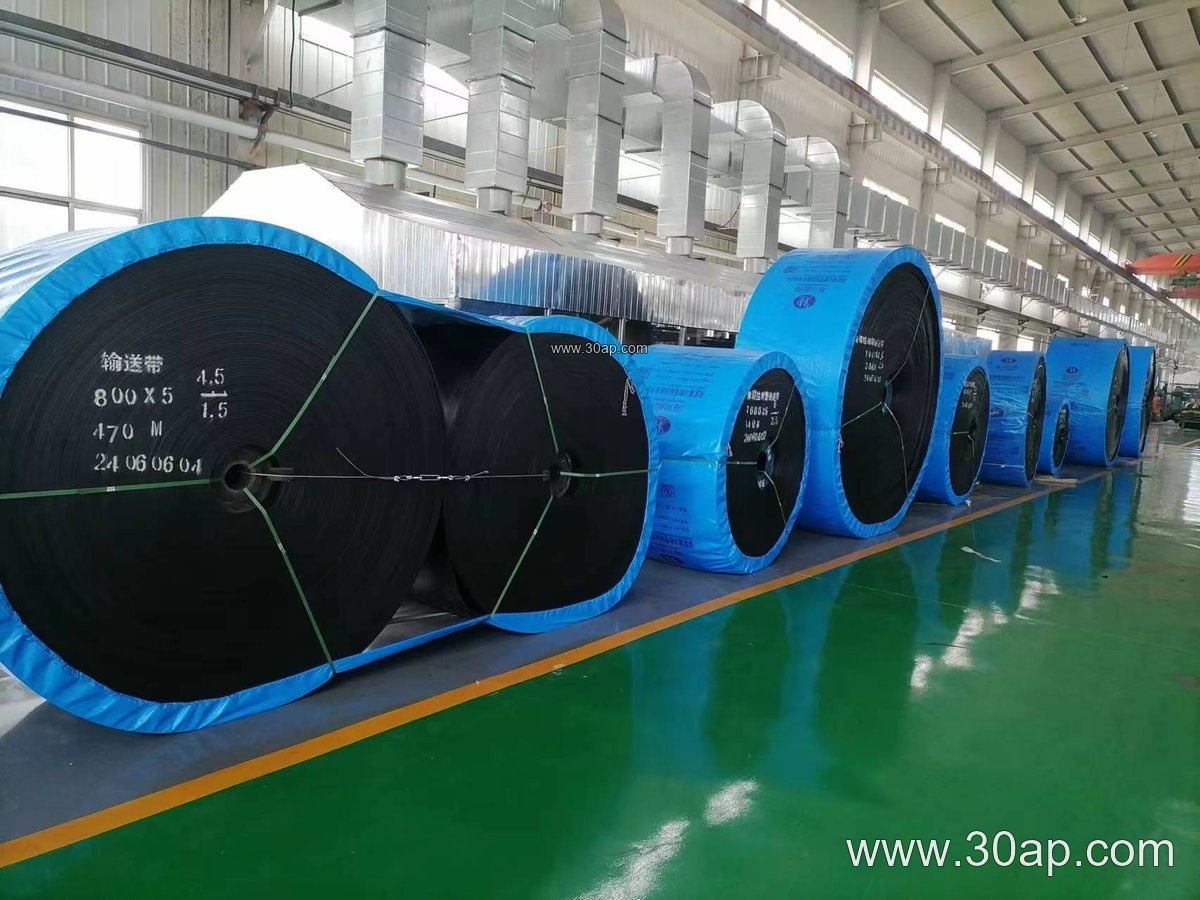
Selecting the correct configuration requires evaluating specific operational metrics including belt width, carcass tensile strength, and cover thickness. While actual values vary depending on project engineering requirements, standard industrial classifications offer a useful baseline for system design.
Available Dimensions and Strength Ratings
| Specification Parameter | Common Range / Values |
|---|---|
| Standard Band Width (mm) | B500, B650, B800, B1000, B1200, B1400, B1600, B1800, B2000 |
| Tensile Strength Ratings | EP200, EP315, EP400, EP500, EP630, EP800, EP1000, EP1250, EP1600, EP2000 |
| Cover Thickness Top + Bottom (mm) | 3+1.5, 4+2, 5+2, 6+2, 8+3 |
| Carcass Ply Count | Typically 2 layers to 6 layers for fabric cores |
Operational Applications in Heavy Industries
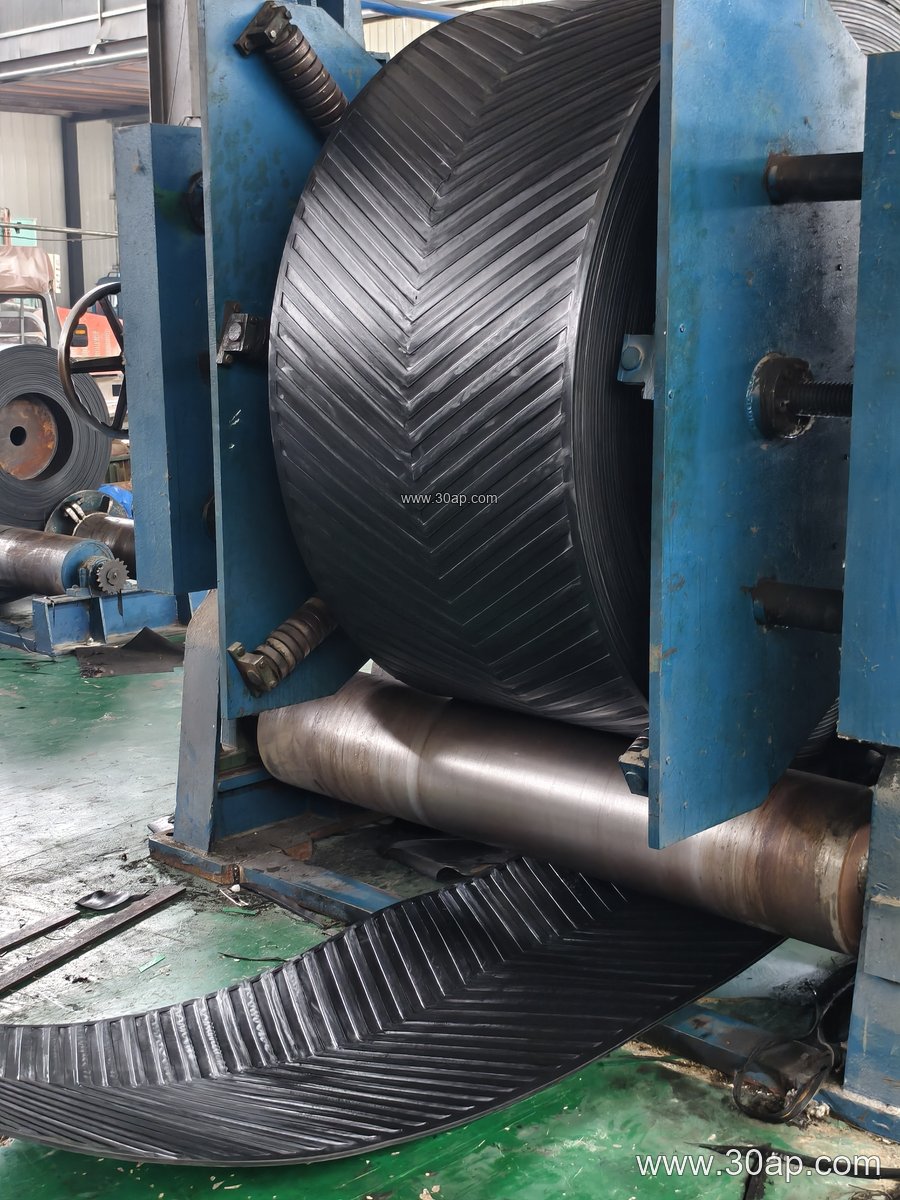
Beyond standard civil construction sites, heavy-duty material transport networks are heavily deployed across various demanding sectors. In a bustling quarry or aggregate processing facility, a rugged Quarry Conveyor Belt transports freshly blasted rock from primary jaw crushers to secondary screening stations. Similarly, major cement plants utilize specialized Cement Conveyor Belt lines to handle clinker, limestone, and gypsum under high-temperature conditions.
Other vital industrial sectors relying on these continuous hauling systems include:
- Sand making and stone crushing yards moving sharp granite and river gravel
- Underground and surface mining operations moving raw minerals
- Coal preparation plants and thermal power stations handling fuel supplies
- Port terminal facilities and ship loading docks moving bulk raw commodities
Selection and Maintenance Guidelines
Proper selection of a bulk material handling line prevents premature wear and costly operational downtime. Facility operators must analyze the maximum lump size, drop height at loading points, belt speed, and environmental exposure such as oil, moisture, or extreme temperatures. Regular inspection of the rotating conveyor pulley assemblies, alignment checks on every idler roller, and tension adjustments on the supporting conveyor bracket structures ensure long service life and reliable daily performance.