What the NN300 Conveyor Belt Is
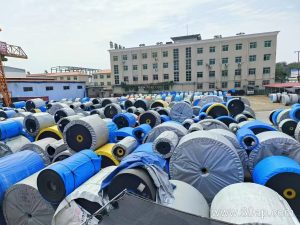
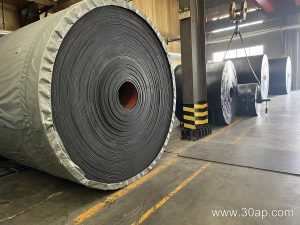
An NN300 conveyor belt is a fabric core belt built on nylon (polyamide) warp and weft cords. The number 300 refers to the nominal tensile strength class of the carcass, commonly expressed in N/mm. In practical terms, this is a mid-to-high strength NN conveyor belt that sits above NN100 and NN200 and below the heavier NN400 class, making it a frequent choice for main haulage lines that carry abrasive, heavy bulk material but do not justify a steel cord design.
Buyers often meet the product under several equivalent names: nylon conveyor belt, NN fabric core belt, or multi-ply nylon belt. All describe the same construction, and the strength class should always be confirmed on the data sheet rather than inferred from the trade name alone.
How the Belt Is Built
The carcass consists of multiple plies of nylon fabric bonded with rubber skim compound. Nylon cords offer high tensile strength per unit weight, good fatigue resistance and strong adhesion to rubber, which is why this belt tolerates repeated flexing over pulleys and troughing idlers without rapid ply separation.
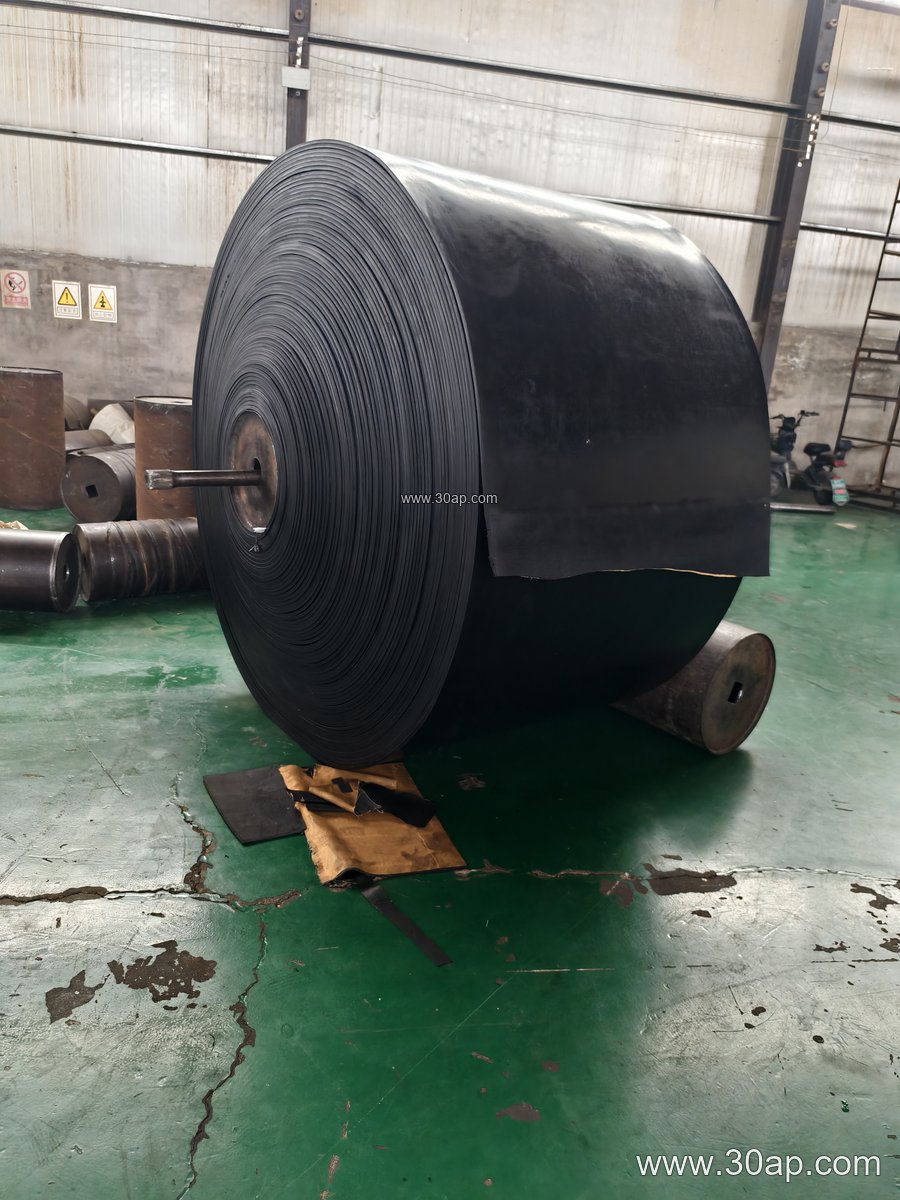
The cover rubber is selected for the duty. Typical constructions use top and bottom covers such as 4+2 mm, 5+2 mm, 6+2 mm or 8+3 mm, with 2 to 6 plies depending on the required strength and belt width. Cover grade matters as much as thickness: an abrasion resistant grade suits sharp rock and ore, a heat resistant grade serves cement clinker and sinter, and a flame retardant belt is specified for underground coal mining where anti-static and fire safety behavior are required.
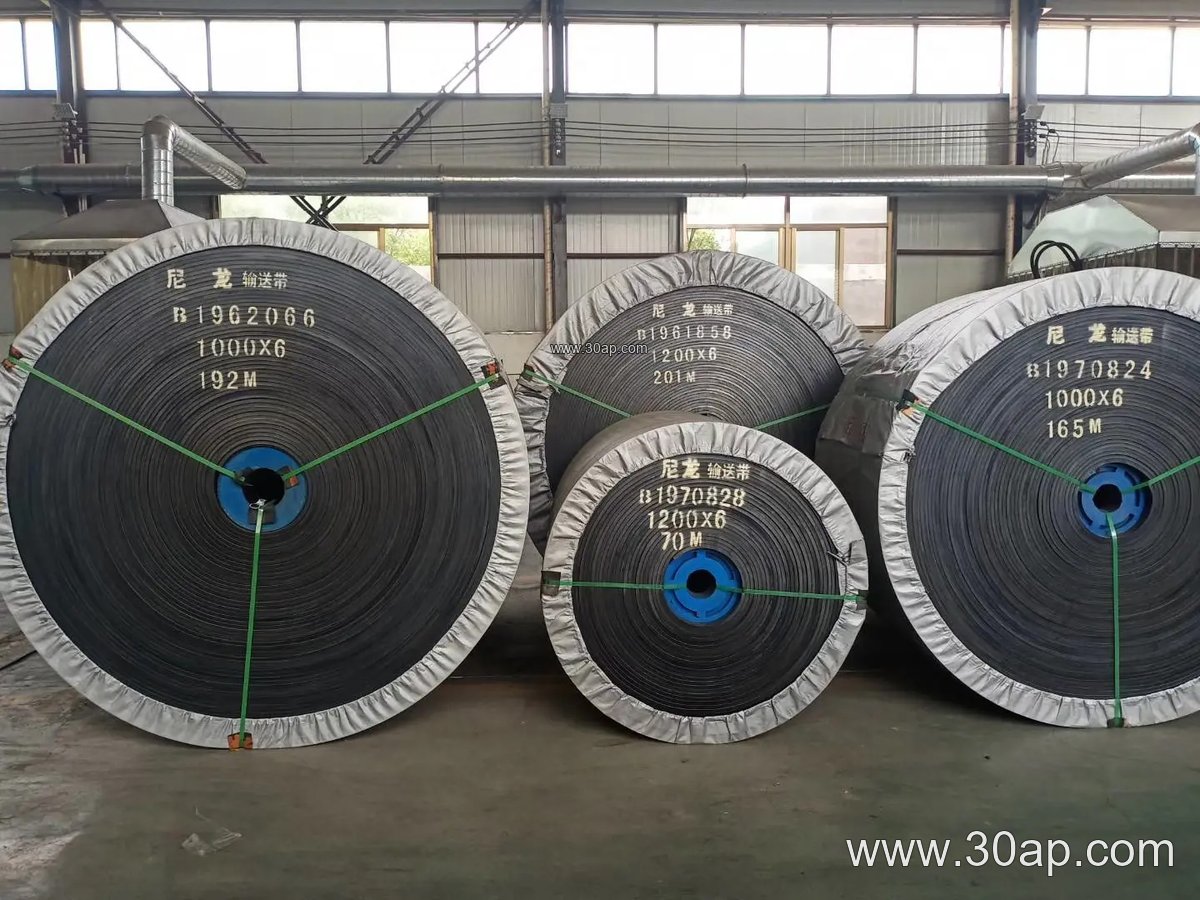
Common Strength and Width Ranges
The values below show how an NN300 grade is usually positioned in a fabric belt program. They are reference ranges, not fixed combinations, and each project should be sized by the conveyor designer.
| Parameter | Typical Range | Notes |
|---|---|---|
| Strength class | NN100, NN200, NN300, NN400 | NN300 is the mid-high class |
| Belt width | B500, B650, B800, B1000, B1200, B1400, B1600 | Wider belts for high tonnage |
| Number of plies | 2 to 6 | Determined by tension calculation |
| Cover thickness | 4+2, 5+2, 6+2, 8+3 mm | Thicker covers for impact and abrasion |
| Cover grades | Abrasion, heat, oil, flame retardant, cold, acid resistant | Match the material and climate |
Belt width and pulley diameter are linked by design, not by a fixed rule. A wider belt does not automatically require one specific pulley size, and shaft diameters must be calculated from the actual load case.
Where It Fits in the Plant
This belt class appears across mining, quarrying and heavy process industries. In a sand and gravel plant it may run from the crusher discharge to the screening tower. In a cement works it can serve as a clinker or raw meal transfer belt with a heat resistant cover. Power plants use it on coal handling lines, often in flame retardant form for enclosed galleries. Ports and ship loading terminals favor wide belts for high throughput, while iron ore and copper ore operations select abrasion resistant covers for sharp, dense material.
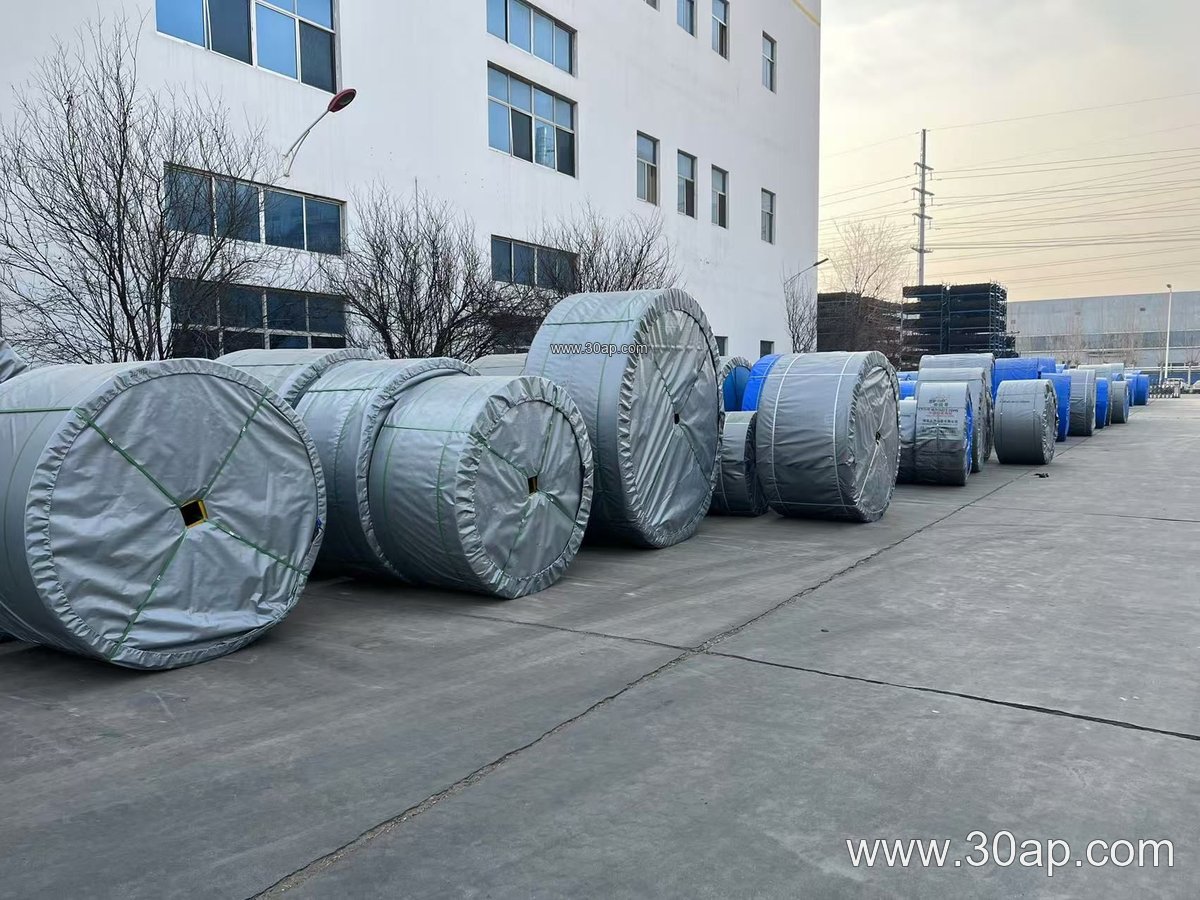
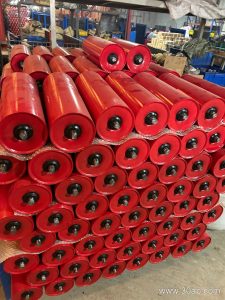
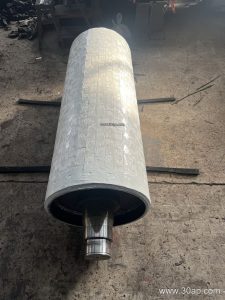
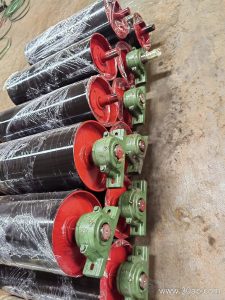
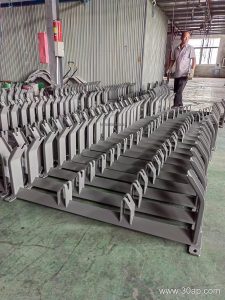
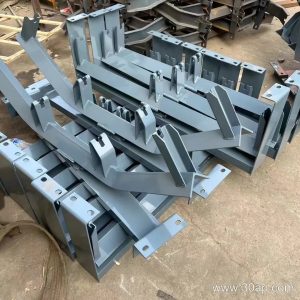
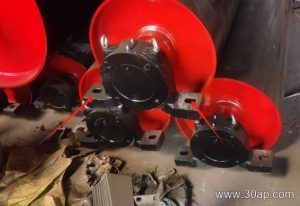
In these systems the belt works with conveyor pulleys at the drive and tail positions, a train of idler rollers along the carrying and return strands, and conveyor brackets that hold the idlers in alignment. Drive pulley, tail pulley and bend pulley are distinct components with different functions and are not interchangeable.
Selection Points for Buyers
- Confirm the required strength class from the conveyor tension calculation rather than copying a neighboring line.
- State the material: lump size, density, moisture, temperature and oil content all influence cover grade.
- Check the environment. Underground coal duty usually calls for flame retardant and anti-static properties; cold climates call for a cold resistant cover.
- Review pulley diameters, trough angle and transition distances so the belt can flex without edge stress.
- Ask for the full data sheet: ply count, cover thickness, tensile strength, elongation and adhesion values.
Installation and Maintenance Notes
Correct storage keeps a fabric belt out of direct sunlight and away from ozone sources. During installation, align the structure and check that every idler roller rotates freely before tensioning. Track the belt at low speed first, then bring it to full load. Over time, watch for cover wear at the loading point, edge damage and ply separation near splices. A worn cover on an otherwise sound carcass can sometimes be repaired, but a belt showing cord exposure or cross-wise cracks should be assessed for replacement.
For very long, high-tension routes, a steel cord conveyor belt may be the better fit, while a single-ply light-duty line may only need an EP or PVC belt. NN300 remains a practical middle ground: strong enough for sustained heavy duty, flexible enough for conventional pulleys and troughing idlers, and available in the cover grades most plants actually need.