Understanding Belt Tracking Idler Mechanics
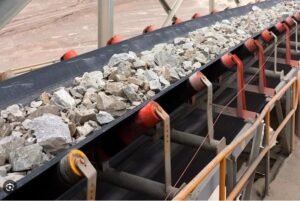
In heavy-duty material handling environments such as a modern cement plant, maintaining proper alignment of the conveyor belt is essential for operational continuity. A belt tracking idler serves as a specialized mechanism designed to correct lateral drift before minor deviations escalate into severe edge damage or structural contact. Unlike standard idler roller setups that remain fixed in place, tracking variants incorporate pivoting frames or side guide rolls that respond dynamically to belt movement. When the conveyor belt shifts to one side, it engages the sensing mechanism, which gently steers the belt back toward the center line.
Design and Structural Configuration
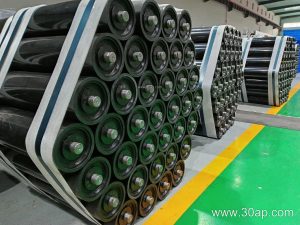
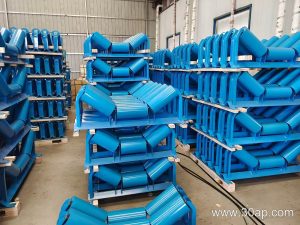
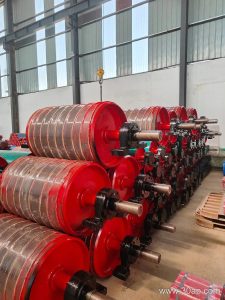
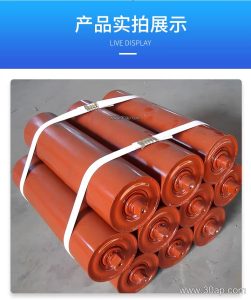
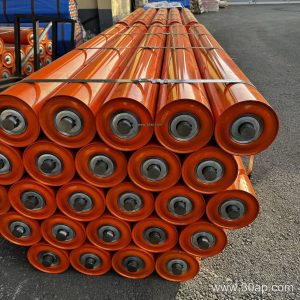
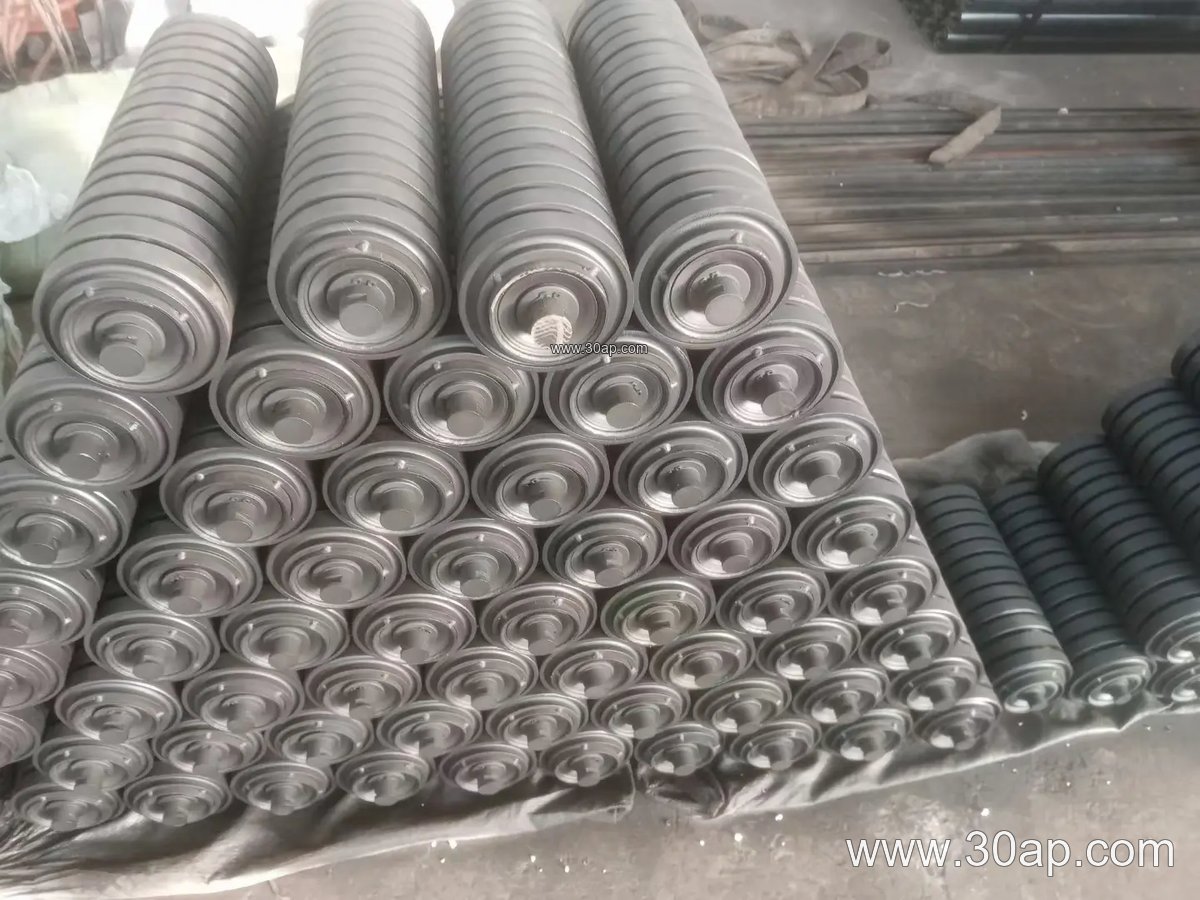
The construction of an effective belt tracking idler involves robust frames paired with precision-engineered swivel assemblies. Common structural designs include friction-type units, tapered roll configurations, and multi-roll pivoting frames. These assemblies often work in tandem with a sturdy conveyor bracket to ensure secure mounting along the stringer channels. While the main body relies on durable steel components, the rotating elements can feature steel pipe, rubber rings, or specialized coatings depending on the specific operational demands. For instance, heavy-duty applications handling abrasive clinker might utilize robust steel or impact-resistant surfaces to withstand constant wear.
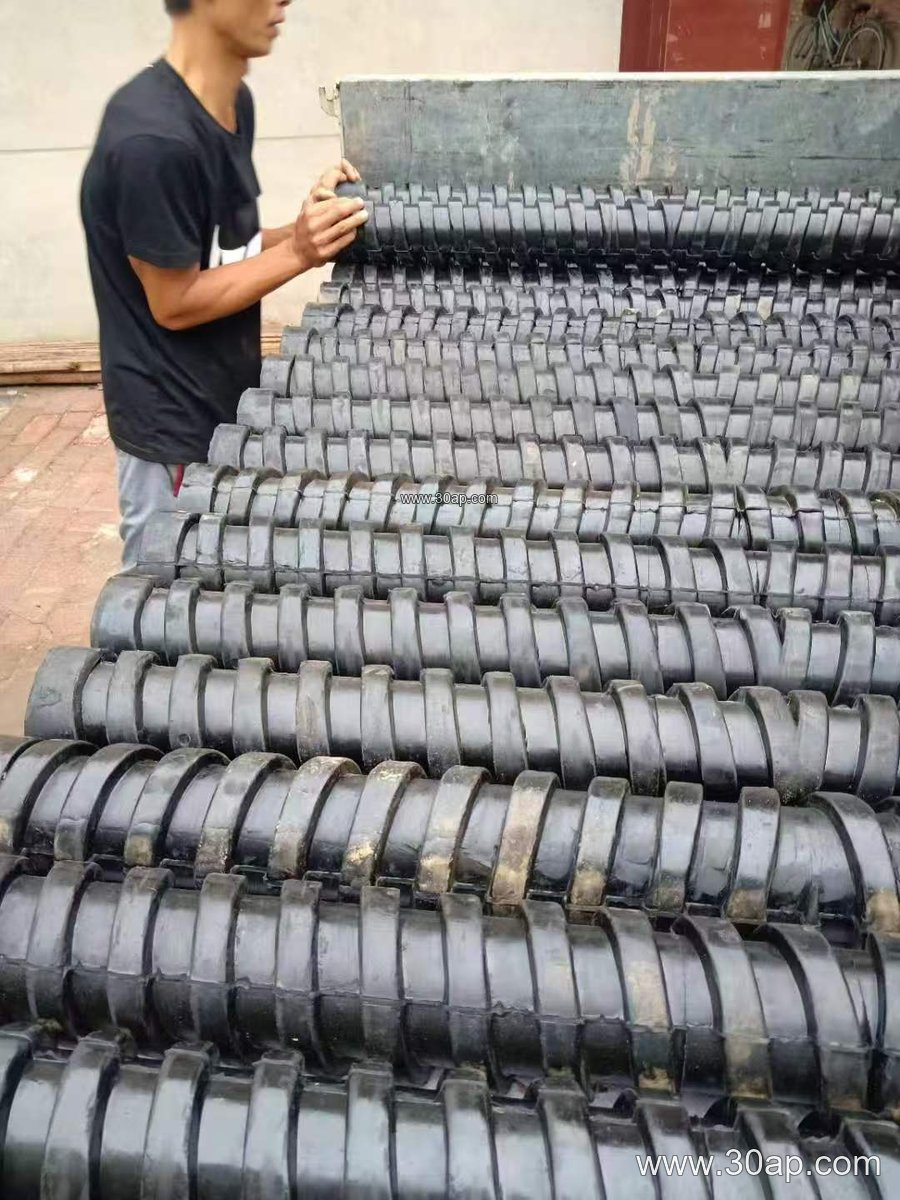
Proper integration requires careful attention to dimensions and spacing. Below is a reference layout illustrating typical bandwidth ranges and corresponding component sizing commonly referenced in design documentation:
| Bandwidth Designation | Typical Roll Diameter Options | Common Bearing Series |
|---|---|---|
| B800 | Ø108, Ø127 | 6204, 6205 |
| B1000 | Ø127, Ø159 | 6305, 6306 |
| B1200 | Ø159, Ø194 | 6306, 6308 |
Application in Industrial Processing Lines
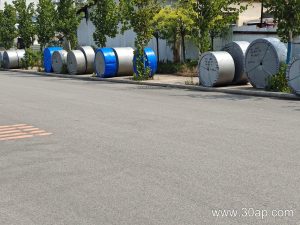
Cement production lines rely heavily on continuous bulk material transport, where an off-center EP Conveyor Belt or Steel Cord Conveyor Belt can cause significant downtime. By integrating a responsive belt tracking idler along the load-bearing run, plant operators minimize spillage and reduce friction against the conveyor pulley and side structures. Unlike drive or tail pulleys that impart motion or change direction, tracking assemblies focus entirely on geometric steering and stability. Their correct placement prevents uneven tension distribution across multi-ply or heavy-duty fabric belts, safeguarding the entire system against premature edge fraying.
Selection and Maintenance Best Practices
Choosing the correct alignment hardware requires evaluating belt speed, load weight, and environmental conditions. Maintenance personnel should periodically inspect the swivel pivot points, bearing seals, and roller surfaces for material buildup or wear. Ensuring free rotation of the sensor rolls allows the tracking unit to react instantly to minor trajectory shifts. Facilities handling abrasive raw materials benefit greatly from regular cleaning around the pivoting mechanism to prevent jamming, thereby extending the service life of both the alignment hardware and the moving belt.