What a Stone Conveyor Pulley Does
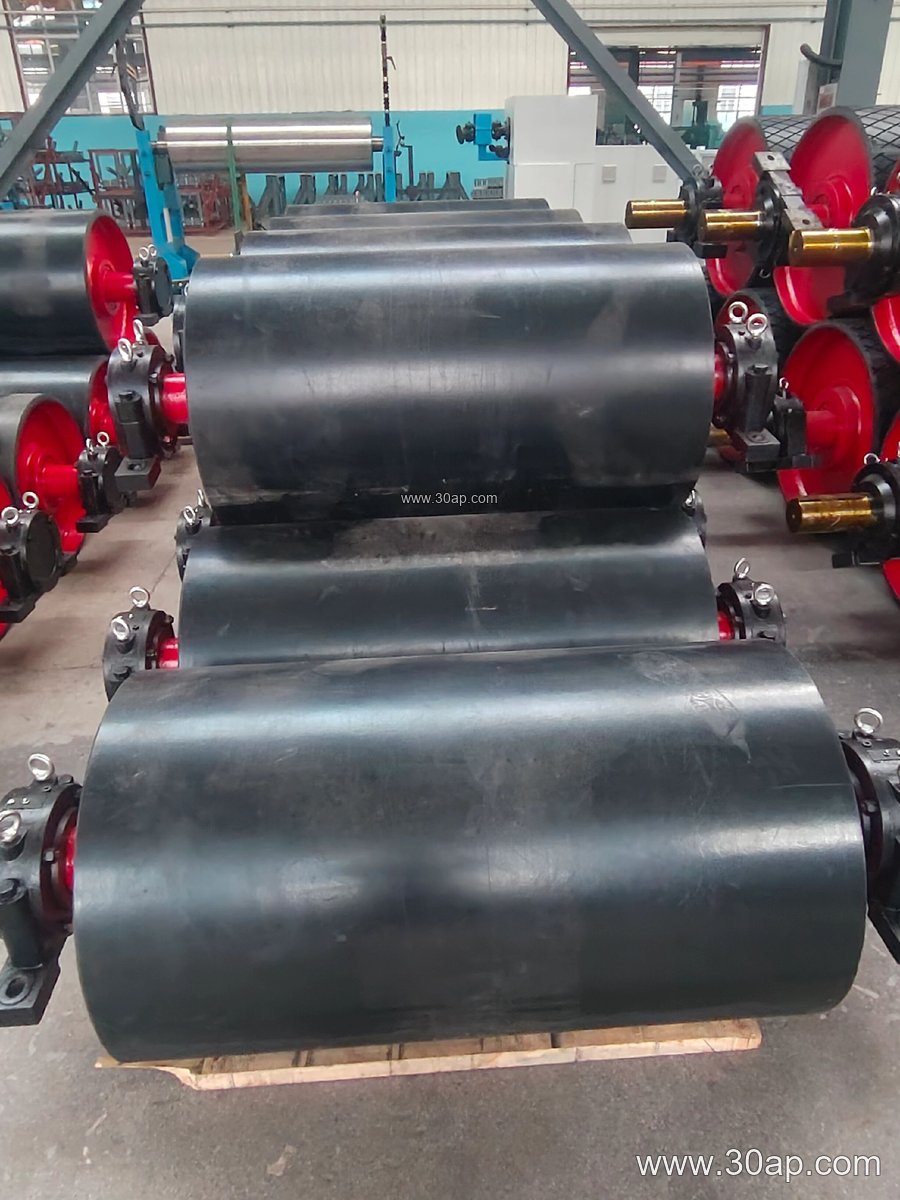
A stone conveyor pulley is the cylindrical component that drives, tensions, or redirects the belt on a stone-handling conveyor. In a quarry, aggregate plant, or crushing circuit, it is the quiet workhorse that keeps rock moving from the primary crusher to the screening deck. Unlike a simple idler roller that only supports the belt, this pulley transmits torque and maintains belt tracking under heavy loads. The same component is also known as a conveyor drum or belt pulley, and these terms refer to the same product family.
Construction and Surface Options
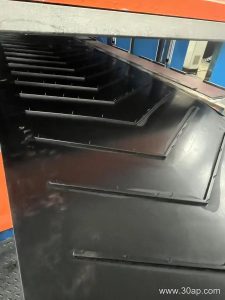
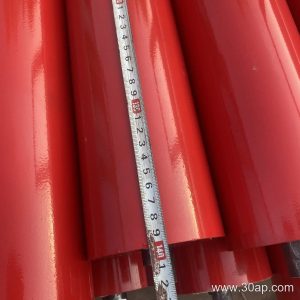
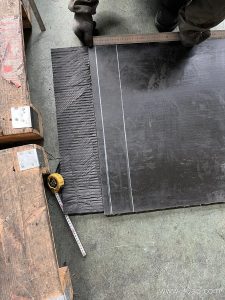
Most stone conveyor pulleys are built from a welded steel shell with shafts, hubs, and end discs. The shell surface is often left plain for tail positions, but drive pulleys usually receive lagging to improve grip. Common surface forms include plain, cast rubber, cold-bonded rubber, hot-vulcanized rubber, diamond lagging, herringbone lagging, and ceramic lagging. Lagging thickness typically ranges from 8 mm to 20 mm depending on the duty. For abrasive stone applications, a abrasion resistant conveyor belt works alongside a rubber-lagged drum to reduce slip and wear.
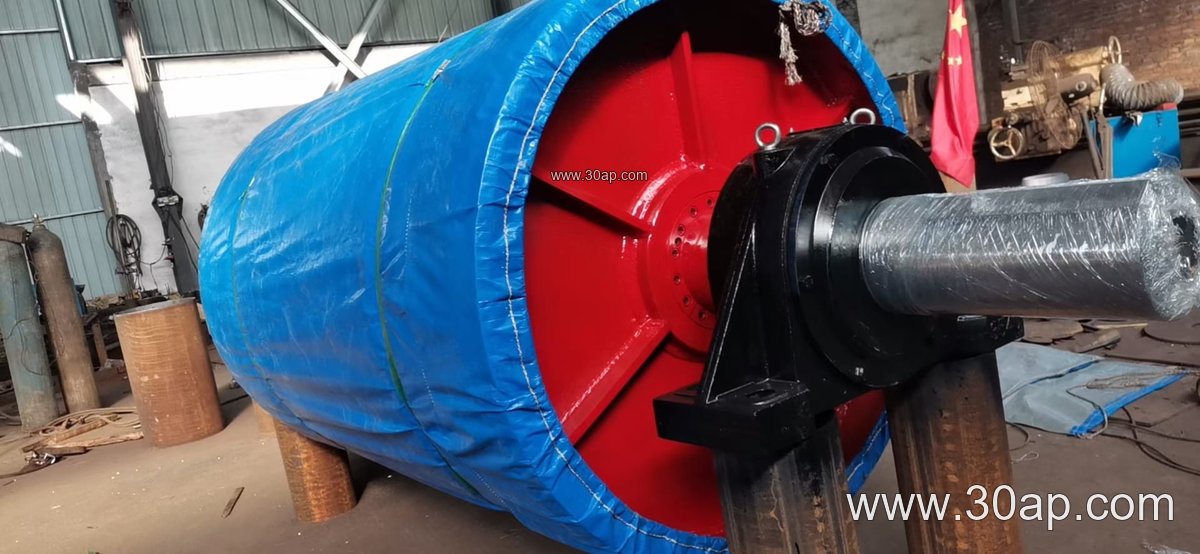
Typical Construction Data
| Parameter | Common Range |
|---|---|
| Belt width (B) | B400 to B2400 |
| Pulley diameter | Ø200 to Ø1800 |
| Shaft diameter | Ø50 to Ø200 |
| Lagging thickness | 8, 10, 12, 15, 20 mm |
Face width is usually wider than the belt itself. For example, a B800 belt commonly runs on a pulley with about 950 mm face width, and a B1200 belt on roughly 1400 mm. These are reference values, not fixed rules. Diameter is selected from belt tension, torque, and the required wrap angle, so a B1200 belt might use Ø800 or Ø1000 depending on the drive design.
Where Stone Conveyor Pulleys Are Used
In a limestone quarry or sand and gravel line, you will find drive pulleys at the head of the main incline and tail pulleys at the loading point. Bend pulleys guide the belt around take-up systems, while snub pulleys increase wrap angle on the drive. A stone conveyor pulley also appears in cement plant clinker transport, power plant coal handling, and port bulk terminals. In each case, the pulley must match the belt type, whether that is a heavy-duty EP conveyor belt or a steel cord belt for long overland runs.
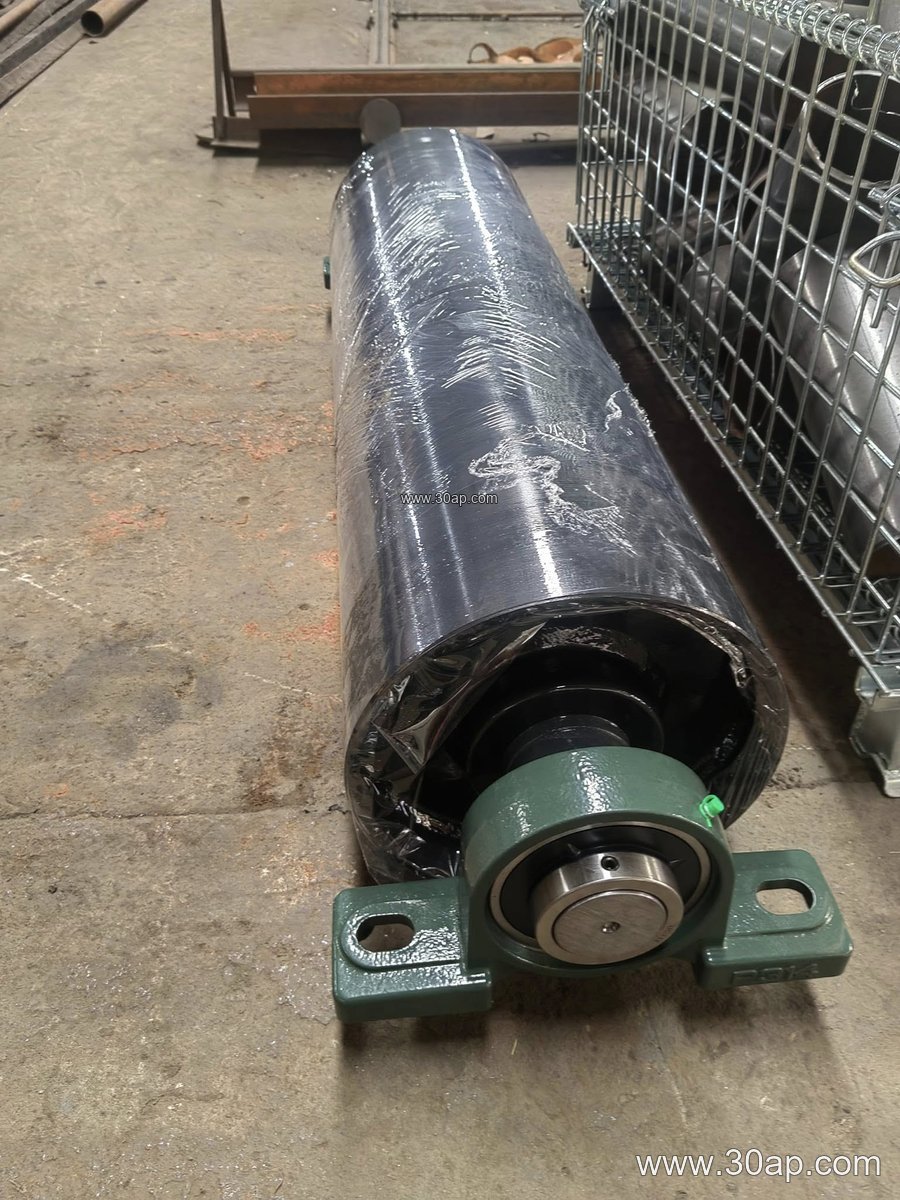
- Primary and secondary crusher discharge conveyors
- Screen feed and product belts in aggregate plants
- Stacker and reclaimer boom conveyors at ports
- Underground haulage in coal and metal mines
Matching the Pulley to the Belt
Belt construction influences pulley choice. A multi-ply fabric core belt may run on a smaller diameter than a stiff steel cord belt, but the pulley must still handle the starting torque. For high-abrasion stone, diamond or ceramic lagging helps maintain friction when dust and fines are present. In cold climates, a cold resistant conveyor belt may be paired with a pulley whose lagging remains flexible. Where fire safety is required, a flame retardant conveyor belt is used, but the pulley itself should be selected for the load, not the fire rating.
Drive, Tail, and Bend Are Not Interchangeable
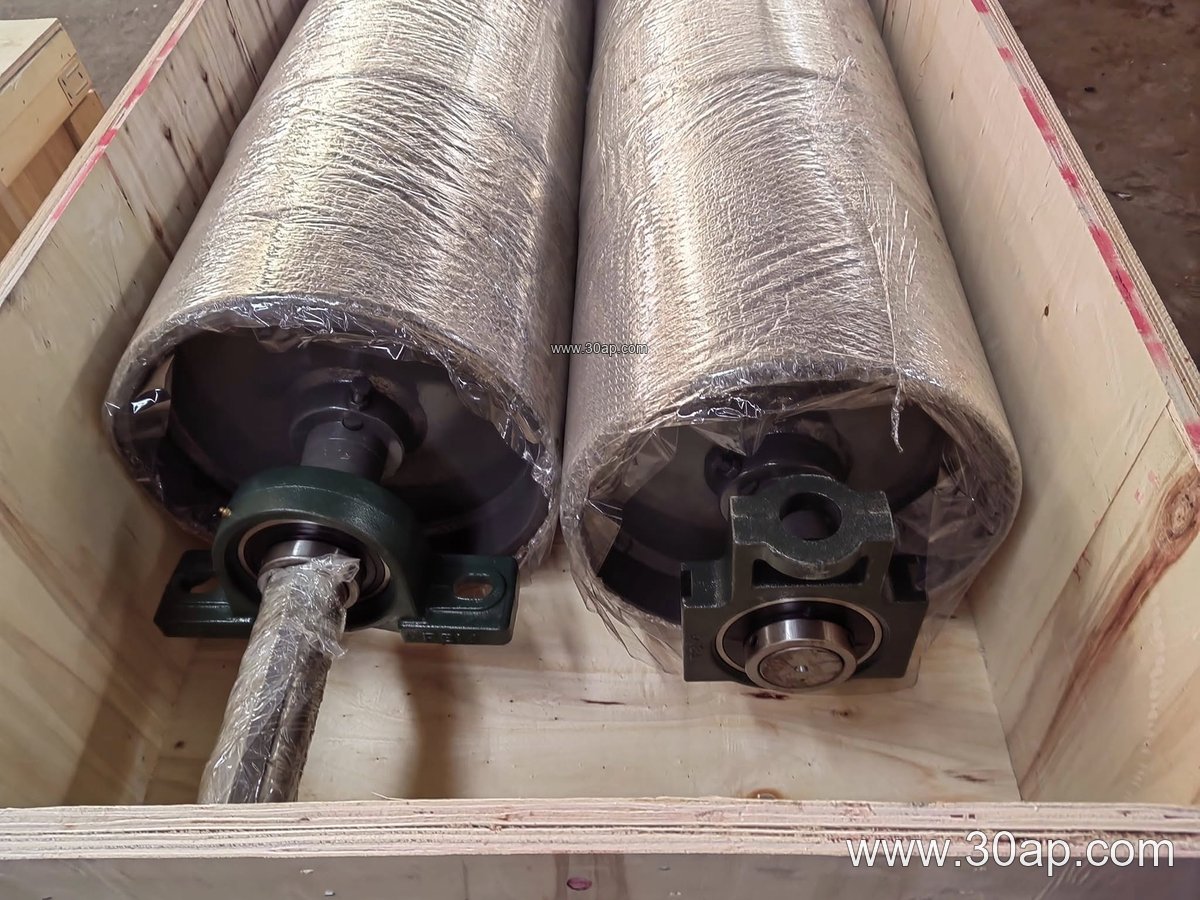
A drive pulley transmits power and usually has the largest diameter and the heaviest lagging. A tail pulley sits at the loading end and may be plain or lightly lagged. A bend pulley only changes belt direction and carries lower torque. These subtypes serve different roles and should not be swapped without a design review. The same applies to a snub pulley or take-up pulley, which have their own load cases.
Buyer Checklist
Before ordering, confirm the belt width, belt type, and maximum tension. Specify the pulley position (drive, tail, bend, take-up) and the required lagging. Provide the shaft diameter needed for the bearing and coupling, not just the belt width. Check that the pulley face width allows for belt wander, and confirm the balancing grade for high-speed drives. Ask for the shell thickness and welding details if the pulley will see impact from large rock. Finally, verify that the pulley interface matches your conveyor bracket and conveyor pulley mounting dimensions.
For a reliable stone conveyor pulley, the goal is simple: match the drum to the duty, the belt, and the environment. Whether the plant handles limestone, iron ore, or construction aggregate, the right pulley keeps the belt tracking and the stone moving.