What the ST3150 Conveyor Belt Is
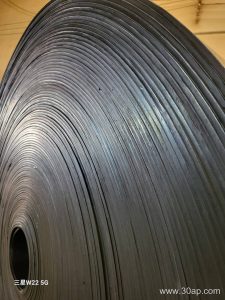
The ST3150 conveyor belt is a steel cord belt class used where a single flight has to carry heavy bulk material over long distances. The “ST” family is built around steel wire ropes running lengthwise through the rubber, and the number refers to the nominal tensile strength of the cord layer. In the ST3150 designation, that figure is commonly read as 3150 N/mm, which places it among the higher-strength steel cord grades rather than the lighter fabric-reinforced belts.
Its accurate equivalent name in day-to-day plant language is a steel cord conveyor belt of the ST3150 class. This is the same product described in two ways, not two different belts. When a project specification asks for ST3150, it is asking for a steel cord carcass with that strength class, not for a nylon or EP belt with a similar look.
How the Belt Is Built
The carcass is made from parallel steel cords embedded in a bonding rubber compound. The cords run the full length of the belt and carry the tension, while the rubber holds them in position and protects them from impact, abrasion and moisture. Top and bottom cover compounds are applied on both faces, and edge construction is controlled so the cords are not exposed.
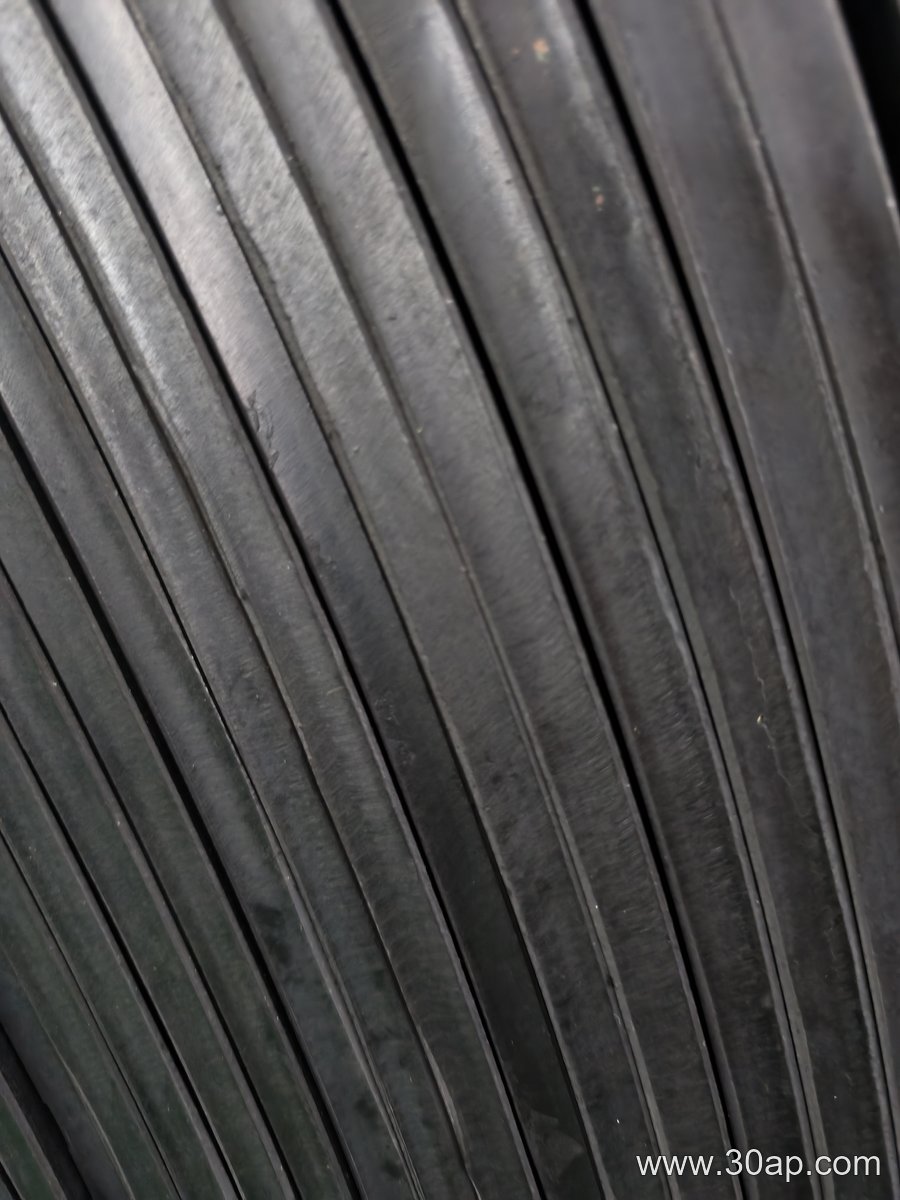
Steel cord belts of this strength are usually supplied with cover gauges such as 6+2 mm, 8+3 mm or heavier combinations, depending on the duty. Cover thickness is not a fixed match to the belt class; it is chosen from the material being carried, the lump size, the drop height and the loading conditions. A belt carrying sharp, heavy rock at a transfer point needs a different cover from one moving fine, dry material on a gentle incline.
Where It Fits in a Conveyor
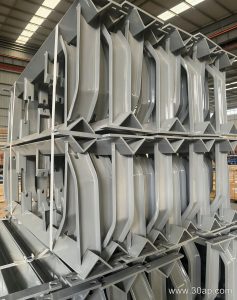
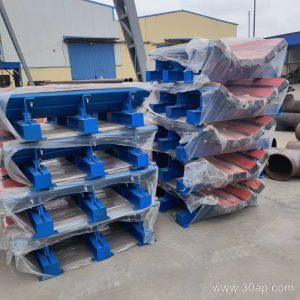
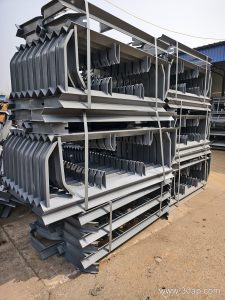
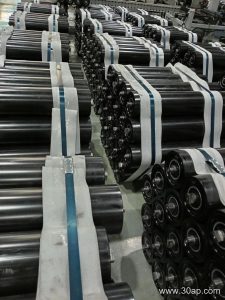
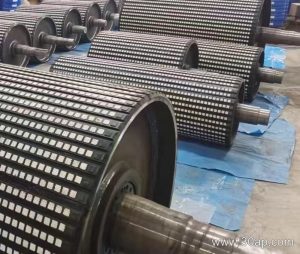
The belt itself is only one part of the system. It runs over a drive pulley that transmits the motion, a tail pulley that returns the belt, and bend pulleys or take-up pulleys that set the path and maintain tension. Idler rollers support the loaded strand along the route, and conveyor brackets hold those rollers and pulleys in alignment. The belt, pulleys and rollers have to be selected together, because a high-strength carcass can carry large tensions only if the pulley diameters, shaft sizes and take-up travel are designed for the loads involved.
A common misconception is that a given belt width determines one pulley diameter. It does not. Belt width, cord strength, cord diameter, splice type and the required wrap angle all influence the pulley size, and different conveyor designs may use different pulley diameters with the same belt width.
Typical Applications
ST3150 steel cord belts are generally found in long overland conveyors, mine-to-plant lines, large stockyard systems and heavy bulk terminals. They suit high-capacity flows of ore, coal, crushed stone, sand and similar materials where the belt must resist high tension and repeated flexing over many pulleys. In these duties the belt is often the longest single component in the system, so its splice quality and cord integrity matter as much as its rated strength.
For lighter duties, a fabric-reinforced belt such as an EP or NN type may be the more practical choice. That comparison is about matching the belt to the load, not about replacing the steel cord belt where high tension is required.
What a Buyer Should Check
- Strength class and safety factor. Confirm the required operating tension and the design safety factor before accepting any belt class. The ST3150 figure is a reference value, not a guarantee for every conveyor.
- Cover compound and gauge. Match the top and bottom covers to abrasion, impact, oil, heat or flame conditions. Cover thickness should follow the duty, not a default table.
- Belt width and edge condition. Width must suit the loading and the structure; the edges should be sealed and free from exposed cords.
- Splice method. Steel cord belts are normally spliced by vulcanization with the cords re-laid in a stepped pattern. The splice is a critical strength point and should be specified with the belt.
- Pulley and roller compatibility. Check pulley diameters, shaft sizes, idler roller spacing and conveyor bracket alignment against the belt supplier’s recommendations.
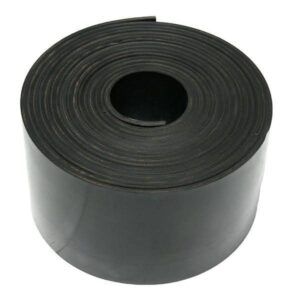
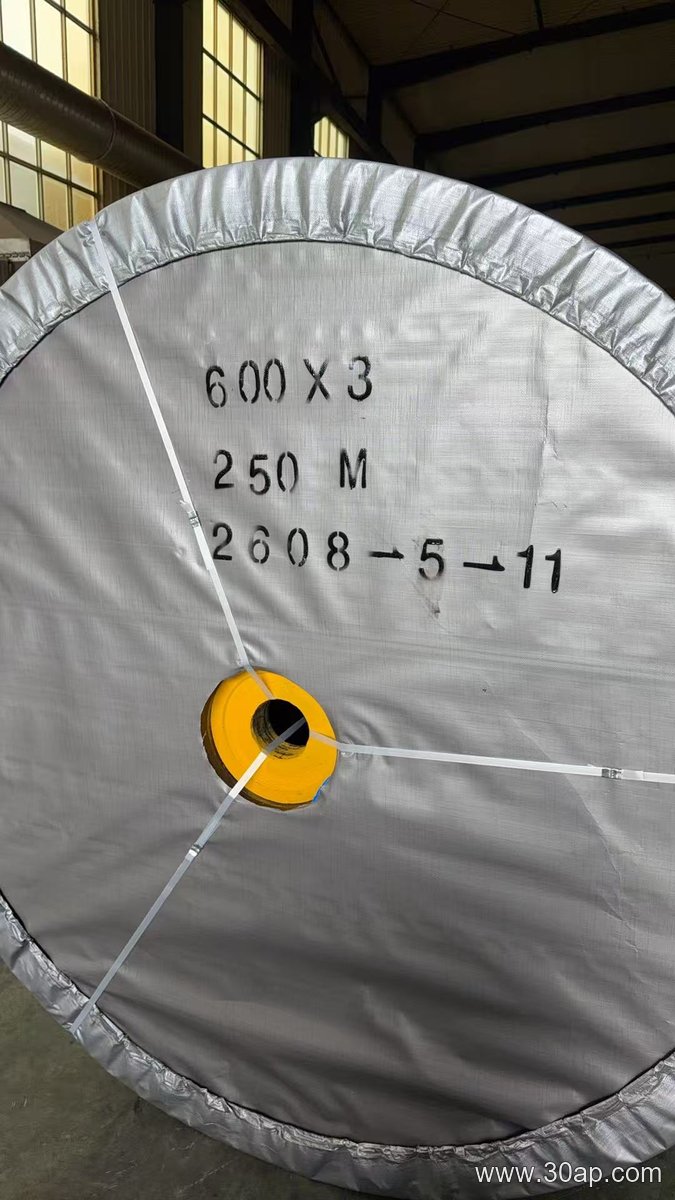
- Storage and handling. Steel cord belts are heavy and stiff. They should be stored on a suitable core, kept dry and lifted with proper equipment to avoid cord damage.
Because steel cord belt designs vary between manufacturers, the final specification should be confirmed with the belt supplier and the conveyor designer, using the actual duty, layout and environmental conditions of the installation.