Reading an Idler Roller Specification in Wet Outdoor Duty
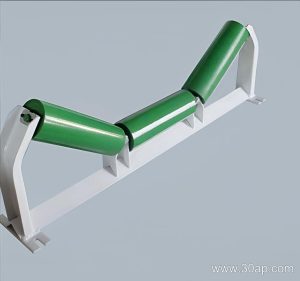
On a wet outdoor conveyor, an idler roller specification is a set of checkable fields, not a promise. Each field has a unit and a meaning you can verify against the drawing.
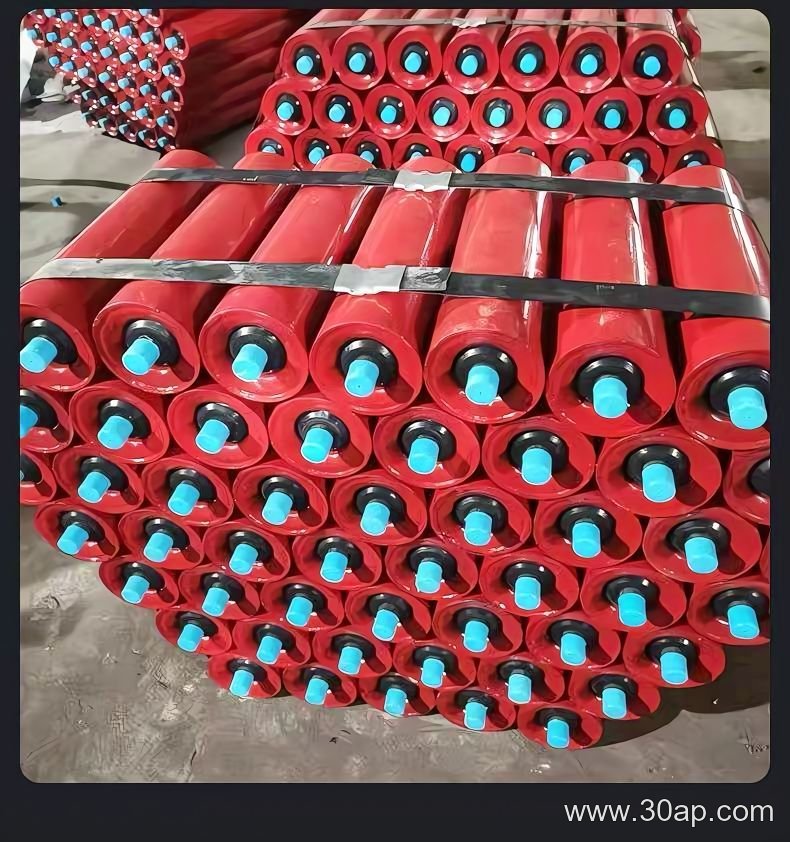
- Roller diameter (mm): shell outside diameter; sets belt contact and load capacity per station.
- Face length (mm): usable shell length between end caps; must exceed belt width plus edge clearance.
- Shaft diameter and length (mm): mounting fit at the bracket; check thread or flat details.
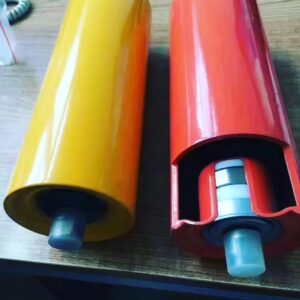
- Bearing type and size: bore and series; sealed or shielded affects water ingress, not load rating alone.
- Balance grade: allowable residual unbalance at a stated speed.
- Seal and lubrication: labyrinth or contact seal; grease type and fill are spec fields.
How to Read the Units Without Guessing
Treat every number as a limit, not a target. Diameter and face length define geometry. Radial load capacity is often given in newtons or kilonewtons at a stated speed and life; if the basis is missing, ask for it rather than assuming a rating. Speed in rpm and operating temperature range in °C bound the seal and grease choice. On a wet outdoor conveyor, verify ingress protection and drain paths, because water sitting in the bearing cavity shortens an idler roller’s life regardless of load.
How Does Welding and Machining a Conveyor Pulley Affect Its Performance in a Mineral Processing Plant
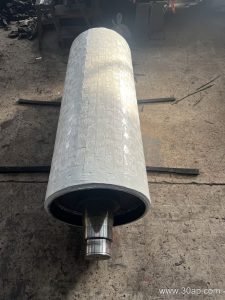
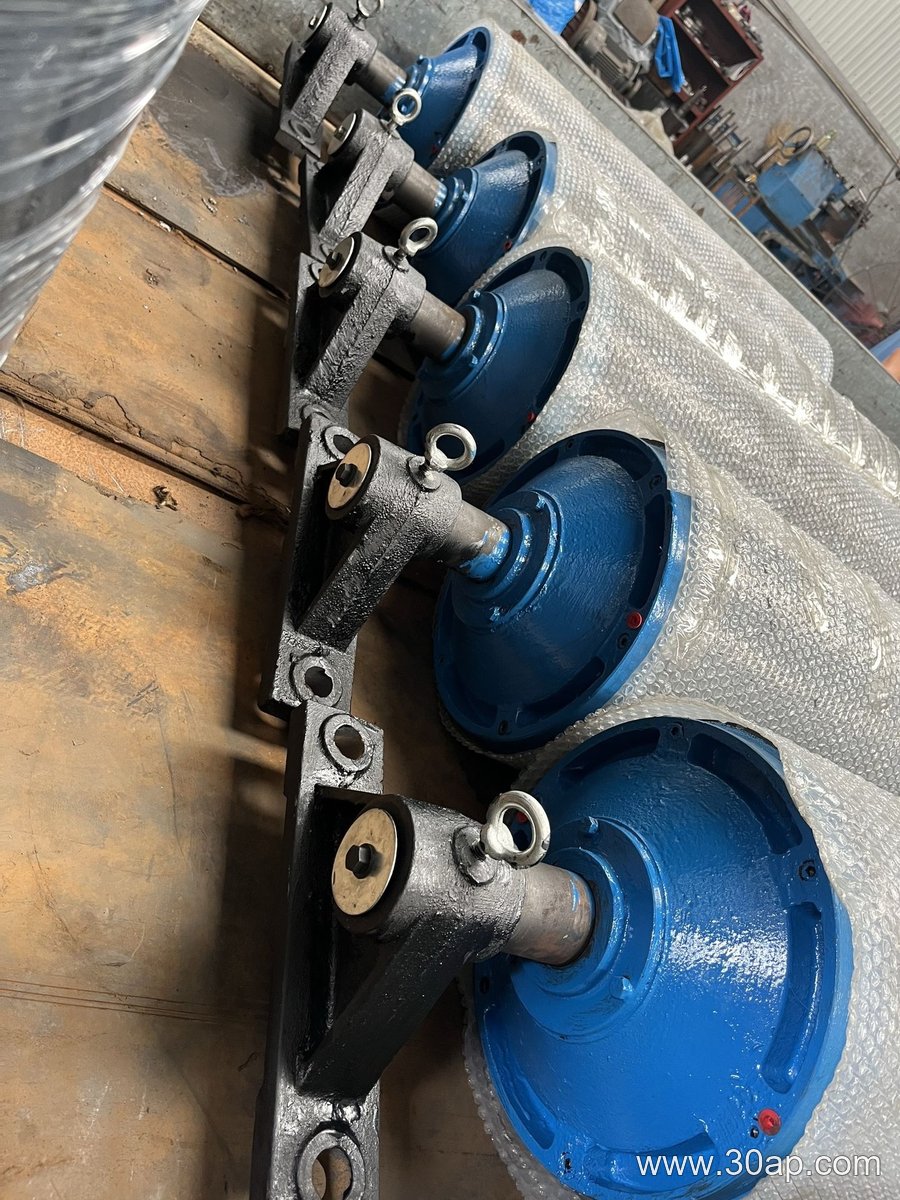
In a mineral processing plant, a conveyor pulley must endure abrasive dust, heavy loads, and continuous operation. The manufacturing process—specifically welding and machining—directly determines its durability and alignment. Poor welds can crack under cyclic stress, while imprecise machining leads to runout, causing belt mistracking and premature wear.
Welding Stage and Its Quality Effects
Welding joins the shell, hubs, and shaft. The process must control heat input to avoid distortion. Submerged arc welding is common for long seams, producing deep penetration and smooth beads. After welding, stress relief may be required to prevent brittle fracture in high-tension zones. In a mineral processing plant, a poorly welded conveyor pulley can fail suddenly, halting production.
Machining Stage and Precision Requirements
Machining ensures the pulley’s concentricity and surface finish. The shell diameter, face width, and shaft ends are turned to tight tolerances. For a conveyor pulley, total indicated runout (TIR) should be minimal—often less than 0.5 mm for smooth operation. This step also prepares the surface for lagging. In dusty environments, an unbalanced pulley accelerates bearing wear.
Combined Impact on Finished Quality
The synergy of welding and machining defines the conveyor pulley’s reliability. A well-welded but poorly machined pulley may vibrate; a precisely machined but weakly welded pulley may crack. In a mineral processing plant, both stages must meet engineering specifications. Inspections after each stage—visual, dimensional, and non-destructive—help catch defects early.
- Welding: controls strength and fatigue resistance.
- Machining: controls balance, alignment, and belt tracking.
- Together: determine service life in abrasive conditions.
What Makes Abrasive Dust the Real Test for a Conveyor Bracket
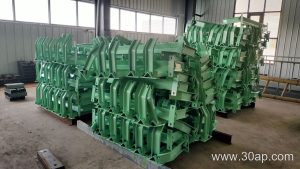
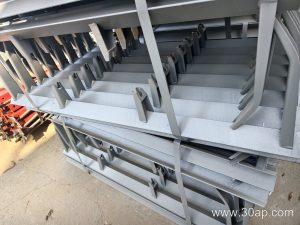
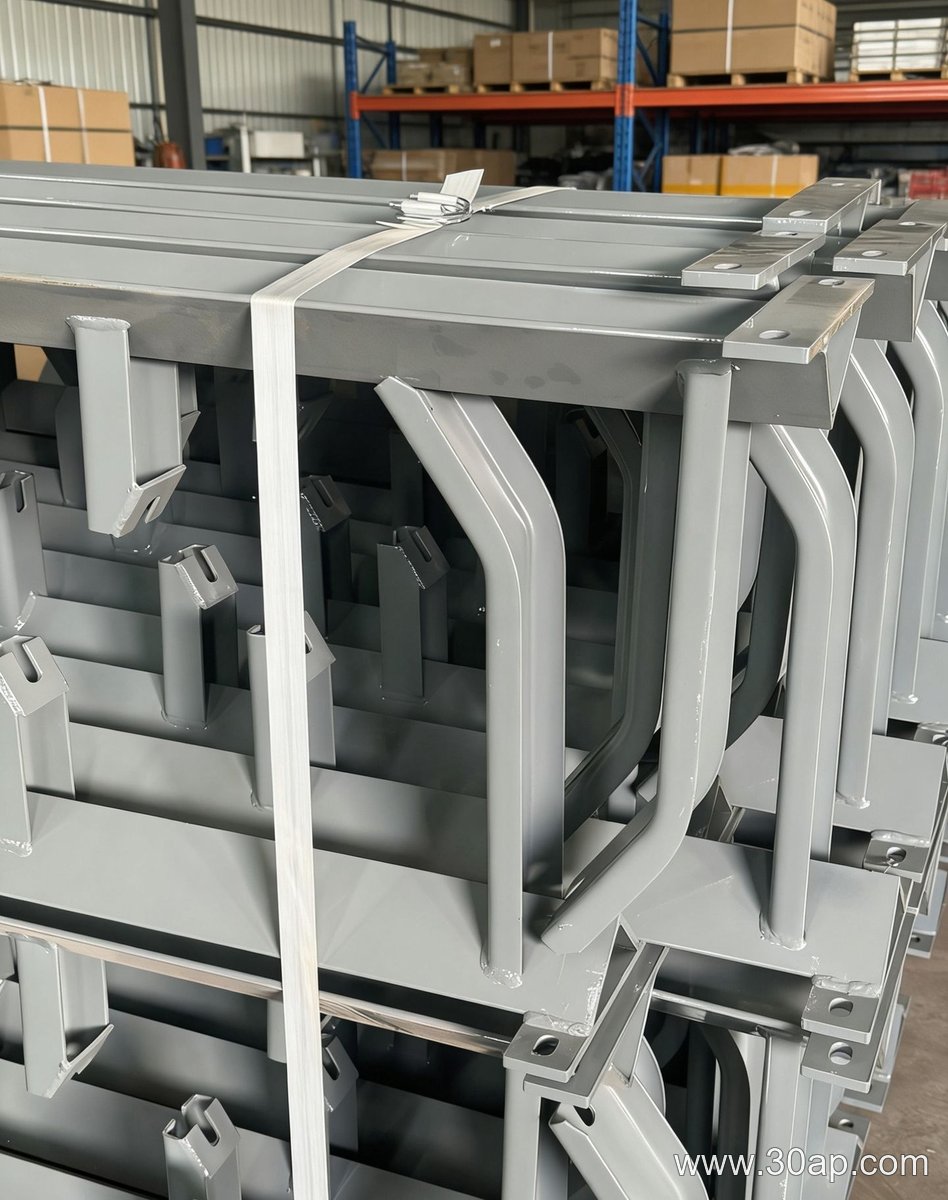
At a bulk port terminal, a conveyor bracket rarely fails from belt load alone. The decisive capability is abrasion resistance: the bracket must keep its mounting faces and idler seat intact while coal, ore, or aggregate dust grinds across it. Hardfaced wear strips, thicker base plates, and protected edges preserve alignment far longer than a painted mild-steel bracket.
Checks Before You Specify
- Confirm dust particle size and moisture; wet fines cling and abrade more aggressively.
- Verify that the bracket’s load path keeps fasteners out of the direct wear zone.
- Compare replaceable wear liners against a single sacrificial plate.
Replaceable liners cost more upfront but keep the structural conveyor bracket reusable after the wear layer is consumed.
Conveyor Belt Material Choices for Dry Clinker
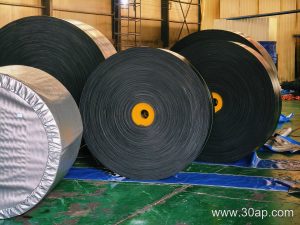
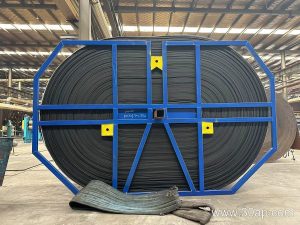
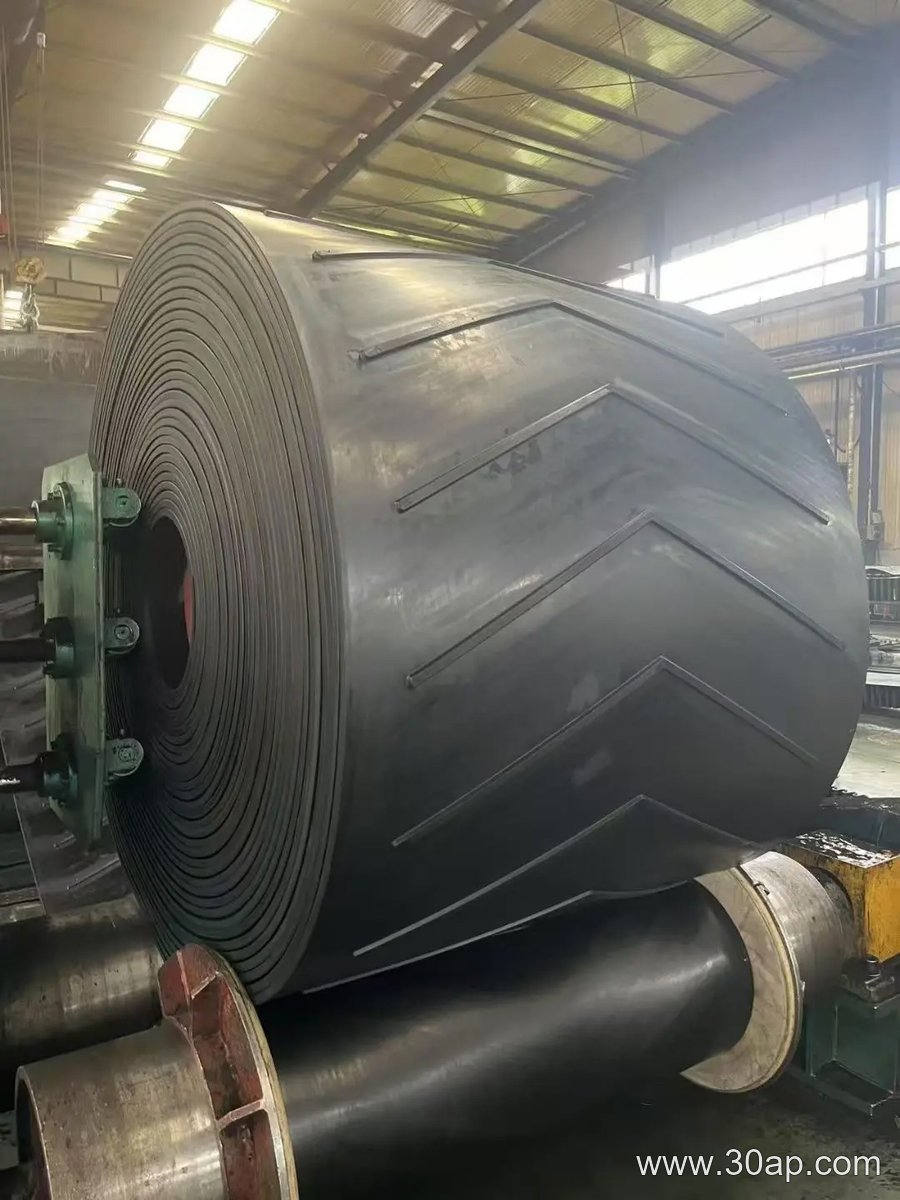
In a cement plant, a conveyor belt moving dry clinker faces abrasion and heat. The cover compound and carcass must balance wear life, heat tolerance, and cost. Here are the key trade-offs.
Cover Rubber Options
- Natural rubber (NR): Excellent abrasion resistance, moderate heat limit. Best for abrasive clinker below 80°C.
- Styrene-butadiene rubber (SBR): Lower cost, good abrasion, but poorer heat aging. Suitable for lower-temperature zones.
- EPDM: Superior heat and weather resistance, but lower tear strength and higher cost. Use where clinker exceeds 100°C.
Carcass Construction
Textile plies (EP or NN) offer flexibility and impact resistance. Steel cord provides high tensile strength for long hauls but is less tolerant of sharp impact. Choose textile for short transfers with lumps; steel cord for long overland runs.
Trade-offs
Heat-resistant covers cost more but prevent premature hardening. Abrasion-resistant compounds last longer but may not handle heat. Assess actual clinker temperature and lump size before specifying.