What the PVG800S Conveyor Belt Is
The PVG800S Conveyor Belt is a solid-woven, PVC-based belt with a polyvinyl chloride cover and an 800S-grade strength class, typically used where flame resistance and moderate tensile strength are both needed. In practice, buyers will also see this product described as an 800S PVG conveyor belt or a solid woven PVG belt. It belongs to the same family as the broader PVG conveyor belt range, but the 800S designation keeps it in a specific strength class rather than a general-purpose PVC belt.
Unlike a multi-ply fabric core construction, the PVG800S uses a solid woven carcass impregnated and covered with PVC. That construction gives a relatively thin, flexible belt that resists edge fraying and works well around smaller pulleys in underground layouts. It is often compared with an EP conveyor belt or NN conveyor belt, but those are layered fabric constructions; the PVG800S is not a replacement name for them, and each type suits different tension and elongation requirements.
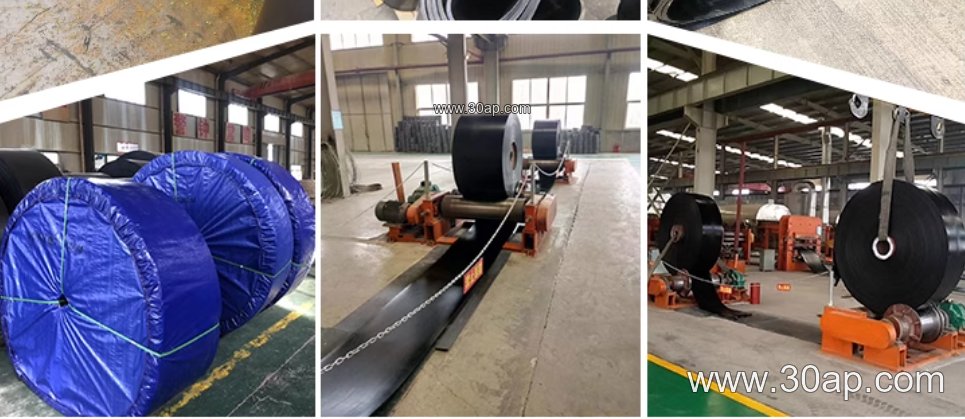
Construction and Surface Options
A typical PVG800S belt combines an 800S solid woven carcass with PVC covers. Common cover thicknesses fall in the 2+1 mm to 4+2 mm range, depending on the duty and the manufacturer. The belt is usually supplied in widths from 650 mm to 1400 mm, and wider or narrower widths should be confirmed with the supplier.
- Carcass: solid woven, PVC-impregnated
- Cover: PVC, flame retardant grades available
- Strength class: 800S, typically around 800 N/mm tensile strength
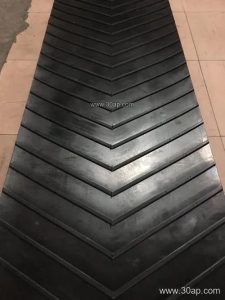
- Surface forms: smooth, chevron, or with molded edges
- Widths: commonly 650, 800, 1000, 1200 and 1400 mm
For comparison, an abrasion resistant conveyor belt or a heat resistant conveyor belt may be preferred when the load is hot or highly abrasive, while the PVG800S is generally chosen for flame-retardant underground service and general bulk material handling. Surface options such as a chevron conveyor belt profile or a corrugated sidewall conveyor belt are separate designs and should not be treated as the same belt.
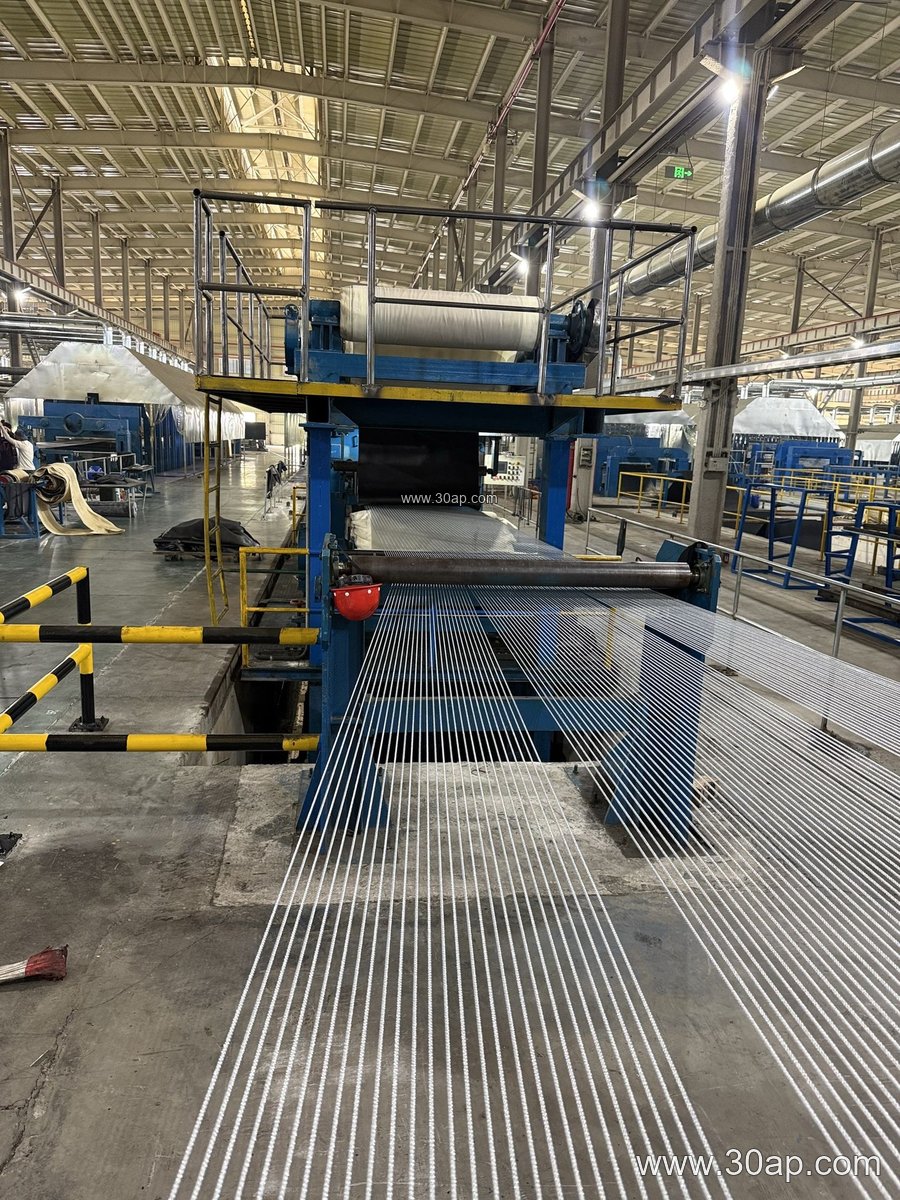
Where It Fits in the Plant
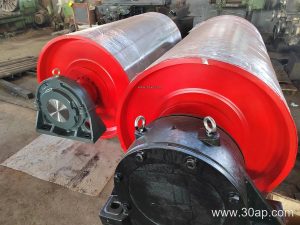
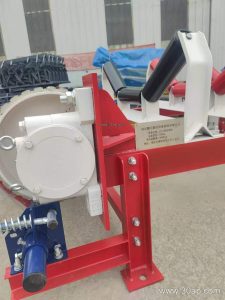
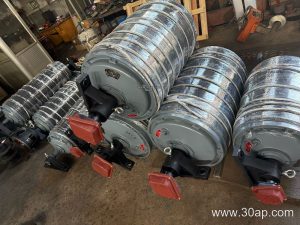
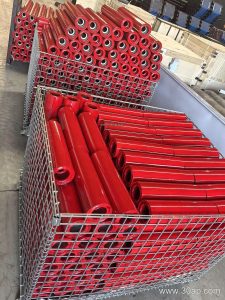
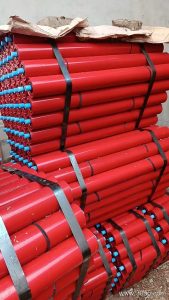
This belt is common in coal mining conveyor systems, underground mining conveyor lines, and tunnel or bunker discharge belts. It also appears in cement plants, power plant coal handling, and some quarry conveyor and aggregate conveyor duty where flame resistance is specified. In these layouts the belt runs over conveyor pulleys, idler rollers, and conveyor brackets that must be matched to the belt width and load.
Because the carcass is solid woven, the PVG800S can handle impact at transfer points reasonably well, and it tolerates the moisture and dust found in underground coal mining conveyor service. It is less suited to very long, high-tension haulage where a steel cord conveyor belt or a high-strength EP conveyor belt would normally be considered.
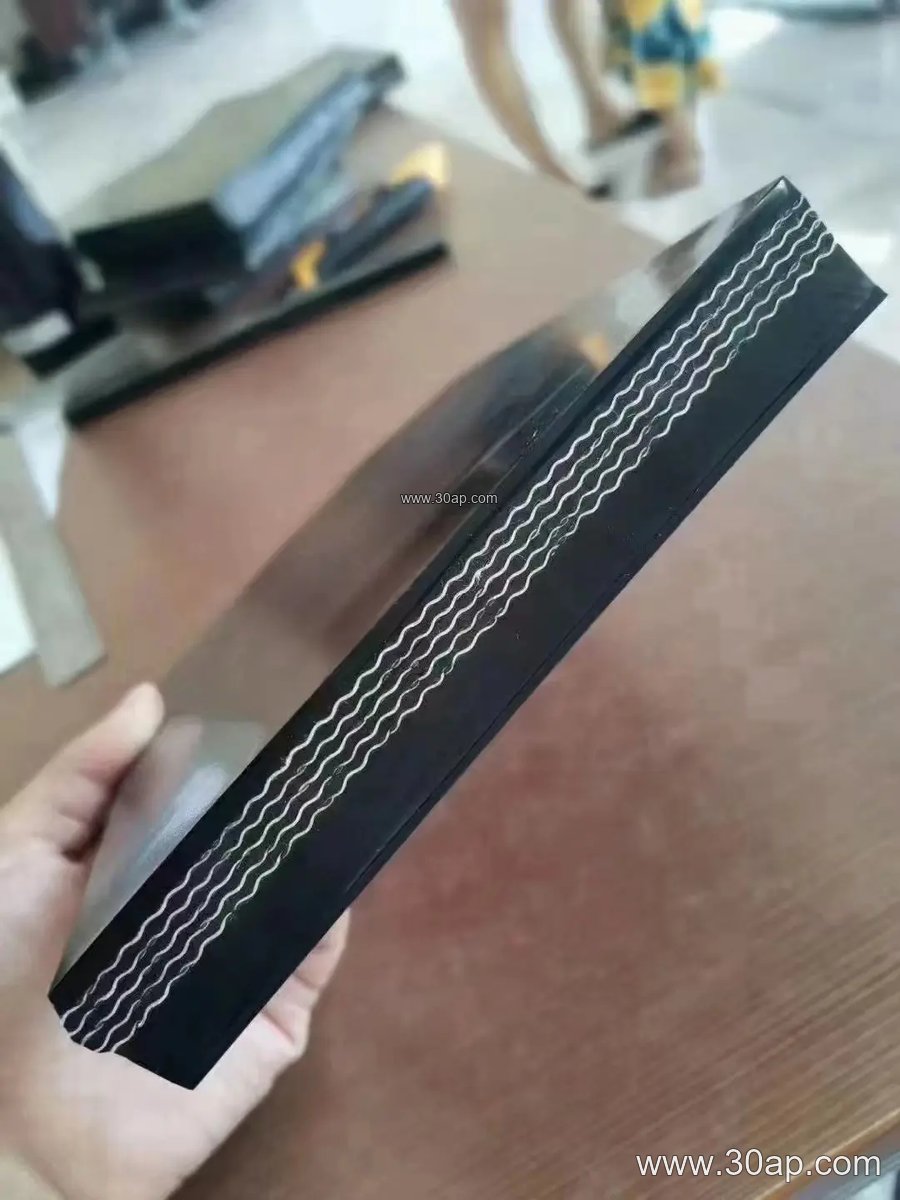
Selection Points for Buyers
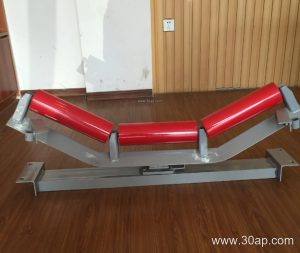
When specifying the PVG800S Conveyor Belt, confirm the actual tensile class, cover thickness, belt width, and flame-retardant standard required at the site. Check the drive pulley, tail pulley, and bend pulley diameters against the belt manufacturer’s minimum recommendations; a wider belt does not automatically mean a larger pulley, and shaft size should come from the pulley design, not from belt width alone. Also confirm troughing idler roller angles and spacing, and ensure the conveyor bracket and frame suit the belt load.
| Parameter | Typical Reference |
|---|---|
| Strength class | 800S |
| Belt width | 650–1400 mm common; wider on request |
| Cover thickness | 2+1 mm to 4+2 mm |
| Carcass | Solid woven, PVC impregnated |
| Surface | Smooth or chevron profile |
| Service | Flame-retardant underground and bulk handling |
For replacement planning, keep a spare length and record the belt’s actual thickness and width so the new PVG800S matches the existing pulleys and idlers. Buyers comparing a PVC conveyor belt with a PVG800S should note that the PVG grade usually carries a higher strength class and flame-retardant construction, while a standard PVC belt may be lighter duty.
Finally, confirm the belt’s splice method, since solid woven belts are often spliced with mechanical fasteners or vulcanized steps. Matching the splice to the pulley size and the load keeps the belt running straight and reduces edge damage in coal, cement, and power plant service.