What the ST3150 Conveyor Belt Is
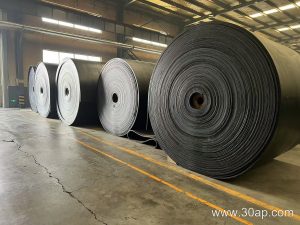
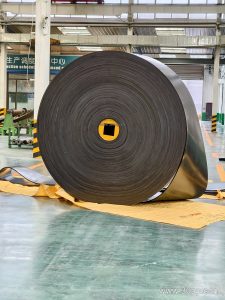
The ST3150 Conveyor Belt is a steel cord conveyor belt with a nominal tensile strength of 3150 N/mm per unit width. It belongs to the top end of the Steel Cord Conveyor Belt family, above ST2500 and well above fabric-reinforced constructions such as EP or NN belts. In practice, this belt is chosen when a single flight must carry a very large tonnage over a long distance without intermediate transfer points. You will meet it in mine haulage drifts, long overland lines from the pit to the stockyard, main trunk conveyors at cement plants, coal handling systems at power stations, and heavy-duty quarry and port installations.
Because the strength is carried by steel cords rather than fabric plies, the belt can be relatively thin for its rating. That keeps the belt weight and bending resistance manageable on large pulleys, and it allows wider spacing between idler roller stations than a comparable multi-ply fabric belt would tolerate.
How the Belt Is Built
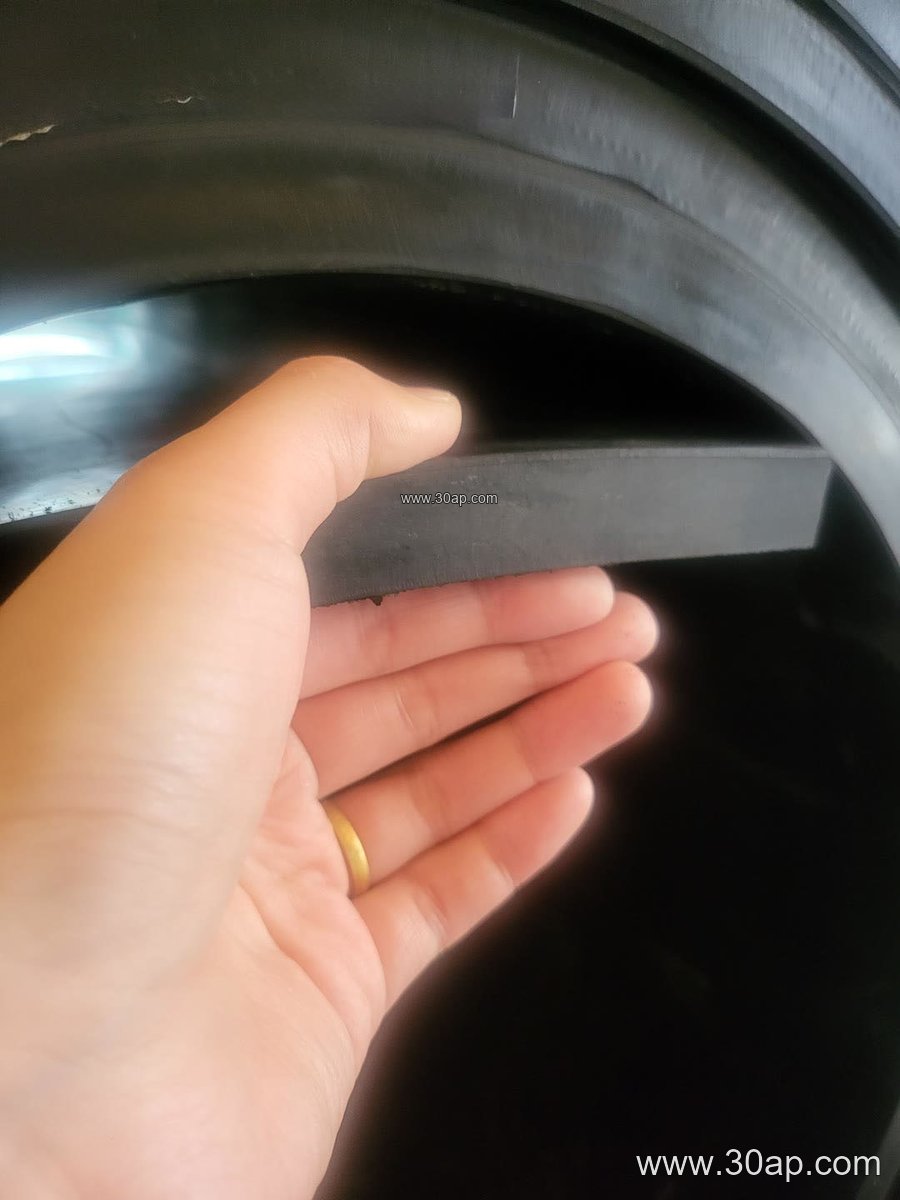
The carcass consists of parallel steel cords embedded in a rubber core compound. Cords run longitudinally, spaced closely and uniformly, and are bonded to the surrounding rubber during vulcanization. Top and bottom cover rubber protects the carcass from abrasion, impact and moisture. The cover grade is selected for the duty: abrasion resistant rubber for ore and aggregate, heat resistant grades for clinker and sinter, flame retardant grades for underground coal mining, and oil resistant compounds where lubricants or oily cargo are present.
Edge construction matters on a belt of this class. The outer cords are set back from the edge, and the edge rubber is formed to resist fraying and water ingress. A poorly finished edge on a high-tension belt can shorten service life far more than cover wear does.
Typical Construction Data
The figures below are common reference values. Actual belt design, cover thickness and cord pitch are set by the belt maker and the conveyor designer, and they vary between suppliers and between projects.
| Property | Common reference range |
|---|---|
| Nominal strength | ST3150 (3150 N/mm) |
| Belt width | B800, B1000, B1200, B1400, B1600, B1800, B2000 |
| Cover thickness, top + bottom | 6+2 mm, 8+3 mm and heavier |
| Cover grades | Abrasion resistant, heat resistant, flame retardant, oil resistant, cold resistant, anti-static |
| Belt weight | Depends on width and cover; confirmed per drawing |
| Pulley diameter | Matched to cord diameter and belt tension by the designer |
No single belt width dictates one pulley diameter, and shaft size is never derived from belt width alone. Drive pulley, tail pulley and bend pulley are separate items, each sized from its own load case.
Where It Fits in a Conveyor
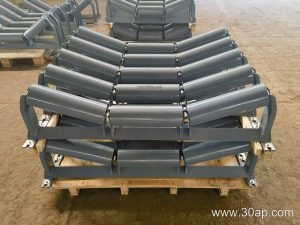
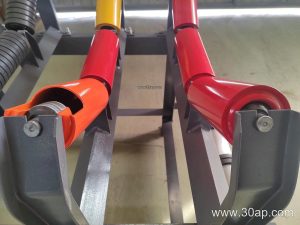
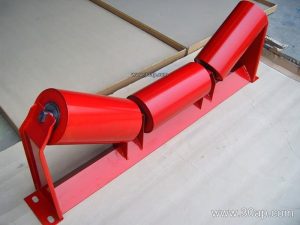
A belt of this rating usually runs on a heavy frame with closely spaced idler roller sets in the loading zone and wider spacing on the carry side. The conveyor pulley faces are lagged to keep friction predictable, and the conveyor bracket and take-up arrangement must allow the belt to be tensioned and re-spliced. Splices are typically vulcanized, and a splice on ST3150 needs the correct cord arrangement and cure time, so site conditions and splicing skill should be checked before installation.
Selection Points for Buyers
- Confirm the calculated maximum belt tension, not just the tonnage. The strength class must cover the peak tension with a sensible safety factor agreed with the conveyor designer.
- State the material: lump size, temperature, moisture, oil content and abrasiveness. These decide the cover grade and thickness.
- Check whether the duty requires a Flame Retardant Conveyor Belt grade, for example in underground coal mining, or a heat resistant compound for cement and steel plant service.
- Give the pulley diameters and the trough angle so the belt maker can confirm cord pitch and transverse rigidity.
- Ask for the splice method and the recommended cover thickness for the loading point; impact rips are a common cause of early failure.
For comparison, an EP or NN fabric belt is easier to splice and often cheaper at moderate tensions, but it becomes impractical at the tension levels ST3150 is designed to carry. The steel cord construction is not a replacement for a fabric belt in every duty; it is the right answer when the duty demands it.
Handling and Maintenance
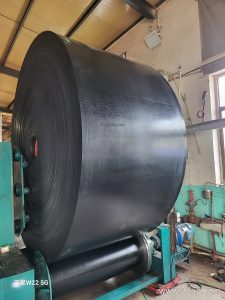
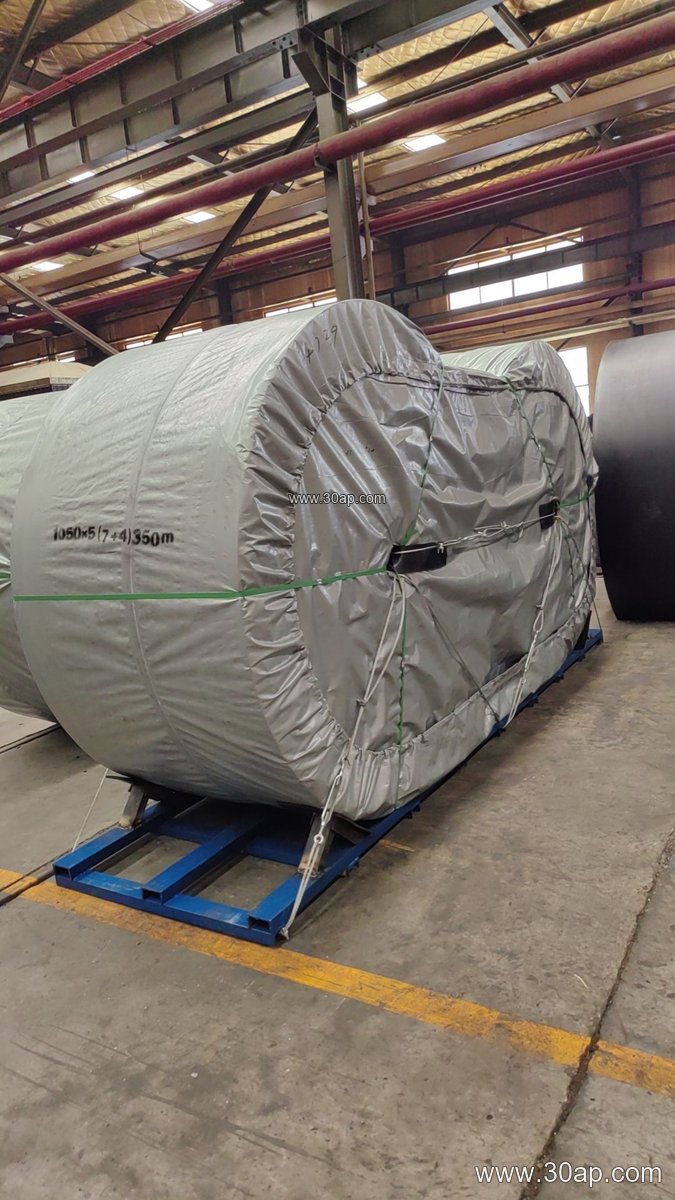
Store the roll on a flat surface, keep it dry and out of direct sun, and avoid sharp bends during lifting. In service, watch the loading point for cover gouges, check the edge for cord exposure, and inspect the splice at each shutdown. Misalignment often shows first as uneven wear near the edges, which points to idler or pulley alignment rather than the belt itself. Tracking corrections should be made on the conveyor pulley and idler frames, not by over-tensioning the belt.
With the right cover grade, correct pulley sizing and a sound splice, an ST3150 Conveyor Belt can serve long, high-tonnage lines in mining, cement, power and port operations where shorter, lower-rated belts would need extra transfer stations.