What a Conveyor Equipment Pulley Does
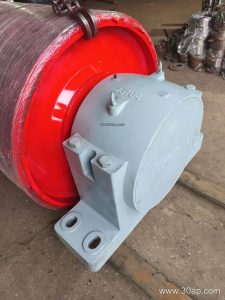
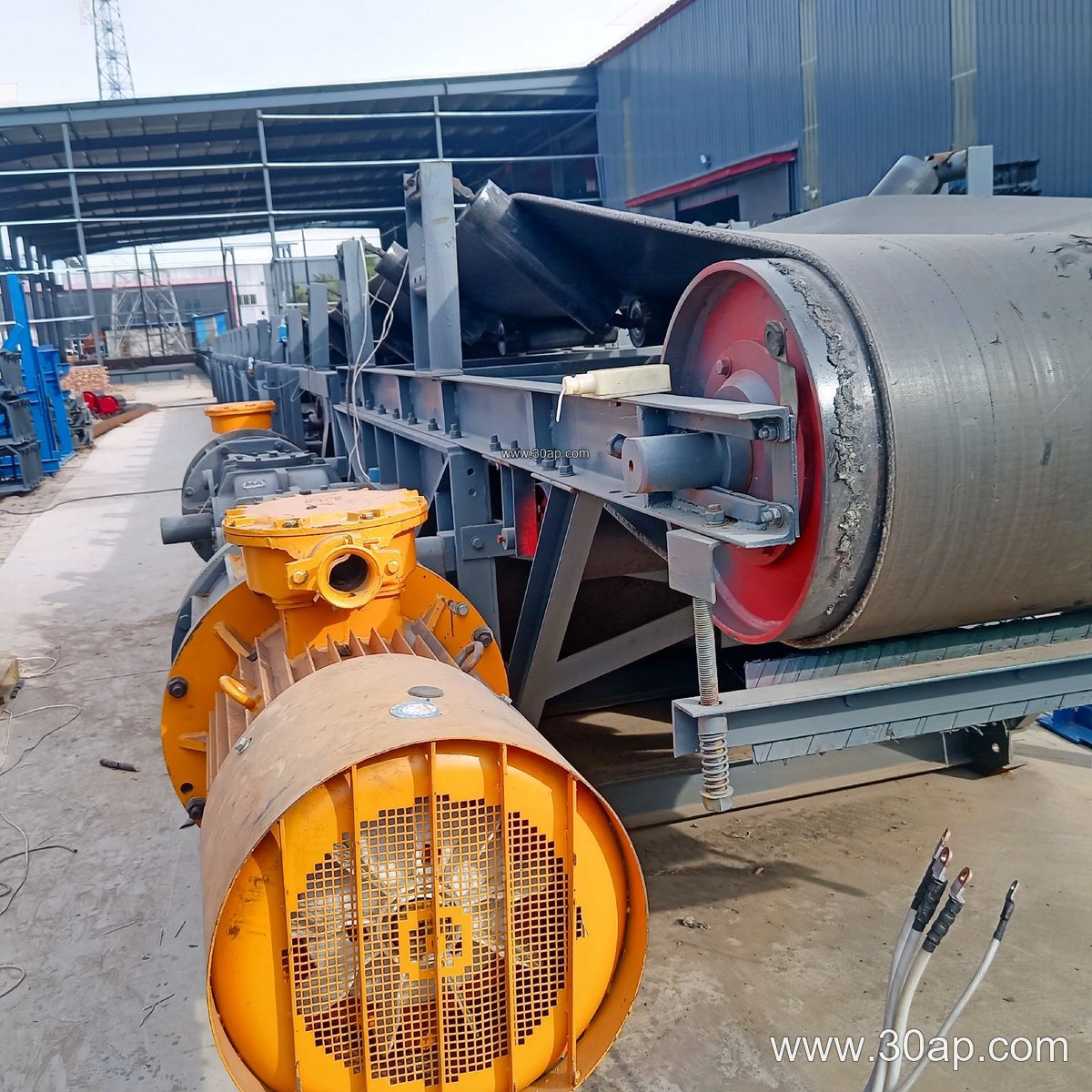
A conveyor equipment pulley is the rotating drum that transmits motion to the belt and sets its path. In a typical bulk handling line, the drive pulley pulls the belt, the tail pulley returns it, and bend or snub pulleys guide it around curves and tensioning zones. Although often called a drum, it is a complete assembly with shell, shaft, bearings, and lagging. Proper selection keeps the belt tracking straight and reduces wear on the conveyor belt and idler roller set.
Construction and Surface Options
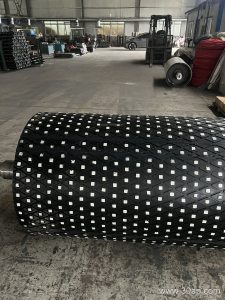
Most pulleys use a welded steel shell with machined end discs and a through shaft. The shaft diameter is determined by torque and load, not by belt width alone—common shaft sizes range from Ø50 to Ø200 mm. Lagging protects the shell and improves grip. Plain, cast rubber, cold-bonded rubber, hot-vulcanized rubber, diamond, herringbone, ceramic, and flat rubber are common surface forms. Lagging thickness is often 8, 10, 12, 15, or 20 mm. For abrasive stone or ore, a ceramic or diamond lagging can extend service life. In coal mining and underground coal mining, flame retardant conveyor belt and anti-static properties matter, and the pulley lagging should be compatible with those safety requirements.
Where It Fits in the System
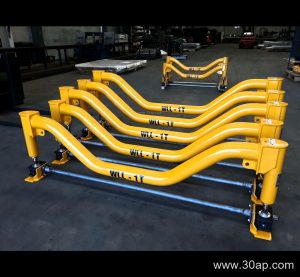
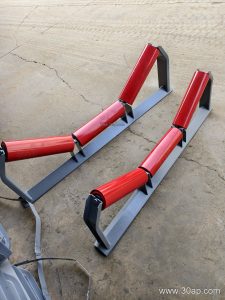
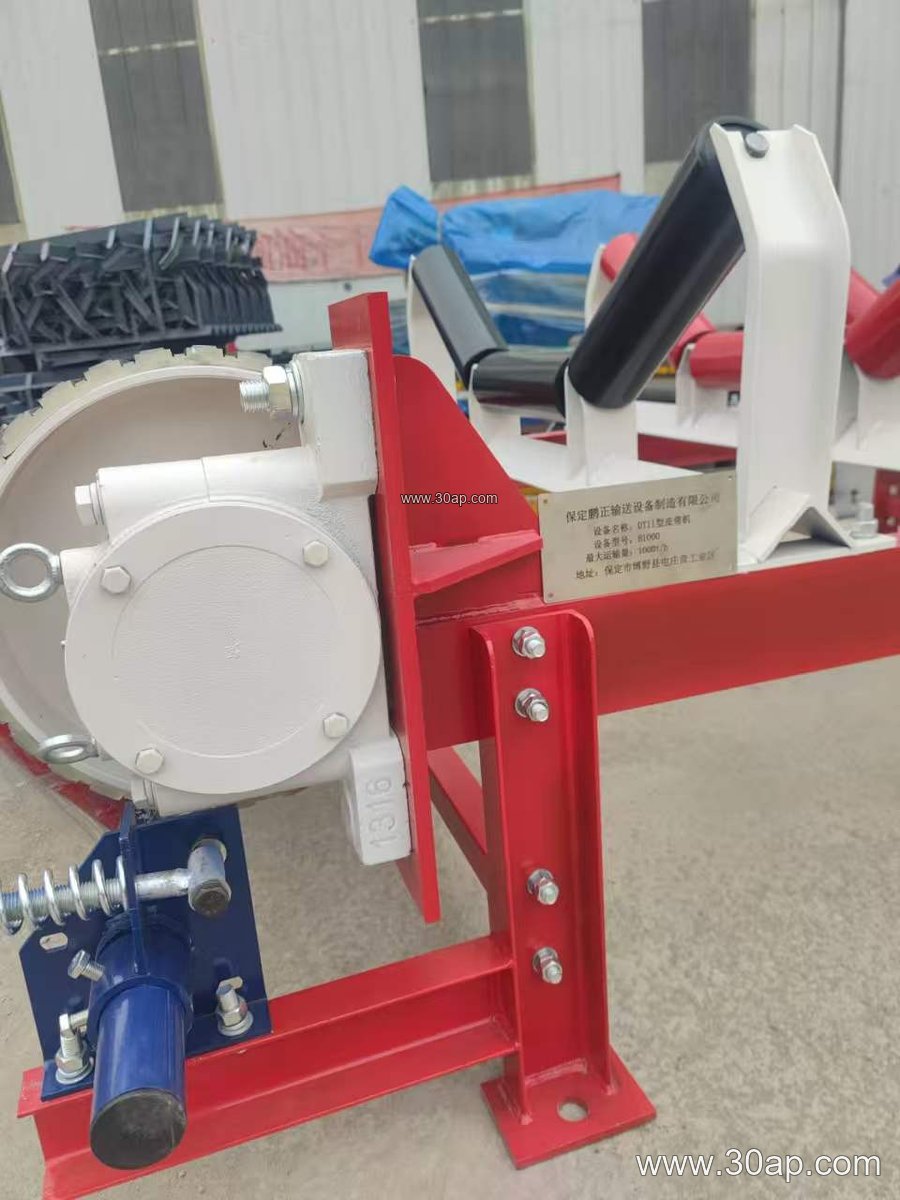
Drive pulleys sit at the head of a conveyor, often on a conveyor bracket that allows tension adjustment. Tail pulleys at the feed end redirect the belt. Bend and snub pulleys increase wrap angle around the drive or guide the belt through a take-up. In a quarry conveyor belt line, a B800 × Ø500 tail pulley with plain lagging is common, while a B1200 × Ø1000 drive pulley may use diamond lagging. These are reference combinations, not fixed rules—final diameter and shaft size depend on belt tension, speed, and load.
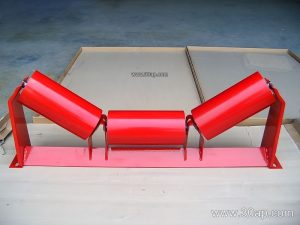
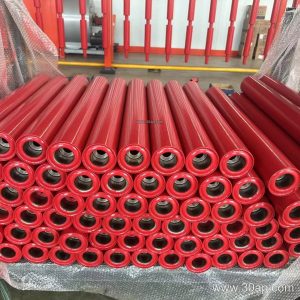
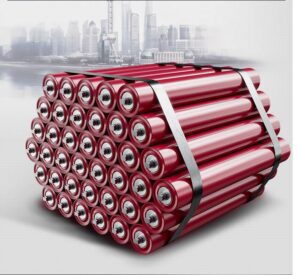
Other equipment in the same circuit includes the idler roller, conveyor bracket, and the belt itself. A heavy-duty mining conveyor belt or steel cord conveyor belt may require a larger pulley diameter to reduce bending stress. Fabric core belts such as EP conveyor belt or NN conveyor belt generally tolerate smaller diameters, but the pulley still must be sized for the actual belt construction.
Matching Pulley to Belt and Duty
The pulley face width is usually wider than the belt. For example, a B400 belt may use a 500 mm face, a B650 belt about 750 mm, and a B1400 belt about 1600 mm. Avoid assuming one belt width only matches one pulley diameter. A B1000 belt might run on a Ø630 or Ø800 pulley depending on tension and space. For high-abrasion service such as iron ore or copper ore, specify abrasion resistant conveyor belt and consider thicker lagging. Heat resistant conveyor belt in a cement plant or power plant may need a pulley designed for higher temperatures and adequate ventilation.
Buyer Checklist
- Confirm the pulley role: drive, tail, bend, snub, or take-up.
- Provide belt width, belt type (EP, NN, steel cord, PVG, PVC), and maximum tension.
- State the required shaft diameter or torque so the supplier can verify the shaft.
- Choose lagging based on material: diamond for general grip, ceramic for abrasive ore, plain for cleaning-sensitive areas.
- Check bearing type and sealing for dusty or wet conditions.
- Verify mounting dimensions with the conveyor bracket drawing.
For mining, quarry, cement, and port applications, the conveyor equipment pulley is a wear part that deserves the same attention as the conveyor belt and idler roller. Correctly specified, it keeps the line running smoothly and protects the belt from unnecessary stress.