What a Heavy-Load Conveyor Pulley Does
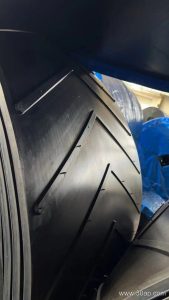
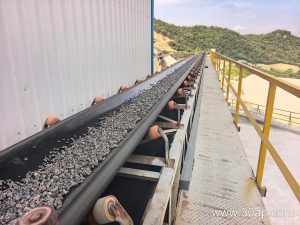
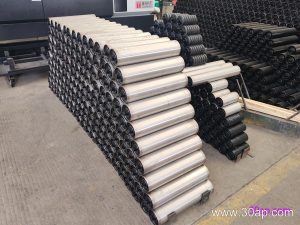
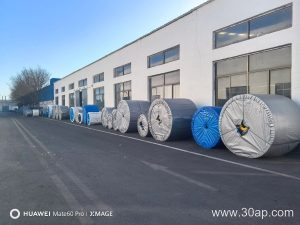
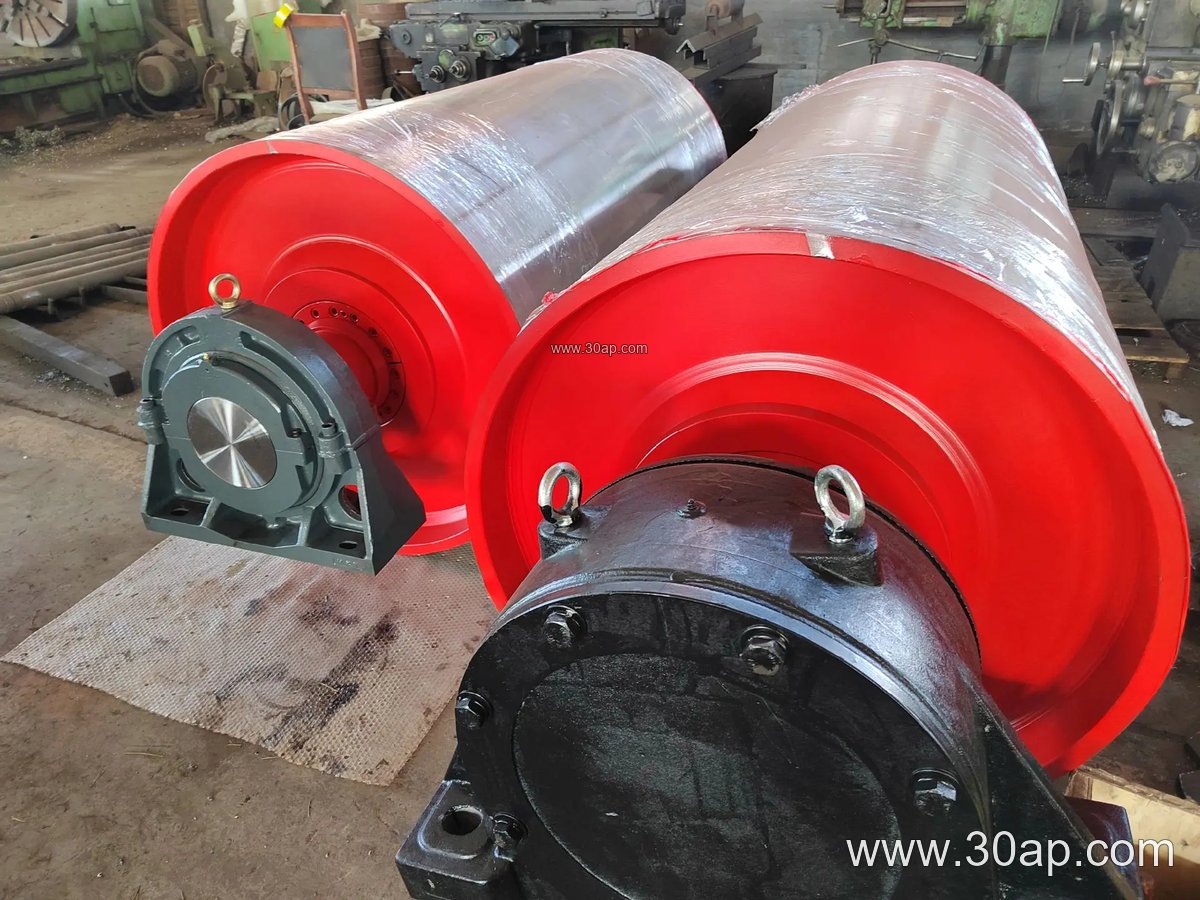
A heavy-load conveyor pulley is the robust, large-diameter drum that transmits power and controls belt tension in demanding bulk handling systems. Unlike lighter pulleys, this component is engineered for high torque, continuous operation, and abrasive or heavy materials. It is often the drive pulley at the head of the conveyor, but heavy-load versions also serve as tail or bend pulleys in high-tension zones. The pulley works with the conveyor belt, idler roller, and conveyor bracket to keep the entire line running smoothly.
Construction and Key Components
The heavy-load design typically uses a thick-walled steel shell, reinforced end discs, and a heavy-duty shaft. The shaft diameter is determined by torque and load, not by belt width alone. Common shaft sizes include Ø80, Ø100, Ø120, Ø140, Ø160, and Ø180, with larger sizes for extreme applications. The shell is often machined for balance and then covered with a lagging to improve grip. Lagging options include plain rubber, diamond pattern, chevron, and ceramic tiles, with thicknesses of 8, 10, 12, 15, or 20 mm. Bearings are selected for high radial loads, and the pulley is usually fitted with a locking assembly or keyway to secure the shaft.
Typical Applications in Heavy Industry
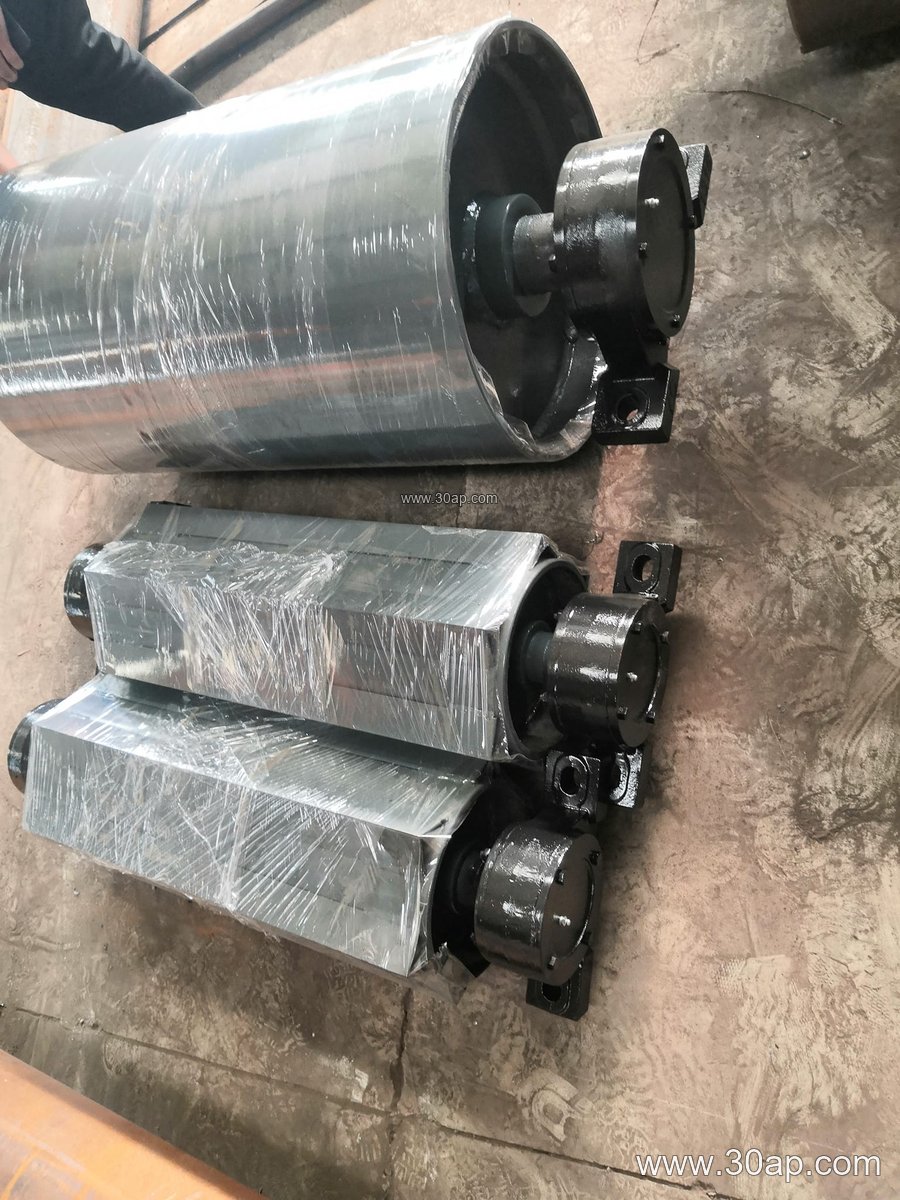
Heavy-load conveyor pulleys are found in mines, coal preparation plants, cement works, power station coal handling, and aggregate quarries. In a copper mine, for example, a large drive pulley must handle coarse ore and continuous shock loads. In a cement plant, the pulley at the kiln feed or clinker transport must resist heat and abrasive dust. The same pulley type is used in port bulk terminals and steel mills where belt widths reach B1800 or B2000 and the pulley diameter may be Ø1250 or Ø1400. The pulley must match the conveyor belt’s tension and the idler roller spacing to avoid belt slip or premature wear.
Dimensions and Surface Options
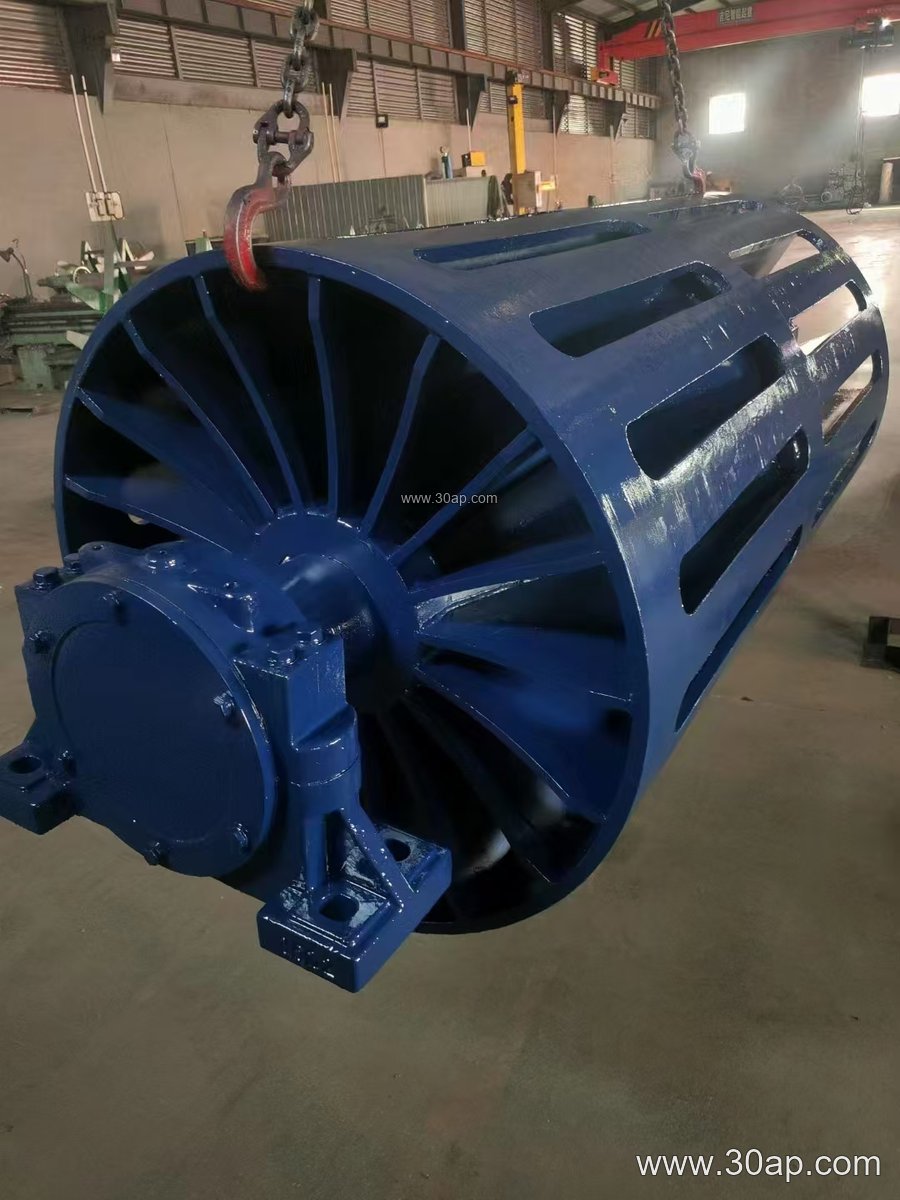
When selecting a heavy-load conveyor pulley, the belt width and pulley diameter are linked but not fixed. For reference, a B800 belt might use a Ø500 pulley in a moderate duty, while a B1200 belt could use Ø800 or Ø1000 depending on tension. The table below shows common combinations, but final choice depends on the conveyor design.
| Belt Width (mm) | Typical Pulley Face Width (mm) | Common Diameter Range (mm) |
|---|---|---|
| B500 | 600 | Ø250 – Ø400 |
| B800 | 950 | Ø400 – Ø630 |
| B1000 | 1150 | Ø500 – Ø800 |
| B1200 | 1400 | Ø630 – Ø1000 |
| B1400 | 1600 | Ø800 – Ø1250 |
| B1600 | 1800 | Ø1000 – Ø1400 |
| B1800 | 2000 | Ø1250 – Ø1600 |
| B2000 | 2200 | Ø1400 – Ø1800 |
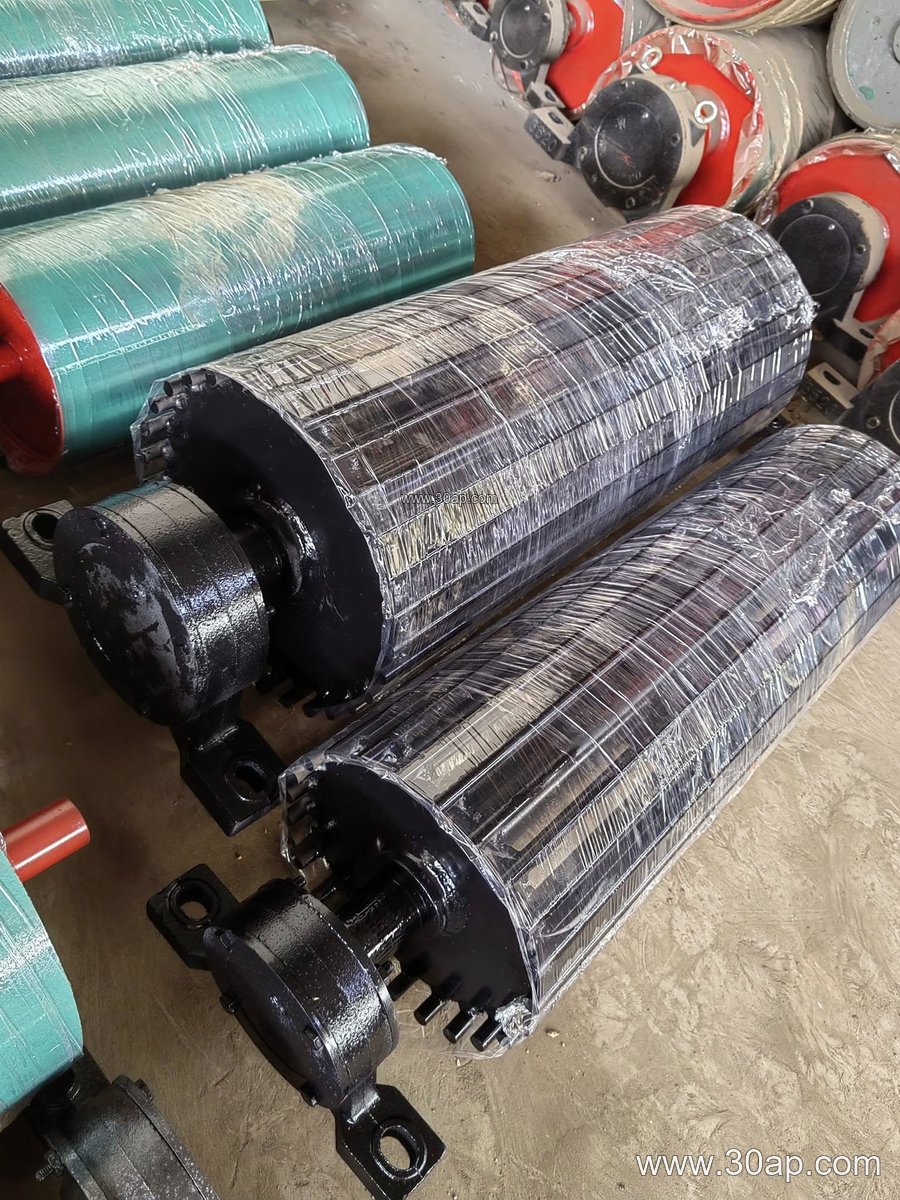
Surface lagging can be smooth, cast rubber, cold-bonded rubber, hot-vulcanized rubber, diamond, chevron, ceramic, or plain. The choice depends on whether the pulley needs maximum grip (drive) or mainly belt guidance (bend or tail). Heavy-load drive pulleys often use diamond or ceramic lagging to reduce slip in wet or dusty conditions.
What Buyers Should Check
- Confirm the actual belt tension and torque, not just belt width, to size the shaft and bearings.
- Specify the pulley position: drive, tail, bend, or tension. These are not interchangeable, and each has different load profiles.
- Choose lagging type and thickness based on material and environment. For abrasive ore, ceramic or thick rubber may be needed.
- Verify face width exceeds belt width, for example B1200 with 1400 mm face, to allow belt tracking.
- Check compatibility with the conveyor bracket and idler roller arrangement to avoid misalignment.
- Ask for dynamic balancing and non-destructive testing reports if the pulley is for critical service.
Heavy-load conveyor pulleys are not off-the-shelf items; they are engineered to the conveyor’s duty. A buyer who provides accurate load data, belt speed, and environmental conditions will receive a pulley that lasts longer and reduces downtime in the mine, cement plant, or power station.