What an Anti-Slip Ceramic Lagged Pulley Is
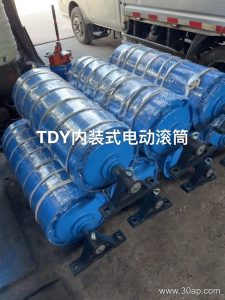
An anti-slip ceramic lagged pulley is a conveyor pulley whose shell is covered with ceramic tiles set in a rubber or polymer matrix. The ceramic surface gives the pulley a high coefficient of friction, which helps transfer drive torque to the conveyor belt without slipping. This type of lagging is often chosen for drive pulleys, head pulleys, and other positions where grip is critical. In this article, the product is also referred to as a ceramic lagged conveyor pulley, but it remains the same anti-slip ceramic lagged pulley.
The ceramic lagging is not a replacement for proper pulley design. It is a surface treatment that works together with the pulley diameter, shaft, bearings, and conveyor belt to deliver reliable starting and running performance.
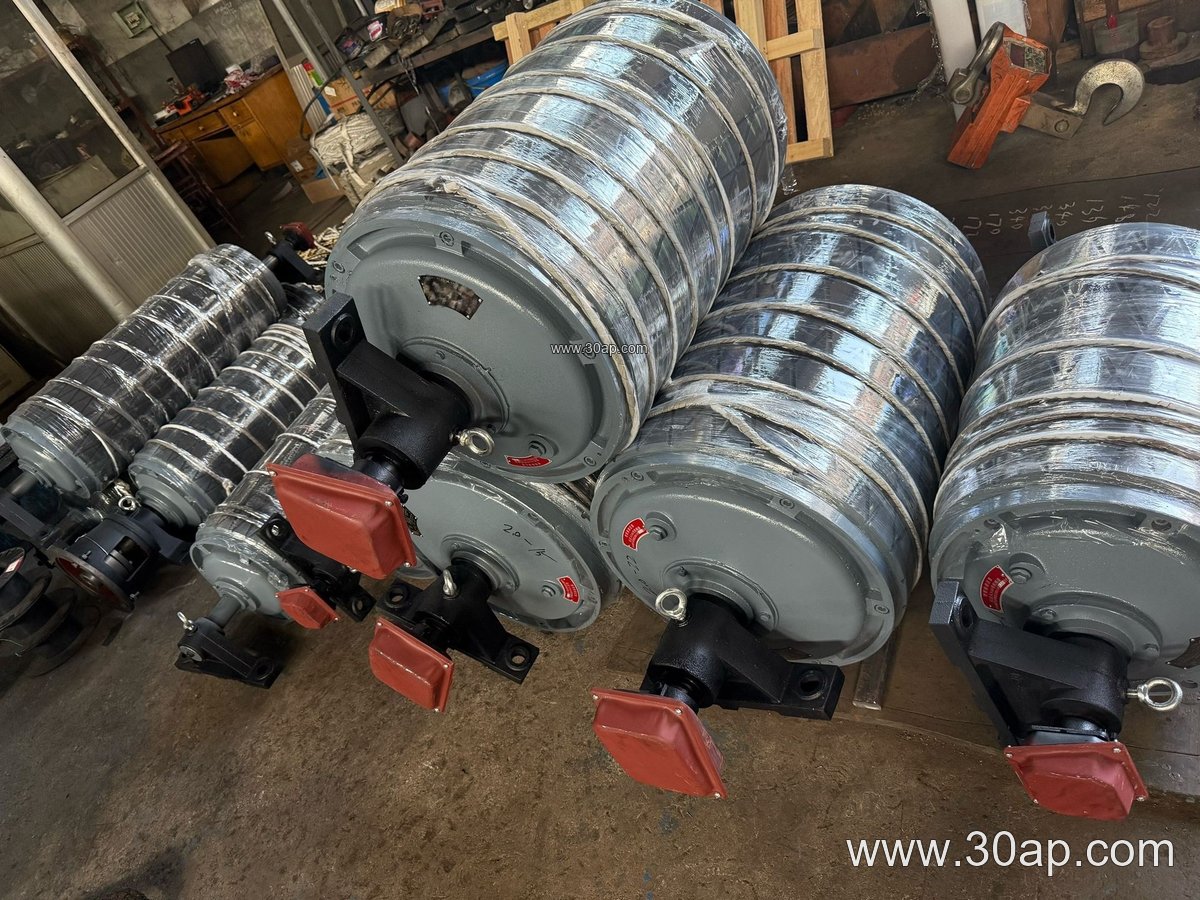
How the Ceramic Lagging Is Built
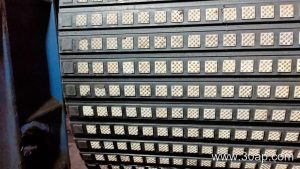
The pulley body is usually a welded steel shell with end discs and a shaft. The lagging is applied as individual ceramic tiles, often with raised dimples or a textured pattern, bonded into a rubber layer. The rubber provides flexibility and cushioning, while the ceramic tiles provide wear resistance and friction. Common lagging thicknesses are 8 mm, 10 mm, 12 mm, 15 mm, and 20 mm, with the thicker options used in heavy-duty drives.
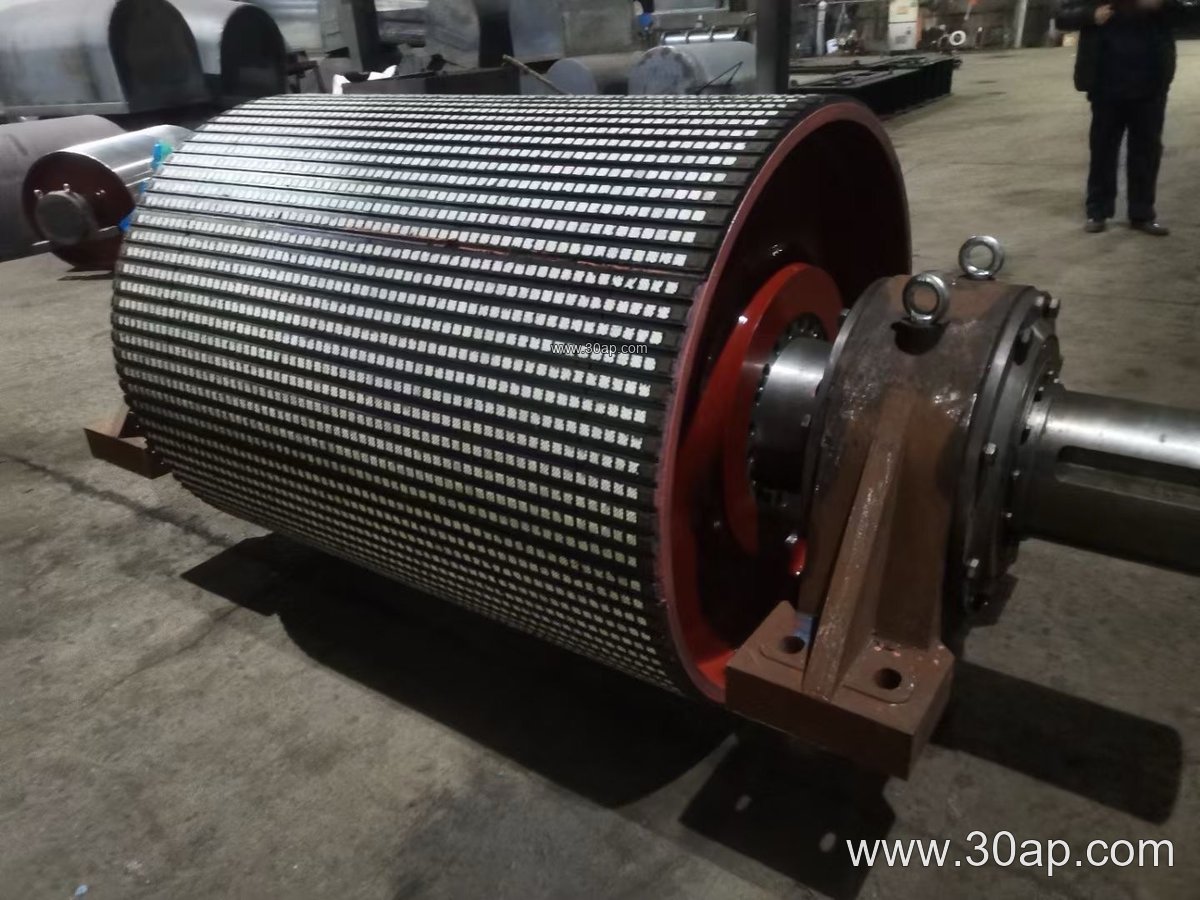
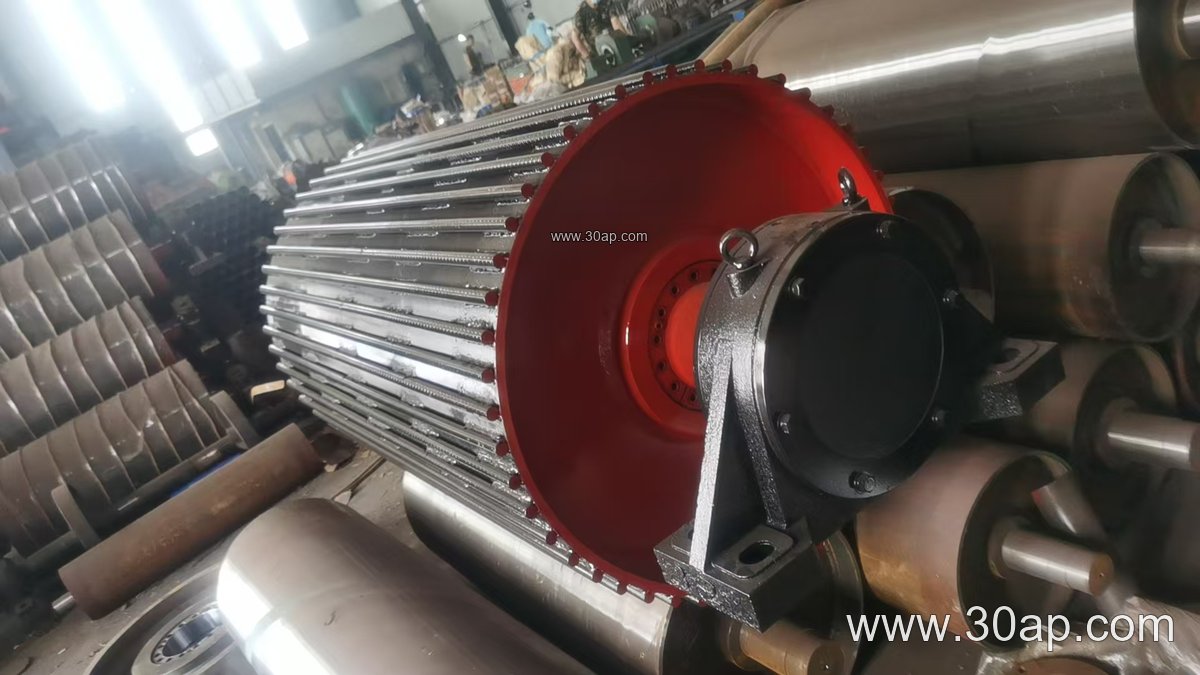
The tile pattern can be flat or profiled. A profiled ceramic surface helps evacuate water and fine material, which is useful in wet or dusty conditions. The bonding process must be controlled so that tiles do not work loose under load. For this reason, buyers should ask about the bonding method and the inspection routine used before shipment.
Where It Fits in a Conveyor System
This pulley is most often installed as a drive pulley or head pulley. It can also be used as a bend pulley or tension pulley when extra grip is needed, but the drive position is the main application. In a quarry, a ceramic lagged drive pulley helps start a fully loaded conveyor belt on an incline. In a coal washing plant, the same surface resists slipping when the belt is wet. In a cement plant, it can be found on clinker and raw material conveyors where dust and fines reduce friction.
Other conveyor components work with it: the conveyor belt, idler roller, conveyor bracket, and the pulley bearings all influence how well the lagging performs. A worn or poorly tracked belt can shorten the life of any lagging, so alignment and tension should be checked regularly.
Common Sizes and Configurations
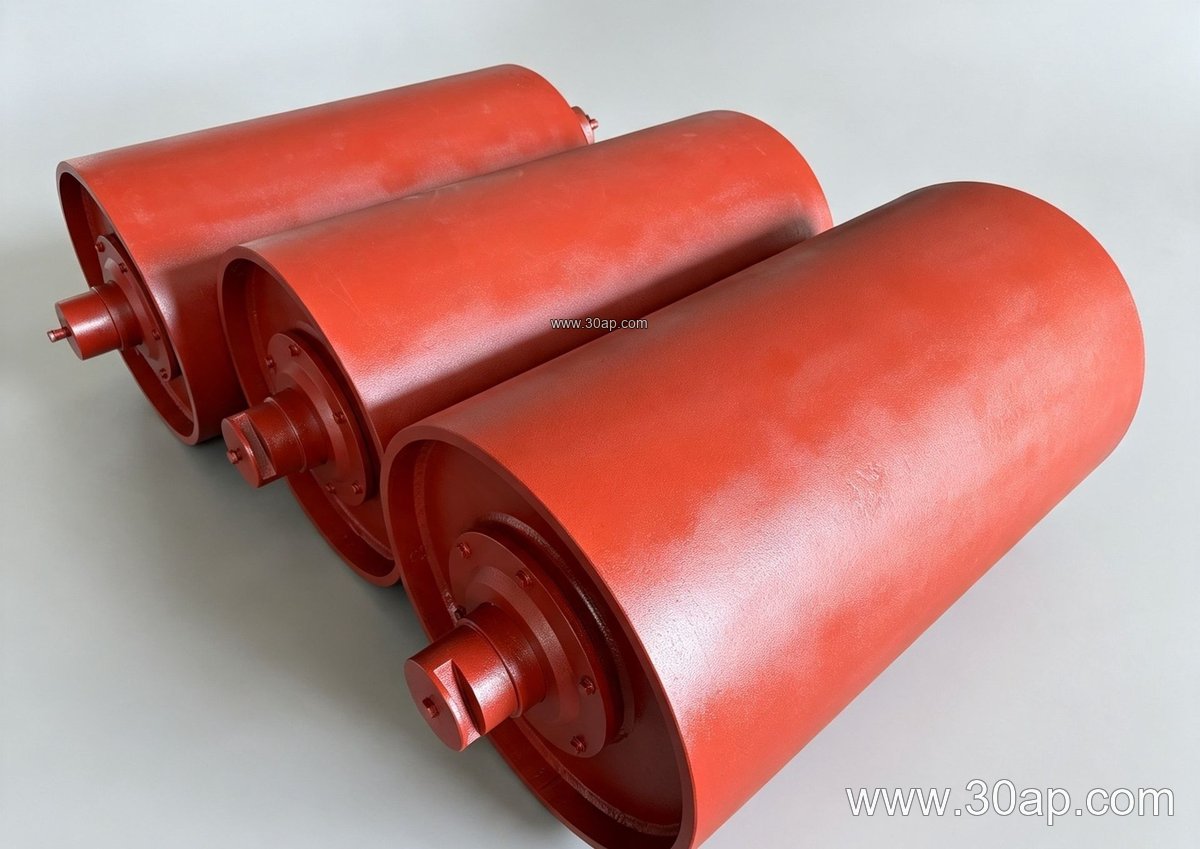
Anti-slip ceramic lagged pulleys are made in a range of belt widths and diameters. The table below shows typical reference combinations, not mandatory matches. A given belt width can be paired with more than one pulley diameter depending on the duty and belt tension.
| Belt Width (B) | Typical Pulley Diameter (Ø) | Typical Lagging Thickness |
|---|---|---|
| B500 | Ø250, Ø315, Ø400 | 8–12 mm |
| B650 | Ø315, Ø400, Ø500 | 8–12 mm |
| B800 | Ø400, Ø500, Ø630 | 10–15 mm |
| B1000 | Ø500, Ø630, Ø800 | 10–15 mm |
| B1200 | Ø630, Ø800, Ø1000 | 12–20 mm |
| B1400 | Ø800, Ø1000, Ø1250 | 12–20 mm |
| B1600 | Ø1000, Ø1250, Ø1400 | 15–20 mm |
Shaft diameters are usually Ø50 to Ø200 mm, but the final shaft size must be calculated from torque and load, not chosen from belt width alone. Shell face width is normally a little wider than the belt, for example about 500 mm for B400 and about 1400 mm for B1200. These are common references; actual dimensions are confirmed by design.
Selection and Maintenance Notes
When selecting an anti-slip ceramic lagged pulley, consider the belt type and the material being conveyed. An abrasion resistant conveyor belt may be used in a quarry, while a flame retardant conveyor belt is common in coal mining. The pulley lagging should match the friction demand of the drive. For high-tension drives, a ceramic lagged pulley can be combined with a steel cord conveyor belt or a heavy-duty fabric core belt such as EP conveyor belt or NN conveyor belt.
- Check that the ceramic tiles are firmly bonded and free of cracks.
- Keep the belt centered to avoid uneven wear on one side of the lagging.
- Inspect the lagging during scheduled shutdowns, especially on drive pulleys.
- Replace worn tiles or lagging sections before they damage the conveyor belt.
For more information on related conveyor components, visit our site at https://www.example.com/conveyor-pulley and https://www.example.com/ceramic-lagged-pulley. A properly specified anti-slip ceramic lagged pulley helps maintain torque transmission and reduces the risk of belt slip in demanding industrial environments.