What a Conveyor Bracket Does on a Belt System
A conveyor bracket is the structural support that holds idler rollers in position along a conveyor frame. It connects the roller assembly to the main stringers and sets the trough angle, spacing, and alignment that keep the conveyor belt running smoothly. In a quarry, coal preparation plant, or cement kiln feed line, these brackets carry the load of the belt and the material while allowing the rollers to spin freely. Without a properly matched bracket, the belt can sag, drift, or wear unevenly, which shortens the life of both the belt and the idler roller.
The bracket itself is not a moving part, but it determines how well the moving parts work together. It must resist vibration, material build-up, and occasional impact from lumpy feed. In a crushing and screening circuit, for example, a heavy-duty bracket under the loading zone helps the belt absorb shock before the material is carried away.
Common Types and Their Roles
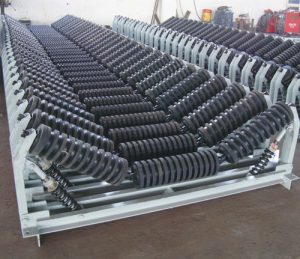
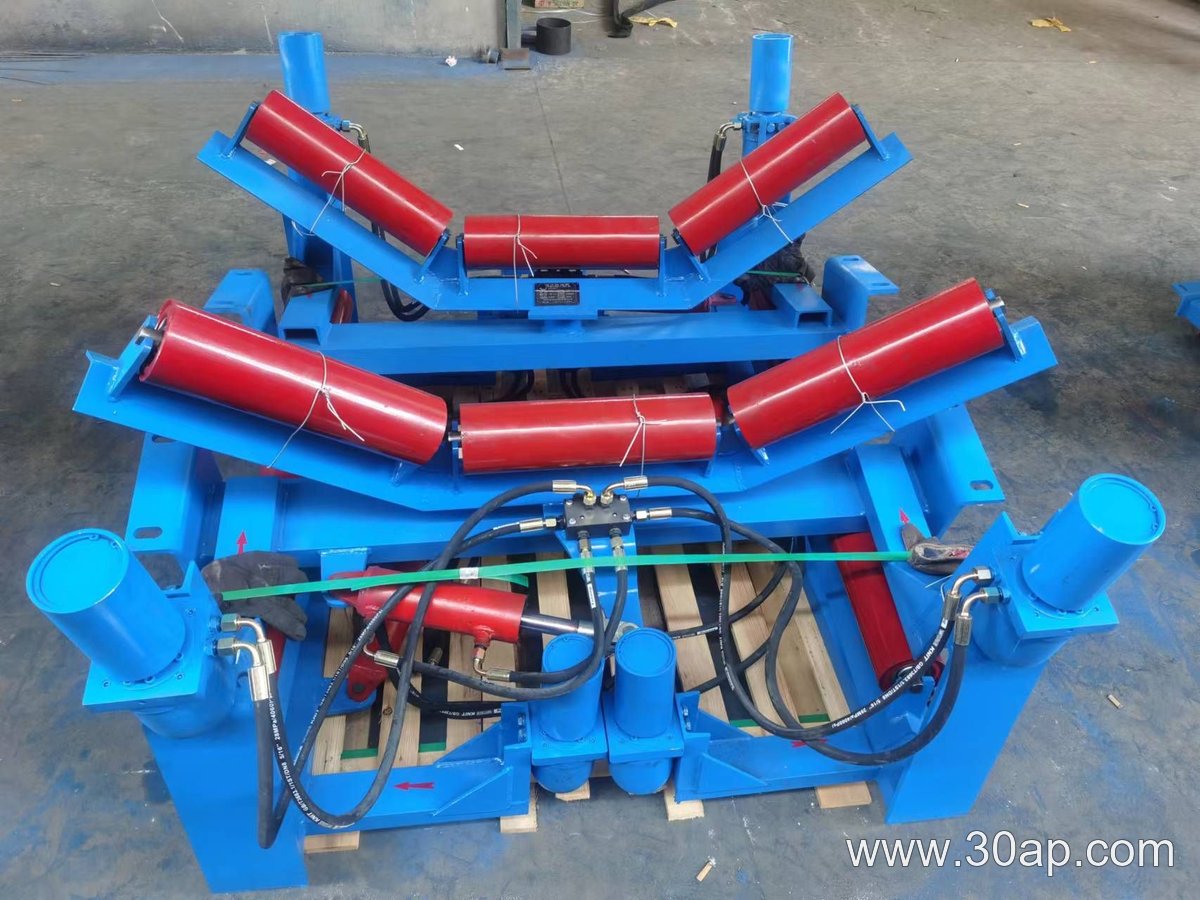
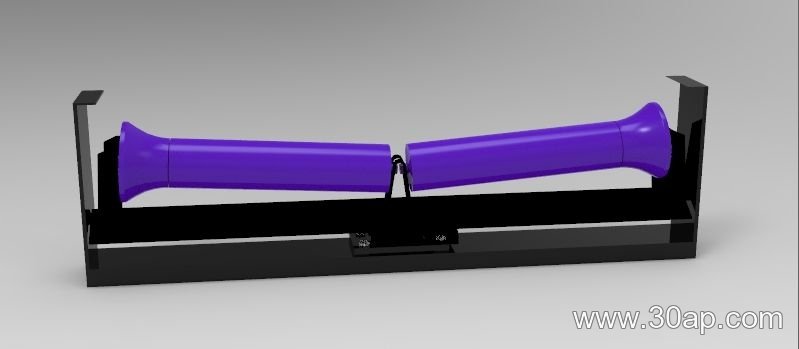
Conveyor brackets are available in several forms, each suited to a different position on the conveyor. A troughing bracket, often called a troughing idler bracket, supports three rollers in a trough shape to keep bulk material centered. A return bracket holds the belt on the return run, while a V-return bracket uses two rollers angled to help clean and track the belt. An impact bracket sits under the loading point and uses rubber or spring cushions to reduce shock. A self-aligning bracket, sometimes called a training bracket, pivots slightly to correct belt misalignment before it becomes a problem.
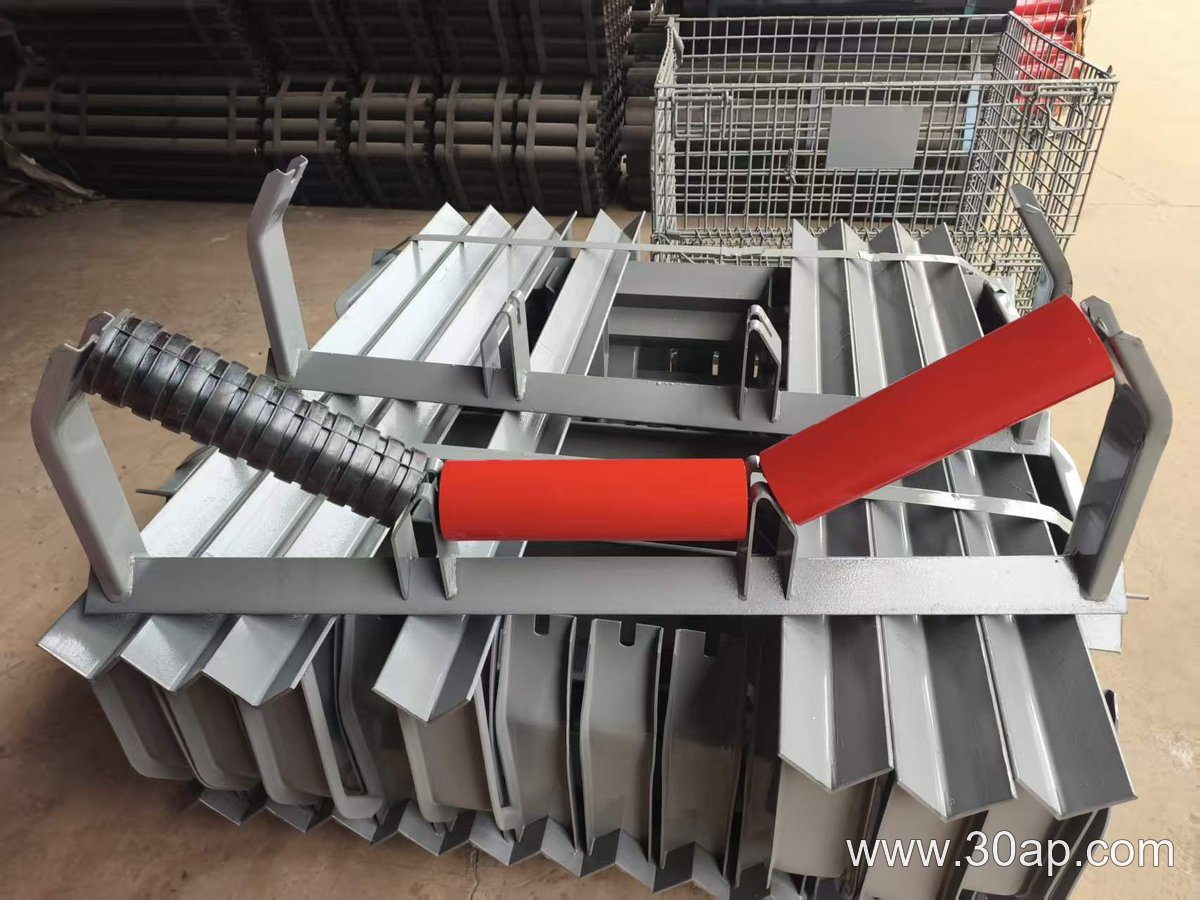
Adjustable brackets allow the trough angle to be changed on site. This is useful when a conveyor handles different materials or when the belt needs fine-tuning after installation. Fixed brackets are simpler and are often used where the duty is steady and the belt path is well established.
Construction and Materials
Most conveyor brackets are fabricated from angle steel, channel steel, or folded steel plate. The choice depends on the load, the belt width, and the environment. In a dusty coal mine or a limestone quarry, the bracket may be painted or galvanized to resist corrosion. The mounting holes and crossbeam length are not universal; they are determined by the belt width, trough angle, and roller diameter. A bracket for a B650 belt with a 30-degree trough and Ø89 rollers will not fit a B1200 belt with a 45-degree trough and Ø133 rollers. This is why buyers should always match the bracket to the specific conveyor design rather than assuming one size fits all.
Where Conveyor Brackets Are Used
These brackets appear in almost every bulk material handling system. In a sand and gravel plant, they support the belt through the washing and screening stages. In a power plant coal yard, they carry the belt that feeds the boiler. In a fertilizer granulation line or a grain silo, they keep the belt aligned and stable. The same principle applies in tunnel mucking, sinter plants, and steel mills, where the conveyor belt must run reliably under heavy loads and harsh conditions.
Selection and Maintenance Notes
When choosing a conveyor bracket, consider the belt width, the roller diameter, the trough angle, and the load. Common belt widths include B500, B650, B800, B1000, B1200, B1400, B1600, B1800, B2000, and B2200. Trough angles are often 20, 30, 35, or 45 degrees. Roller diameters such as Ø89, Ø108, Ø133, Ø159, and Ø194 are typical, but the correct combination depends on the conveyor design, not on a fixed rule. A B800 belt might use a 35-degree trough with Ø108 rollers in one plant and a different setup in another.
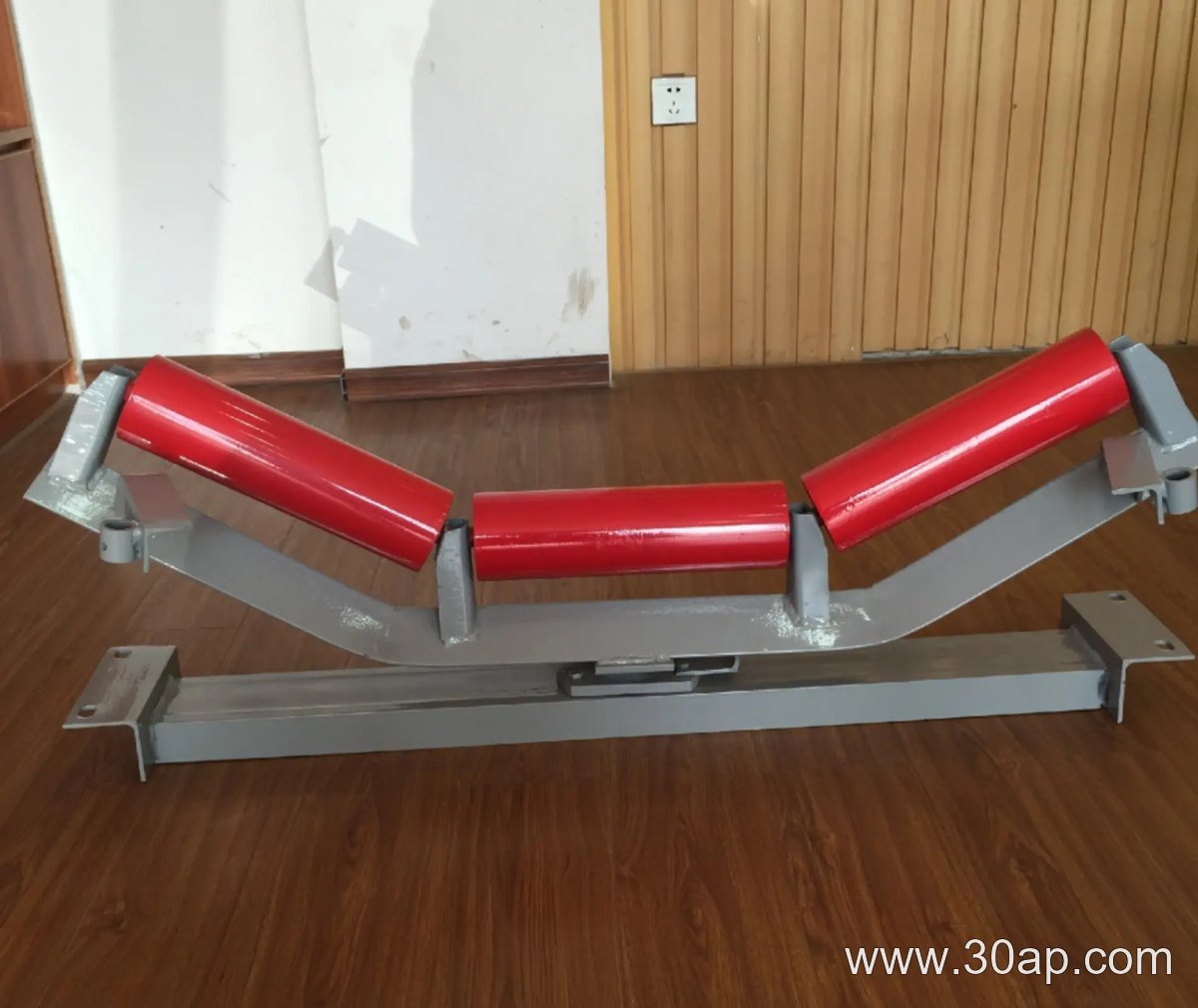
Routine maintenance includes checking for loose bolts, bent brackets, and worn rollers. A bent bracket can cause the belt to misalign, which in turn wears the edge of the conveyor belt and may damage the pulley. Replacing a worn bracket before it fails is cheaper than repairing a torn belt or a damaged conveyor pulley. Keeping the area around the bracket clean also helps prevent material build-up that can push the belt off track.
For anyone specifying a conveyor bracket, the key is to match the bracket type to the application, confirm the dimensions against the actual conveyor frame, and use the roller and belt data from the original design. That approach keeps the system running efficiently in mines, cement plants, power stations, and quarries alike.