Understanding the Engineering Behind the Ø152 Conveyor Idler
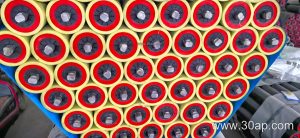
When heavy bulk materials move continuously through a demanding Steel Cord Conveyor Belt circuit in a large-scale steel plant or an aggregate facility, component reliability dictates overall operational uptime. The structural integrity of the idler roller assembly plays a critical role in minimizing rotational resistance and supporting massive loads. Specifically, engineering a robust Ø152 Conveyor Idler requires precision manufacturing, high-grade steel tubing, and advanced bearing protection to withstand constant impact and friction.
Unlike a heavy-duty conveyor pulley that handles belt tension or redirection at terminal points, the intermediate carrying and return components experience continuous localized wear. Selecting the correct outer diameter ensures that peripheral speed, bearing RPM, and load distribution remain within safe engineering parameters during high-speed material transit.
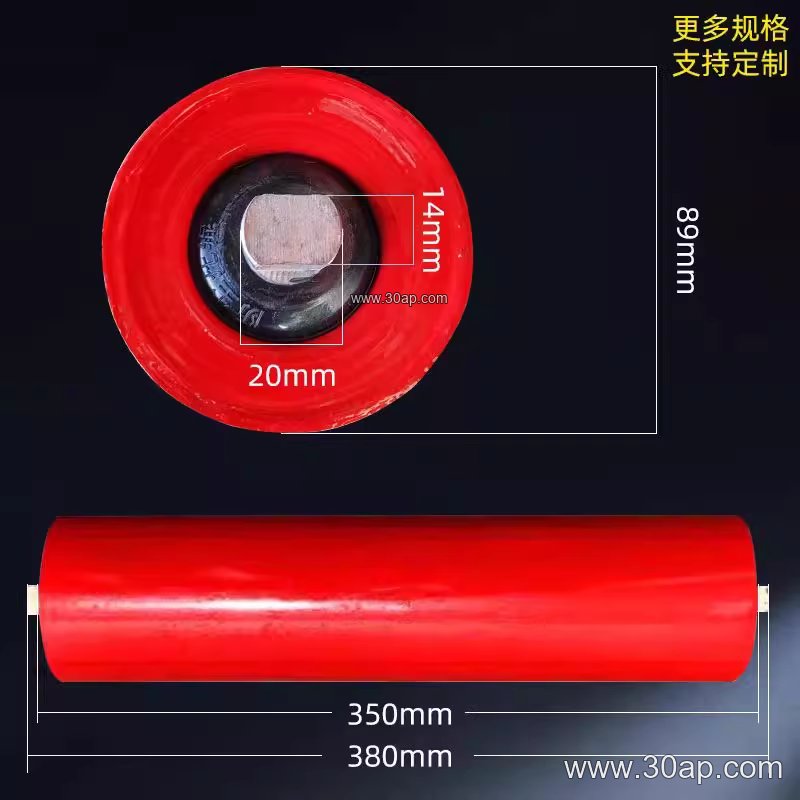
Internal Configuration and Bearing Setup
The operational longevity of any rotating conveyor bracket-mounted assembly depends heavily on its internal housing and sealing arrangement. For heavy industrial lines utilizing an Abrasion Resistant Conveyor Belt, internal components must fend off fine dust, moisture, and abrasive grit. The construction typically integrates precision deep groove ball bearings housed securely within stamped or machined steel bearing seats.
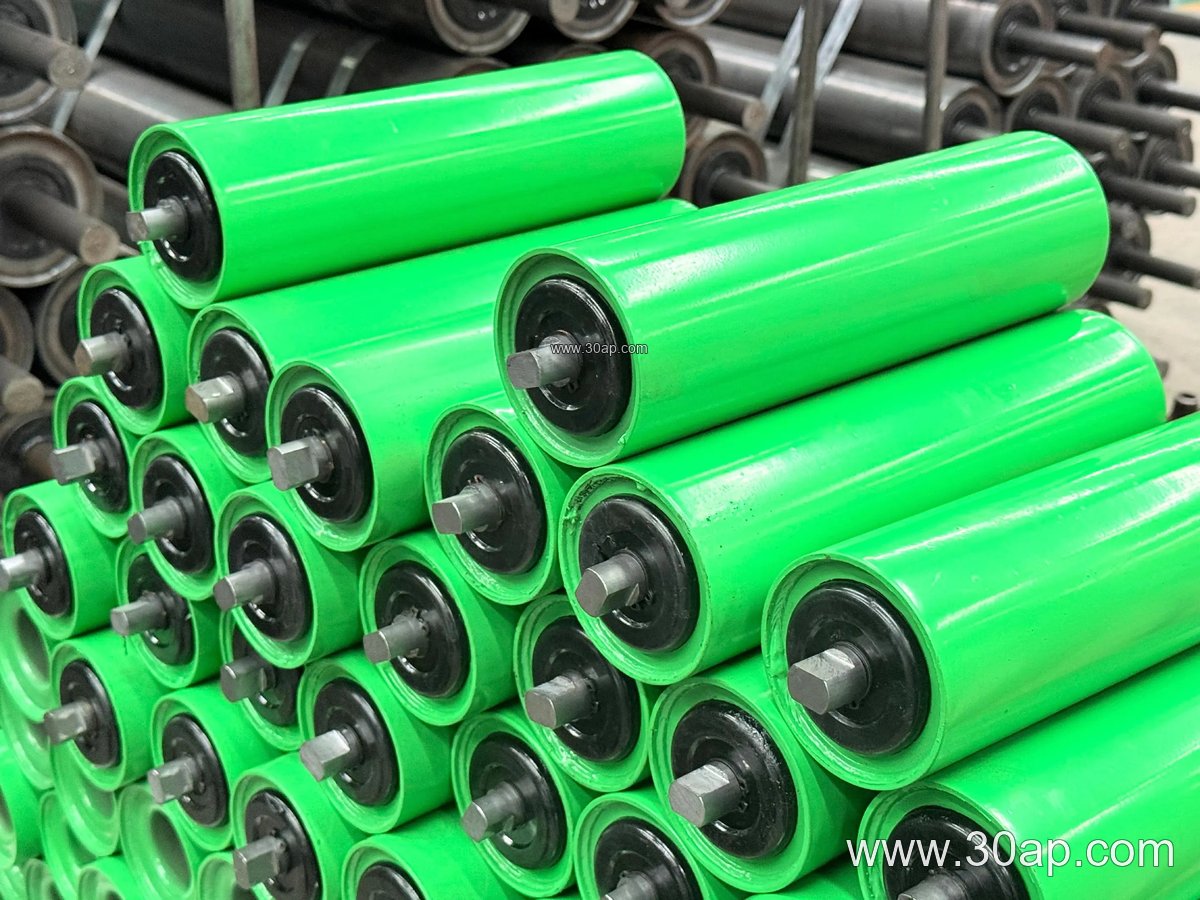
Common bearing sizes associated with robust industrial configurations are listed below to illustrate structural compatibility:
- Bearing 6204 (Compact light-duty rotation)
- Bearing 6205 (Standard medium-load capacity)
- Bearing 6305 (Enhanced radial load support)
- Bearing 6306 (Heavy-duty continuous operation)
- Bearing 6308 / 6310 (Extreme high-capacity applications)
To prevent particulate ingress, multi-labyrinth contact seals, rubber flingers, and heavy-duty grease retainers are pressed into the ends of the steel shell. Adequate factory-packed lithium-based grease ensures smooth rotation across fluctuating ambient temperatures.
Application Suitability and Dimensional Harmony
In heavy processing environments such as iron ore handling lines or a high-capacity Heat Resistant Conveyor Belt system, idler spacing must match the specific belt width and material density. While structural dimensions vary according to system design, standard framework parameters often accommodate various belt classifications smoothly.
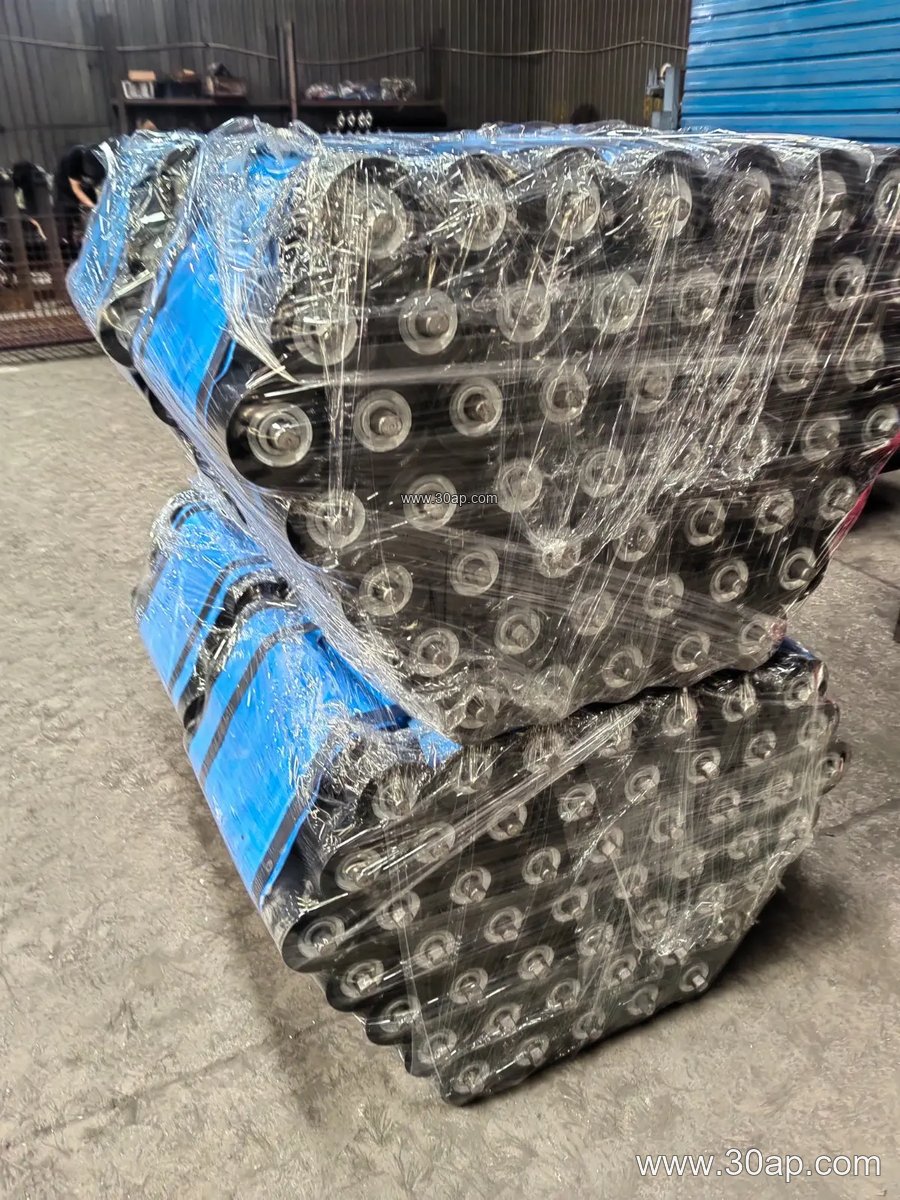
Engineers evaluate several reference metrics when integrating these components into an existing framework layout:
- Compatible Belt Widths: B800, B1000, B1200, B1400, B1600, B1800, B2000
- Roller Diameter Options: Standard configurations including Ø108, Ø127, Ø159, and the specific Ø152 variants
- Roller Face Materials: Steel tube, rubber-cushioned, ceramic lagging, or high-density polymer shells
- Standard Trough Angles: 20 degrees, 30 degrees, 35 degrees, and 45 degrees
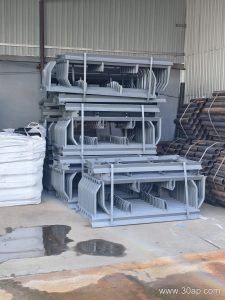
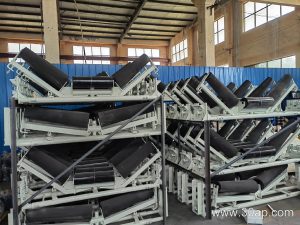
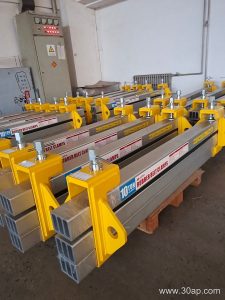
Whether applied on a flat carrying run or a three-roll troughed conveyor belt framework, maintaining consistent alignment reduces edge fraying and lowers overall energy consumption. Proper installation alongside secure conveyor bracket structures ensures that eccentric loading and vibration are kept to an absolute minimum during peak production hours.