What the Ø108 Mining Idler Is
The Ø108 mining idler is a heavy-duty conveyor idler roller built around a 108 mm outside diameter. It is a common choice for belt conveyors that move abrasive or high-density material, and it appears on both the carrying side and the return side of a conveyor belt in mines, quarries, cement plants and power station coal yards. The diameter sits in the middle of the usual idler range, which gives it a workable balance between load capacity and the belt support spacing that a site can use.
In practice, buyers treat Ø108 as a reference diameter rather than a fixed rule. The roller length, shaft, bearing and frame all change with belt width, trough angle and the type of idler group, so the diameter alone never describes a complete part.
How the Roller Is Built
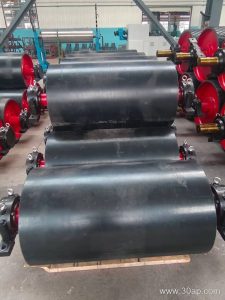
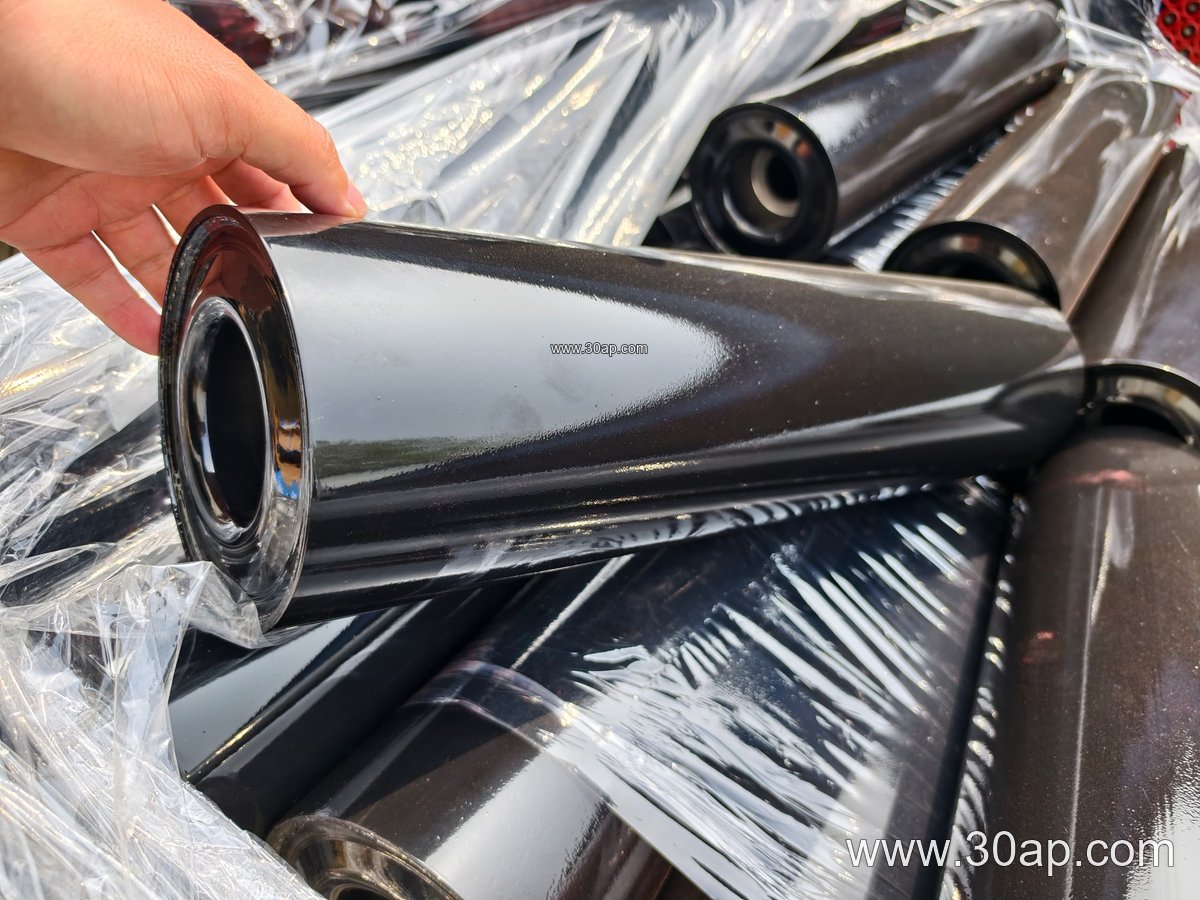
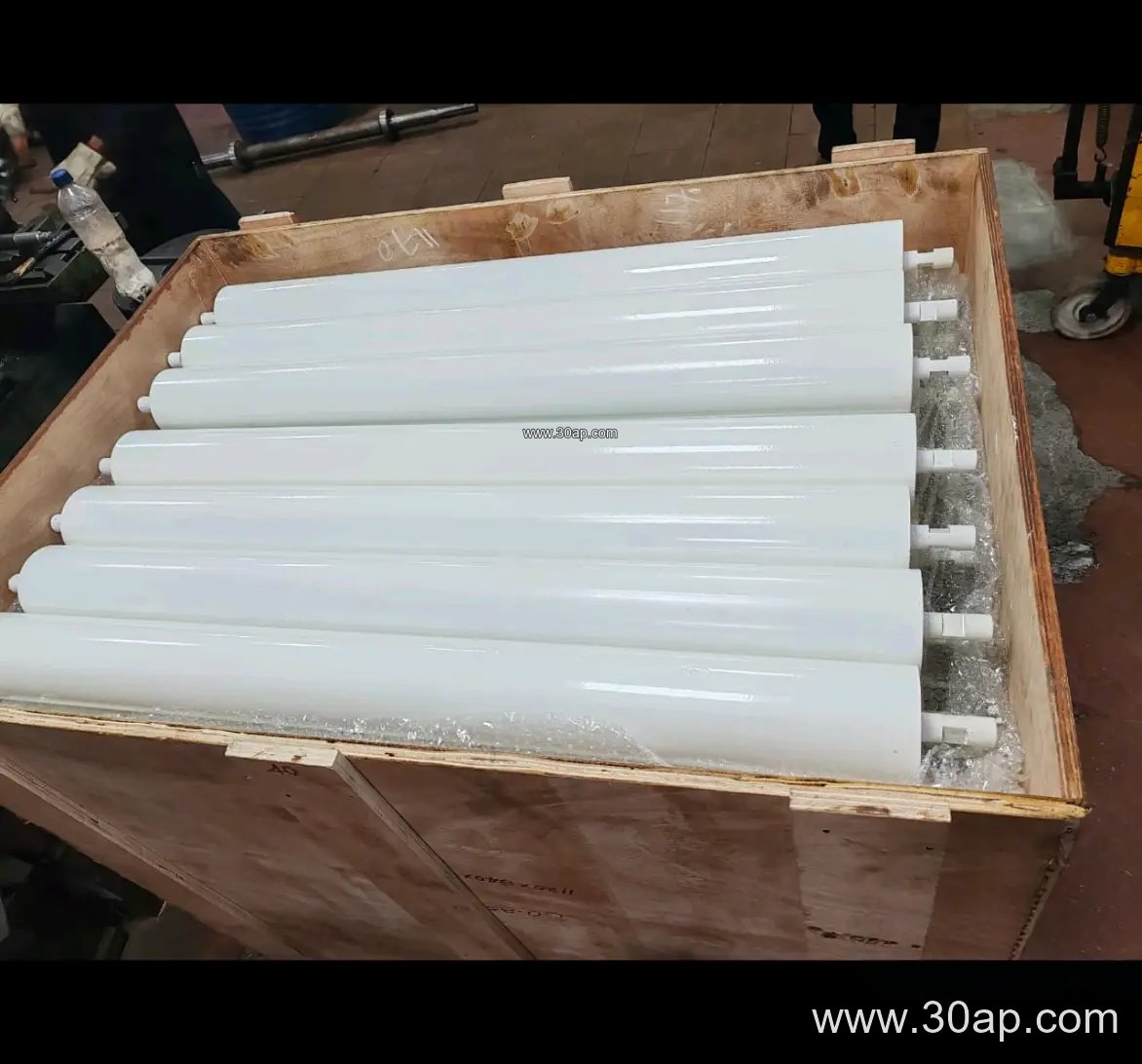
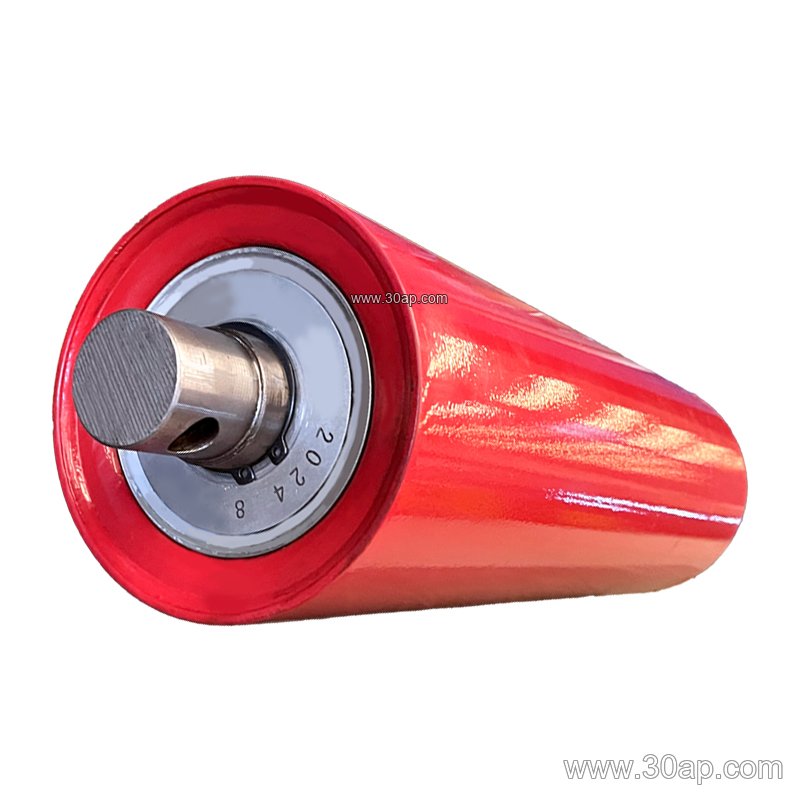
A typical unit has a steel tube shell, welded end caps, a through shaft, and sealed bearing housings at each end. The shell may be a plain steel pipe, or it may carry a rubber ring, nylon or ceramic surface layer where wear or material build-up is a concern. Sealing is the part that decides service life in dusty conditions: a good labyrinth seal and grease retention keep fine grit away from the bearings.
Common bearing sizes used in this class of roller include 6205, 6305, 6306 and 6308. These are interchangeable options depending on load and housing design, and no single bearing is tied to one diameter. The shaft diameter is set by the conveyor design and the bracket, not by the belt width on its own.
Where It Fits on the Conveyor
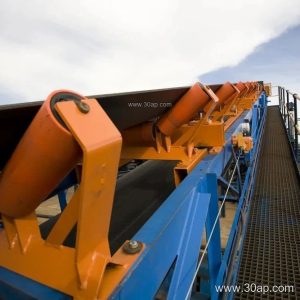
The Ø108 idler can be used in several positions, and each position has its own job:
- Troughing idlers support the loaded belt, usually in two- or three-roll groups with trough angles of 20, 30, 35 or 45 degrees.
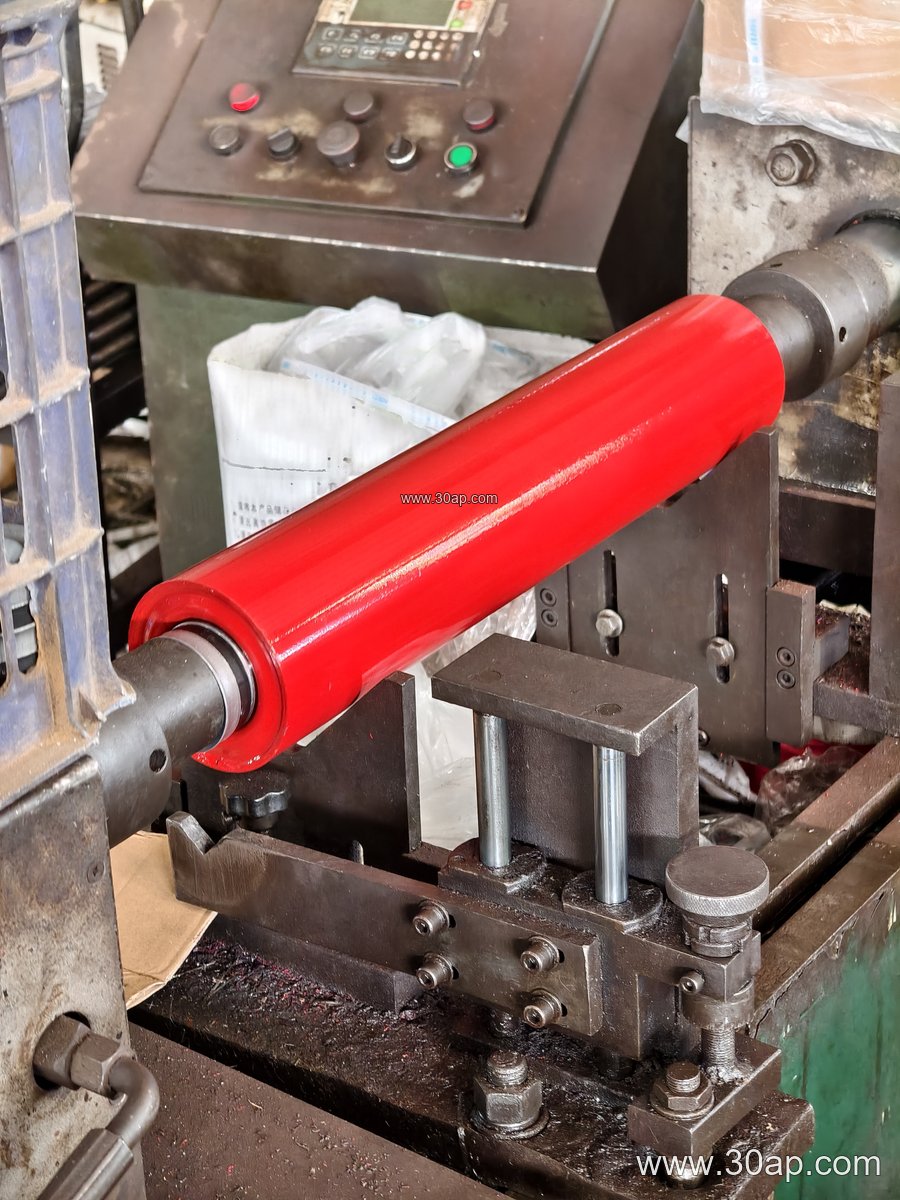
- Impact idlers with rubber rings sit under the loading point and absorb the shock of falling rock.
- Return idlers, flat or V-shaped, carry the empty belt back and help keep it tracking.
- Self-aligning idlers correct belt drift on long runs, sometimes with a slight forward tilt of about 1.5 to 2 degrees.
On a 108 mm roller the side rolls in a three-roll trough set are shorter than the centre roll, and the roll length changes with belt width. For reference, common three-roll centre lengths are roughly 200 mm at B500, 315 mm at B800, 380 mm at B1000, 465 mm at B1200 and 600 mm at B1600. These are examples, not fixed pairings.
Typical Sizes and Options
| Item | Common options |
|---|---|
| Roller diameter | Ø108 mm |
| Belt width | B500 to B2000 (selected to suit the conveyor) |
| Trough angle | 20°, 30°, 35°, 45° |
| Roll surface | Steel, rubber ring, nylon, ceramic |
| Bearing | 6205, 6305, 6306, 6308 (per design) |
| Group type | Single roll, two-roll, three-roll troughing |
Note that a wide belt does not automatically mean a larger pulley or a specific shaft. The drive pulley, tail pulley and bend pulley are separate components with their own design rules, and they are not interchangeable with an idler roller. A Ø108 idler is chosen from the belt load, speed and idler spacing, then matched to the conveyor bracket and frame.
Buying Advice
When specifying this roller, confirm the shell material and wall thickness, the seal type, the bearing number and the exact roll length for each position. Ask how the end caps are welded and whether the shaft ends fit the existing conveyor bracket. For dusty coal or limestone duty, a well-sealed bearing matters more than a thick shell; for impact zones, rubber-ring rollers are the practical choice. Keep a small stock of spare idlers and check roller rotation during routine inspections, because a seized roller can damage the conveyor belt quickly.