Why the Conveyor Bracket Matters
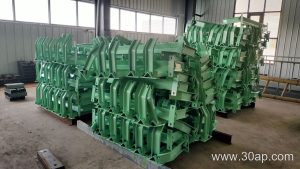
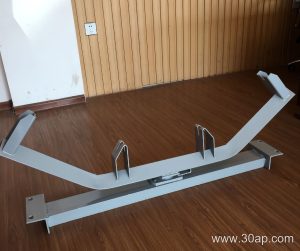
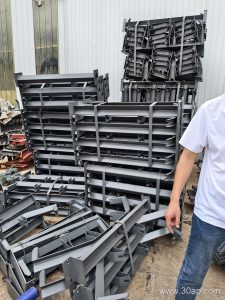
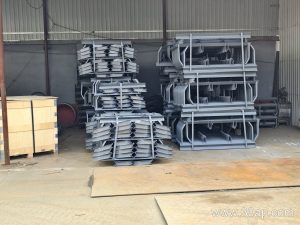
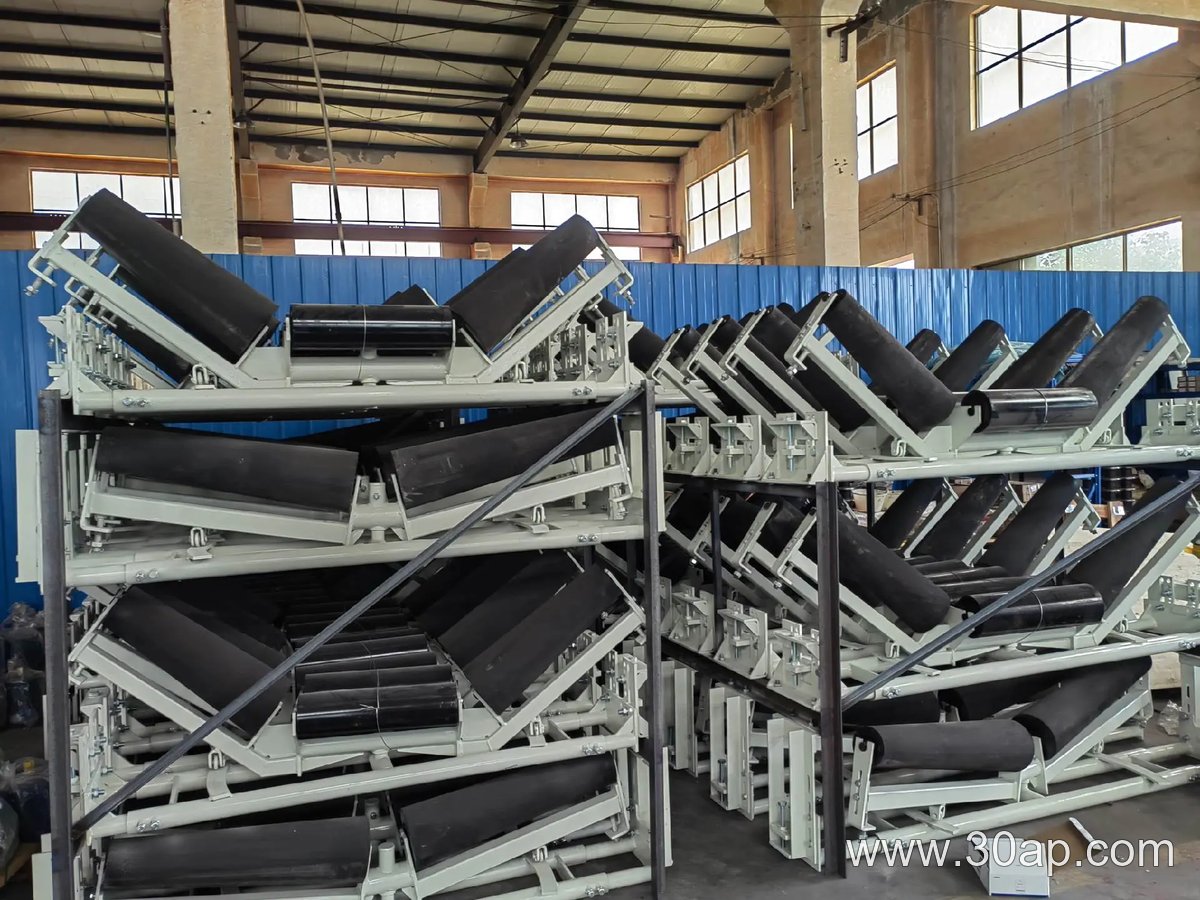
A conveyor bracket supports rollers, idlers, and frames, keeping your line aligned and efficient. Choose the right bracket to reduce downtime and maintenance costs.
Selection and Purchasing Advice
- Match bracket material to load and environment (steel, stainless, or polymer).
- Check mounting holes and slot patterns for your conveyor frame.
- Confirm load capacity and corrosion resistance.
- Prefer standardized sizes for easier replacement.
- Buy from suppliers offering batch consistency and documentation.
Conveyor Belt Selection Made Simple
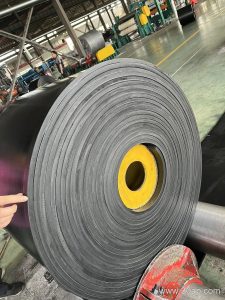
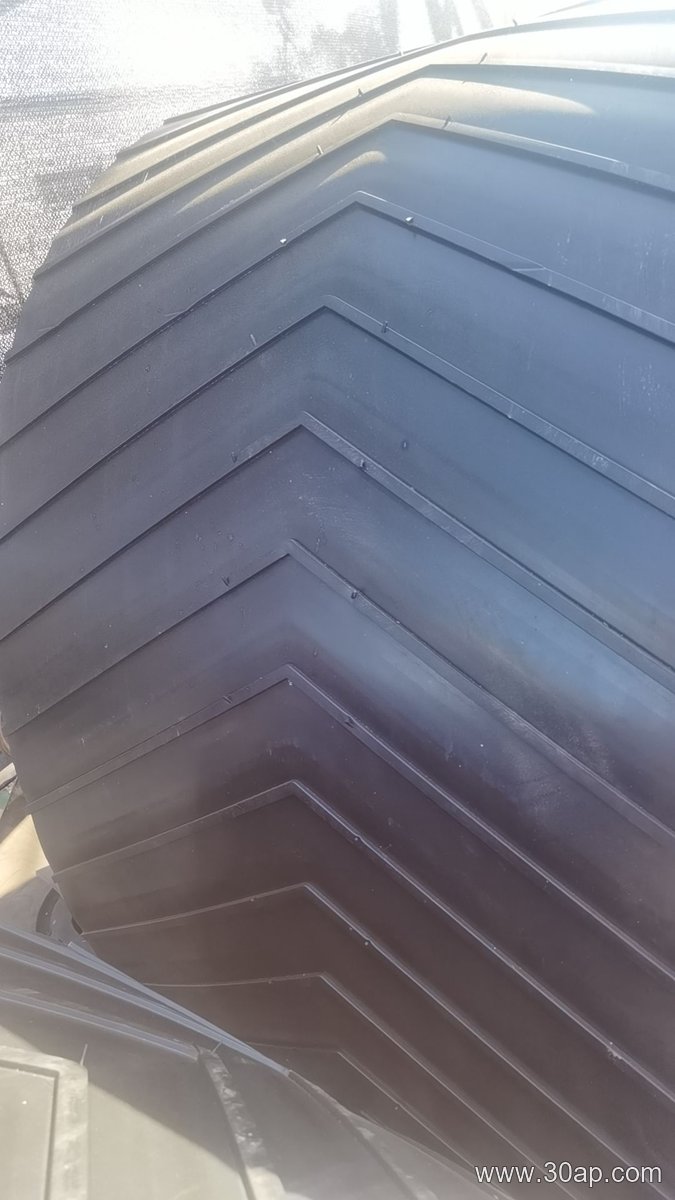
A conveyor belt moves materials efficiently, but the right specification depends on your load, environment, and export standards.
Key Buying Factors
- Material: rubber, PVC, or metal for heat and abrasion.
- Cleat and profile: prevents slipping on inclines.
- Belt width and speed: match throughput needs.
Export Checklist
Confirm tensile strength, food-grade or fire-resistant ratings, and spare parts availability. Request test reports and shipping dimensions before ordering.
Idler Roller Selection and Purchasing Guide
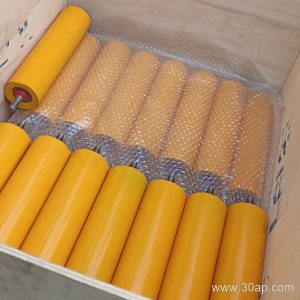
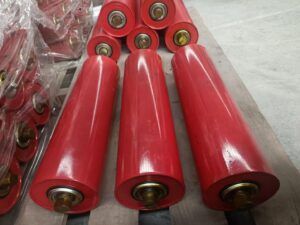
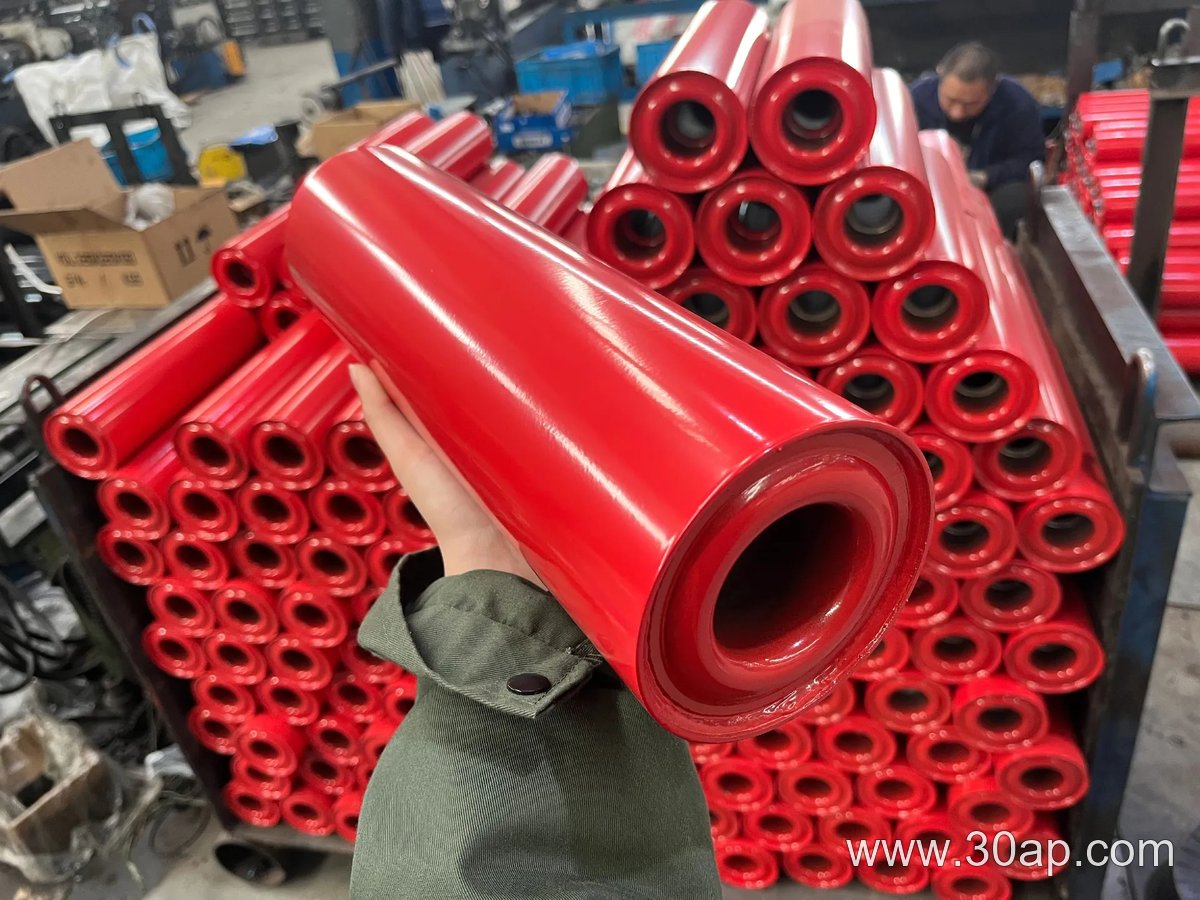
An idler roller supports and guides conveyor belts without driving them. Choosing the right one reduces wear, downtime, and energy costs.
Key Selection Factors
- Load capacity and belt width
- Bearing type: sealed vs. open
- Roller material: steel, stainless, or polymer
- Environmental conditions: dust, moisture, temperature
Purchasing Advice
Match roller diameter and spacing to belt speed and load. Prefer sealed bearings for dusty sites and stainless steel for washdown areas. Verify shaft and mounting compatibility before ordering.
Conveyor Pulley Essentials
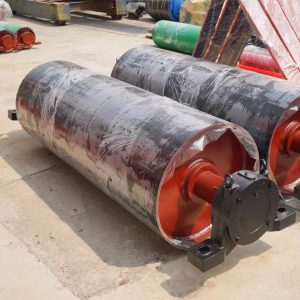
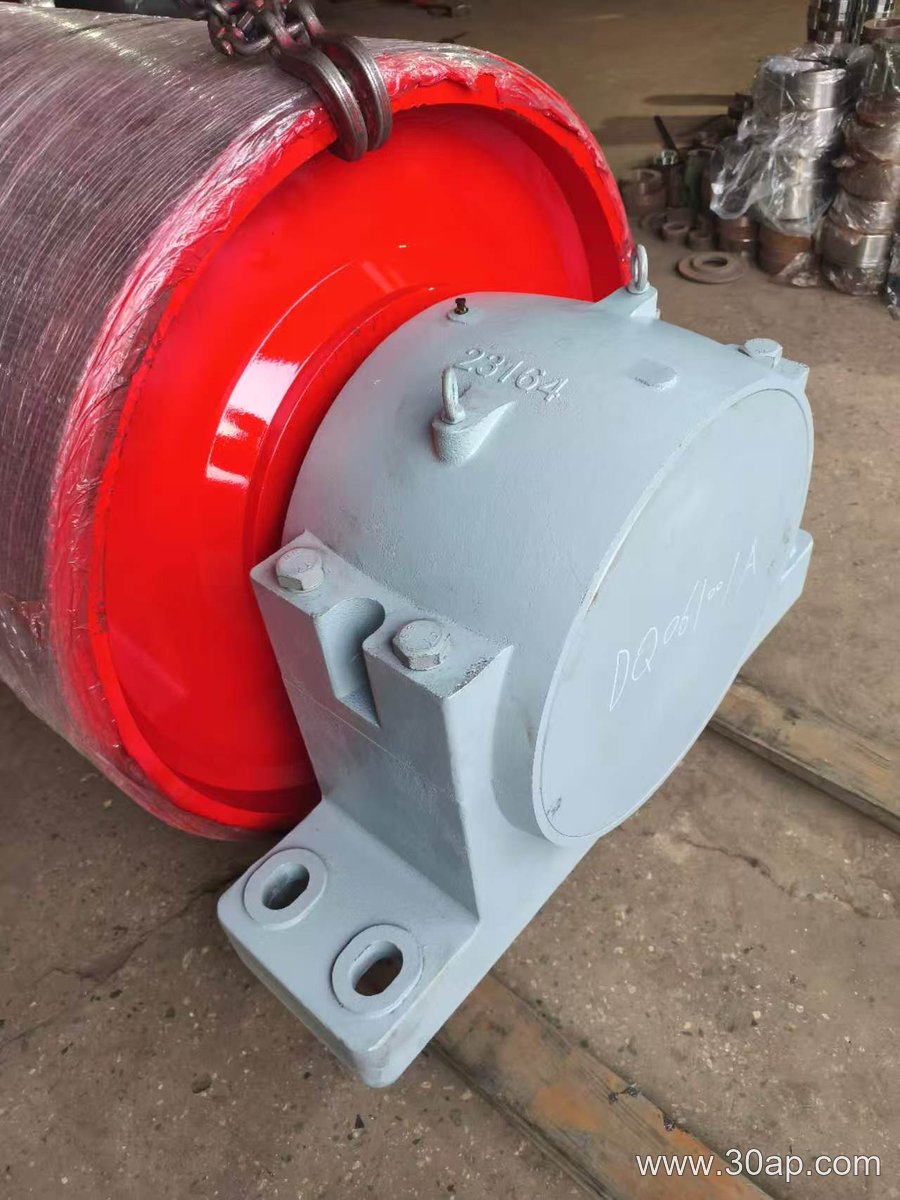
A conveyor pulley drives or redirects the belt. Choose the right one for reliable, efficient operation.
Key Selection Factors
- Belt width and load capacity
- Pulley diameter and face length
- Lagging type for grip
- Shaft and bearing specs
Purchasing Advice
Verify material, balance, and tolerances. Request load ratings and maintenance data before ordering.