What a Conveyor Parts Idler Does on the Line
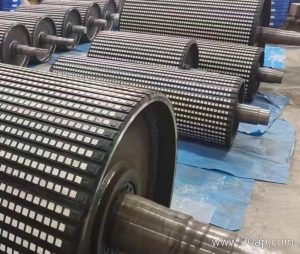
A conveyor parts idler is the rotating support that carries the belt and the material load along the length of a conveyor. In a quarry, a coal washing plant, or a power plant coal yard, these rollers are the parts that keep the belt tracking, reduce friction, and protect the belt from sagging between frames. The idler roller works together with the conveyor pulley at the head and tail, the conveyor bracket that holds the frame, and the belt itself. Each of these parts has its own job, and a drive pulley, a tail pulley, or a bend pulley cannot replace an idler, just as an idler cannot take over the work of a pulley.
How the Idler Is Built
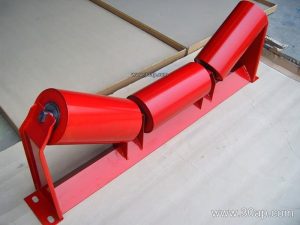
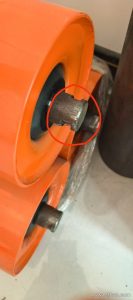
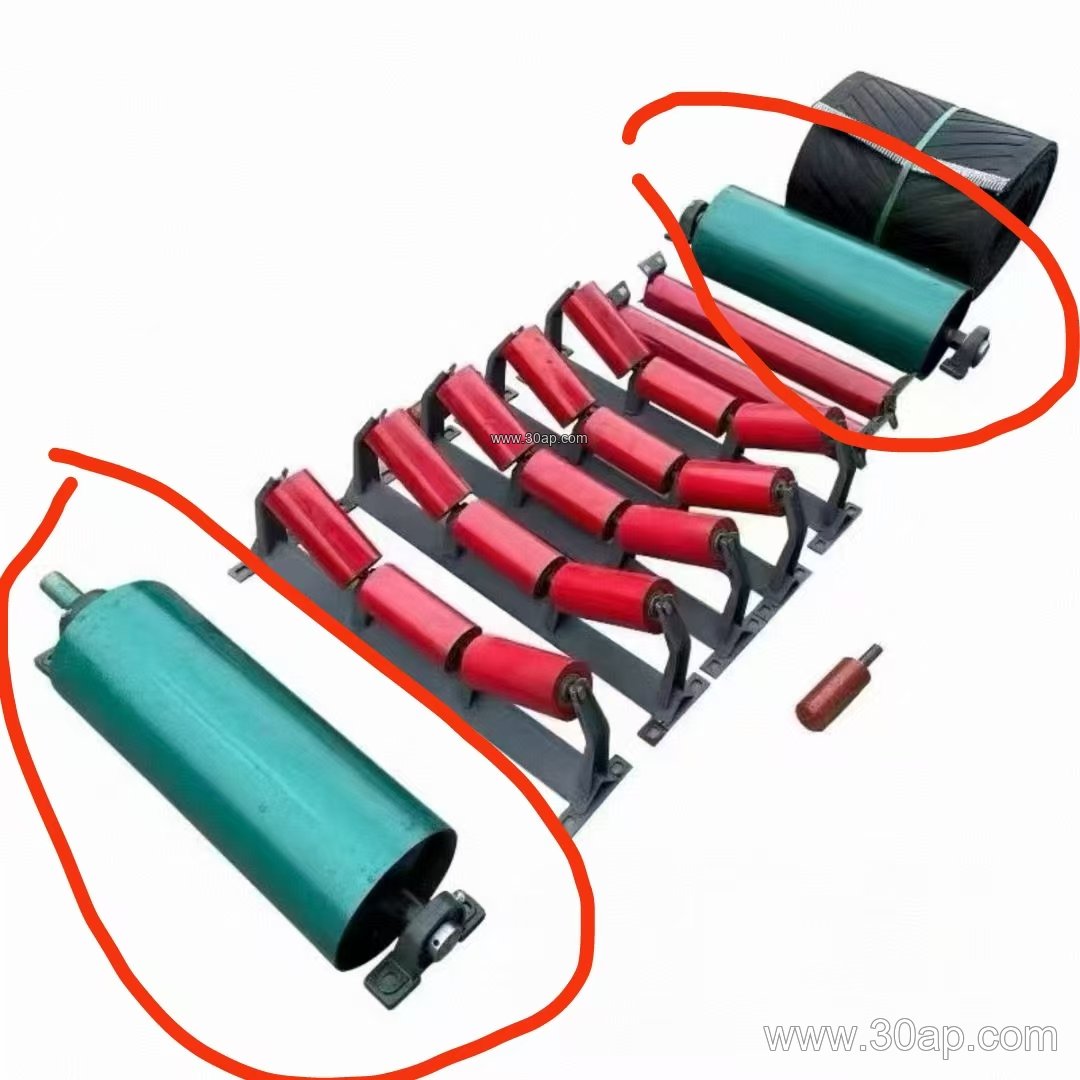
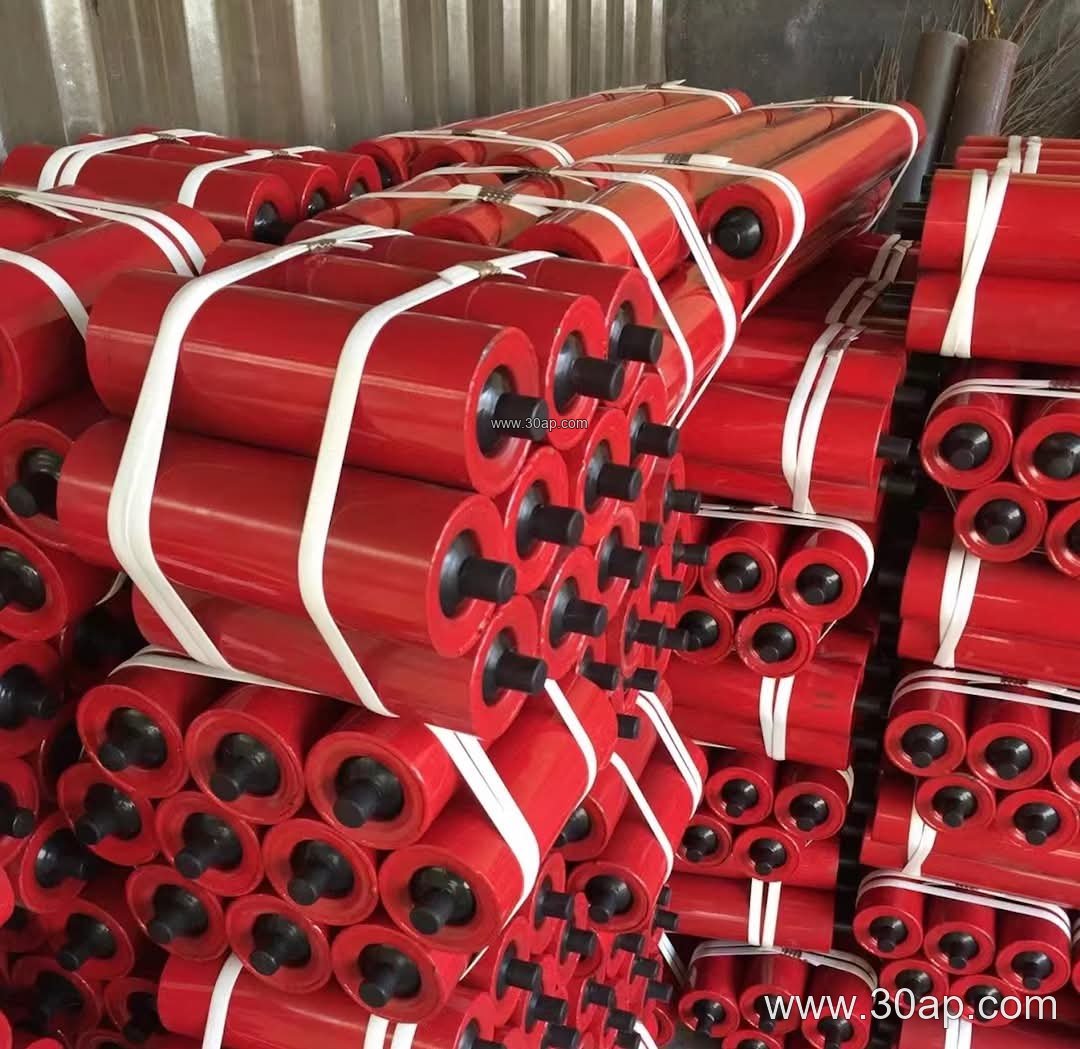
A typical idler is a steel tube with a shaft, bearing housings, seals, and end caps. The roller surface may be plain steel, nylon, ceramic, or covered with rubber rings for impact zones. Bearing size is usually chosen by load and speed rather than by belt width alone. Common bearing numbers include 6204, 6205, 6305, 6306, 6308, and 6310, but no single bearing is tied to one roller diameter. Sealing quality matters in dusty sites such as a limestone mine or a crushing and screening line, because fine dust is the main reason bearings fail early.
Common Idler Types and Where They Sit
- Troughing idlers with two or three rolls form the belt into a trough on the carrying side.
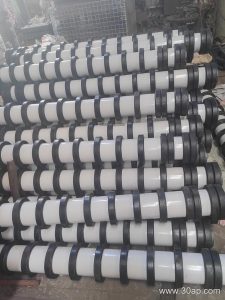
- Impact idlers with rubber rings sit under the loading point to absorb the drop of rock or ore.
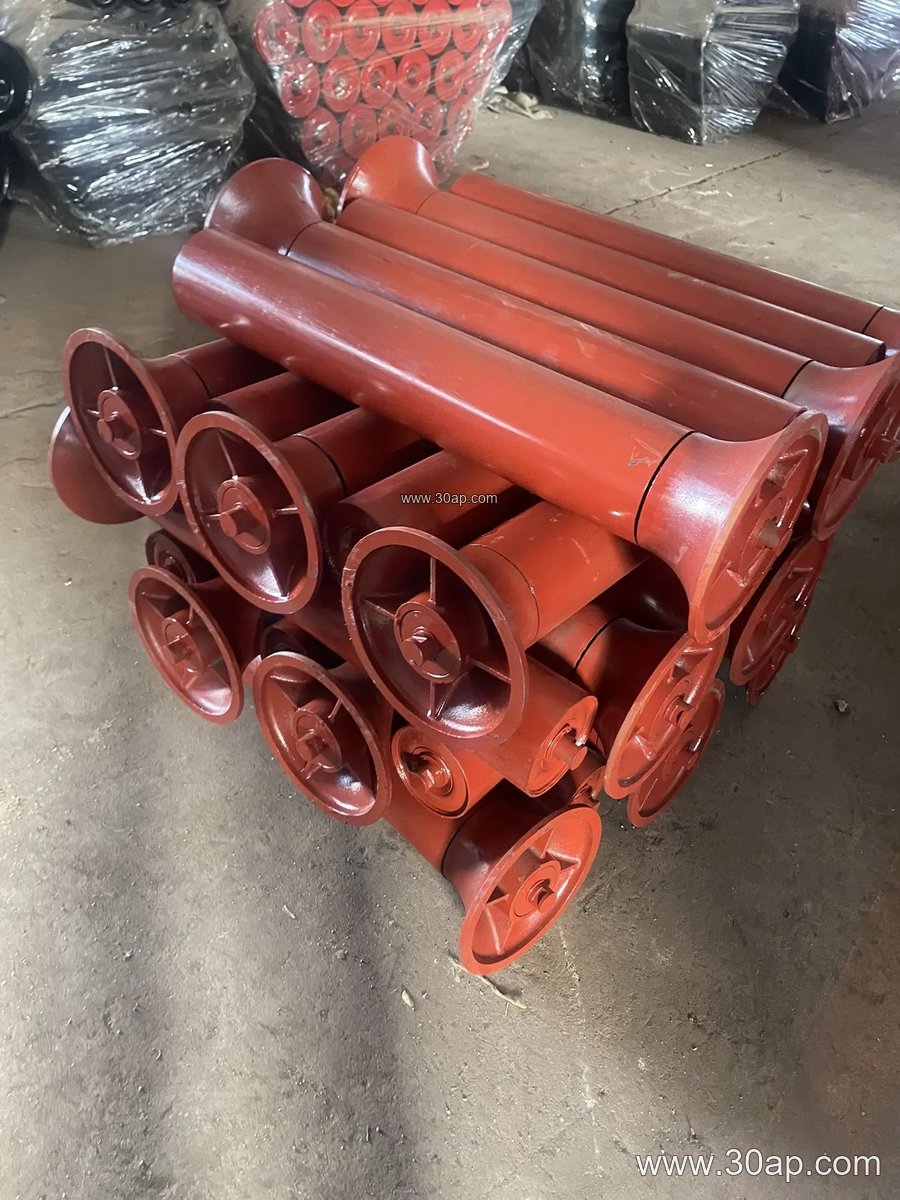
- Return idlers and V-return idlers support the empty belt on the return run.
- Self-aligning idlers, including friction and taper types, help correct belt drift on long runs.
- Transition idlers ease the belt from the flat pulley into the trough section.
Trough angles are commonly 20, 30, 35, or 45 degrees. A forward tilt of about 1.5 to 2 degrees is sometimes used on training idlers, but it is a design detail, not a rule for every station. In a cement plant or a steel plant sinter line, the choice between a standard troughing set and an impact set is usually driven by lump size and drop height.
Roller Diameter, Belt Width, and Roll Length
Roller diameters commonly range from Ø63 up to Ø219, and belt widths from B400 to B2400. Roll length changes with belt width, trough angle, and the number of rolls in the set. The table below shows common examples for three-roll troughing sets, not fixed matches.
| Belt width | Typical roll length (three-roll set) |
|---|---|
| B500 | about 200 mm |
| B650 | about 250 mm |
| B800 | about 315 mm |
| B1000 | about 380 mm |
| B1200 | about 465 mm |
| B1400 | about 530 mm |
| B1600 | about 600 mm |
| B1800 | about 670 mm |
| B2000 | about 750 mm |
Side rolls and center rolls can differ in length, so the figures are only a starting point for layout. A wide belt such as a 1200mm or 1500mm conveyor belt does not automatically dictate one shaft diameter; the shaft, bearing, and frame are calculated from the actual load.
Matching the Idler to the Belt and the Job
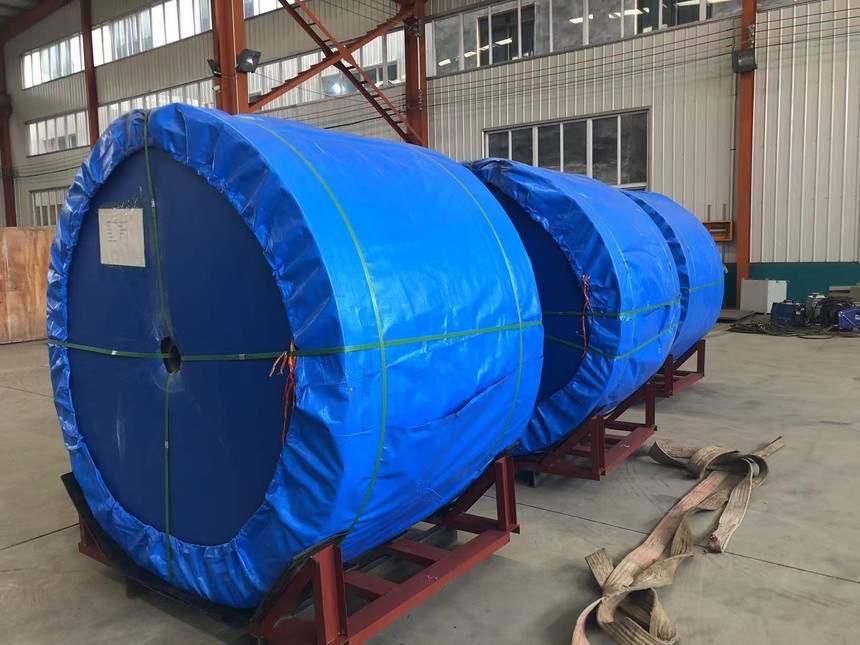
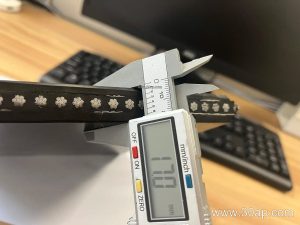
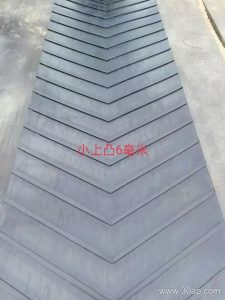
The belt is the other half of the pair. An abrasion resistant conveyor belt in an iron ore or copper ore terminal will wear differently from a food grade belt in a grain facility. A heat resistant conveyor belt near a clinker cooler, a flame retardant conveyor belt in an underground coal mining conveyor, or an oil resistant belt in a recycling line all place different demands on roller seals and bearing grease. When the belt is a steel cord conveyor belt or a heavy-duty mining conveyor belt carrying high tension, idler spacing and roller strength deserve extra attention. For steep inclines, a chevron conveyor belt or a corrugated sidewall conveyor belt may be used, and the idler layout still has to follow the belt path.
What Buyers Should Check Before Ordering
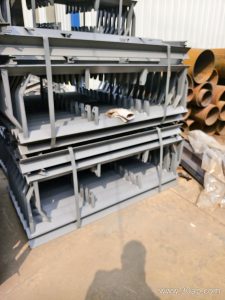
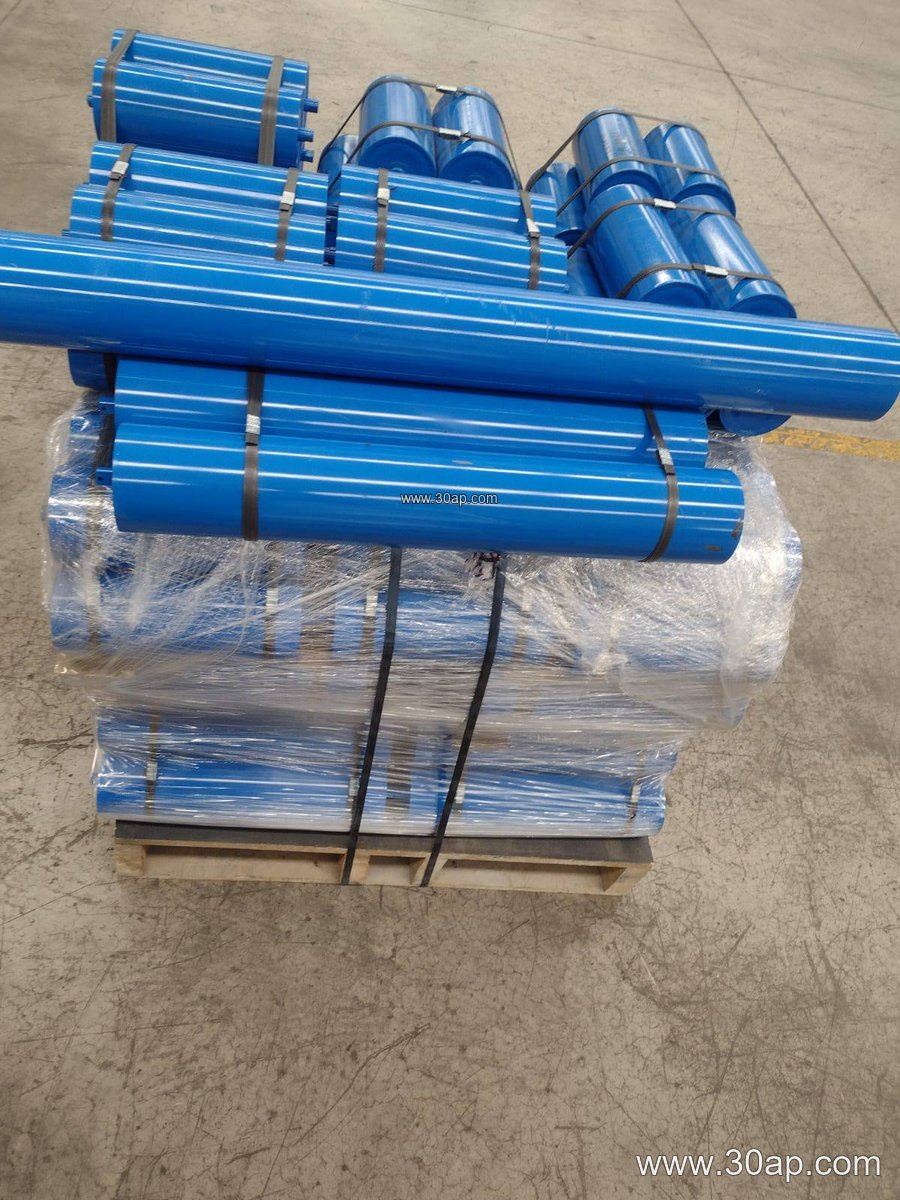
Ask for the roller diameter, roll length, shaft end type, bearing number, seal design, and surface form for each position. Confirm the trough angle and the number of rolls per set. State the environment: dust, water, heat, or oil. Check that the conveyor bracket and frame dimensions match the idler ends, because a correct roller on the wrong bracket still causes misalignment. Spare parts planning should cover the carrying side, the return side, and the impact zone separately, since these wear at different rates. For a port conveyor or a tunnel spoil line, keep a small stock of the most frequently replaced sizes so a stopped belt does not stop the whole flow.