What an ST1250 Conveyor Belt Is
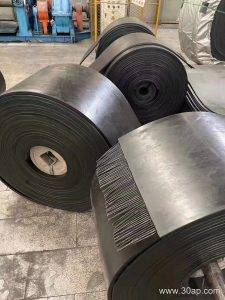
An ST1250 conveyor belt is a steel cord conveyor belt with a nominal tensile strength of 1250 N/mm. It belongs to the steel cord (ST) family, where the load-bearing skeleton is made of galvanized steel cords embedded in rubber instead of woven fabric plies. In heavy-duty mining, coal preparation, cement plants, power stations and large sand and gravel yards, this belt class is chosen when a single long conveyor must carry high tonnage with limited stretch.
The common equivalent name is ST1250 steel cord conveyor belt. Both terms describe the same product; ST1250 is the strength designation, not a separate belt type.
Construction and Internal Layout
The belt is built around a layer of parallel steel cords running longitudinally, spaced and tensioned during calendering. A layer of core rubber bonds the cords, and top and bottom cover rubber protects the carcass from abrasion, impact and moisture. Because the cords carry the tension, an ST1250 belt stretches far less than a fabric belt of similar rating, which helps keep take-up travel and sag under control on long runs.
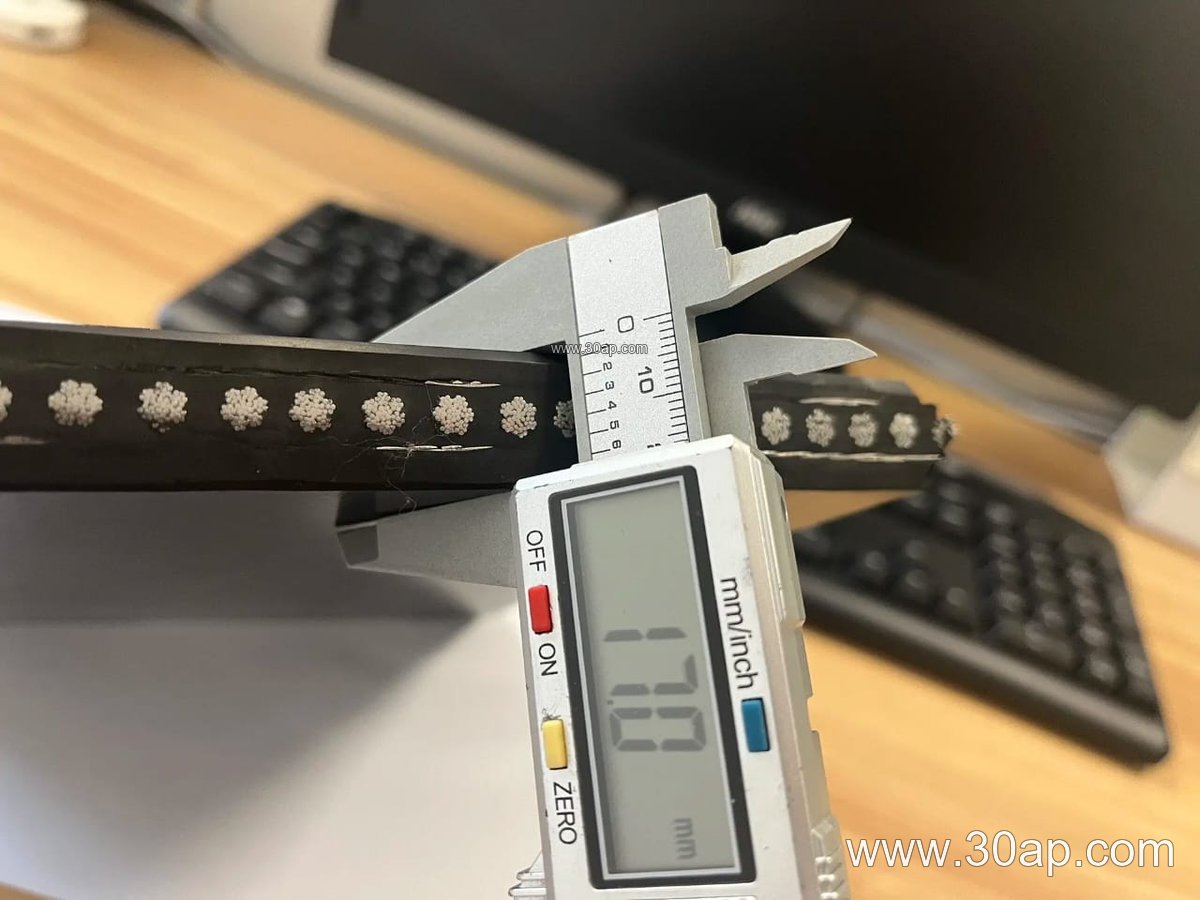
Typical build-up for this strength class includes:
- Galvanized steel cords as the tension member
- Core rubber between and around the cords
- Abrasion-resistant top cover, often with a thicker gauge for impact zones
- Thinner bottom cover running against idler rollers
Cover thickness is usually quoted as a top plus bottom figure, for example 6+2 mm or 8+3 mm, depending on lump size and wear conditions. These are common references; actual gauges are confirmed by the belt designer.
Where It Fits in a Conveyor
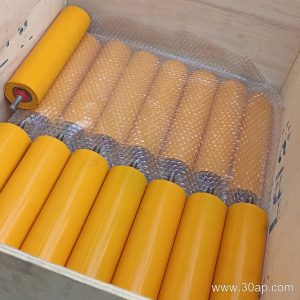
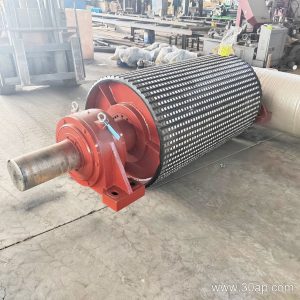
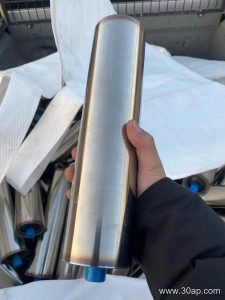
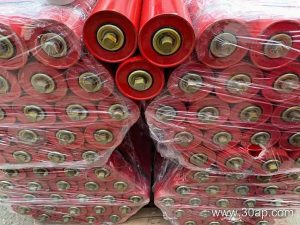
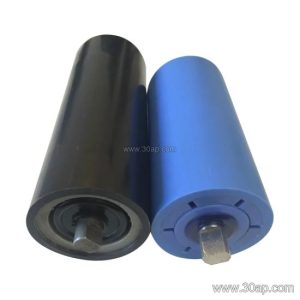
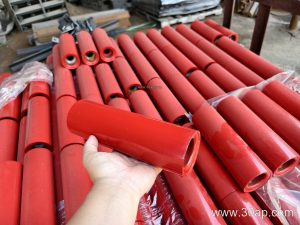
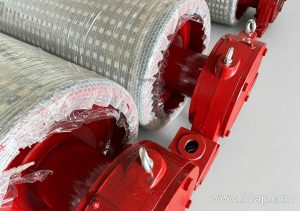
ST1250 belts are used on main haulage conveyors, incline conveyors in open-pit mines, coal handling lines, clinker transport, and stockyard feed belts in steel and power plants. The belt runs over a conveyor pulley at the drive and tail, passes over bend pulleys, and is supported by idler rollers mounted on conveyor brackets along the structure. The high tensile rating suits long center distances and high lift, where fabric belts would need multiple plies and still show excessive elongation.
Belt width is matched to the tonnage and lump size, and pulley diameters are selected from the cord diameter and belt tension, not from width alone. A B1000 belt and a B1200 belt may both run on the same strength class but with different pulley sizes, so the drive, tail and bend pulleys should always be confirmed by the conveyor designer.
Reference Dimensions and Strength Data
The table below shows common reference values for steel cord belts in this class. They are not a fixed supply promise; each project confirms its own specification.
| Item | Common reference values |
|---|---|
| Strength grade | ST1250 (1250 N/mm) |
| Belt width | B800, B1000, B1200, B1400, B1600 |
| Cover thickness | 5+2, 6+2, 8+3 mm |
| Cover compounds | Abrasion-resistant, heat-resistant, oil-resistant, flame-retardant, antistatic, cold-resistant |
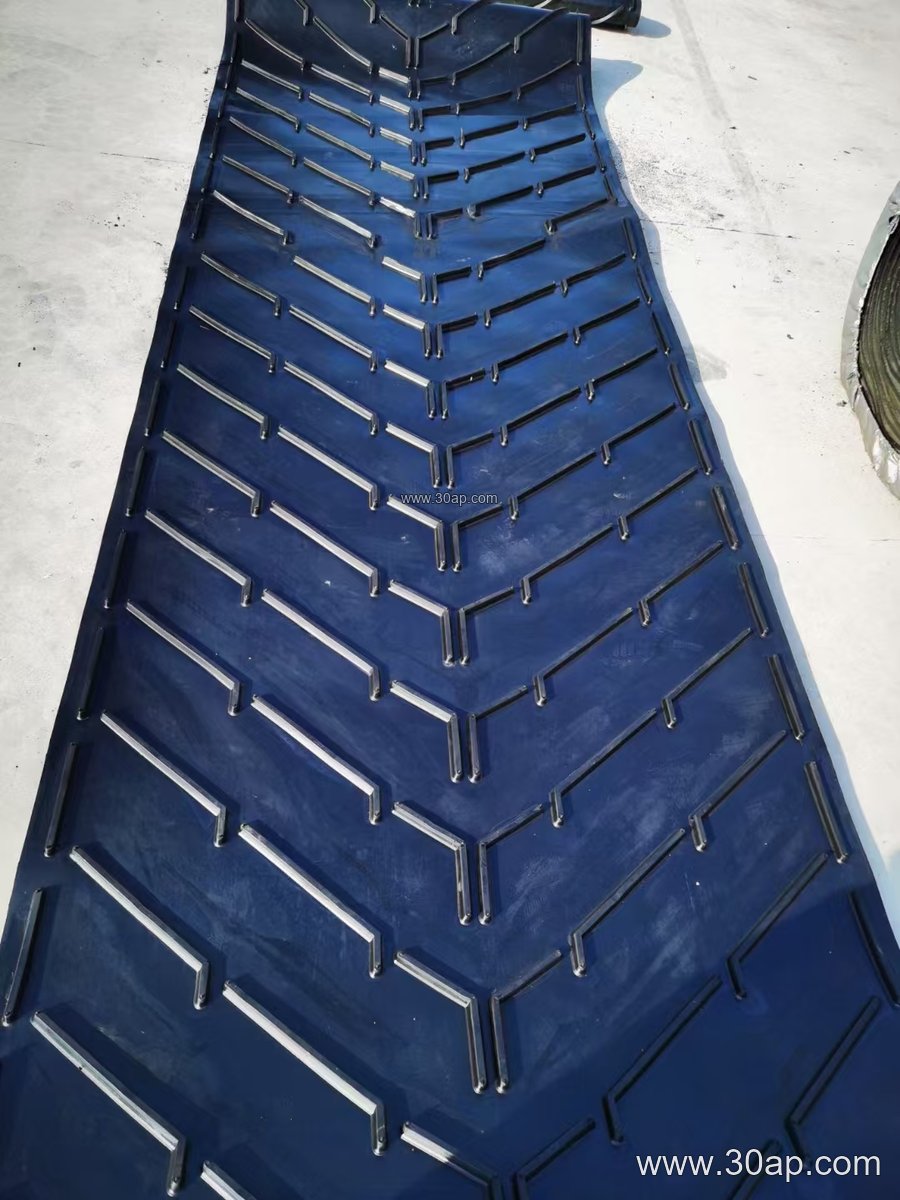
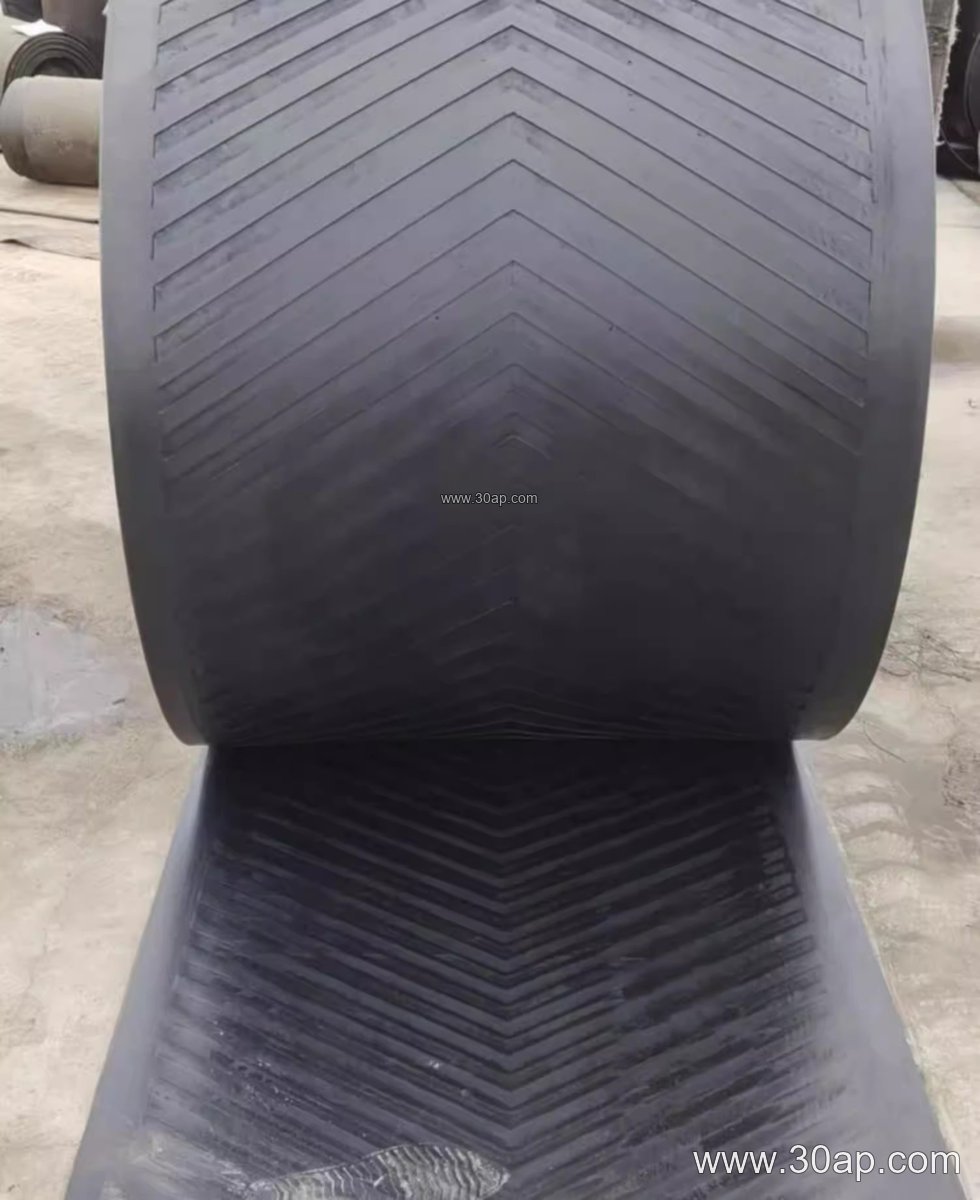
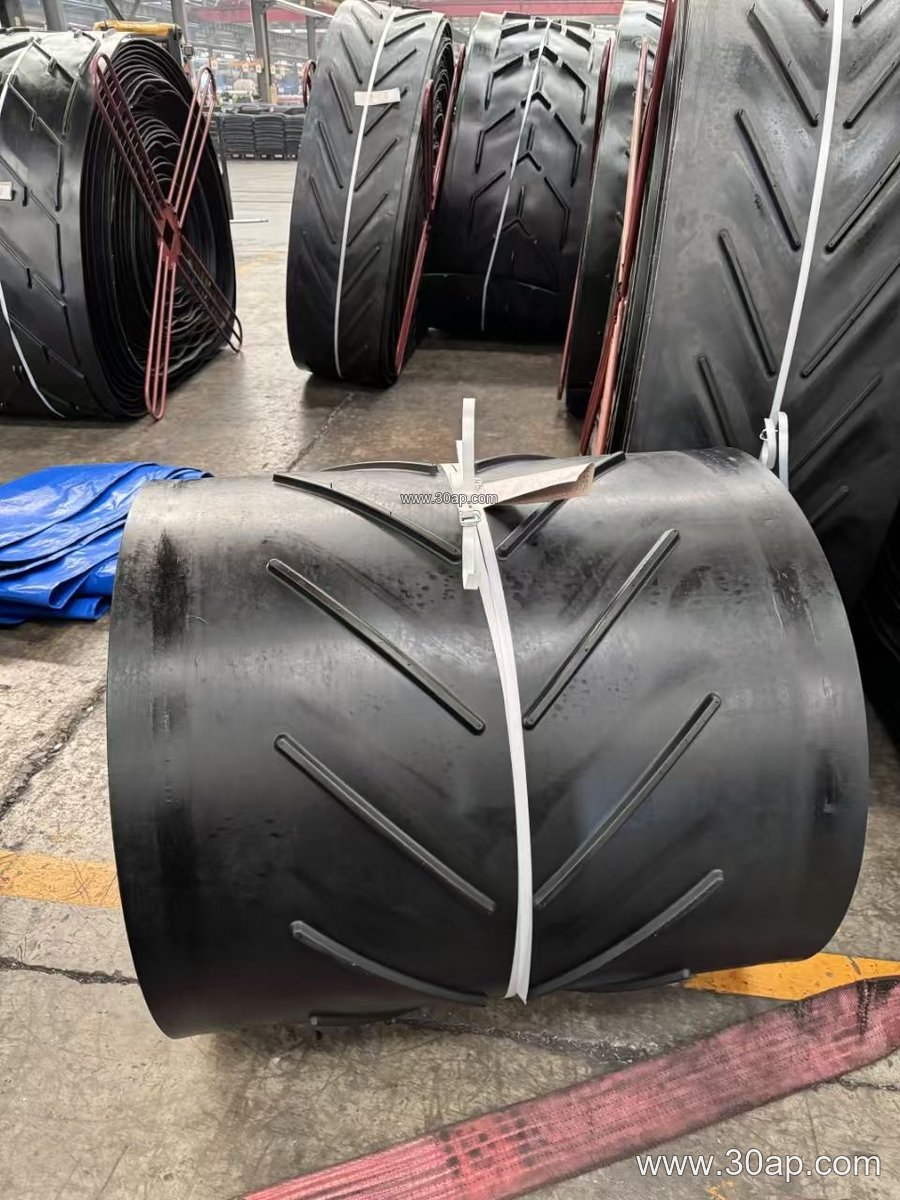
| Surface forms | Smooth, patterned or chevron top cover when extra grip is required |
For comparison only, fabric belts such as EP1000 or NN belts are used on shorter, lighter conveyors; they are a different product family and do not replace an ST1250 belt where steel cord tension capacity is required.
Selection Points for Buyers
Start with the duty: tonnage, belt speed, incline, lump size and the longest unsupported span. Then confirm the required tensile grade and the safety factor used by the conveyor designer. Check the cover compound against the material — wet coal, hot clinker, oil-soaked scrap or dusty cement each call for a different cover. Verify pulley diameters and idler roller spacing, because an oversized cord on a small pulley shortens flex life.
Ask for the cord pitch, cord diameter, cover gauge and belt mass per square meter, since these affect splice design and take-up. Joints on steel cord belts are usually vulcanized with cord-by-cord splicing, so the belt supplier and the splicing crew should work from the same data. Storage also matters: keep rolls upright, away from moisture and direct sun, and avoid sharp bends.
Maintenance Notes
Inspect the belt surface for cuts, edge wear and cover separation, especially near the loading point where impact is highest. Check idler rollers for seizure and misalignment, and keep the conveyor pulley lagging clean so traction stays even. A belt that tracks poorly is often a sign of off-center loading or a misaligned bracket, not a belt defect. Regular inspection keeps an ST1250 belt running through its expected service life in mines, cement works and power plants.