What a Port Conveyor Belt Does
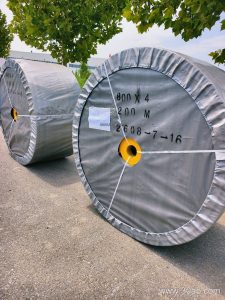
A port conveyor belt is the heavy-duty workhorse that moves bulk cargo—iron ore, coal, cement, grain, fertilizer, and aggregates—between ship loaders, stackers, reclaimers, and storage yards. Unlike a general-purpose factory belt, this belt must tolerate salt air, abrasive dust, impact at transfer points, and continuous operation in a harsh marine environment. The product is often specified as a Rubber Conveyor Belt with a fabric or steel cord carcass, and the choice of construction depends on the material being handled and the conveyor profile.
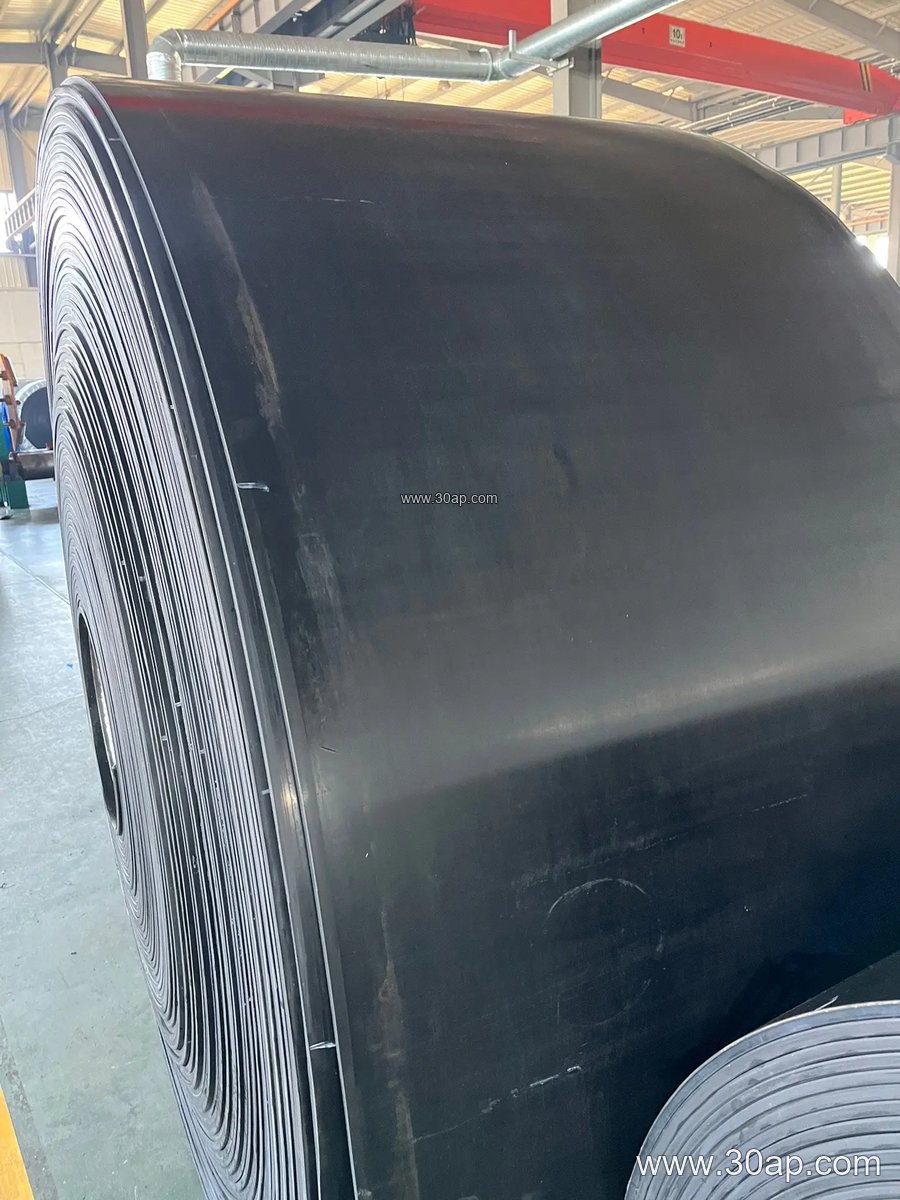
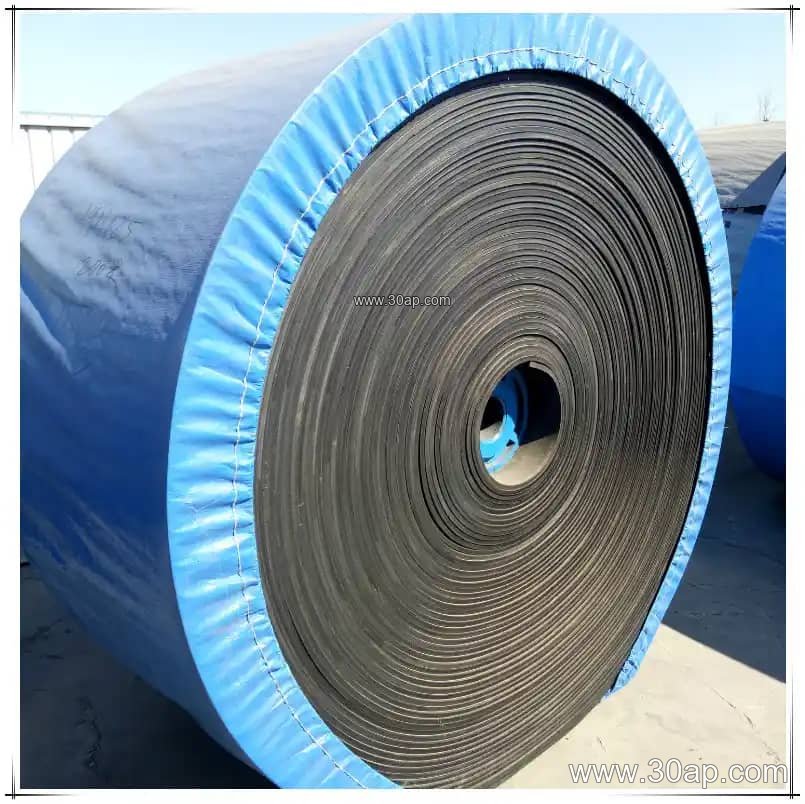
Construction and Common Configurations
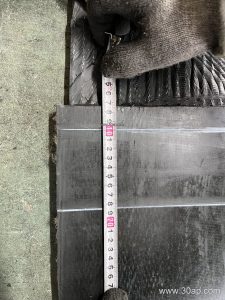
Most port belts use either a fabric core or a steel cord tension member. Fabric-core designs include EP Conveyor Belt (polyester-cotton) and NN conveyor belt (nylon-nylon), built in multiple plies. Steel cord belts are chosen for long center distances and high tonnage. Cover compounds are selected for the cargo: abrasion-resistant rubber for ore and clinker, oil-resistant grades for petroleum coke, and flame-retardant covers where fire safety rules apply. A typical specification table might look like this:
| Property | Common Range |
|---|---|
| Belt width | B800, B1000, B1200, B1400, B1600, B1800, B2000 |
| Fabric strength (EP) | EP200, EP315, EP400, EP500, EP630, EP800, EP1000, EP1250 |
| Steel cord strength (ST) | ST1000, ST1250, ST1600, ST2000, ST2500 |
| Cover thickness | 4+2 mm, 5+2 mm, 6+2 mm, 8+3 mm |
| Ply count (fabric) | 2 to 6 plies |
These values are common references; actual selection follows the conveyor design, material lump size, and required safety factor.
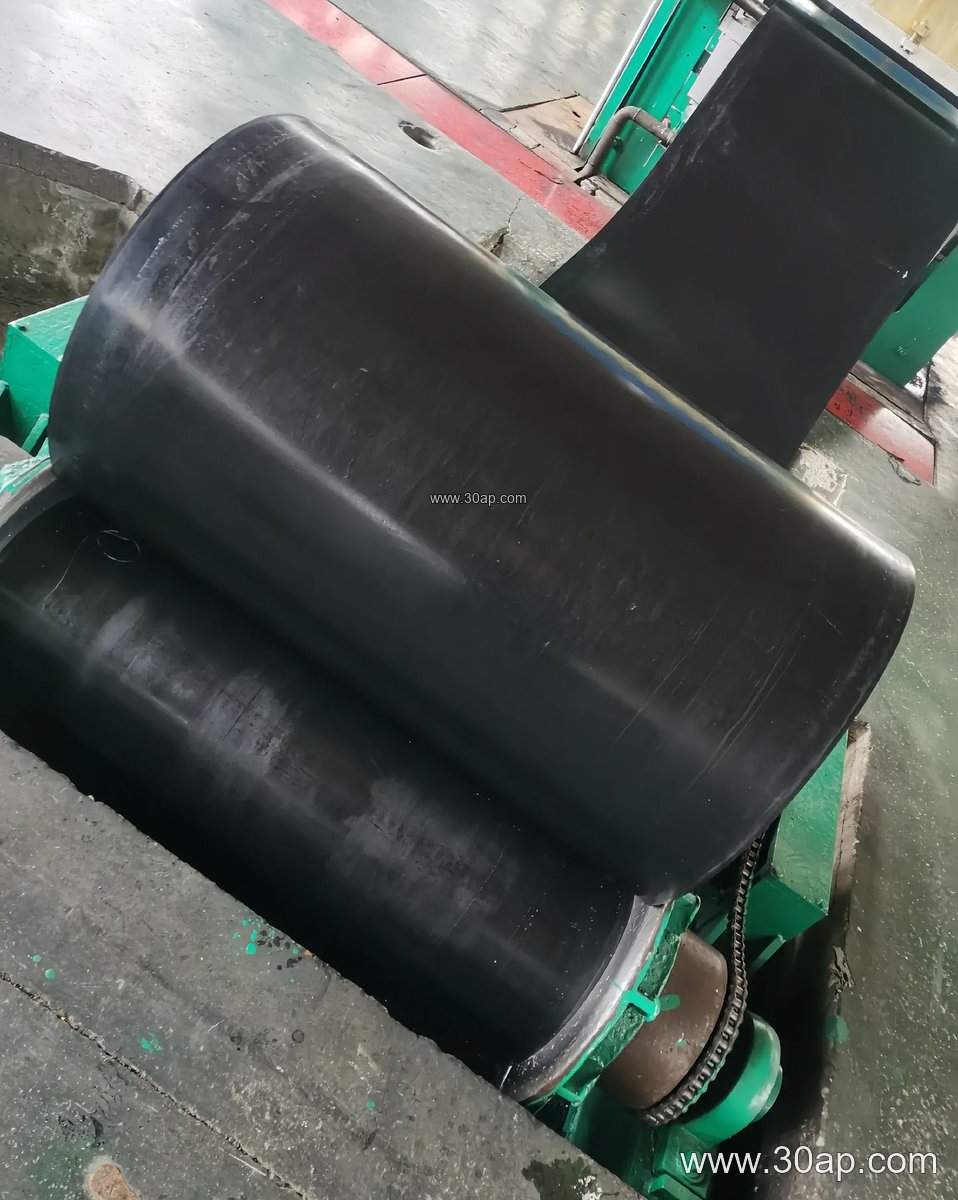
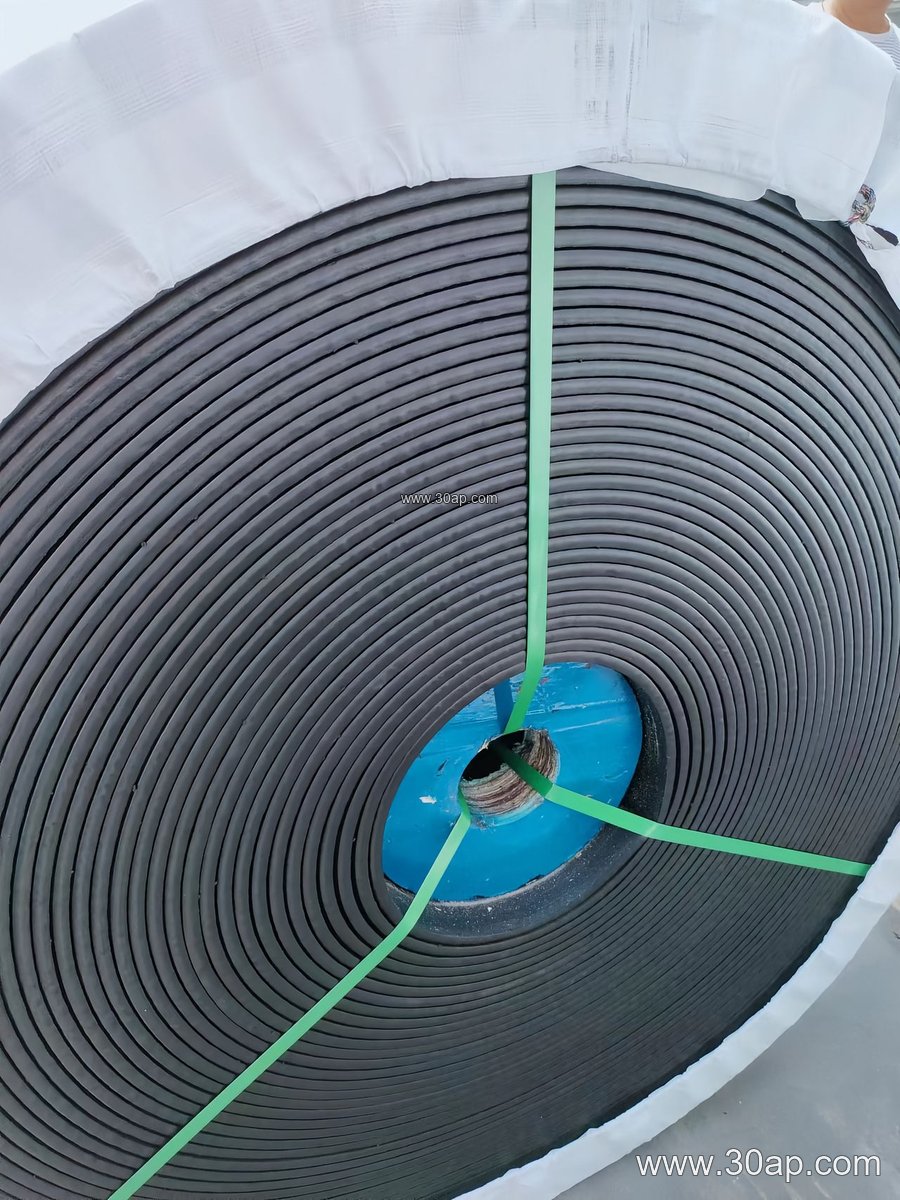
Where It Is Used
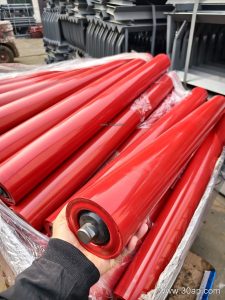
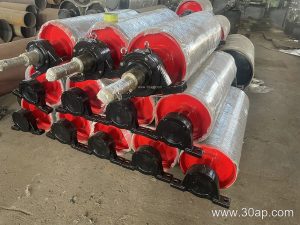
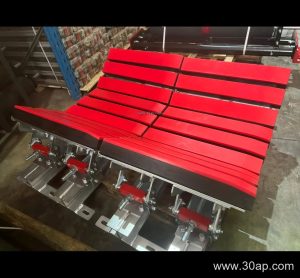
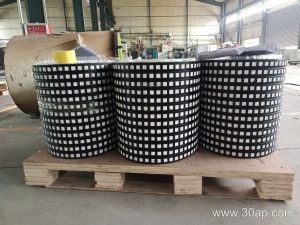
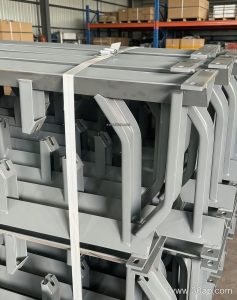
Ports handling coal, ore, and cement rely on these belts at ship unloaders, quay conveyors, and yard stackers. In a coal terminal, a Flame Retardant Conveyor Belt may be required for enclosed galleries, while a steel cord belt handles the long incline from the quay to the stockpile. For iron ore and copper ore, a high abrasion resistant cover extends service life. The same belt family appears in power plants, cement plants, and quarry operations that feed port terminals. Supporting components—idler rollers, conveyor pulleys, and conveyor brackets—must be matched to the belt width and tension, but they are separate items from the belt itself.
Buyer Checklist
- Confirm the cargo type and whether oil, heat, or flame resistance is needed.
- State the conveyor center distance and lift so the tension class (EP or ST) can be verified.
- Check belt width against the existing pulley face and idler frame—width alone does not fix shaft diameter.
- Review cover thickness for impact at loading points; a thicker top cover helps with large lumps.
- Ask for the splice method (vulcanized or mechanical) and ensure it suits the belt construction.
- For dusty, cold, or static-prone terminals, consider anti-static or cold-resistant grades.
A well-chosen port conveyor belt balances strength, cover compound, and splice reliability to keep cargo moving through the terminal with minimal downtime.