What a Coal Conveyor Belt Does
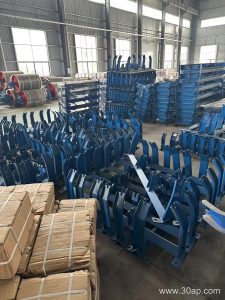
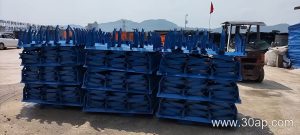
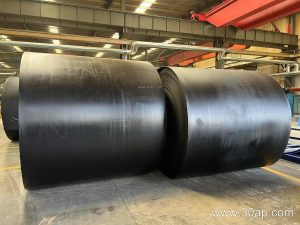
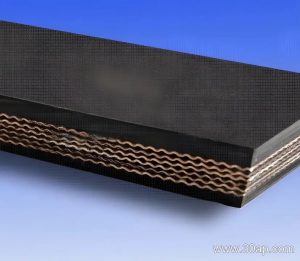
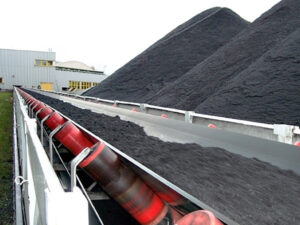
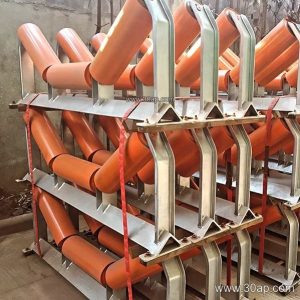
A coal conveyor belt is the load-carrying component of a continuous haulage system that moves raw coal, washed coal, or blended fuel between stockpiles, crushers, bunkers, and boilers. In a coal mine, a power plant, or a cement kiln line, this belt works alongside idler rollers, conveyor pulleys, and conveyor brackets to keep material flowing without manual handling. The belt itself is a composite: a fabric or steel cord carcass provides tensile strength, while top and bottom rubber covers protect the carcass from abrasion, impact, and moisture.
Because coal is relatively soft but often mixed with rock, shale, and fines, the belt must balance flexibility with cut and tear resistance. The same product is also called a coal haulage belt or a coal transport belt, and it belongs to the broader family of bulk material conveyor belts.
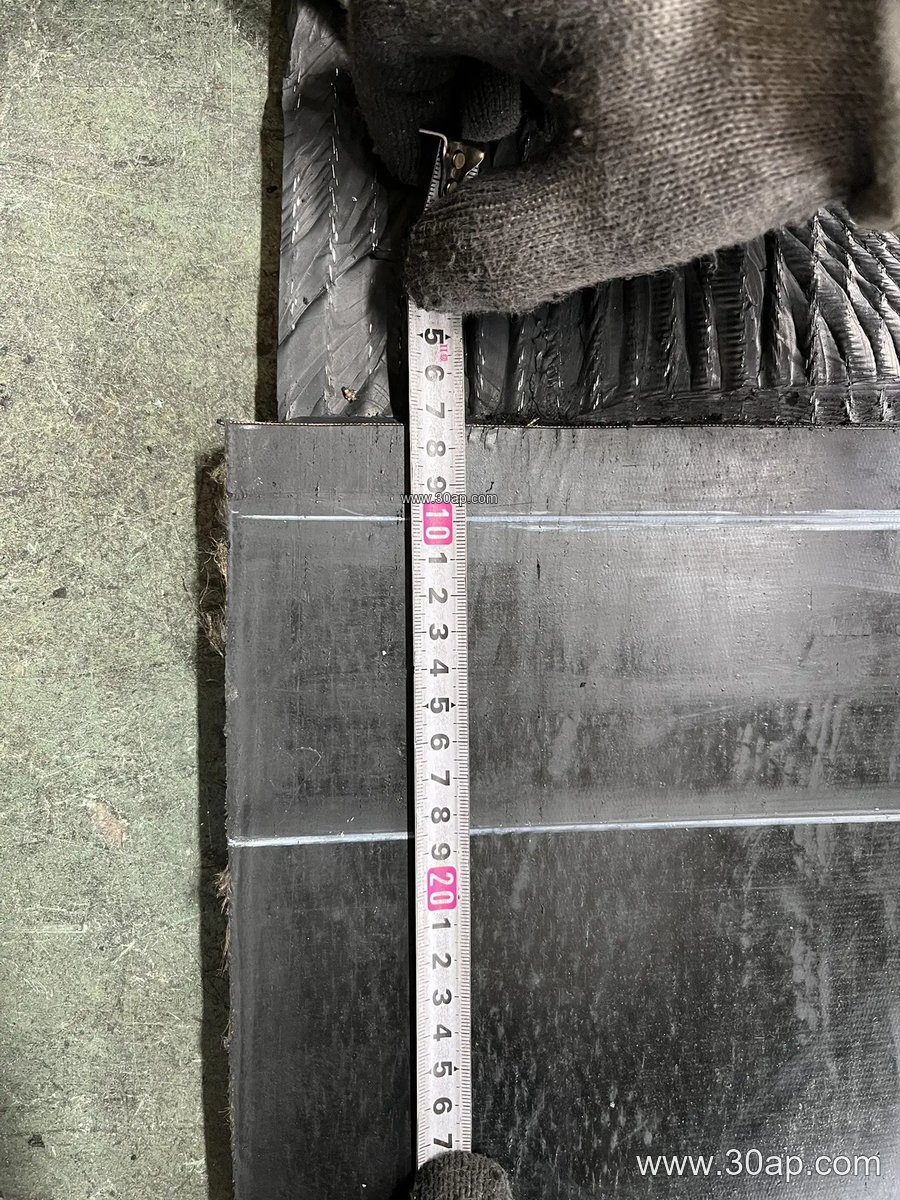
Construction and Common Belt Types
Most coal conveyor belts use either a fabric core or a steel cord core. Fabric core belts are built from multiple plies of EP (polyester-cotton) or NN (nylon-nylon) fabric, while steel cord belts use brass-plated wires for high tension over long distances. For underground coal mining, flame retardant and anti-static properties are often specified, and PVG or PVC solid-woven belts are common where fire safety is critical.
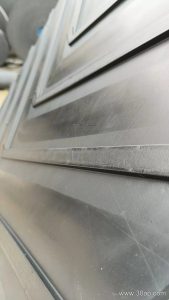
Cover compounds vary by duty. Abrasion resistant covers handle coal with high rock content; heat resistant covers suit coke or hot ash carryover; oil resistant covers are used when coal is treated with dust-suppression oils. Chevron and corrugated sidewall belts help on steep inclines, but they are separate designs rather than replacements for a standard flat coal belt.
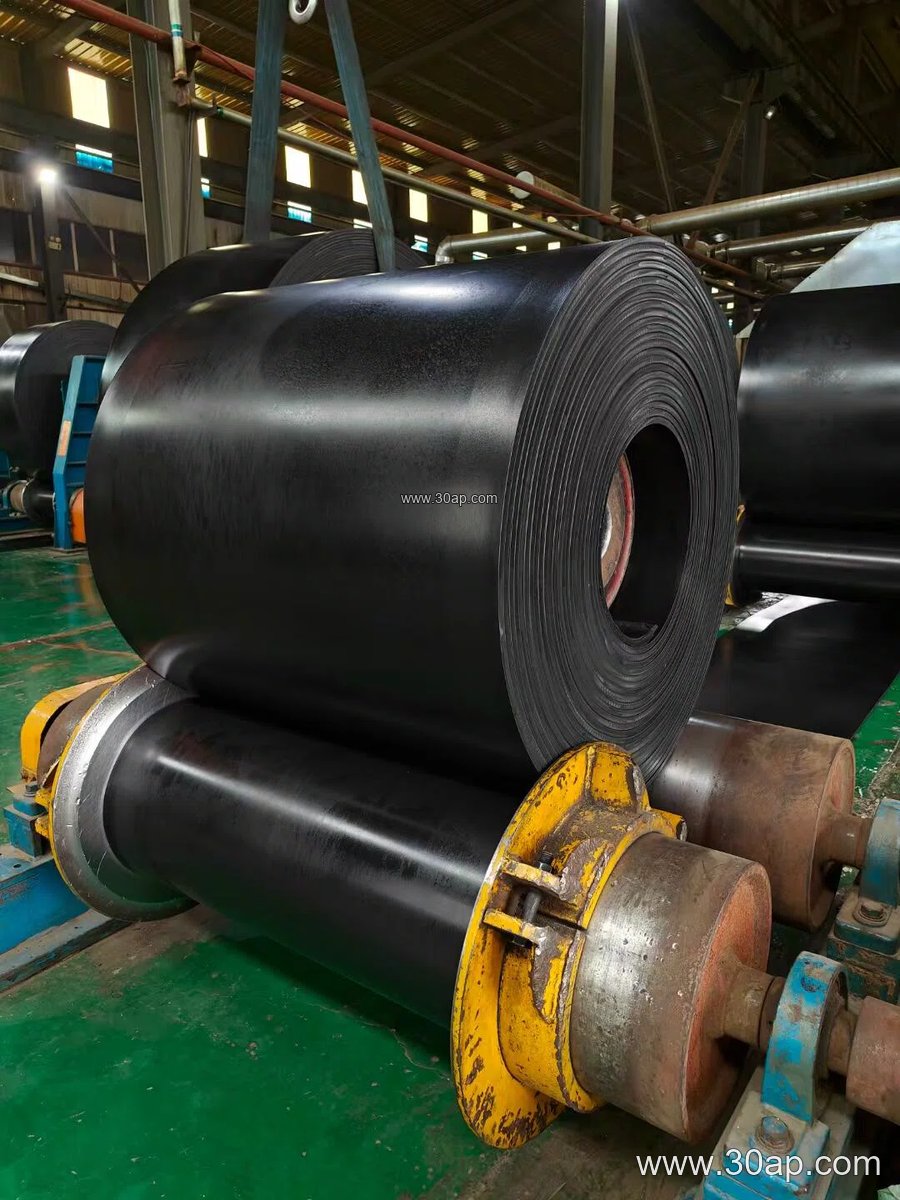
Typical reference data for coal service belts include:
- Fabric core types: EP200, EP315, EP400, EP500, EP630, EP800, EP1000
- Steel cord grades: ST1000, ST1250, ST1600, ST2000
- Belt widths: B500, B650, B800, B1000, B1200, B1400, B1600, B1800, B2000
- Cover thickness examples: 3+1.5 mm, 4+2 mm, 5+2 mm, 6+2 mm
- Carcass plies: usually 2 to 6 layers for fabric belts
These values are for reference only; final selection depends on conveyor length, tonnage, lump size, and the pulley and idler arrangement. A wider belt does not automatically dictate a specific pulley diameter, and shaft sizes must be calculated from actual load and design standards.
Where Coal Conveyor Belts Are Used
In coal mines, the belt carries raw coal from the face to the surface or to a washing plant. In power plants, it feeds stockpiles and boiler bunkers, often through transfer towers and trippers. Cement plants use coal belts to feed kilns and calciners, while port terminals and ship loading facilities rely on heavy-duty belts for rail-to-ship transfer. Quarries and aggregate yards may also use a coal belt for blended fuel or coke breeze, but the same belt can handle other bulk materials when covers and carcass are matched to the duty.
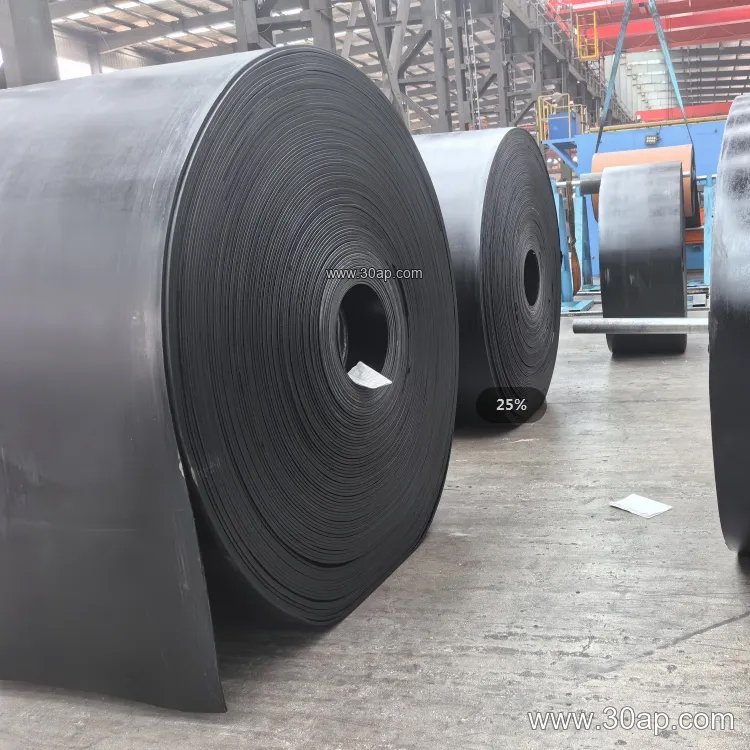
Coal Mining Conveyor Belt systems in underground service usually require flame retardant and anti-static covers, and the belt must resist tearing from roof falls and sharp debris. Surface installations often prioritize abrasion resistance and weather resistance, including cold resistant grades for winter operation.
Buyer Checklist for Coal Belt Selection
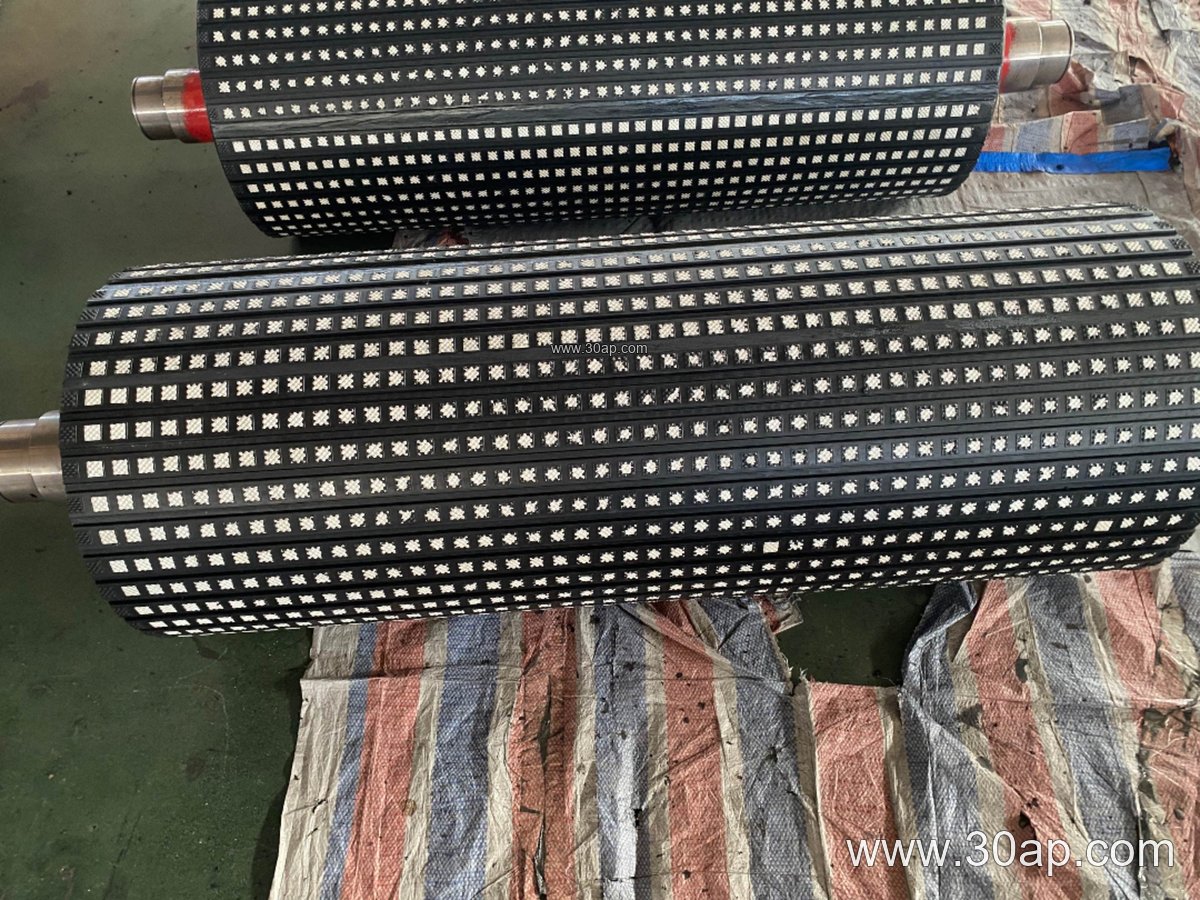
Start with the material specification: coal lump size, moisture content, temperature, and any oil or chemical exposure. Then confirm the conveyor geometry — horizontal length, incline angle, and transfer points. The belt width should be chosen from the required capacity and lump size, not from a fixed rule tied to pulley diameter. Idler roller spacing and conveyor pulley sizes are separate design decisions that affect belt life and tracking.
Ask for the carcass type and ply count, cover grade, and whether the belt is endless or open-end. For underground coal mining, request documentation for flame retardant and anti-static performance. For surface power plant belts, confirm abrasion resistance and UV stability. Spare parts such as conveyor brackets and replacement pulleys should be planned together with the belt to avoid mismatched components.
Finally, consider maintenance: coal belts are often inspected for edge wear, cover gouges, and splice integrity. A well-matched belt, proper idler roller alignment, and correct pulley lagging reduce downtime across mines, power stations, cement works, and port terminals.