What a Belt Conveyor Bracket Does
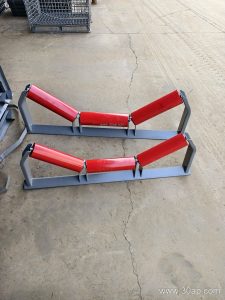
A belt conveyor bracket is the structural support that holds the idlers and, in turn, the conveyor belt in the correct position along the conveyor frame. It is a critical but often overlooked component that directly influences belt tracking, load distribution, and the overall efficiency of a bulk material handling system. Whether you are running a mining conveyor belt in an underground coal mine or a quarry conveyor belt in a limestone operation, the bracket must be matched to the belt width, load, and idler diameter to keep the system running smoothly.
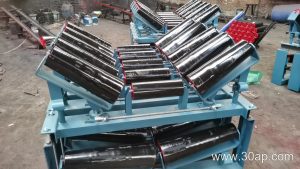
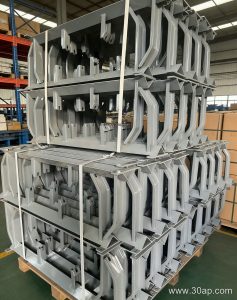
Also known as a conveyor idler bracket or conveyor frame bracket, this component provides a stable mounting point for troughing idlers, return idlers, and impact rollers. The belt conveyor bracket is typically fabricated from angle steel, channel steel, or bent steel plate, and its design must accommodate the specific trough angle and roller diameter required by the application.
Construction and Common Configurations
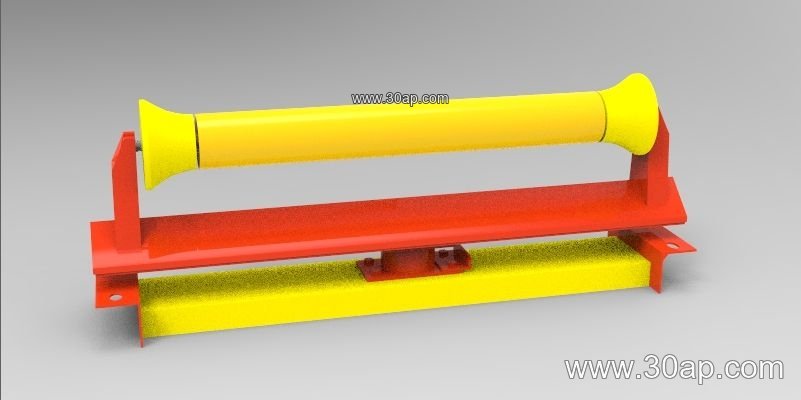
Brackets are usually welded or bolted to the conveyor stringer or frame. The most common types include troughing brackets (for carrying idlers), return brackets (for supporting the empty belt), impact brackets (for loading points), and self-aligning brackets (for belt tracking). Adjustable brackets allow the trough angle to be set between common values such as 20°, 30°, 35°, or 45°, which is useful when the same frame design serves different belt widths or material characteristics.
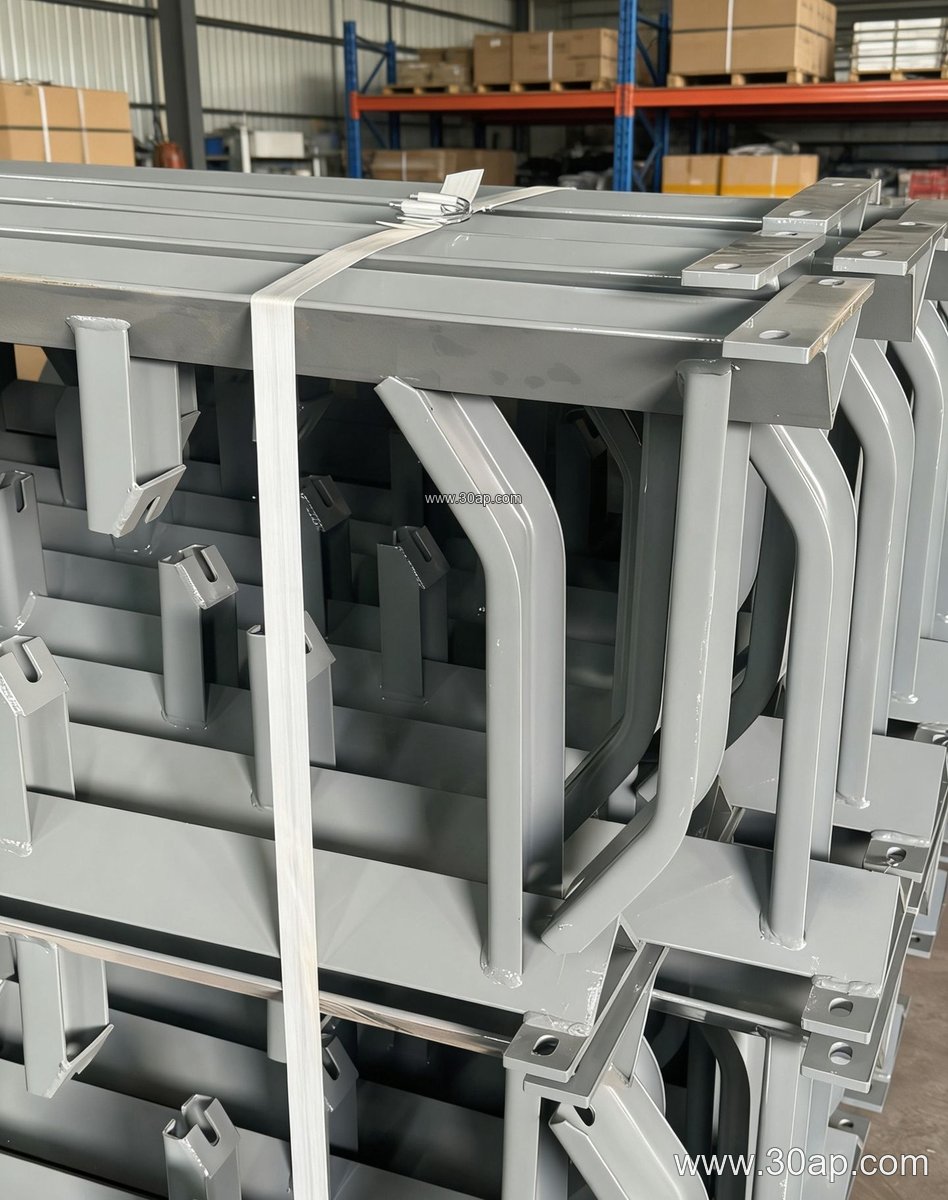
Material selection matters. In a coal mining conveyor belt system, brackets may need to be treated for corrosion resistance or built from heavier sections to withstand shock loads. In a cement plant or power plant coal handling system, dust and fines can accumulate, so bracket design should avoid pockets that trap material.
Typical Reference Data for Belt Conveyor Brackets
The table below lists common reference values; actual dimensions are determined by the conveyor design and should be confirmed with the manufacturer.
| Parameter | Common Reference Values |
|---|---|
| Belt width (B) | B500, B650, B800, B1000, B1200, B1400, B1600, B1800, B2000, B2200 |
| Trough angle | 20°, 30°, 35°, 45° (adjustable brackets can be set within a range) |
| Idler diameter (Ø) | Ø89, Ø108, Ø133, Ø159, Ø194 |
| Material | Angle steel, channel steel, bent steel plate |
| Mounting hole spacing | Varies with belt width and trough angle; determined by design |
For example, a B800 conveyor with a 35° trough and Ø108 idlers would use a bracket designed for that combination. A B1200 conveyor with a 45° trough and Ø133 idlers requires a different bracket geometry. There is no fixed rule that one belt width must use a specific trough angle or idler diameter—these are selected based on material lump size, belt speed, and load capacity.
Where Belt Conveyor Brackets Are Used
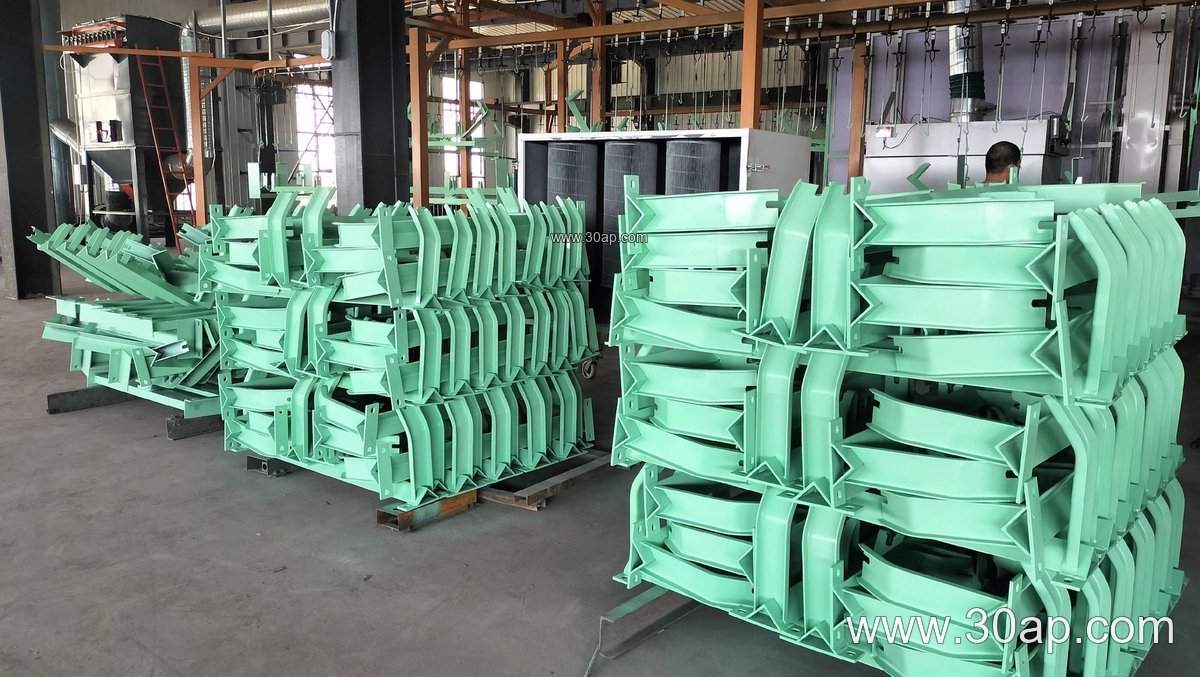
These brackets are found in virtually every industry that relies on belt conveyors. In a crushing and screening plant, impact brackets support the belt at transfer points where rock and aggregate drop onto the belt. In a cement plant, troughing brackets keep the belt centered while carrying clinker and raw meal. In port operations and ship loading facilities, heavy-duty brackets must handle high tonnages and continuous operation.
Other common applications include:
- Iron ore and copper ore handling in mining operations
- Coal handling in power plants and wash plants
- Fertilizer and grain handling in bulk terminals
- Tunnel muck removal and construction material transport
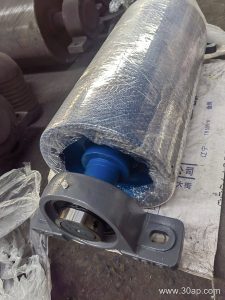
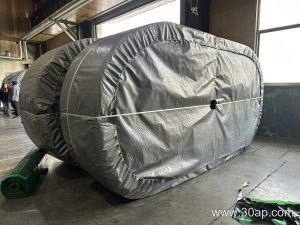
The bracket works together with the conveyor belt, idler roller, and conveyor pulley to form a complete conveyor system. A poorly selected bracket can cause belt misalignment, premature idler failure, and increased spillage.
Selection Tips for Buyers
When specifying a belt conveyor bracket, consider the following:
- Belt width and trough angle: Confirm the belt width (e.g., B650, B1000, B1400) and the required trough angle. Adjustable brackets offer flexibility if the angle may change.
- Idler diameter: Match the bracket to the idler roller diameter (Ø89 to Ø194) to ensure proper fit and load support.
- Load and impact: At loading points, use impact brackets with cushioning or reinforced construction.
- Environment: In corrosive or wet conditions, consider galvanized or painted brackets. In underground coal mining, flame retardant and anti-static properties may be relevant for the entire conveyor system, including the belt and components.
- Compatibility: Ensure the bracket mounting holes align with the conveyor frame and that the bracket height suits the belt line.
For heavy-duty applications such as iron ore conveyor belts or overland conveyors, brackets may need to be designed for higher loads and longer spans. Always request dimensional drawings and material certificates from the supplier to verify compliance with your conveyor design.
Maintenance and Long-Term Reliability
Regular inspection of brackets is part of good conveyor maintenance. Check for loose bolts, bent or cracked brackets, and corrosion. A damaged bracket can cause the idler to sit at the wrong angle, leading to belt edge damage and mistracking. Replacing worn brackets during scheduled shutdowns helps avoid unplanned downtime.
In summary, the belt conveyor bracket is a small but essential part of any conveyor system. By understanding its construction, configuration options, and application-specific requirements, buyers can select the right bracket to support efficient and reliable material handling.