What an EP100 Conveyor Belt Is
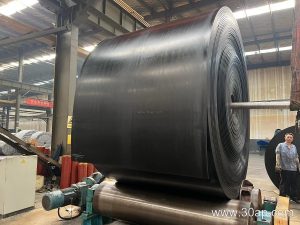
An EP100 Conveyor Belt is a fabric-core belt built with polyester (E) warp and polyamide (P) weft cords, commonly referred to as an EP Conveyor Belt or EP rubber conveyor belt. The “100” indicates a nominal tensile strength of 100 N/mm per ply, making it a light-to-medium duty choice for many bulk handling lines. This belt sits at the entry level of the EP range, which also includes higher grades such as EP200, EP315, and EP400 for more demanding tension requirements.
The carcass is protected by rubber covers that can be specified for different service conditions. A standard abrasion resistant conveyor belt cover suits sand, gravel, and cement clinker, while flame retardant conveyor belt or heat resistant conveyor belt variants are available for underground coal mining or power plant applications.
Construction and Typical Specifications
EP100 belts are usually built with two to four fabric plies, depending on the required strength and load support. Cover rubber grades are selected to match the material being carried and the environment. Common cover thickness combinations include 3+1.5 mm, 4+2 mm, and 5+2 mm, though final dimensions are determined by the conveyor design.
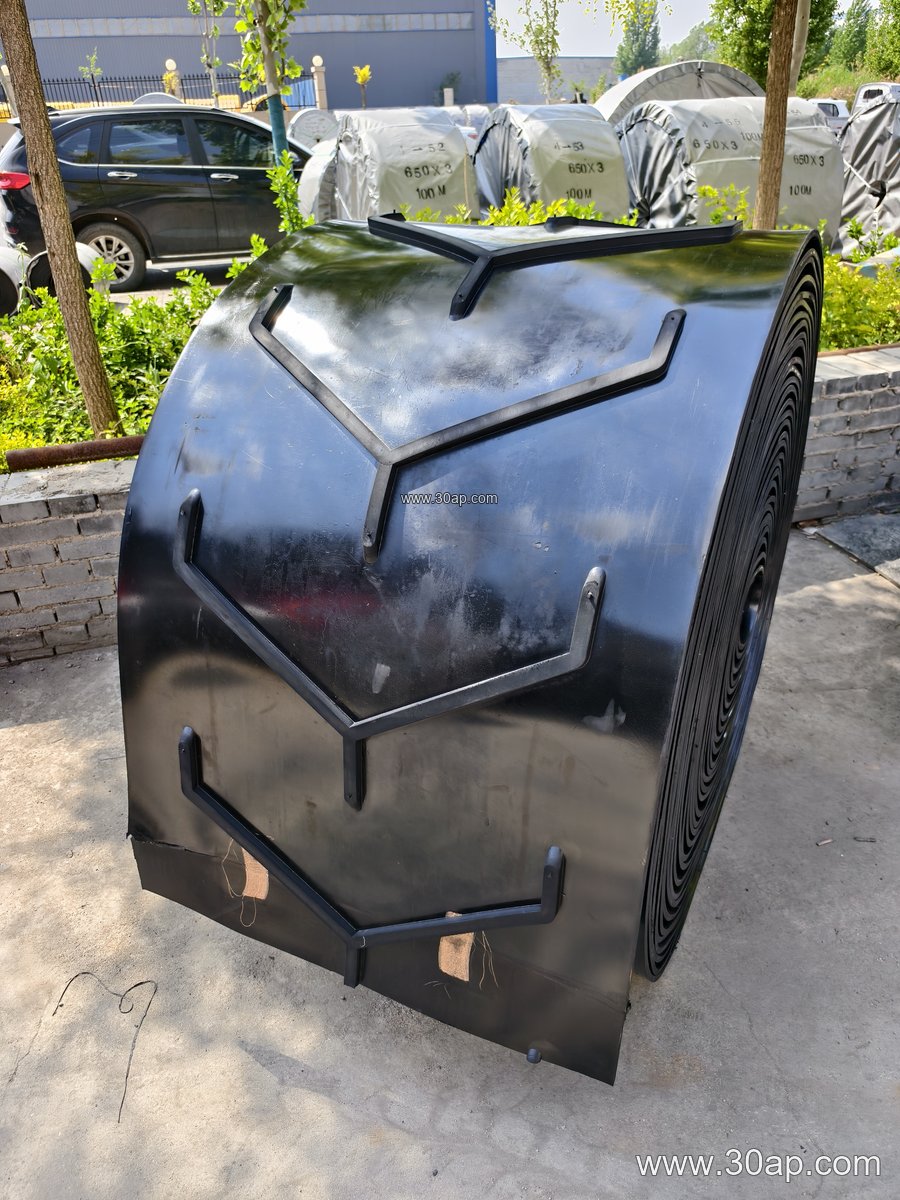
The table below shows indicative parameters for an EP100 Conveyor Belt. Values are typical ranges and should be confirmed with the belt manufacturer for each order.
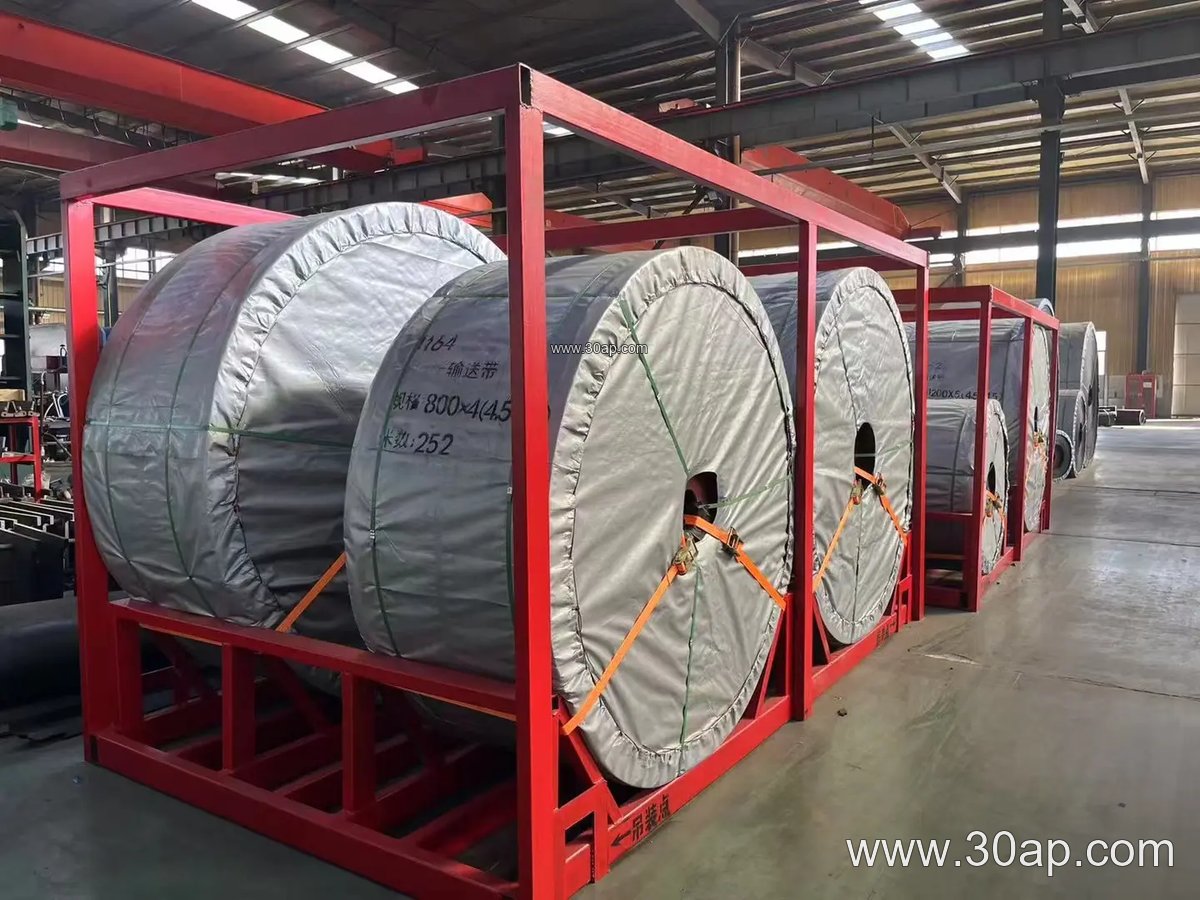
| Parameter | Typical Range |
|---|---|
| Strength grade | EP100 (100 N/mm per ply) |
| Number of plies | 2 to 4 |
| Belt width | B500, B650, B800, B1000, B1200 |
| Cover thickness | 3+1.5 mm, 4+2 mm, 5+2 mm |
| Cover types | Abrasion resistant, flame retardant, heat resistant, oil resistant |
Where EP100 Belts Are Used
This belt grade is often found in quarry conveyor belts, aggregate conveyor belts, and cement plant conveyor belts where moderate tension and good abrasion resistance are needed. In sand making plants and stone crushing lines, an EP100 belt can serve as a crusher conveyor belt or screen feed belt. It also appears in recycling facilities and small port conveyor systems handling bulk materials.
For heavier ores or long overland conveyors, a higher grade such as EP200 or a steel cord conveyor belt may be more appropriate. The EP100 should not be confused with NN conveyor belts, which use nylon fabric in both directions and have different elongation characteristics.
Buyer Checklist
- Confirm the required belt width and ply count against the conveyor’s calculated tension.
- Match the cover rubber to the material: abrasion resistant for sharp rock, heat resistant for clinker, flame retardant for underground coal mining.
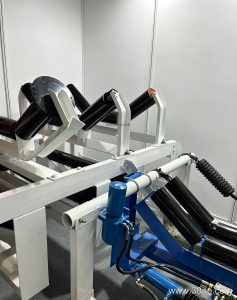
- Check pulley diameters and idler roller spacing to avoid excessive flexing of the fabric carcass.
- Consider an endless conveyor belt splice for permanent installations to reduce joint maintenance.
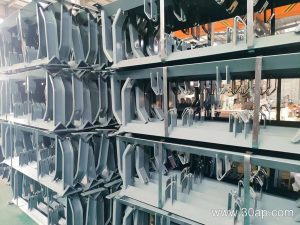
- Ensure the conveyor bracket and frame are aligned so the belt tracks correctly and edge damage is minimized.
Maintenance Notes
Inspect the belt regularly for edge wear, cover gouges, and splice integrity. Keep conveyor pulleys and idler rollers clean and turning freely; a seized roller can cause rapid cover wear. For coal mining conveyor belt applications, verify that the flame retardant properties remain intact after any repair. Store spare EP100 belting in a dry, shaded area and avoid sharp bends that could damage the fabric core.