What a Parallel Idler Bracket Does
A parallel idler bracket is the mounting component that holds a flat return idler roller in line with the conveyor frame. Instead of tilting the roller to form a trough, this bracket keeps the roller axis parallel to the belt surface, supporting the belt on its return run. It is a simple part, but its alignment affects belt tracking, roller life, and the amount of spillage that collects under the structure.
The same component is often called a flat return bracket or a lower parallel idler support. Those names describe the same product; they are not interchangeable with troughing brackets, transition brackets, or self-aligning brackets, which serve different positions and belt profiles.
How the Bracket Is Built
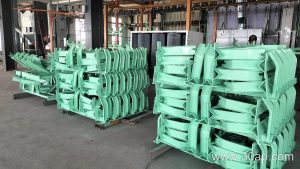
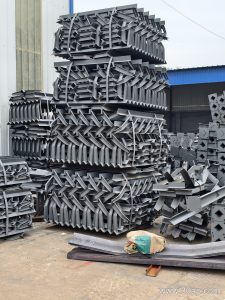
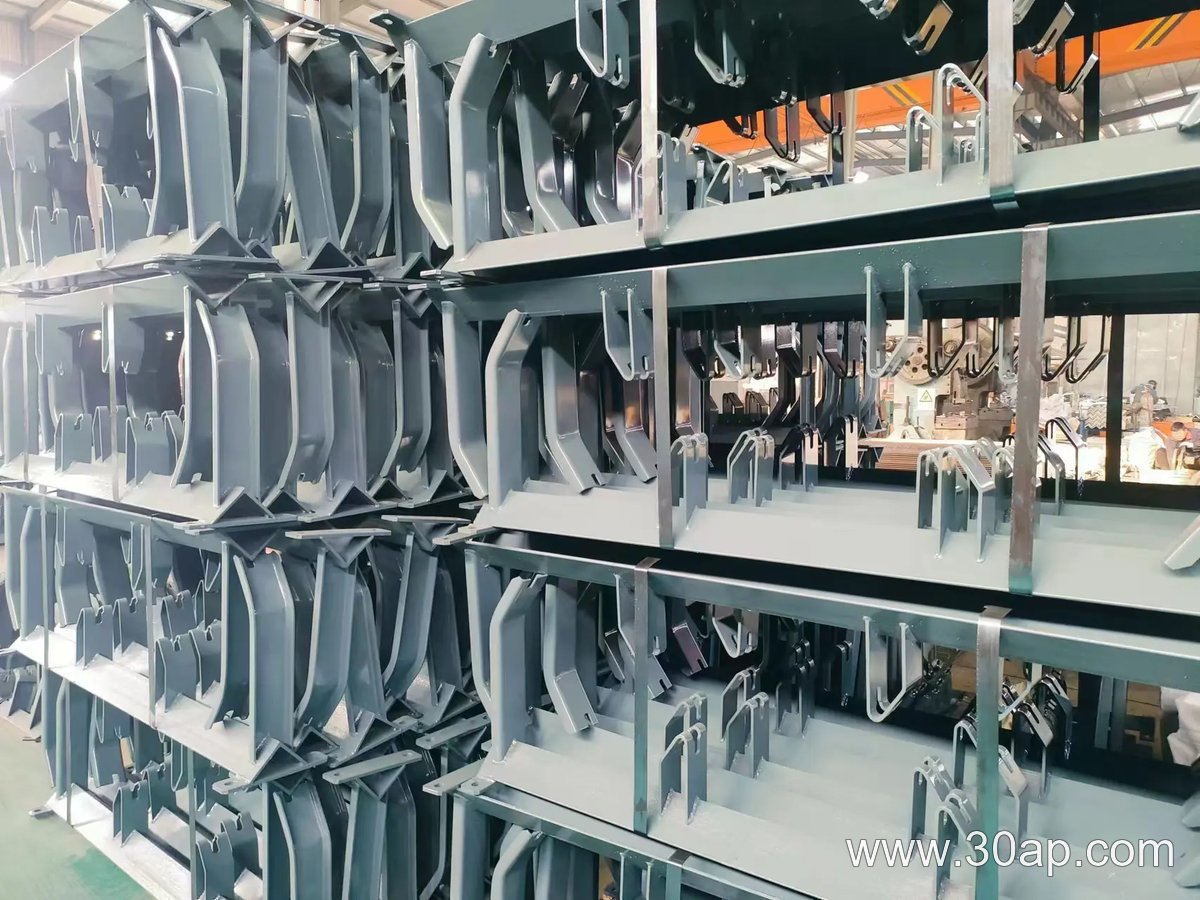
Most parallel idler brackets are fabricated from angle steel, channel steel, or folded steel plate. The frame may be bolted to the conveyor stringer or welded to a cross member, depending on the design. A typical bracket has two vertical or angled side plates, a base that fits the frame width, and slotted or drilled holes that accept the idler shaft.
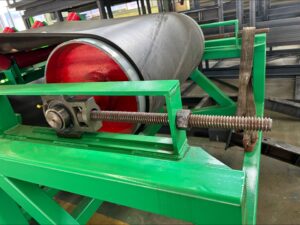
Slotting is common because it allows the roller position to be adjusted slightly during installation. That adjustment helps the maintenance team line up the roller with the belt path rather than forcing the belt to run against a fixed edge. The bracket itself does not usually include the roller; it is a support part that receives a separate idler roller.
Where It Fits on a Conveyor
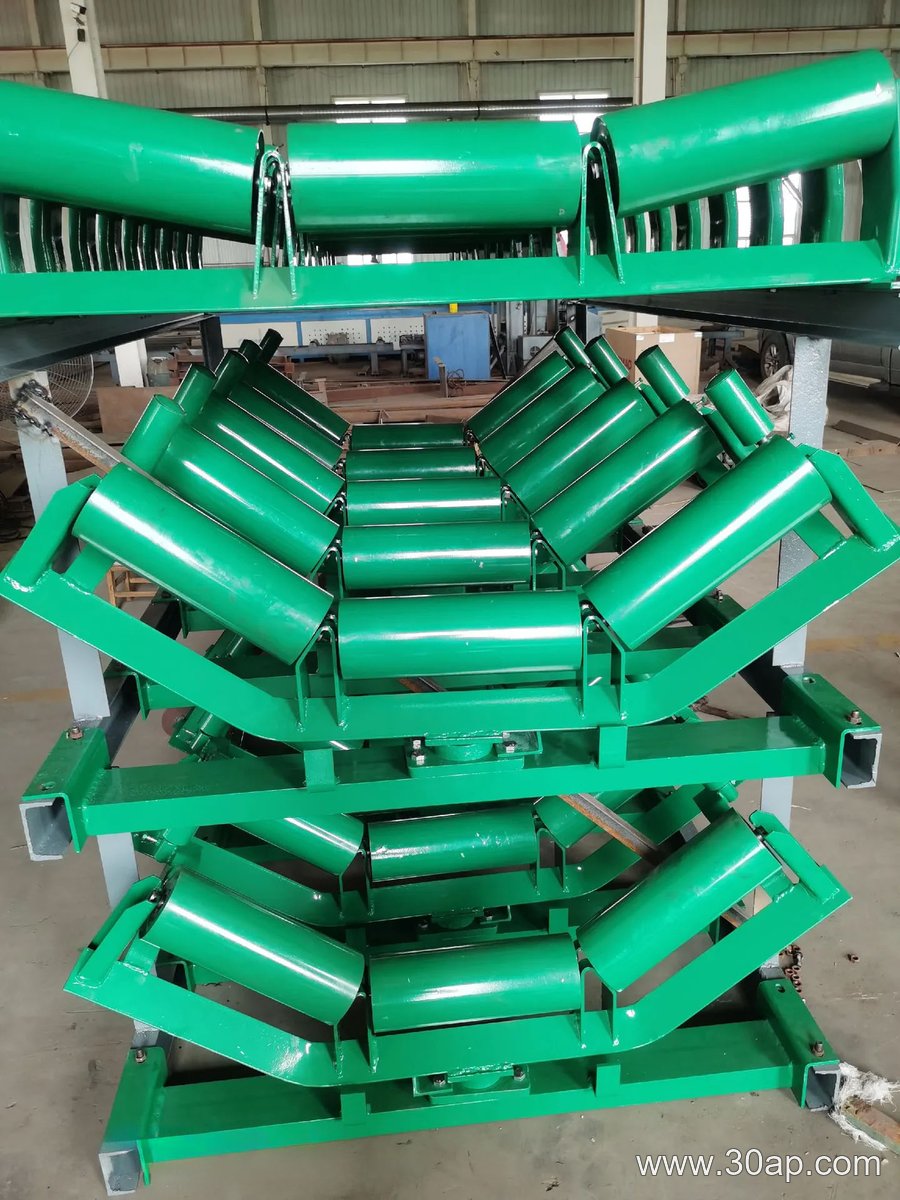
On a belt conveyor, the carrying side may use troughing idlers with a 20 degree, 30 degree, 35 degree, or 45 degree trough angle. The return side is different. A parallel idler bracket holds the return roller flat, so the belt runs on a single horizontal roller or on a set of rollers arranged in a line.
This arrangement is common in sand and gravel lines, crushing and screening plants, and port conveyor systems. In these locations, the return strand can be long, and a flat support reduces the chance of the belt rubbing against the frame. A parallel bracket also allows the return roller to be replaced without disturbing the carrying idlers above it.
It is worth noting that drive pulleys, tail pulleys, and bend pulleys are not interchangeable with idler brackets. A drive pulley transmits power, a tail pulley changes the belt direction at the loading end, and a bend pulley redirects the belt at an intermediate point. A parallel idler bracket supports a roller on a straight section, so its role is different.
Choosing the Right Bracket
Selection starts with the belt width and the frame design. Common belt widths include B500, B650, B800, B1000, B1200, B1400, and wider sizes. The bracket must match the stringer spacing and the mounting hole pattern, which usually changes with belt width and frame type.
The roller diameter also matters. Return rollers are often supplied in sizes such as 89 mm, 108 mm, 133 mm, 159 mm, and 194 mm. A larger roller may require a taller bracket or a different shaft seat, but there is no fixed rule that one belt width must use one roller diameter. The correct match depends on belt speed, load, and the conveyor designer’s calculation.
A buyer should confirm the following before ordering:
- Belt width and frame width
- Roller shaft diameter and mounting method
- Whether the bracket is fixed or adjustable
- Material and surface treatment needed for the working environment
- Whether the bracket is for the return run or another position
Fixed and Adjustable Versions
Fixed parallel brackets hold the roller in one position. They are simple and sturdy, and they suit conveyors where the frame is well aligned and the belt path is stable. Adjustable brackets allow small changes in roller height or lateral position, which can help during commissioning or when the belt begins to drift.
Adjustability does not replace proper belt training. If the belt mistracks, the cause may be a misaligned pulley, uneven loading, or a seized roller. A parallel idler bracket can help fine-tune the return side, but it should not be used to correct a major alignment problem elsewhere.
Maintenance Notes
Inspect the bracket for loose bolts, cracked welds, and bent side plates. A worn or seized return roller can put extra load on the bracket, so replace the roller when it stops turning freely. Keep the mounting area clear of material buildup. In dusty locations such as a coal handling plant or a cement plant, buildup can push the belt off its intended line and make the bracket appear to be at fault.
For a spare parts list, record the belt width, roller diameter, shaft size, and mounting hole spacing. That information helps ensure the replacement parallel idler bracket fits the existing conveyor frame without modification.