What a Custom Conveyor Bracket Really Does
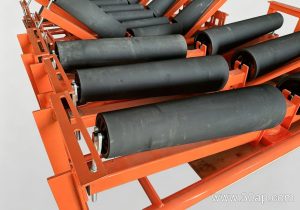
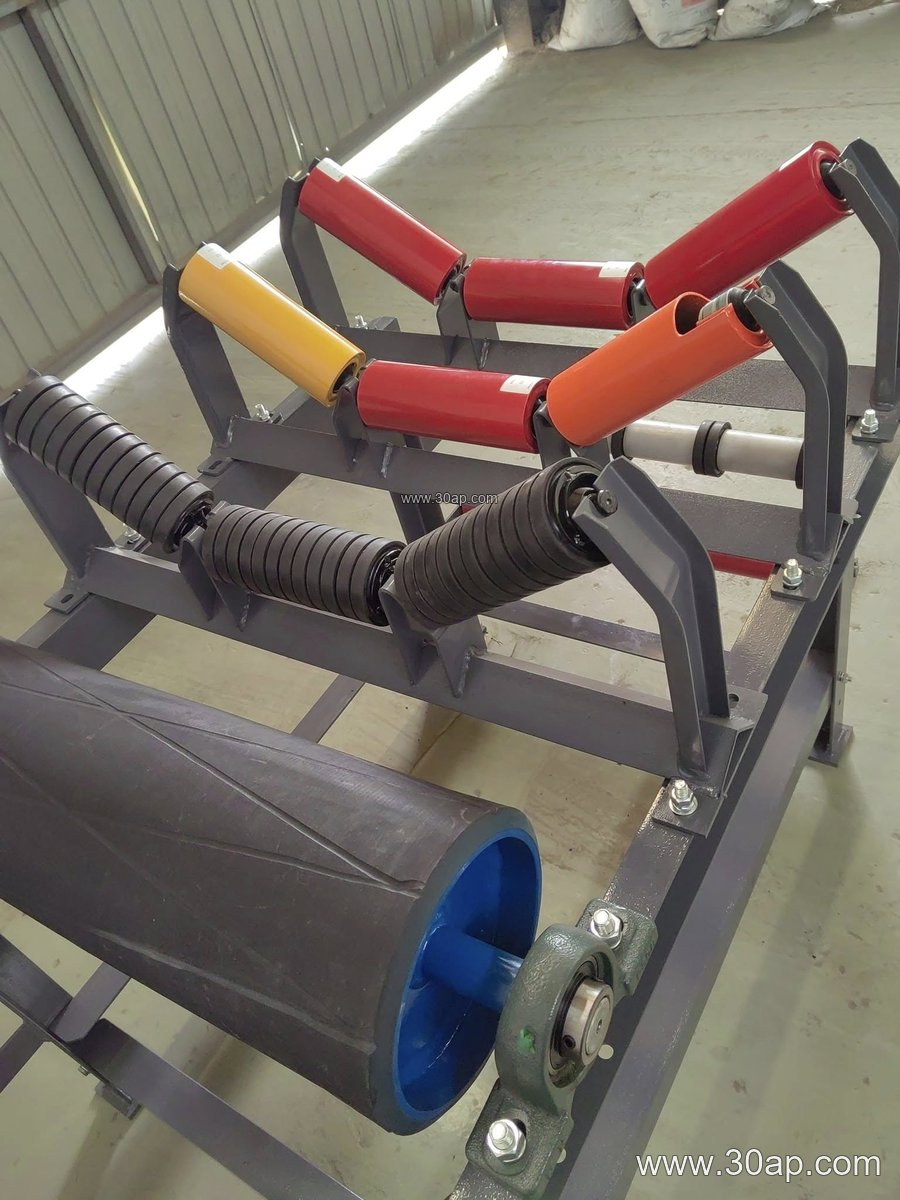
A custom conveyor bracket is the fabricated support that holds a conveyor idler roller or a conveyor pulley in the exact position the belt line needs. Instead of forcing a standard frame to accept an unusual trough angle, a short transition zone, or a non-standard mounting height, the bracket is made to suit the layout. In a quarry, a cement plant, or a coal handling system, that flexibility often decides whether a belt tracks cleanly or keeps wandering.
The bracket is not a cosmetic part. It carries the load from the roller, keeps spacing steady, and ties the whole idler station to the main frame. When the frame is welded or bolted to a structure that was never designed for a stock bracket, a made-to-fit support is usually the practical answer.
How the Bracket Is Built
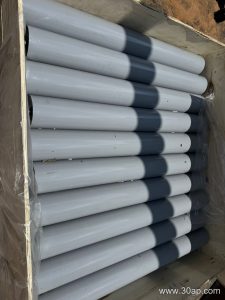
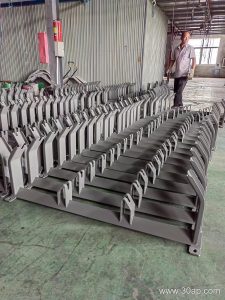
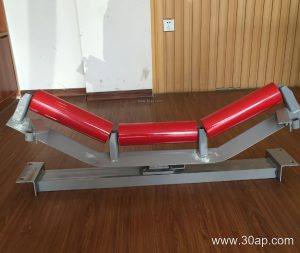
Most units are cut and formed from angle steel, channel steel, or folded steel plate. The choice depends on load, span, and how the bracket is fixed to the stringer. A light duty return support may use a folded plate; a heavy transition bracket on a B1400 belt is more likely to use channel or a thick folded section.
Typical construction details include:
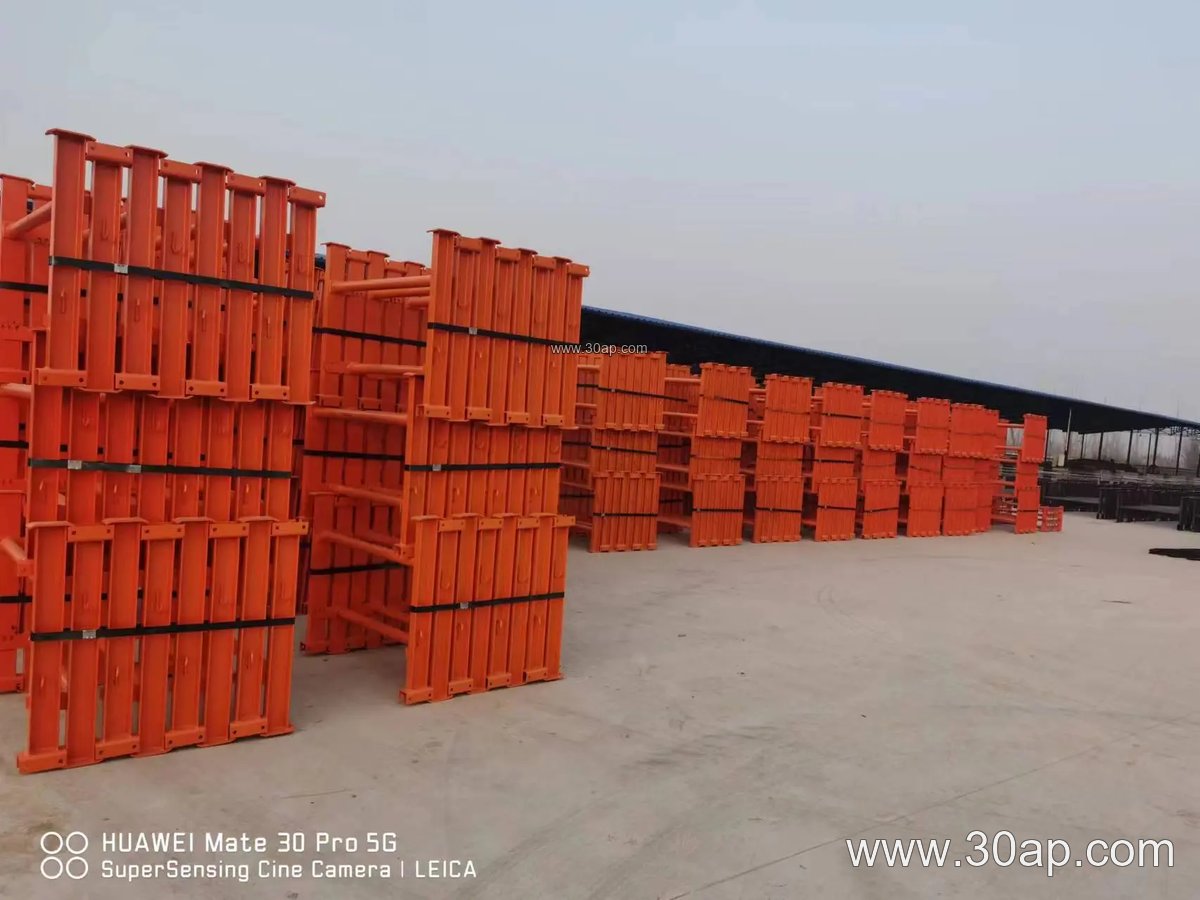
- Formed slots or drilled holes for roller shaft fixing
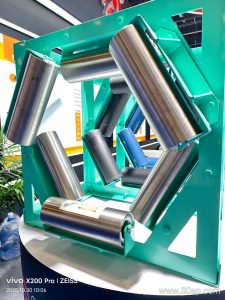
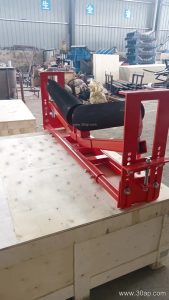
- Adjustable arms or shim plates for height and trough angle
- Reinforced corners where the bracket meets the main frame
- Hot dip galvanizing or painting for dusty, wet, or corrosive sites
Because mounting hole spacing and crossbeam length change with belt width and trough angle, the drawing matters more than a catalogue number. A bracket drawn for B800 at 35 degrees will not simply drop into a B1200 line at 45 degrees without new dimensions.
Where These Supports Are Used
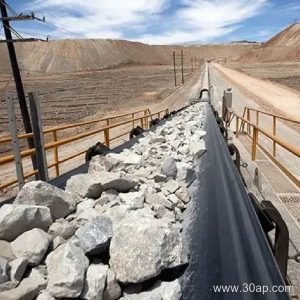
These brackets appear wherever a belt line has to follow an awkward structure. In a limestone mine, a transition bracket may ease the belt from a flat tail area into a 35 degree trough. In a power plant coal yard, an adjustable bracket can correct roller height after a foundation settles. In a sand and gravel plant, a V-return bracket keeps the return belt supported between widely spaced frames.
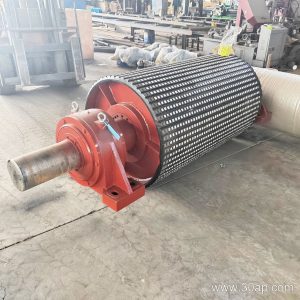
They are also common in crushing and screening circuits, fertilizer handling, and grain silos, where dust, moisture, and frequent washdown put a premium on simple, serviceable fixings. The bracket works together with the conveyor belt, the idler roller, and the conveyor pulley, but its job is positioning and support rather than driving or redirecting the belt.
Common Reference Dimensions
The figures below are reference ranges for discussion, not fixed supply promises. Final values follow the approved drawing and the actual frame layout.
| Item | Typical reference values |
|---|---|
| Belt width | B500, B650, B800, B1000, B1200, B1400, B1600 |
| Trough angle | 20, 30, 35, 45 degrees; adjustable versions can move between these |
| Roller diameter | Ø89, Ø108, Ø133, Ø159, Ø194 |
| Forward tilt (where used) | About 1.5 to 2 degrees |
| Material | Angle steel, channel steel, folded steel plate |
A common combination might read B800, 35 degrees, Ø108, while a wider line could use B1200, 45 degrees, Ø133. These are examples only. A given belt width is not tied to a single trough angle or a single roller diameter, and shaft size is set by the roller design, not by belt width alone.
Fixed or Adjustable
A fixed bracket is simple and rigid, which suits steady structures and repeatable idler stations. An adjustable bracket costs a little more but lets maintenance staff correct trough angle or roller height without cutting and re-welding. On a tunnel spoil line or a mobile crushing plant, that adjustment range is often worth the extra fabrication.
Compare this with a bend pulley support, which is a different part with a different duty. The bracket discussed here holds idlers and frame positions; pulley supports are engineered around shaft loads and belt wrap. The two should not be treated as interchangeable.
What Buyers Should Confirm
- Belt width and required trough angle, plus whether adjustment is needed
- Roller diameter and the actual shaft fixing detail
- Mounting hole spacing and crossbeam length taken from the frame, not assumed
- Material thickness and surface treatment for the site conditions
- Whether the bracket is for a carrying, transition, or return position
A clear drawing and a short site check prevent most fitting problems. Get those right, and a custom conveyor bracket becomes a quiet, reliable part of the line rather than a recurring maintenance item.