What an Adjustable Conveyor Bracket Does on a Conveyor Line
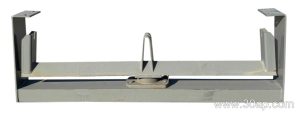
An adjustable conveyor bracket is the mounting component that holds a carrying idler or return idler at a chosen position under the belt, while allowing that position to be changed later. Instead of welding a fixed seat to the frame, the bracket provides slotted or indexed mounting points, so maintenance teams can set the trough angle, correct belt tracking, or adapt the line when the duty changes. On a quarry conveyor, a cement plant transfer house, or a power plant coal handling system, this small part often decides how well the belt sits on its rollers.
The bracket is normally a fabricated steel item, made from angle steel, channel steel, or folded plate. It carries the load of the idler and the belt through bolted connections, so the hole spacing and beam length are determined by belt width, trough angle, and roller diameter rather than being universal. A bracket that fits a B800 line will not fit a B1600 line without a design change.
Construction and Adjustment Features
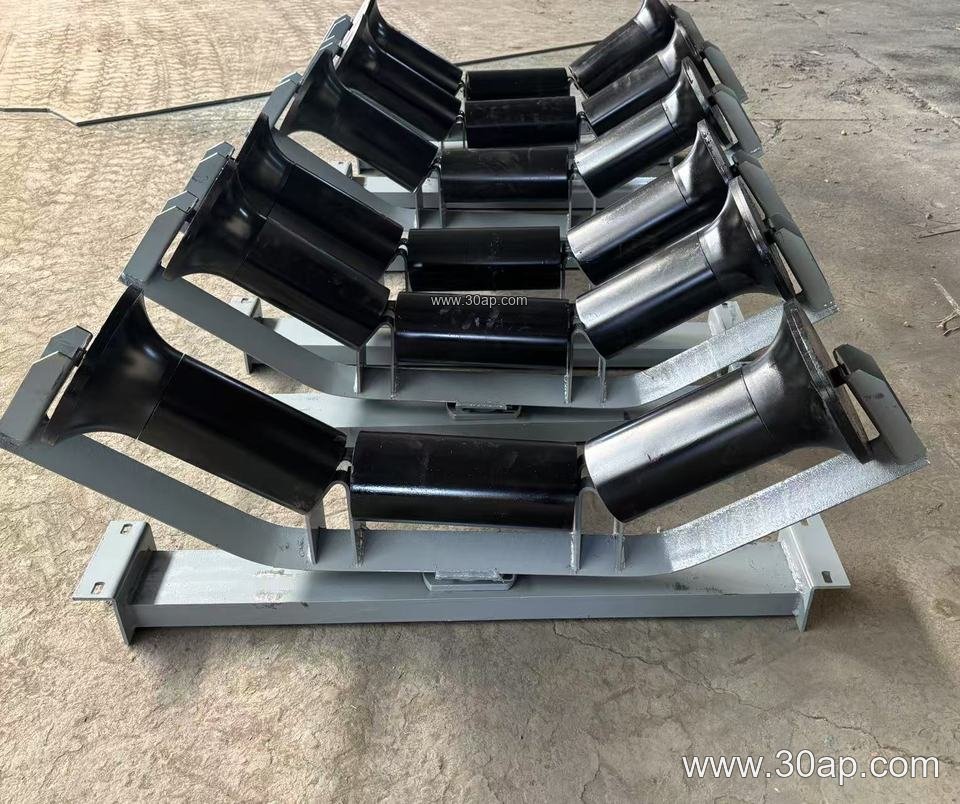
Most designs use two side plates with elongated slots, a cross beam, and a set of clamping bolts. The slots let the idler frame tilt to a selected trough angle, usually within a range such as 20, 30, 35, or 45 degrees. Some versions add a forward tilt of about 1.5 to 2 degrees to help center the belt. Because the adjustment is mechanical, the bracket can be reset after belt replacement or after a frame settles on its foundation.
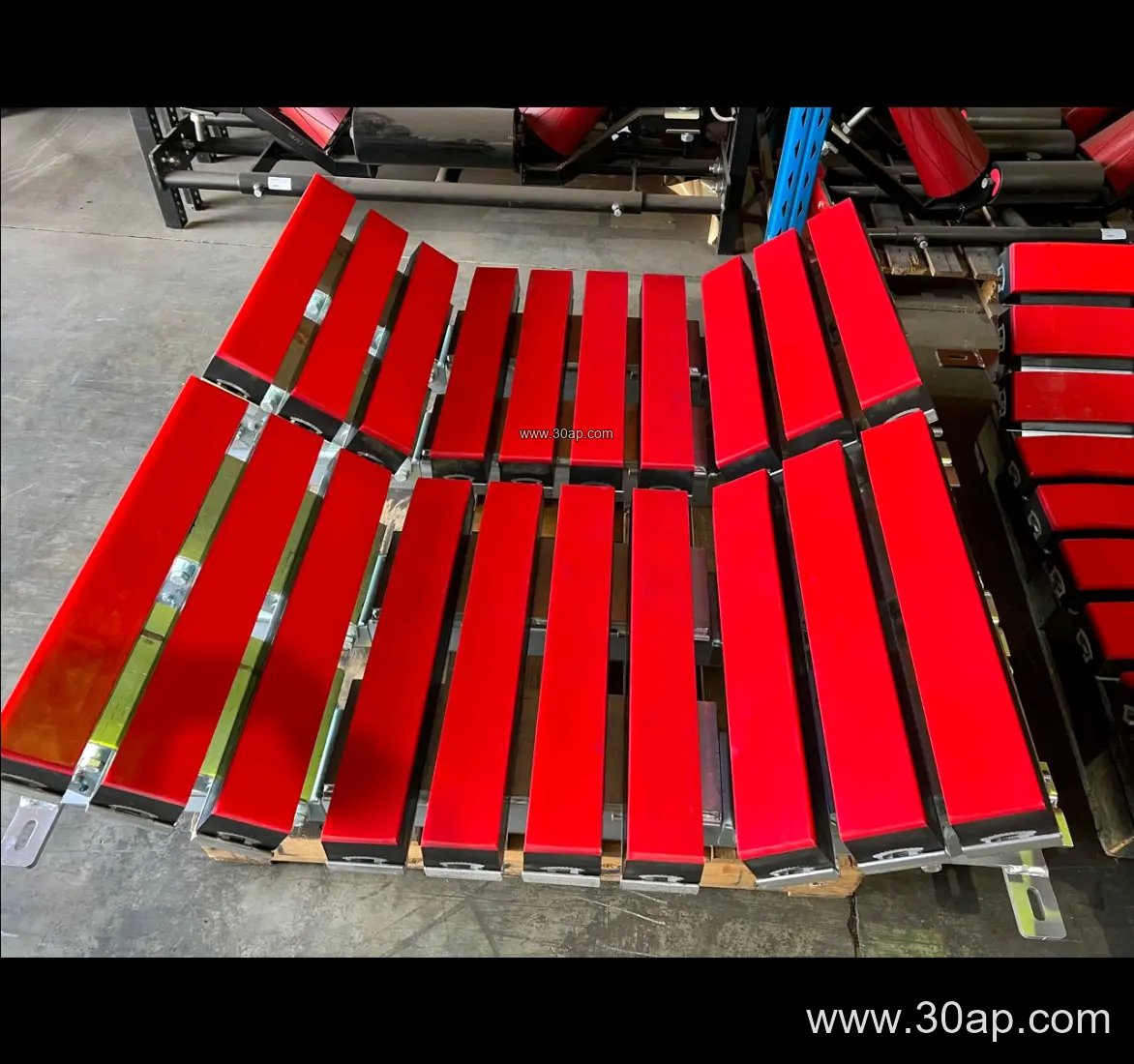
- Slotted side plates for trough angle adjustment
- Bolted rather than welded idler seats for easier replacement
- Folded plate or channel steel body for stiffness
- Optional locking plates to hold the setting under vibration
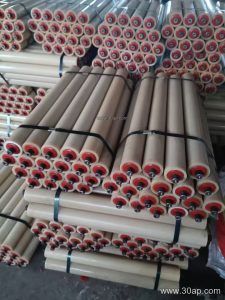
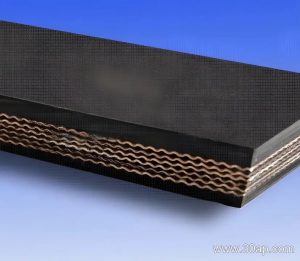
A well-made bracket keeps the idler square to the belt centerline, which reduces edge wear on the Rubber Conveyor Belt and lowers the risk of mistracking. It also makes it easier to swap a worn idler roller without cutting the frame.
Where It Fits in a Conveying System
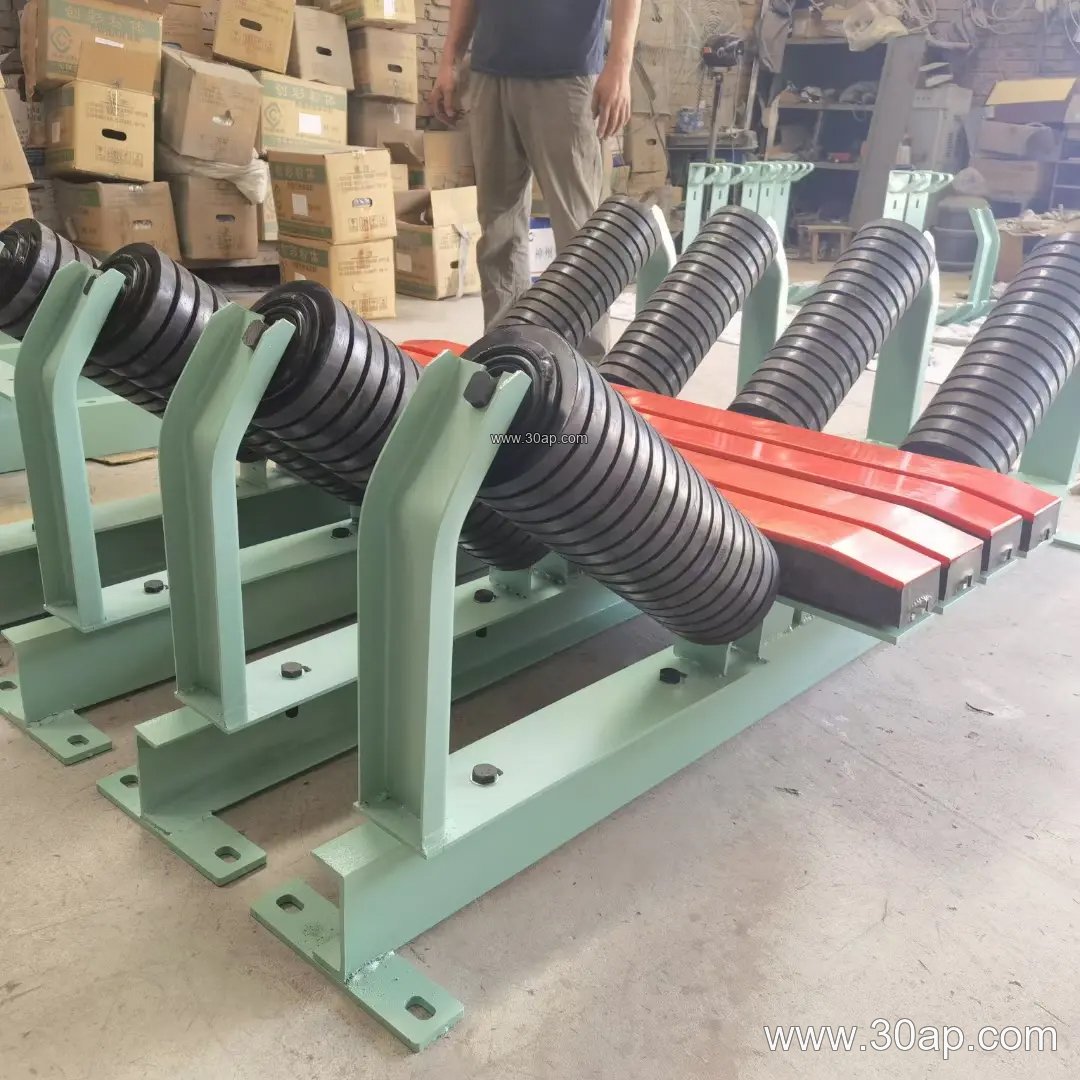
The bracket is used wherever the belt path needs fine tuning. Typical positions include the carrying side of a troughed run, the transition zone near the tail pulley, and the return run where a V-return or flat return idler is installed. In a limestone mine or a crushing and screening plant, adjustable brackets are often fitted at transfer points where belt loading changes and tracking problems appear.
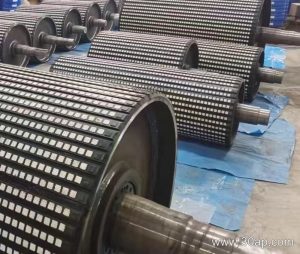
It works together with the conveyor pulley, the idler roller, and the belt itself. A misaligned bracket can cause the belt to run off center even when the conveyor pulley is correctly installed. In coal mining and underground coal mining conveyors, flame retardant and anti-static belt grades are common, and the bracket setting must still allow the idler to rotate freely. For heavy ores, a steel cord conveyor belt may be used, and the bracket then needs enough stiffness to resist the higher tension and load.
Matching Bracket, Belt Width, and Idler Size
There is no single bracket size for every conveyor. The table below shows common reference combinations; the actual hole spacing and beam length are set by the conveyor designer.
| Belt width | Common trough angle | Typical idler diameter | Typical use |
|---|---|---|---|
| B500 | 20 to 30 degrees | Ø89 | Light aggregate lines |
| B650 | 30 degrees | Ø89 or Ø108 | Sand and gravel conveying |
| B800 | 35 degrees | Ø108 | Cement and crushing plants |
| B1000 | 35 to 45 degrees | Ø108 or Ø133 | Coal handling, power plants |
| B1200 | 35 to 45 degrees | Ø133 | Iron ore and heavy bulk duty |
| B1400 to B1600 | 35 to 45 degrees | Ø133 or Ø159 | Port and steel plant conveyors |
| B1800 to B2000 | 35 to 45 degrees | Ø159 or Ø194 | Large mining and ship loading lines |
These values are common references, not fixed rules. A B1200 conveyor may use a 35 degree trough with a Ø133 idler, or a 45 degree trough with the same roller, depending on the material and the belt stiffness. Buyers should confirm the frame hole pattern, the idler shaft size, and the required adjustment range before ordering.
Fixed Bracket or Adjustable Bracket
A fixed bracket is simpler and cheaper, and it is fine where the belt path will never change. An adjustable type costs a little more but pays back when the conveyor is commissioned, when the belt is replaced, or when a new material with different flow characteristics is introduced. In a washing plant or a fertilizer warehouse, the ability to reset the trough angle without cutting steel is a practical advantage. For a comparison, a self-aligning idler bracket corrects tracking automatically, while an adjustable bracket is set by hand; the two serve different purposes and should not be treated as substitutes.
Buyer Checklist
- Confirm belt width and the matching idler diameter
- State the required trough angle range
- Check the mounting hole pattern against the existing frame
- Confirm material and finish for the site environment
- Ask whether locking hardware is included
For abrasive duty such as a quarry or a copper ore line, the bracket should be inspected together with the Abrasion Resistant Conveyor Belt and the idler bearings. Loose clamps and worn slots are common causes of belt wander. A spare set of brackets kept on site shortens downtime during maintenance windows.