What a Return Idler Bracket Does on a Conveyor
A return idler bracket is the support that holds the rollers carrying the empty, returning side of a conveyor belt. While the loaded top run gets most of the attention, the bottom run still needs steady support so the belt tracks cleanly and does not sag between supports. This bracket, sometimes called a return roller bracket or lower idler support, mounts to the conveyor frame and positions the return idler roller beneath the carrying side. Get it right and the belt runs quietly; get it wrong and you deal with edge wear, spillage, and premature roller failure.
The bracket is not a glamorous component, but it is a structural one. It ties the return idler roller to the conveyor bracket system and keeps the belt path predictable along the entire length of the machine.
How a Return Idler Bracket Is Built
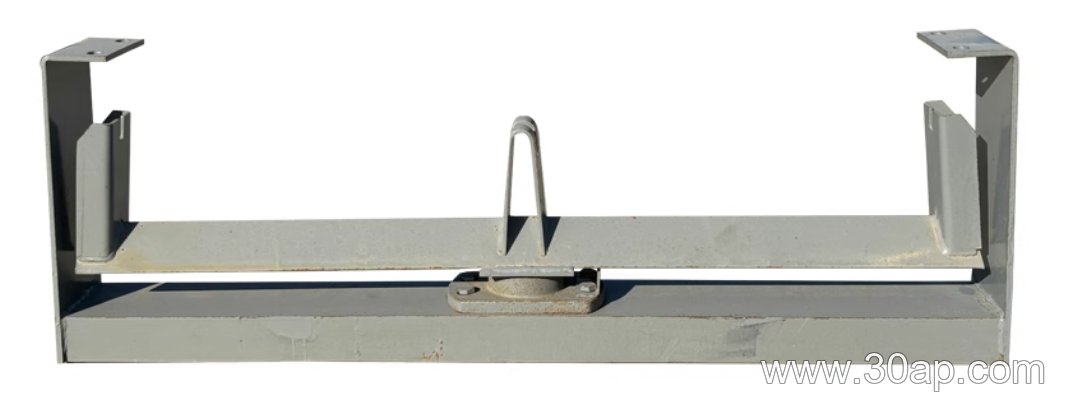
Most return brackets are fabricated rather than cast. Common materials include angle steel, channel steel, and folded steel plate. A typical design has two mounting feet or flanges that bolt to the stringers, with a cradle or slot arrangement on top to accept the roller shaft. Some versions use a simple flat plate with a pair of hooks; others use a formed channel that wraps partway around the roller.
Fabrication details matter more than they appear. The mounting hole spacing and the crossbeam length usually change with belt width and with the chosen return roller diameter. That is why a bracket for one conveyor line rarely drops into another without checking dimensions. Corrosion protection, often hot-dip galvanizing or a painted finish, is selected according to the environment, whether that is a dry quarry or a washdown area.
Common Types and Where They Fit
Return brackets come in several forms, and the right one depends on belt width, load, and how much belt training is needed.
- Flat return bracket holds a single return idler roller horizontally under the belt. It is the simplest arrangement and suits many standard conveyors.
- V-return bracket supports two rollers set at an angle to form a V shape. This self-centering effect helps keep the belt aligned, especially on longer runs.
- Adjustable bracket allows the roller position or angle to be tuned after installation. This is useful when the belt has a tendency to drift or when field conditions differ from the design assumption.
- Suspended bracket hangs from the frame rather than sitting on top of it, which can simplify replacement in tight spaces.
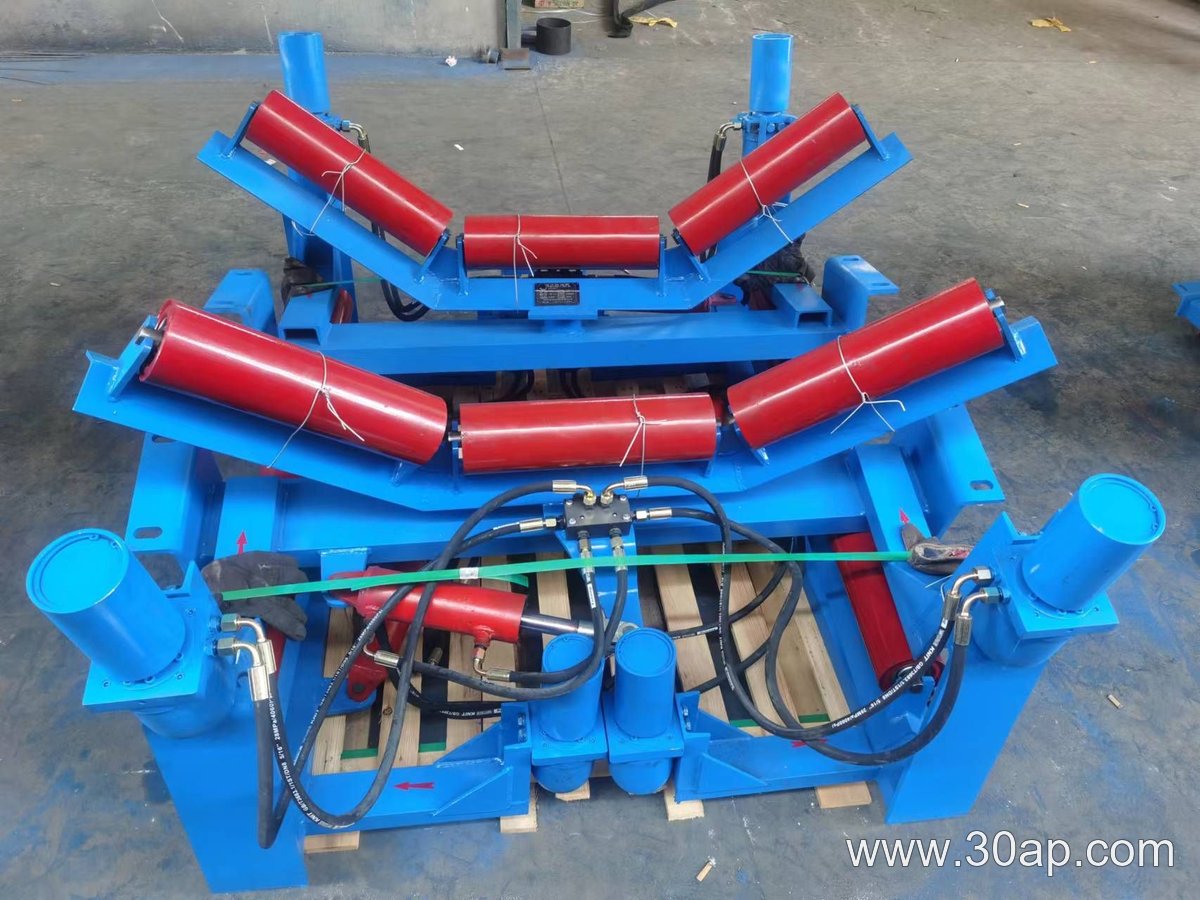
These are return-side components. They should not be confused with carrying-side supports such as troughing brackets or transition brackets, which use a different geometry to shape the loaded belt. A return bracket is specifically about the empty strand.
Matching the Bracket to Belt and Roller
Selection starts with the conveyor belt width and the return idler roller diameter. A bracket designed around a B800 belt and a Ø108 roller will not automatically suit a B1200 line with Ø133 rollers, because both the frame span and the shaft seating differ. Common belt widths in conveyor work include B500 through B2200, and common roller diameters include Ø89, Ø108, Ø133, Ø159, and Ø194, but these are reference ranges, not fixed pairings. A given belt width can accept more than one roller diameter depending on load, speed, and the bracket design.
Also consider the return roller spacing along the conveyor. Closer spacing reduces belt sag but adds brackets and rollers. The bracket itself does not set that spacing, but it must be strong enough for the loads the chosen spacing produces. Installation hole distances and crossbeam lengths are determined by the design, so always confirm them against the actual frame before ordering.
Where Return Idler Brackets Are Used
You will find these brackets in almost any bulk material handling line. In a quarry or sand and gravel plant, they support the return strand through crushers and screens where dust and fines are constant. In a coal handling system at a power plant, they keep the empty belt tracking under the loadout and transfer points. Other common settings include cement plants, fertilizer facilities, and grain silos, where belt cleanliness and alignment affect housekeeping and safety.
The environment shapes the choice. Abrasive dust favors robust steel and good sealing at the roller. Wet or corrosive conditions push toward galvanized or coated brackets. High-tonnage lines may call for heavier plate and reinforced mounting.
What Buyers Should Check Before Ordering
A few practical points prevent most return bracket problems.
- Confirm the conveyor belt width and the frame mounting pattern, since these drive the bracket footprint.
- Match the bracket to the actual return idler roller shaft size and end type, not just to the roller diameter.
- Decide whether a flat or V-return design is needed based on belt training history.
- Check whether adjustment is required for future alignment work.
- Verify the material and finish against the site environment.
- Ask for the mounting dimensions rather than assuming they follow a standard table.
It also helps to inspect the existing conveyor bracket and roller assembly before replacing anything. A bracket that looks similar may have a different shaft slot or hole pitch. Measuring the old part, or the frame itself, is the most reliable way to avoid a return trip.
Keeping Return Brackets in Service
Return idler brackets are low-maintenance items, but they are not maintenance-free. Loose mounting bolts allow the bracket to shift, which changes belt alignment and can damage the roller. Bent brackets from impact or buildup should be straightened or replaced rather than forced back into position. During routine inspections, check that the return roller spins freely, that the bracket sits square to the belt path, and that no material has packed around the mounting points.
Replacing a worn return idler roller is straightforward when the bracket design allows the shaft to lift out without dismantling the frame. That convenience is worth considering at the specification stage, because it affects downtime for years afterward.