What a Cement Plant Conveyor Belt Handles
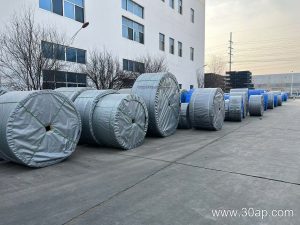
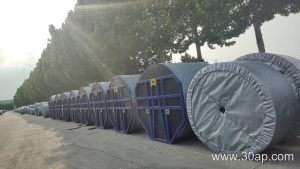
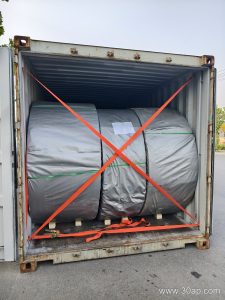
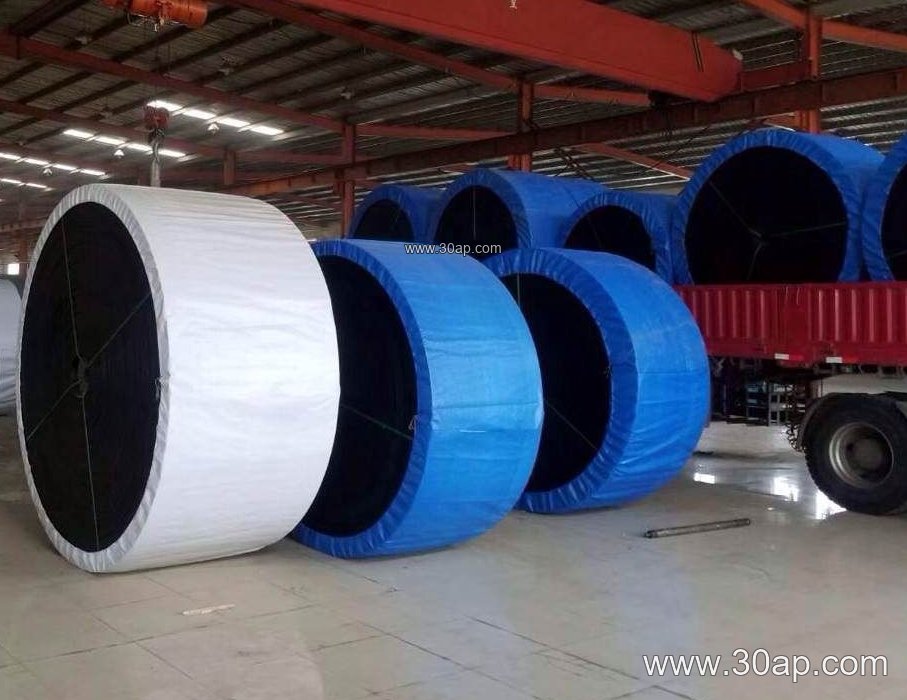
A cement plant conveyor belt moves limestone, clay, gypsum, clinker, and cement at every stage from quarry intake to packing. The belt must resist abrasion from sharp rock, heat from clinker, and dust that settles on every idler roller and conveyor pulley. Because a cement line runs continuously, the belt is a critical wear part. A well-chosen cement plant conveyor belt balances tensile strength, cover thickness, and environmental resistance against the actual duty cycle.
Construction and Common Types
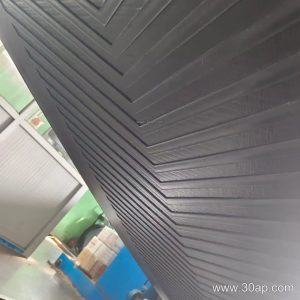
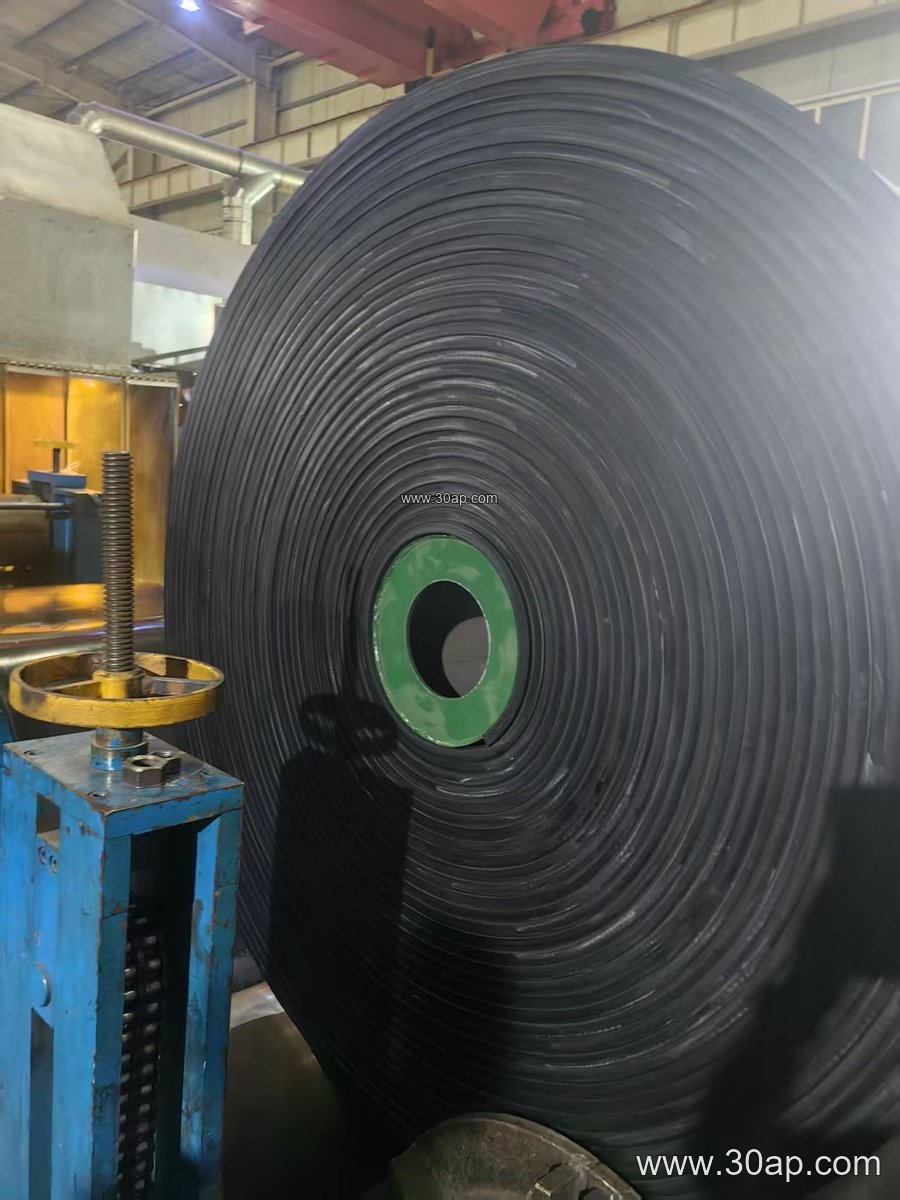
Most cement belts are fabric-core or steel-cord constructions. The carcass carries tension while the rubber covers protect against wear and heat. Common options include:
- EP conveyor belt — polyester/nylon fabric core, widely used for main haulage and clinker transport.
- NN conveyor belt — nylon/nylon core, good fatigue resistance for frequent starts and stops.
- Steel cord conveyor belt — high strength for long overland lines and high tonnage.
- Heat resistant conveyor belt — essential under clinker coolers and cement mills.
- Abrasion resistant conveyor belt — for limestone and raw material handling.
- Flame retardant conveyor belt — often specified in coal handling and enclosed galleries.
Specialty variants such as chevron, corrugated sidewall, and pipe conveyor belts appear where incline or spill control matters. These are different belt forms, not replacements for the main flat belt.
Typical Specifications
Belt width and strength are selected from the conveyor design, not from a single fixed rule. The table below shows common reference ranges used in cement and heavy bulk material service.
| Parameter | Common Reference Range |
|---|---|
| Belt width (B) | B500, B650, B800, B1000, B1200, B1400, B1600, B1800, B2000 |
| EP strength grades | EP200, EP315, EP400, EP500, EP630, EP800, EP1000, EP1250, EP1600 |
| Steel cord grades | ST1000 to ST3150 (common) |
| Cover thickness | 3+1.5, 4+2, 5+2, 6+2, 8+3 mm |
| Fabric plies | 2 to 6 plies |
For example, a 1200mm wide EP1000 belt with 6+2 mm covers might serve a clinker transfer, while a 1000mm abrasion resistant belt with 5+2 mm covers suits raw limestone. These are reference combinations, not universal matches; final selection depends on lump size, drop height, and throughput.
Where the Belt Fits in the Plant
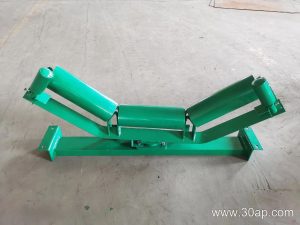
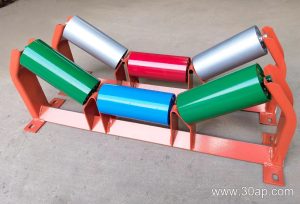
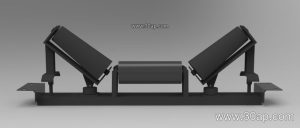
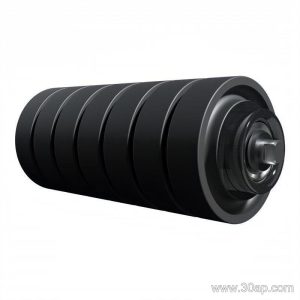
In a cement plant, belts work alongside conveyor pulleys, idler rollers, and conveyor brackets. The drive, tail, and bend pulleys each perform distinct functions and are not interchangeable. The belt itself must track correctly over every idler roller and survive loading points where impact is severe. Quarry belts handle sharp rock; clinker belts face heat; coal handling belts may need flame retardant properties. A single plant may use several belt types, so buyers should specify each conveyor separately.
Buyer Checklist
Before ordering, confirm the following with the conveyor designer:
- Belt width and strength grade from the actual load calculation.
- Cover compound for abrasion, heat, oil, or flame resistance as needed.
- Number of plies or steel cord grade for the center distance.
- Whether an endless conveyor belt is required for reduced splicing.
- Compatibility with existing pulley diameters and idler roller spacing.
Do not assume one belt width fixes a pulley diameter or shaft size. Those dimensions come from the conveyor frame design. For more product context, see cement plant conveyor belt and related EP conveyor belt options. A practical specification review at the start avoids premature cover wear and splice failure in the demanding cement environment.