What the PVG800S Conveyor Belt Is
The PVG800S conveyor belt is a solid-woven, rubber-covered belt built for tough haulage work. In practice it is often described as a PVC/PVG solid woven belt, and that equivalent name points to the same product: a single-ply woven carcass impregnated with PVC, finished with rubber covers and, where required, a fire-resistant and antistatic formulation. The 800S designation belongs to this specific subtype and should not be confused with steel cord belts, EP fabric belts or NN nylon belts, which are different constructions with different splicing and tension behaviour.
Because the carcass is a solid woven structure rather than a stack of separate plies, the belt resists impact, tearing and moisture ingress well. That makes it a frequent choice in underground coal mines and other enclosed conveying systems where flame resistance and antistatic performance matter.
How the Belt Is Built
A typical construction combines three functional layers:
- Carcass: a solid-woven fabric, often polyester and nylon, providing tensile strength and resistance to ripping.
- Impregnant: PVC or a PVC/PVG blend filling the weave to protect the fabric and limit water penetration.
- Covers: rubber or rubber-like top and bottom covers, available in different thickness combinations and in wear-resistant, flame-retardant, antistatic or oil-resistant grades.
Cover thickness is usually quoted as a pair, for example 3+1.5 mm, 4+2 mm, 5+2 mm, 6+2 mm or 8+3 mm. The first figure is the carrying-side cover, the second the pulley-side cover. These are common reference values, not a fixed rule; the correct combination follows the material being conveyed, the drop height and the pulley diameters in the system.
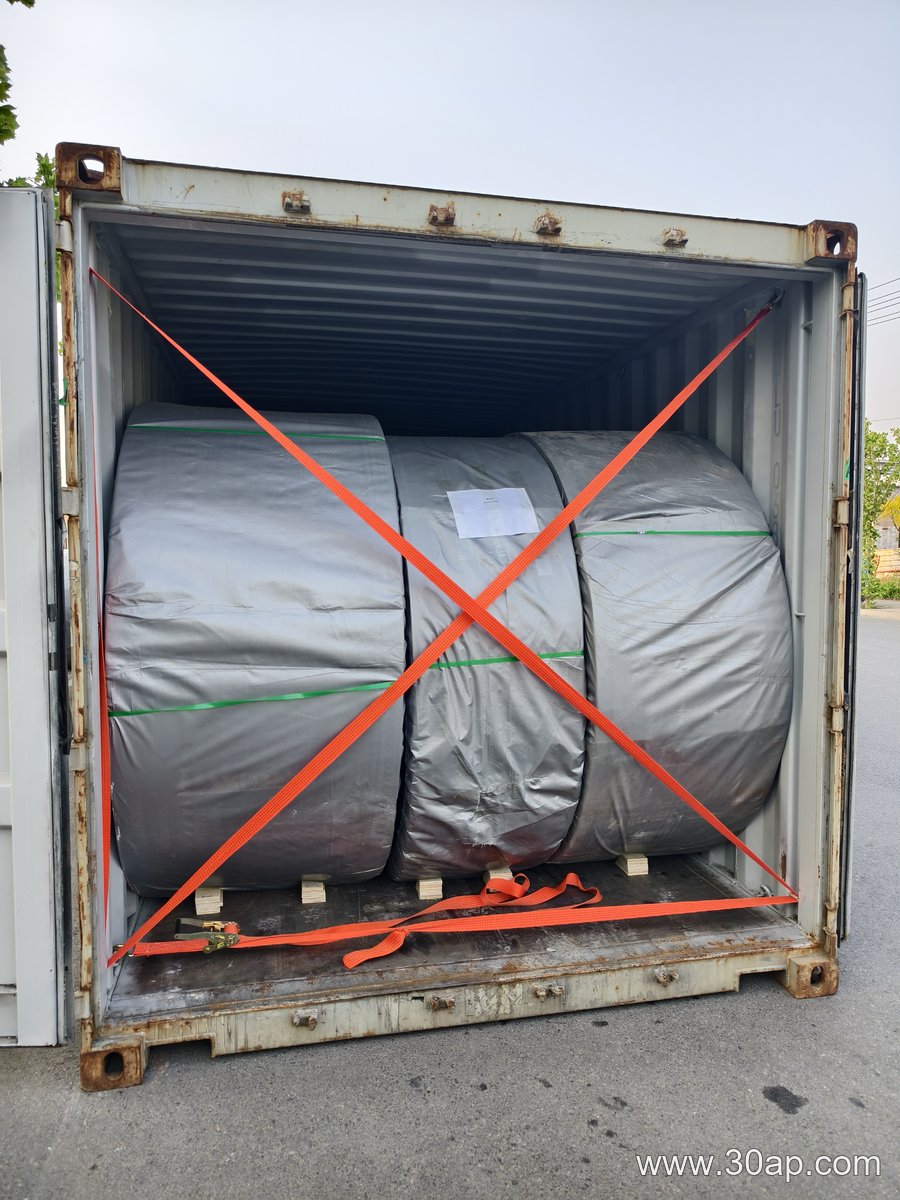
Typical Specifications
The table below shows reference data that buyers commonly see on datasheets. Actual values are confirmed by the manufacturer against the application.
| Item | Reference range |
|---|---|
| Belt type | PVG800S solid woven conveyor belt |
| Tensile strength grades | EP200 to EP2000 range, depending on carcass design |
| Belt width | B500, B650, B800, B1000, B1200, B1400, B1600, B1800, B2000 |
| Cover thickness | 3+1.5, 4+2, 5+2, 6+2, 8+3 mm |
| Carcass layers | Commonly 2 to 6, as determined by design |
| Surface forms | Smooth, patterned, chevron or corrugated sidewall, where required |
| Special properties | Flame retardant, antistatic, wear resistant, heat resistant, oil resistant, cold resistant, acid and alkali resistant |
Where It Fits in a Conveying System
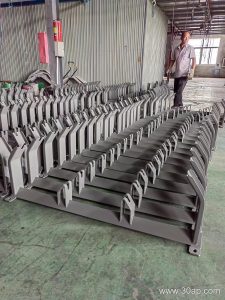
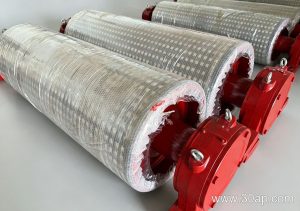
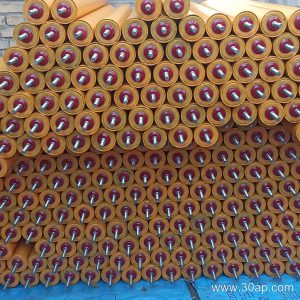
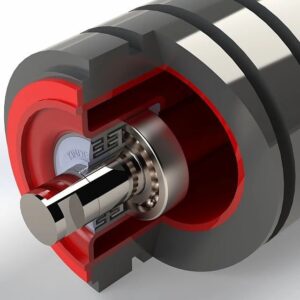
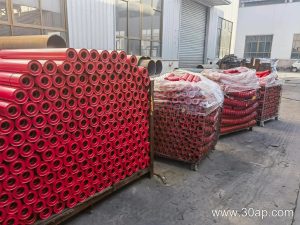
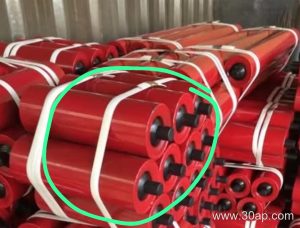
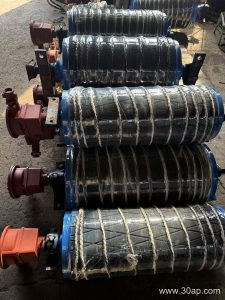
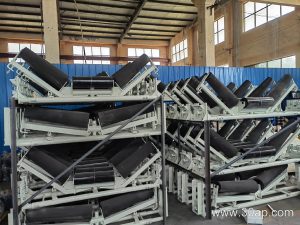
The belt does not work alone. It runs over a conveyor pulley at the head and tail, supported by idler rollers along the carrying run and return run, with conveyor brackets holding the structure together. Drive, tail and bend pulleys are not interchangeable: each has a different job, and the belt must be able to flex around the smallest of them without cracking or delaminating.
Typical duty areas include:
- Coal mines and underground haulage where flame resistance is required.
- Power plants handling coal, ash or limestone.
- Cement plants moving clinker, raw meal or additives.
- Sand and gravel yards, quarries and bulk material stockyards.
- Ports and loading stations transferring ore, fertiliser or grain.
In these environments the belt may also be compared with a steel cord belt for very long, high-tension lines, or with an EP fabric belt for general-purpose surface conveying. The PVG800S remains the subject here; those other types are mentioned only to show where it sits in the wider product family.
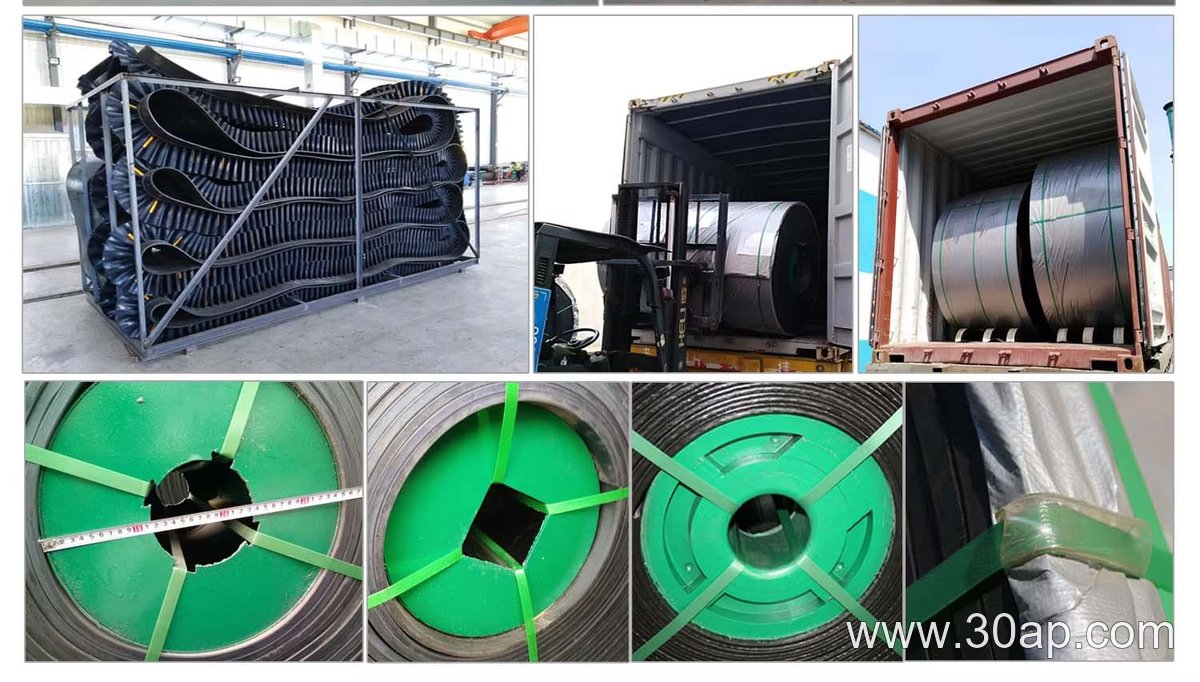
What a Buyer Should Check
Before ordering, gather the operating data rather than choosing a belt by width alone:
- Material type, lump size, density and temperature.
- Capacity in tonnes per hour and belt speed.
- Centre distance, incline angle and any curves.
- Drive, tail and bend pulley diameters, not just belt width.
- Whether flame resistance and antistatic properties are mandatory.
- Splice method preferred on site, since solid woven belts are often spliced differently from multi-ply fabric belts.
There is no rule that one belt width must match one pulley diameter. A B1000 belt can run on different pulley sizes depending on tension, cover thickness and the manufacturer’s guidance. Shaft diameter is also a separate design decision and cannot be inferred from belt width.
Installation and Care
Good tracking starts with square, well-aligned pulleys and correctly spaced idler rollers. Keep the belt clean, avoid material build-up on the return side, and check the covers for cuts or edge damage during routine inspections. Storage should be dry and out of direct sunlight. These habits extend service life more reliably than any single specification figure.
For a specific project, confirm the PVG800S conveyor belt grade, width, cover thickness and fire-resistance requirement with the supplier before the order is placed.