What a 2400mm Conveyor Belt Is
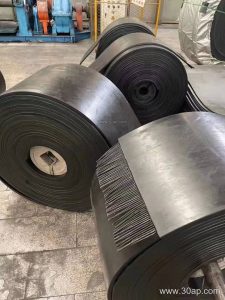
A 2400mm conveyor belt is a wide, heavy-duty belt built for high-capacity bulk conveying. With a nominal width of 2.4 metres, this format sits at the upper end of common industrial belt widths and is typically selected where large tonnages must move in a single pass, such as primary crushing circuits, stockyard feed lines and long overland conveyors. In practice the belt is often described simply as a 2400 mm wide conveyor belt or a 2.4 m belt, and those names refer to the same product.
Width alone does not define the belt. The same 2400mm belt width can be supplied in different carcass constructions, strength grades and cover compounds, so buyers should treat the width as one design input among several rather than the full specification.
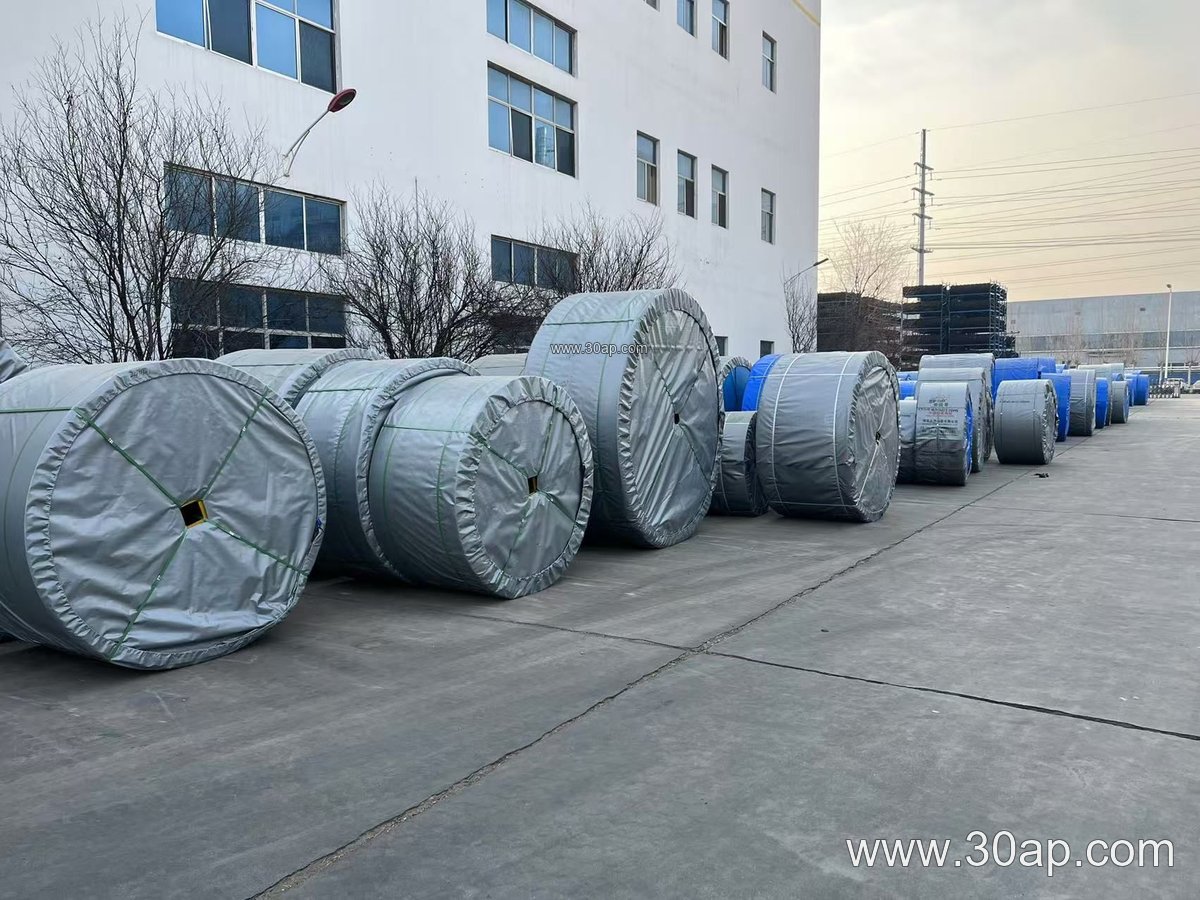
Construction and Typical Specifications
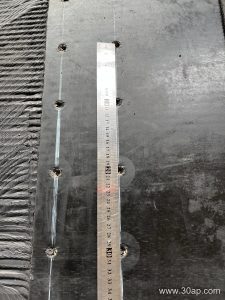
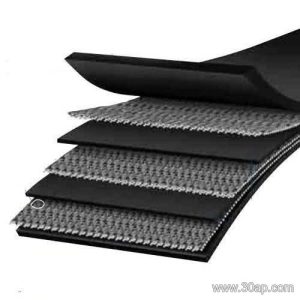
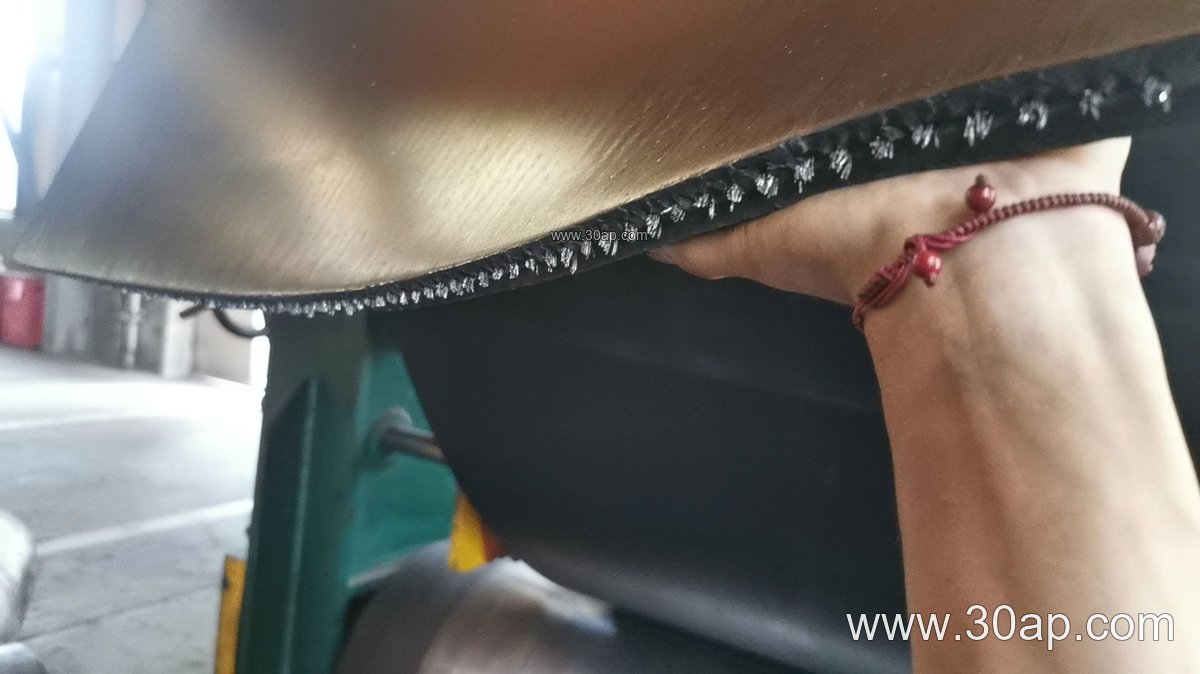
A belt of this width usually relies on a multi-ply fabric carcass or a steel cord carcass, depending on the duty. Fabric belts commonly use EP or NN plies, while steel cord constructions are chosen for very long runs and high tension. Cover rubber protects the carcass and is described by top and bottom thickness.
Reference values below reflect common industry ranges for this belt format; actual values are confirmed by design and may vary between manufacturers.
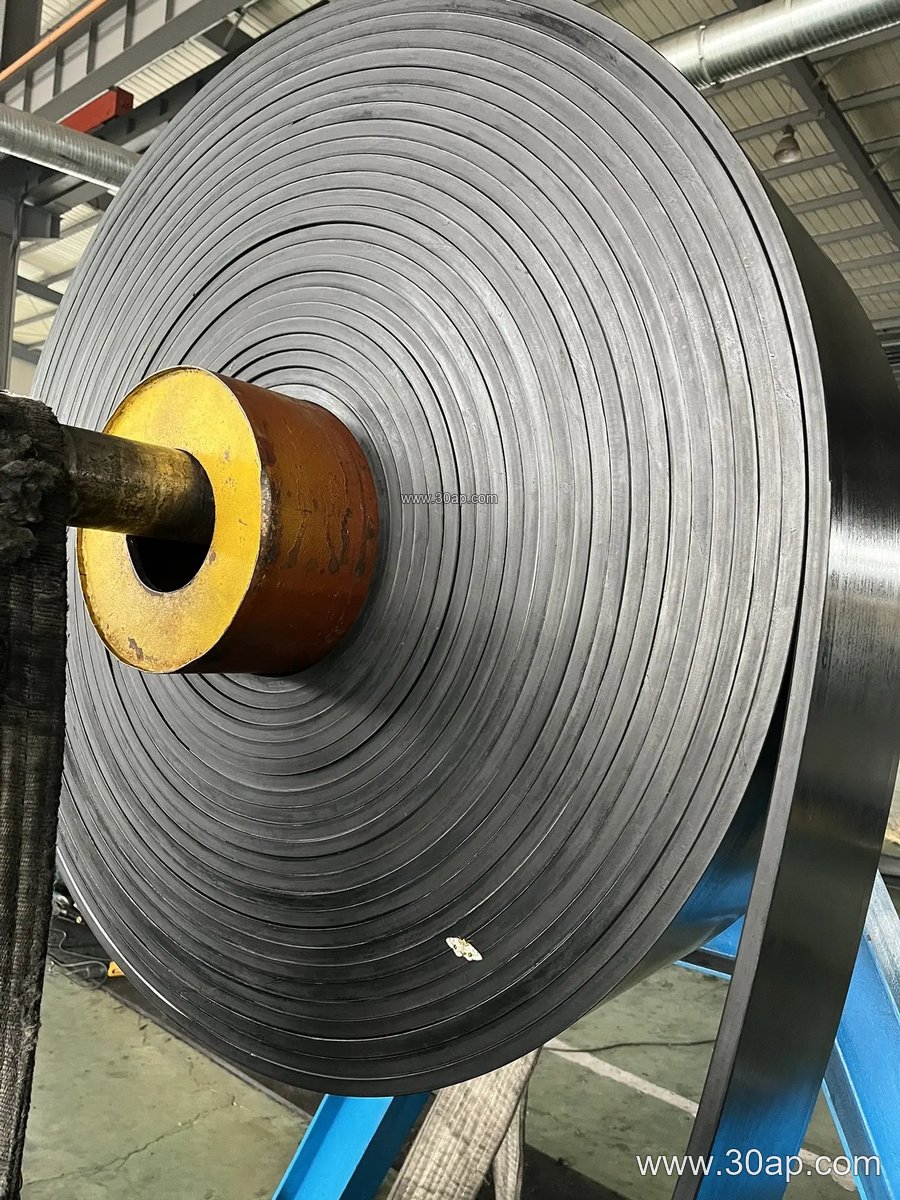
- Nominal width: 2400 mm (B2400 format)
- Strength grades often considered: EP200, EP315, EP400, EP500, EP630, EP800, EP1000 and higher
- Carcass plies: typically 2 to 6 layers in fabric constructions
- Cover combinations: 3+1.5, 4+2, 5+2, 6+2 or 8+3 mm
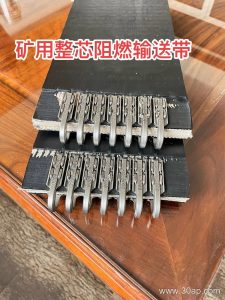
- Special grades: abrasion-resistant, heat-resistant, oil-resistant, flame-retardant, antistatic, cold-resistant, acid and alkali resistant
- Surface forms: plain, patterned, chevron or sidewall
A compact view of the main variables helps when preparing an enquiry:
| Parameter | Typical options | Notes |
|---|---|---|
| Belt width | 2400 mm | Fixed by conveyor design |
| Strength grade | EP200 to EP2000 class | Selected from tension calculation |
| Carcass | EP fabric, NN fabric, steel cord | Depends on length and load |
| Cover thickness | 3+1.5 to 8+3 mm | Top and bottom thickness |
| Special property | Wear, heat, oil, fire, cold resistance | Matched to the material |
Where This Belt Width Fits
Wide belts are common in mines and coal preparation plants, cement works, power stations and large sand and gravel yards. In a primary crushing station, a 2400mm conveyor belt can carry coarse run-of-mine material from the crusher discharge to the stockpile conveyor. In a cement plant it may serve clinker or limestone transport, and in a power plant it often appears on coal yard feed lines.
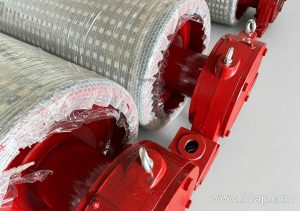
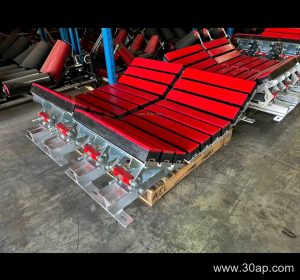
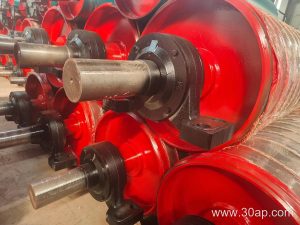
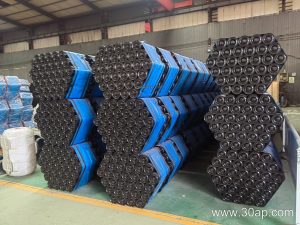
The supporting hardware matters as much as the belt. Troughing idler rollers, return rollers, a drive pulley at the head, a tail pulley at the loading end and bend pulleys along the route all interact with belt width and stiffness. Conveyor brackets and frames must be sized for the wider belt and the higher loads it carries. These components are separate items and are not interchangeable with one another.
Selection Points for Buyers
Start with the duty: material type, lump size, bulk density, throughput and operating hours. These determine the required belt strength and cover grade. A sharp, abrasive aggregate calls for a different cover than hot clinker or oily scrap. Where combustible dust or gas is present, flame-retardant and antistatic grades are usually specified.
Next, confirm the pulley and idler arrangement with the conveyor designer. Belt width does not fix a shaft diameter, and no single pulley size is tied to a 2400 mm belt; trough angle, transition distance, take-up travel and pulley face width all influence the final selection. Ask for a tension calculation rather than choosing a strength grade by habit.
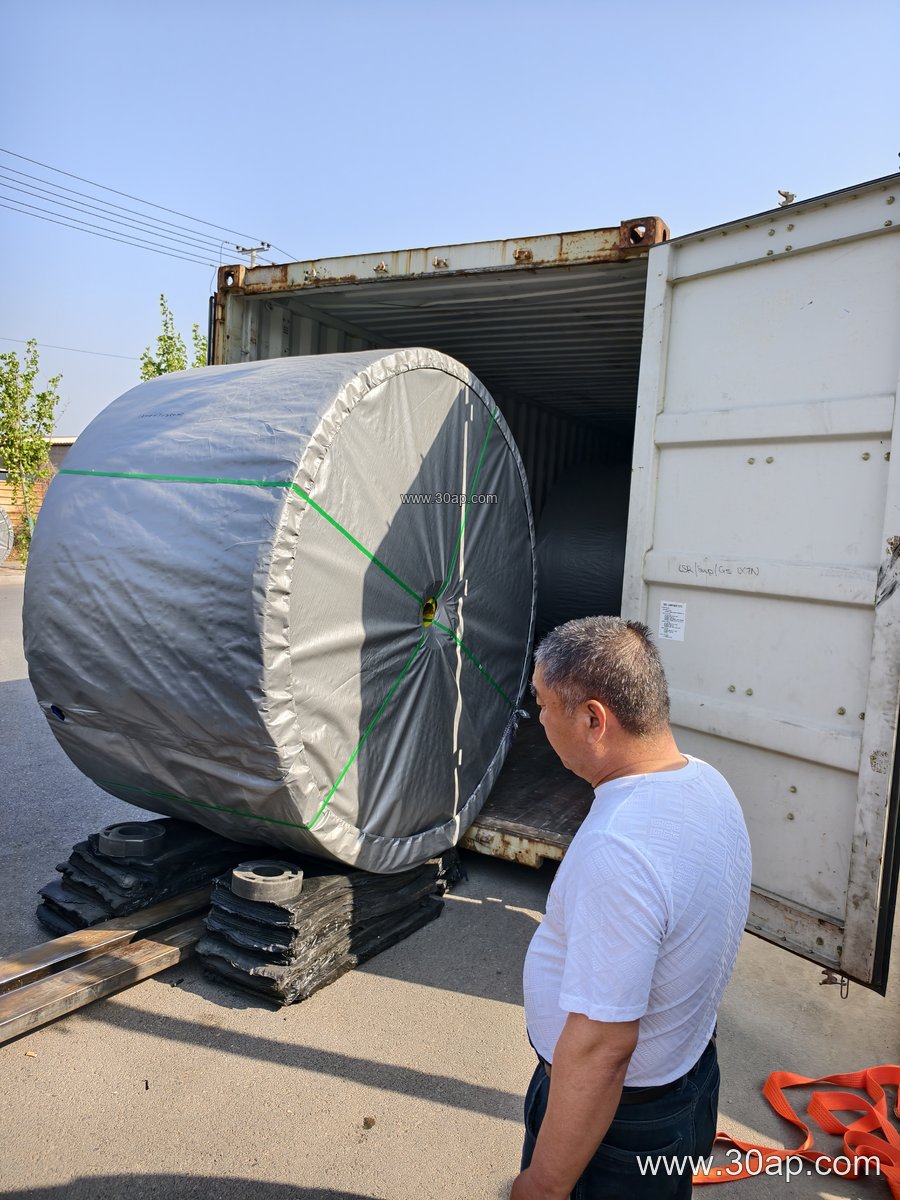
Finally, plan for installation and maintenance. Wide belts are heavy, so splicing method, lifting points and storage conditions should be agreed before delivery. Check that the belt can be tracked correctly on the existing structure and that idler rollers are aligned and free-running. A well-matched belt, pulley set and roller train will give more reliable service than an oversized belt on poor hardware.
For a quotation, provide the width, required strength grade, cover thickness, special properties, splice type and the material being conveyed. That combination lets the supplier propose a suitable 2400mm conveyor belt rather than a generic one.