What a Trough Idler Set Does on a Conveyor
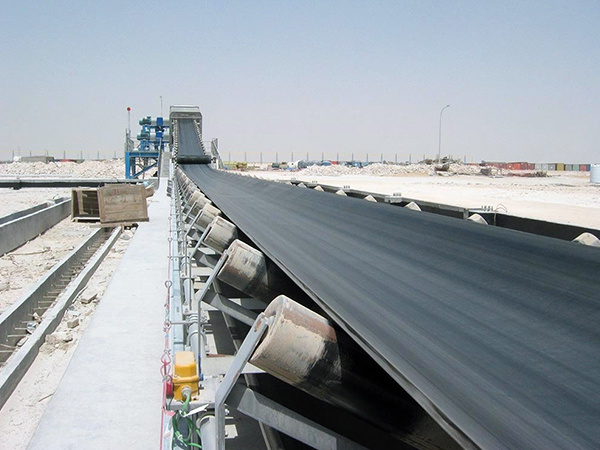
A trough idler set is the group of rollers mounted on a frame that supports the carrying side of a conveyor belt. The rollers are arranged to form a trough shape, which keeps bulk material centered as it moves from the loading point to the discharge end. In a sand and gravel line or a coal handling system, this assembly is one of the most frequently replaced components because it directly affects belt tracking, material spillage, and energy use.
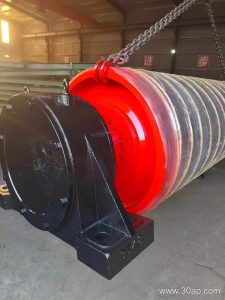
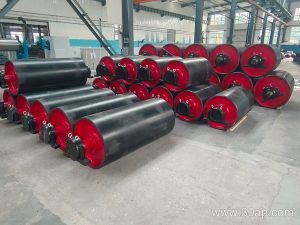
The set is often called a troughing idler set or carrying idler set. These names describe the same product: a complete assembly of two or three rollers, a bracket, and the shaft and bearing arrangement inside each roller. It should not be confused with a drive pulley, tail pulley, or bend pulley, which are separate components used to transmit power or change belt direction.
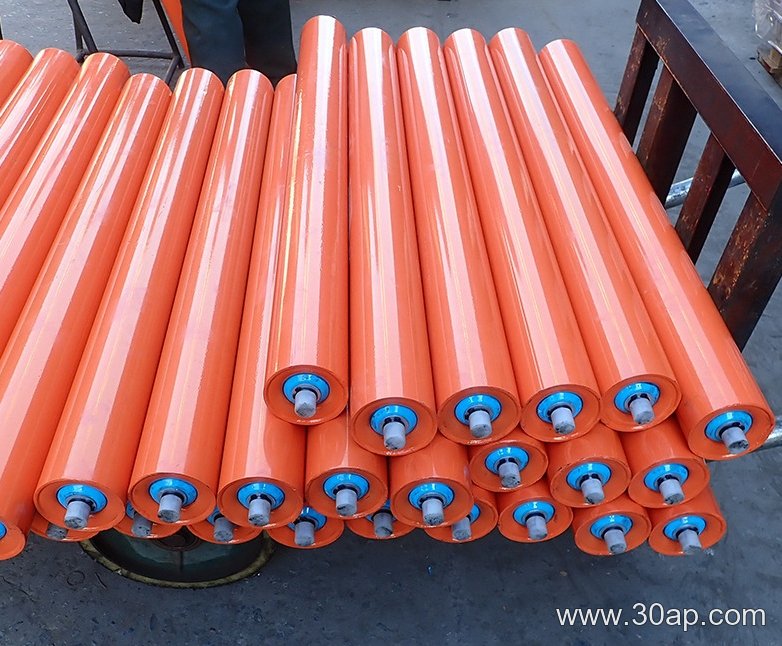
How the Set Is Built
A typical assembly includes the following parts:
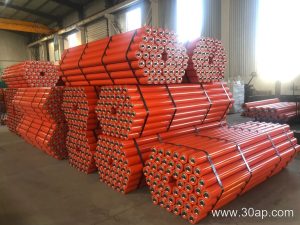
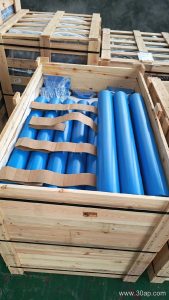
- Idler rollers with a steel tube shell, bearing housing, shaft, and seals.
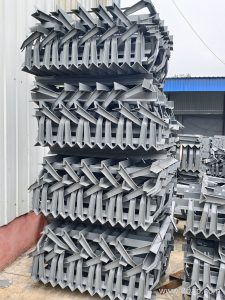
- A conveyor bracket or frame that sets the trough angle and roller spacing.
- Side rollers and a center roller, or a single long roller in a two-roll design.
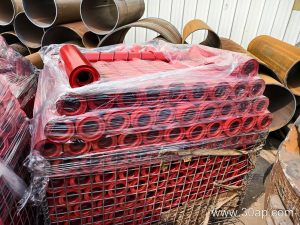
The roller shell may be plain steel, nylon, ceramic-coated, or fitted with rubber rings. Rubber rings are common in buffer idler sets at transfer points, where impact from large lumps is severe. Seals and bearings are critical: a worn seal lets fine dust enter, which shortens bearing life and increases rolling resistance. Common bearing sizes include 6204, 6205, 6305, 6306, 6308, and 6310, but the correct bearing depends on load, speed, and roller diameter rather than on belt width alone.
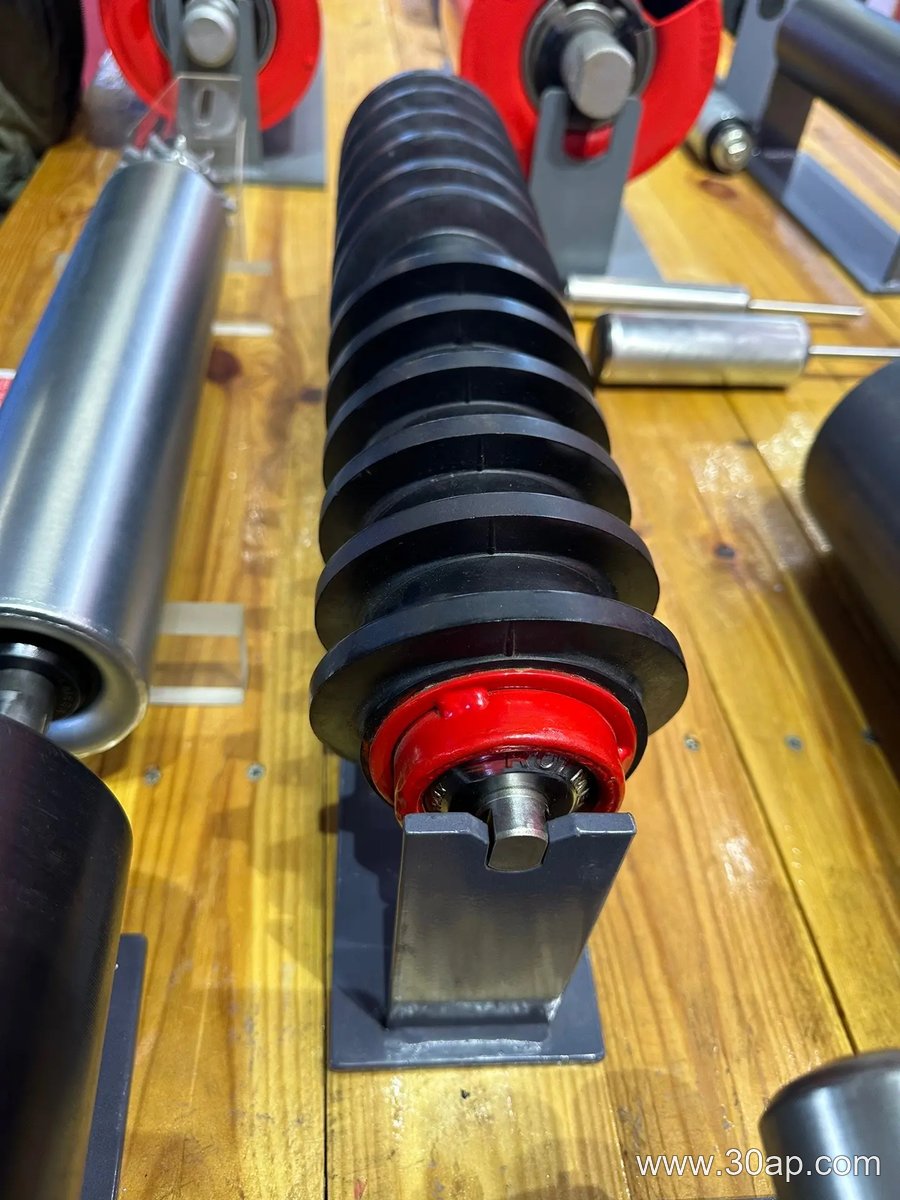
Common Trough Angles and Roller Diameters
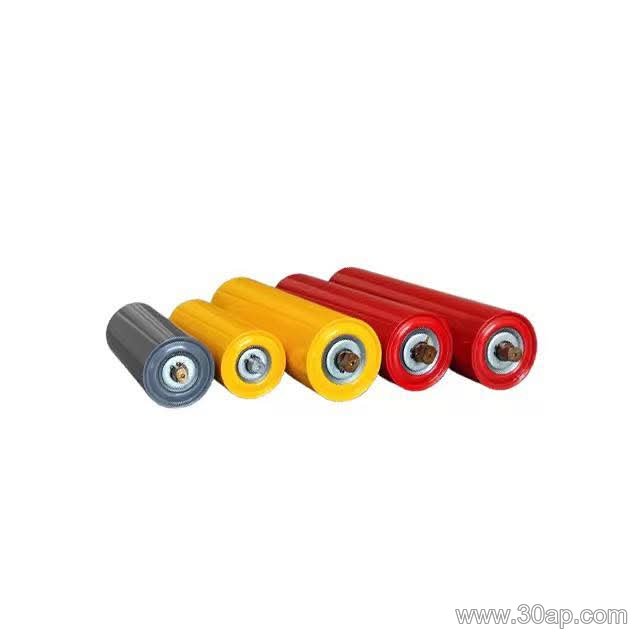
Trough angles usually range from 20 to 45 degrees. A 20-degree set is gentle and suits materials that are easily fluidized, while a 35-degree or 45-degree set gives deeper material containment for high-tonnage work. Roller diameters commonly include Ø63, Ø76, Ø89, Ø102, Ø108, Ø127, Ø133, Ø159, Ø178, Ø194, and Ø219 mm. Larger diameters are often chosen for wide belts and heavy loads, but the final selection is made by the conveyor designer.
Belt widths that use trough idler sets include B400, B500, B650, B800, B1000, B1200, B1400, B1600, B1800, B2000, B2200, and B2400. A common three-roll arrangement might use a roller length near 200 mm for B500, 250 mm for B650, 315 mm for B800, 380 mm for B1000, 465 mm for B1200, 530 mm for B1400, 600 mm for B1600, 670 mm for B1800, and 750 mm for B2000. These are typical examples only; side rollers and center rollers can differ, and the exact length must come from the conveyor drawing.
Where Trough Idler Sets Are Used
These assemblies appear wherever a conveyor belt carries loose material. In a limestone quarry, they support crushed rock on the main haulage belt. In a cement plant, they carry clinker, limestone, and additives. In a power plant coal yard, they keep coal moving from stockpile to boiler bunker. Other common sites include iron ore mines, copper concentrators, sinter plants, and concrete batching plants. In each case, the trough idler set works together with the conveyor belt, the conveyor pulley at the drive and tail ends, and the conveyor bracket that fixes everything to the conveyor frame.
What a Buyer Should Check
Before ordering a trough idler set, confirm the belt width, trough angle, roller diameter, roller length, shaft diameter, bearing size, and mounting hole spacing. Ask whether the set is for the carrying side only or includes return idlers. For dusty or wet conditions, check the seal type and whether a labyrinth or contact seal is used. For impact zones, consider a buffer idler set with rubber rings instead of a standard steel roller. A friction self-aligning idler set is another option when belt tracking is a recurring problem, but it is a different subtype and should not be used as a direct replacement for a standard troughing set without checking the application.
Maintenance is mostly about rotation. A roller that stops turning will wear a flat spot and damage the belt. Inspect for seized bearings, damaged seals, and material buildup on the frame. Replace worn rollers in complete sets where possible so the trough profile stays even. Keep the belt running centered and avoid over-tensioning, because both affect idler and bearing life.