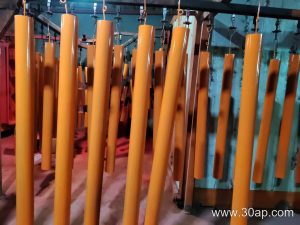
What a Heavy-Duty Conveyor Pulley Does
In a bulk handling line, the pulley is the part that turns belt tension into motion. A heavy-duty conveyor pulley is built for the upper end of that duty: thick belts, high tension, abrasive cargo and long operating hours. It is the same product family often simply called a conveyor pulley, but the heavy-duty version uses thicker shells, larger shafts and more robust bearing assemblies to survive conditions that would wear out a light unit quickly.
Because the pulley drives or redirects the conveyor belt, its condition directly affects belt tracking and splice life. In a quarry, a cement plant or an iron ore operation, a failed pulley can stop the whole line, so buyers tend to look at shell thickness, lagging quality and bearing selection before price.
How the Pulley Is Built
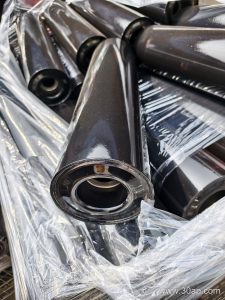
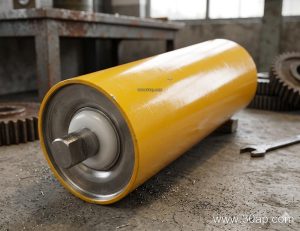
Most units are welded steel drums with end discs, a through shaft, bearing housings and a lagging surface. The shell must resist bending and fatigue under continuous tension. Shaft diameter is normally chosen from torque and radial load, not from belt width alone, so a B800 or B1200 belt may use different shaft sizes depending on the drive arrangement.
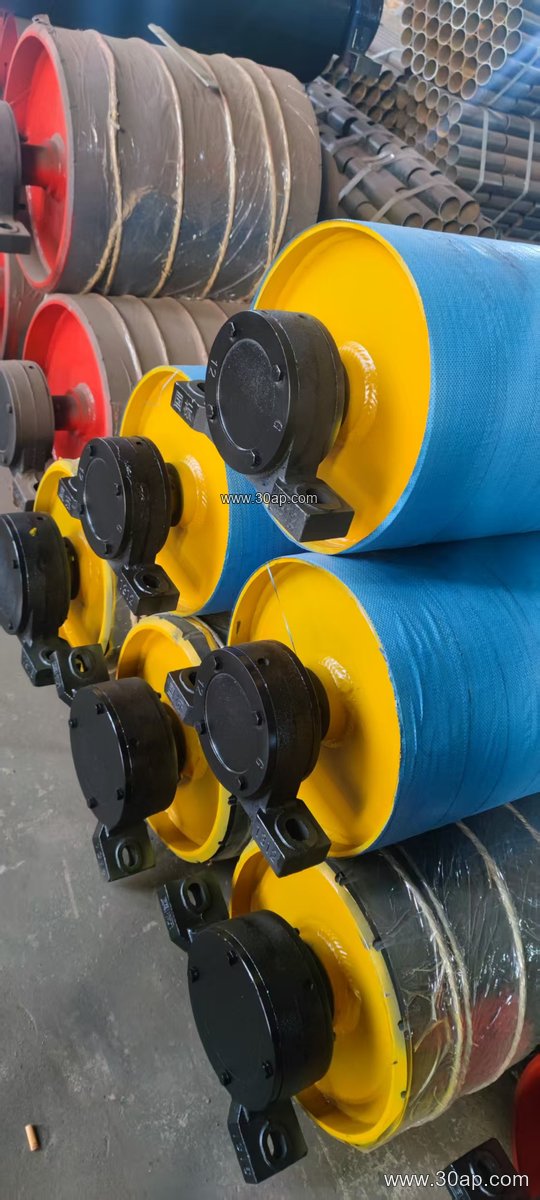
- Shell: rolled and welded steel, often machined for balance
- Shaft: forged or turned steel, keyed for hubs or coupling
- Bearings: spherical roller or tapered roller types in sealed housings
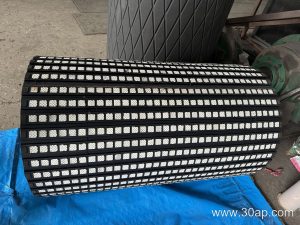
- Lagging: plain, rubber, diamond or ceramic, bonded or vulcanized
- Accessories: conveyor bracket, take-up frame, seals and wear guards
Common shaft diameters in this class are Ø50, Ø80, Ø100, Ø120, Ø140 and Ø160 mm, with larger sizes used where load demands. Common pulley diameters include Ø200, Ø315, Ø500, Ø630, Ø800 and Ø1000 mm. These are reference ranges, not fixed rules.
Surface Forms and Their Role
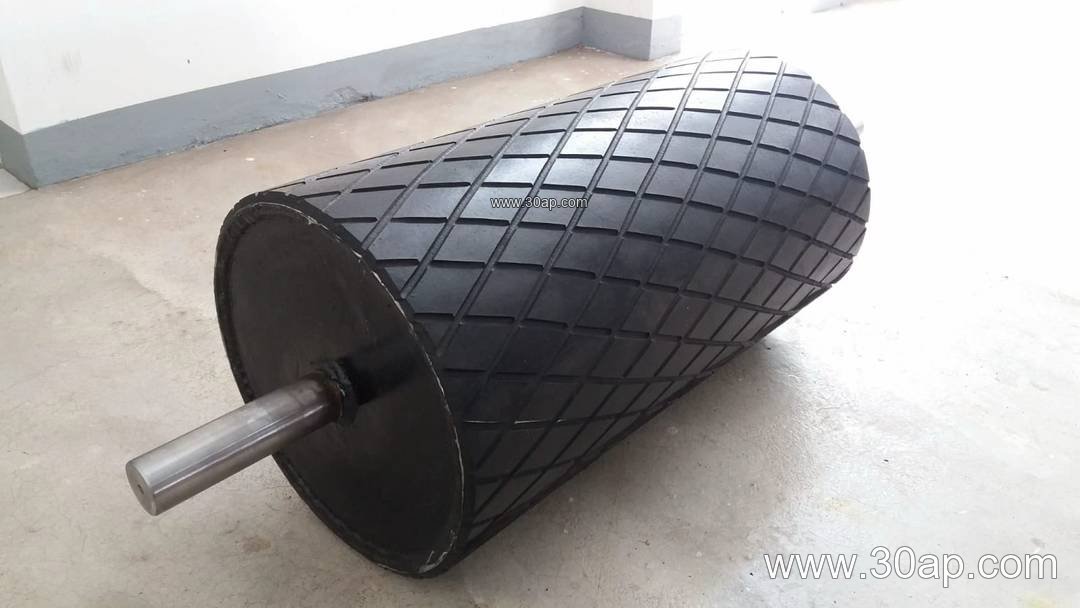
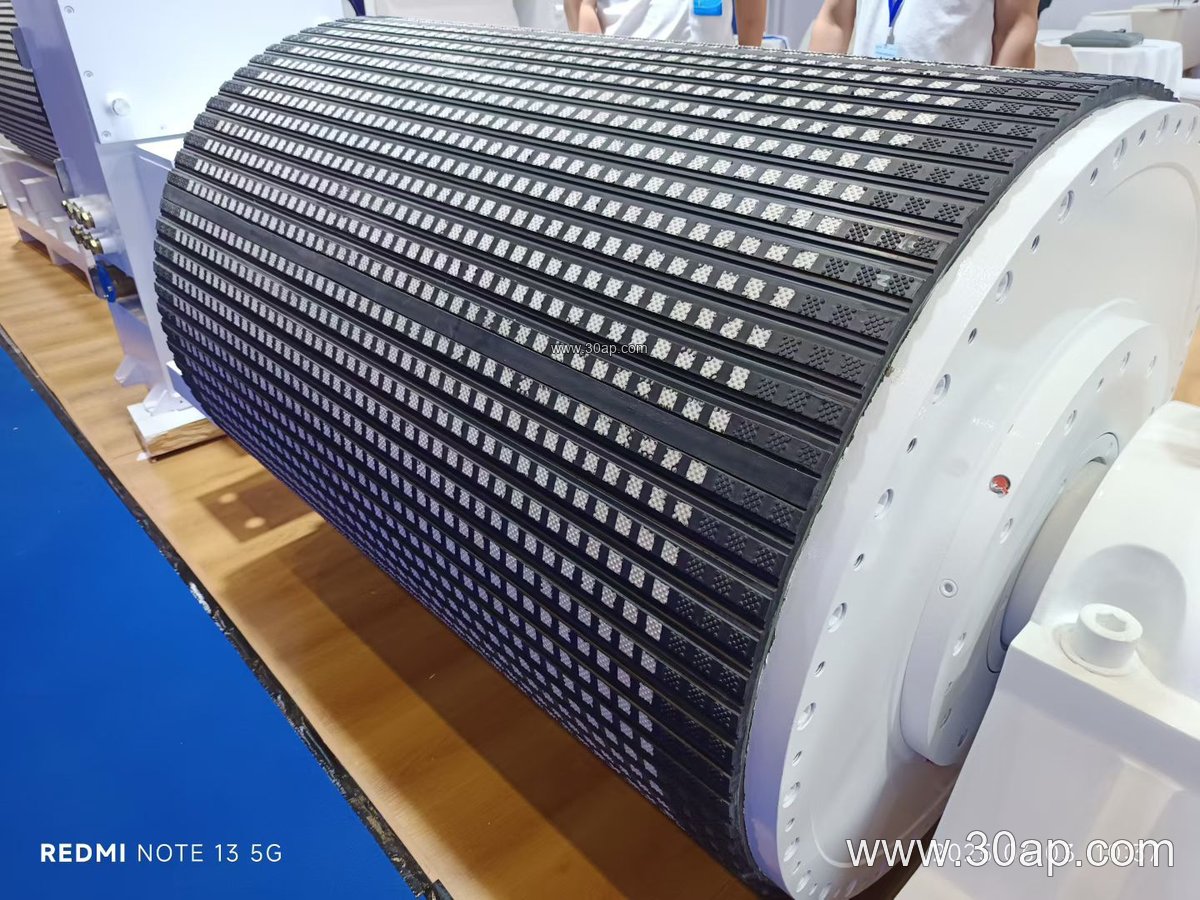
Lagging is where many heavy-duty pulleys differ. Plain steel suits some non-drive positions, while rubber lagging improves grip on the drive side. Diamond or chevron grooving helps shed water and fines; ceramic tiles are chosen where abrasion is severe. Thickness commonly falls between 8 mm and 20 mm depending on the application.
| Surface form | Typical use | Common thickness |
|---|---|---|
| Plain | Non-drive positions, clean duty | None |
| Rubber lagging | Drive grip, general bulk | 8–15 mm |
| Diamond grooved | Wet or dusty belts | 10–15 mm |
| Ceramic | High abrasion, wet conditions | 12–20 mm |
Remember that drive, tail and bend pulleys are not interchangeable names. A drive pulley transmits power, a tail pulley returns the belt, and a bend pulley changes belt direction. Mentioning a tail pulley here is only for comparison; the subject remains the heavy-duty drive-class unit.
Where It Fits in the Line
These pulleys appear in primary crushing circuits, coal handling systems, power plant coal yards and port bulk terminals. On a steep incline, a heavy-duty unit with grooved lagging may run alongside a chevron conveyor belt to keep grip under load. In a coal prep plant, a flame retardant conveyor belt is often paired with a pulley whose lagging is chosen to resist slipping on damp coal.
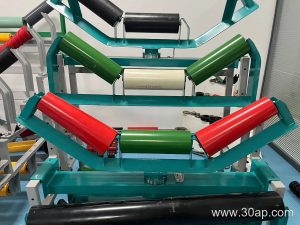
Around the drum, idler roller sets support the belt and help maintain alignment. The pulley and idlers must be considered together, because poor tracking at the drum quickly damages both belt edges and lagging.
Buyer Checklist
Before ordering, confirm belt width, belt tension, drive power, shaft orientation and available space. Belt width alone does not fix the pulley diameter, and a B1200 × Ø1000 combination is one option among several. Ask for the lagging material and thickness, bearing type, and whether the shaft is keyed or coupled. Also check that the drum face width clears the belt; face width is usually slightly larger than belt width.
- Confirm belt tension and motor power
- State the mounting position and load direction
- Specify lagging type and thickness
- Check shaft and bearing sizing against load
- Plan inspection for lagging wear and bearing temperature
Regular inspection of the lagging, seals and bearing play extends service life. When replacement is needed, match the new heavy-duty conveyor pulley to the existing belt and frame rather than assuming a standard size will fit.