What a Rubber Ring Impact Idler Does
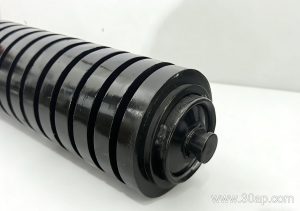
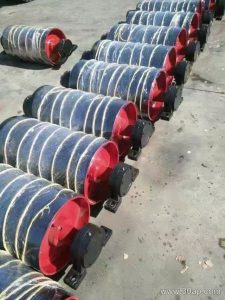
A rubber ring impact idler is a specialized conveyor idler roller built to absorb the shock of falling material at transfer points. Unlike a standard carrying idler, its shell is fitted with a series of thick rubber rings that cushion the conveyor belt when rock, ore, or clinker drops onto it. This reduces stress on the belt cover and the idler frame, which is especially valuable in quarry, limestone, and iron ore operations where lump sizes are large and drop heights are significant.
The same product is also known as a rubber disc impact idler or rubber cushion impact roller. These names describe the same component, and buyers may encounter any of them when specifying parts for a conveyor system.
Construction and Key Components
The basic structure follows a conventional idler roller: a steel shaft, bearing housings, and a shell. What sets the impact version apart is the rubber ring package. Multiple rubber discs are pressed onto the shell, separated by steel spacers, and held in place by end plates. The rubber rings are usually made from abrasion resistant compounds that can flex under load without cracking.
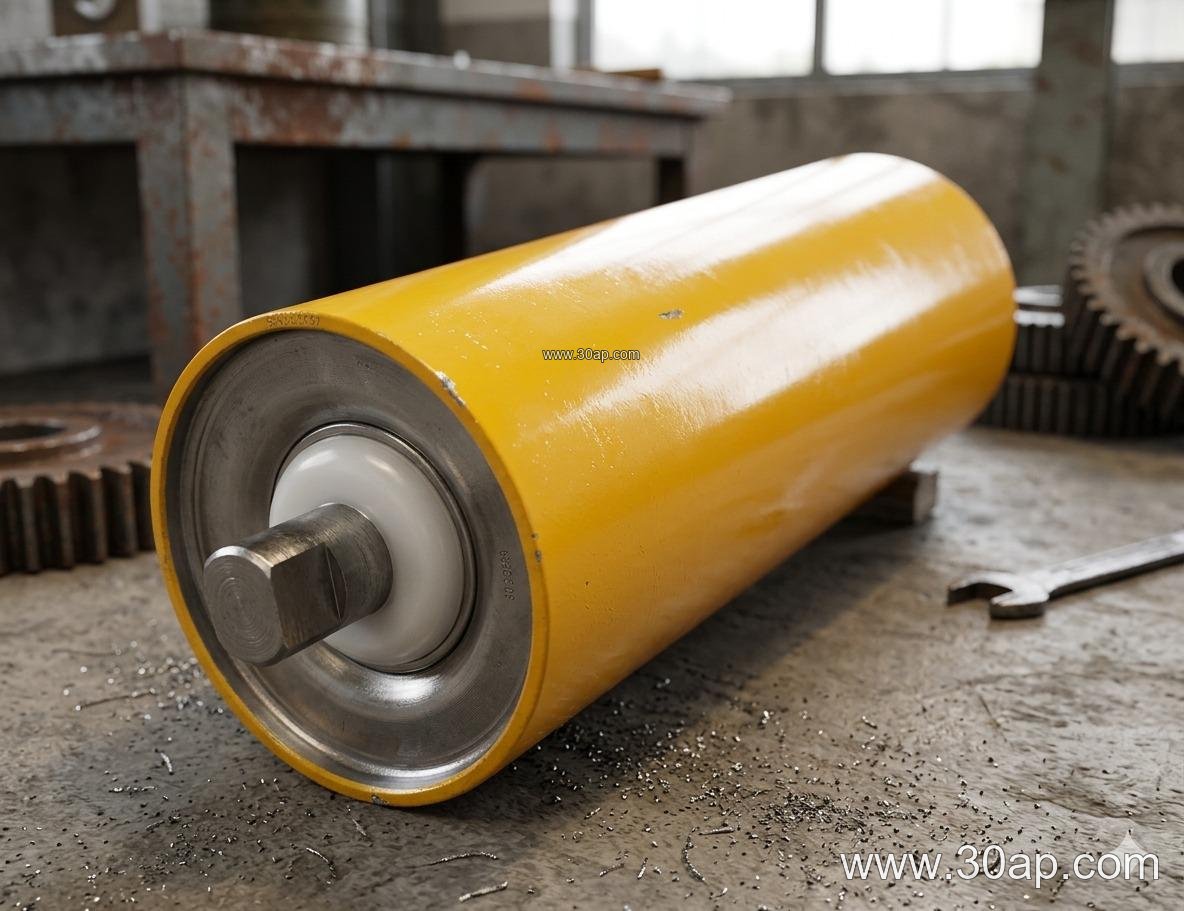
Bearings are typically selected from common sizes such as 6205, 6305, 6306, or 6308, depending on the shaft and load rating. The bearing arrangement is not tied to one roller diameter, so the final choice should follow the idler manufacturer’s design for the specific application.
Common Roller Diameters and Belt Widths
Rubber ring impact idlers are produced in a range of roller diameters and belt width matches. The table below shows typical reference values, not fixed rules.
| Roller Diameter (mm) | Common Belt Width Range (mm) | Typical Application Note |
|---|---|---|
| Ø89 | B500–B800 | Light to medium duty transfer points |
| Ø108 | B650–B1000 | General quarry and aggregate lines |
| Ø127 | B800–B1200 | Heavy lump loading, cement plants |
| Ø133 | B1000–B1400 | Mining and power plant coal handling |
| Ø159 | B1200–B1600 | High impact zones with large ore |
| Ø178 | B1400–B1800 | Primary crushing discharge areas |
Roller length depends on belt width, trough angle, and the idler set arrangement. For a three-roll troughing set, common examples include about 200 mm roller length for B500, 250 mm for B650, 315 mm for B800, 380 mm for B1000, and 465 mm for B1200. Side rollers and center rollers may differ, so these figures are for general reference only.
Where Impact Idlers Are Used
The main duty is at loading and transfer points where material falls onto the belt. In a sand and gravel plant, rubber ring impact idlers are often installed under the crusher discharge chute. In a coal-fired power plant, they protect the conveyor belt at the coal yard transfer house. Other common locations include cement plant clinker loading, iron ore stockyard conveyors, and tunnel spoil transfer stations.
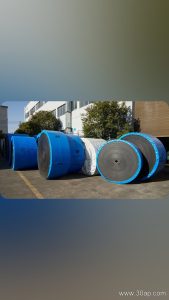
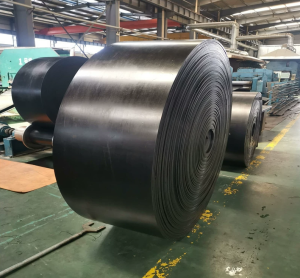
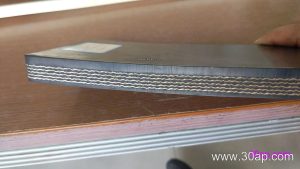
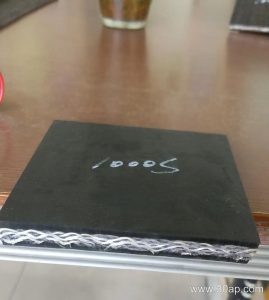
They are frequently paired with a heavy-duty conveyor belt such as an abrasion resistant conveyor belt or a high abrasion resistant conveyor belt to extend service life in the same impact zone. Where fine material and dust are present, a flame retardant conveyor belt may also be required for safety in coal handling.
Selection and Maintenance Tips
Buyers should consider the maximum lump size, drop height, belt width, and expected throughput before choosing a rubber ring impact idler. A larger roller diameter and thicker rubber rings generally handle bigger impacts, but the idler must still fit the existing conveyor bracket and frame. Trough angle options of 20, 30, 35, and 45 degrees are common, and the selected angle should match the adjacent carrying idlers.
During operation, check that the rubber rings are not worn flat or loose on the shell. Worn rings reduce cushioning and can allow the belt to sag between idlers. Bearing condition should be monitored through normal inspection; a seized bearing can score the shaft and damage the bracket. Replacing rubber rings or the complete idler before belt damage occurs is usually more economical than repairing a torn conveyor belt.
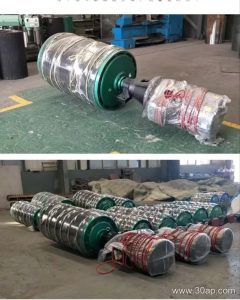
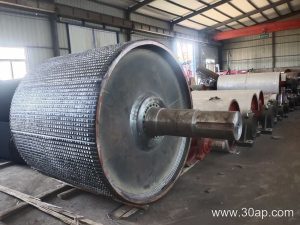
For conveyors handling mixed bulk materials, impact idlers work alongside other components such as the conveyor pulley, conveyor bracket, and return idler roller. Each part has a distinct role, and the impact idler should not be substituted with a standard troughing or return idler where shock absorption is needed.