What the NN Conveyor Belt Is
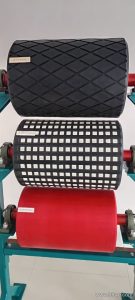
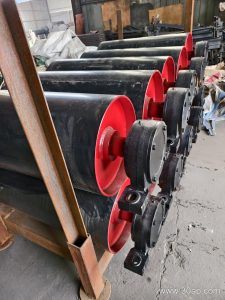
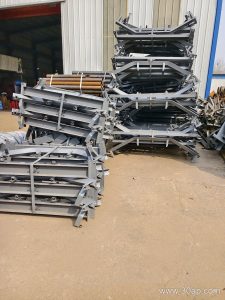
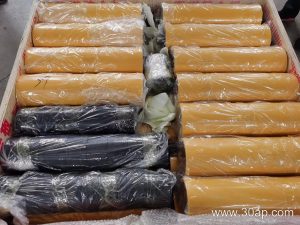
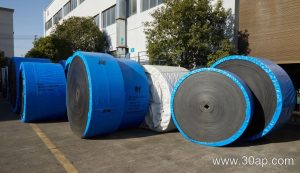
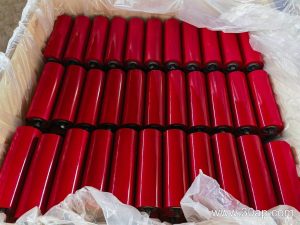
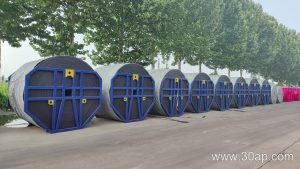
The NN conveyor belt is a heavy-duty rubber belt built on a carcass of nylon fabric in both the warp and weft directions. The abbreviation NN stands for nylon-nylon, which distinguishes it from EP belts that use polyester warp and nylon weft. This construction gives the belt high tensile strength, excellent resistance to impact and fatigue, and good flexibility. It is a common choice for moving bulk materials over long distances or through tough loading points in industries such as mining, coal, cement, power generation, and sand and gravel plants. A complete conveyor system also uses idler rollers, a conveyor pulley, and conveyor brackets, but the belt itself is the load-bearing element.
How the NN Belt Is Built
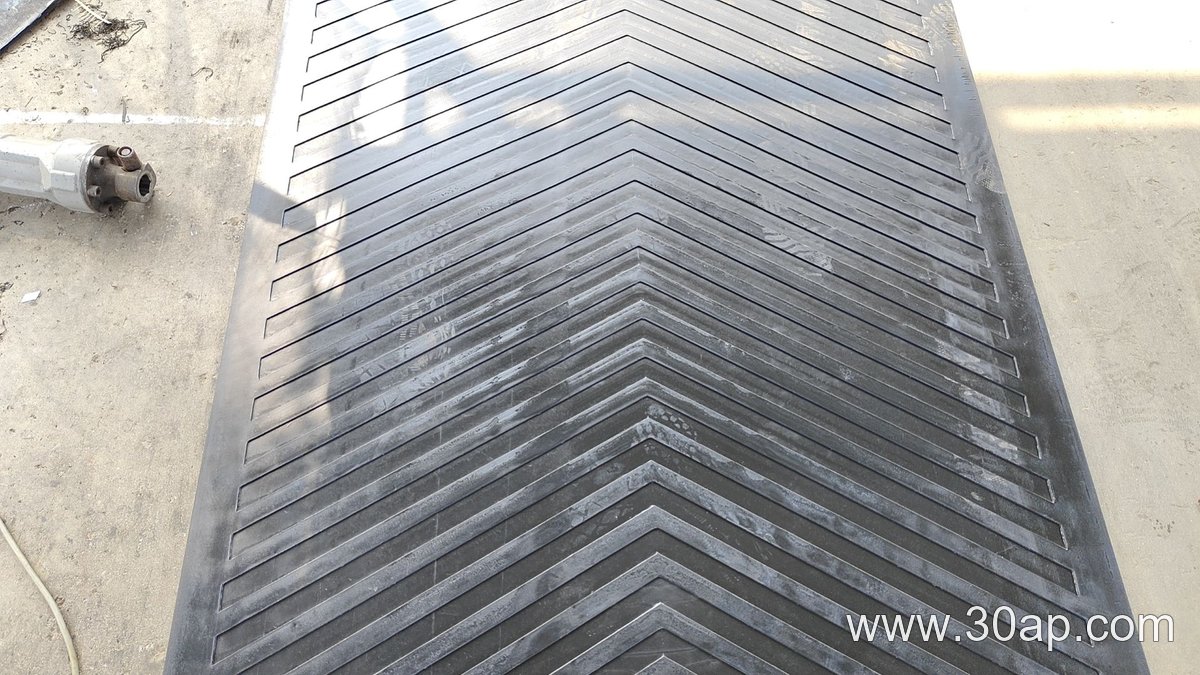
The carcass is made from multiple layers of nylon fabric, usually two to six plies, bonded with rubber skim compound. Top and bottom cover rubber is applied to protect the fabric from abrasion, moisture, and material impact. Cover thickness is often specified as a pair of numbers, for example 4+2 mm, 5+2 mm, 6+2 mm, or 8+3 mm, where the first number is the top cover and the second is the bottom cover. The rubber grade can be selected for wear resistance, heat, oil, flame, antistatic, cold, or acid and alkali conditions. The belt edges may be cut or moulded, and special surface forms such as chevron or cleated profiles are available when the conveyor angle demands extra grip.
Typical Specifications and Data
NN belts are commonly rated by tensile strength per ply or by full belt strength. The table below gives common reference values; actual values depend on the manufacturer and the design of the conveyor.
| Property | Common reference range |
|---|---|
| Fabric type | NN (nylon-nylon) |
| Number of plies | 2 to 6 |
| Belt width | B500, B650, B800, B1000, B1200, B1400, B1600, B1800, B2000 |
| Cover thickness | 3+1.5, 4+2, 5+2, 6+2, 8+3 mm |
| Strength grades | NN100, NN125, NN150, NN200, NN250, NN300, NN350, NN400 and higher |
These figures are given as a guide. Belt width and strength are selected together with the pulley diameter, the load, and the troughing angle. No single belt width is tied to one pulley diameter, and the shaft diameter of a pulley is calculated from the actual load, not from belt width alone.
Where NN Belts Are Used
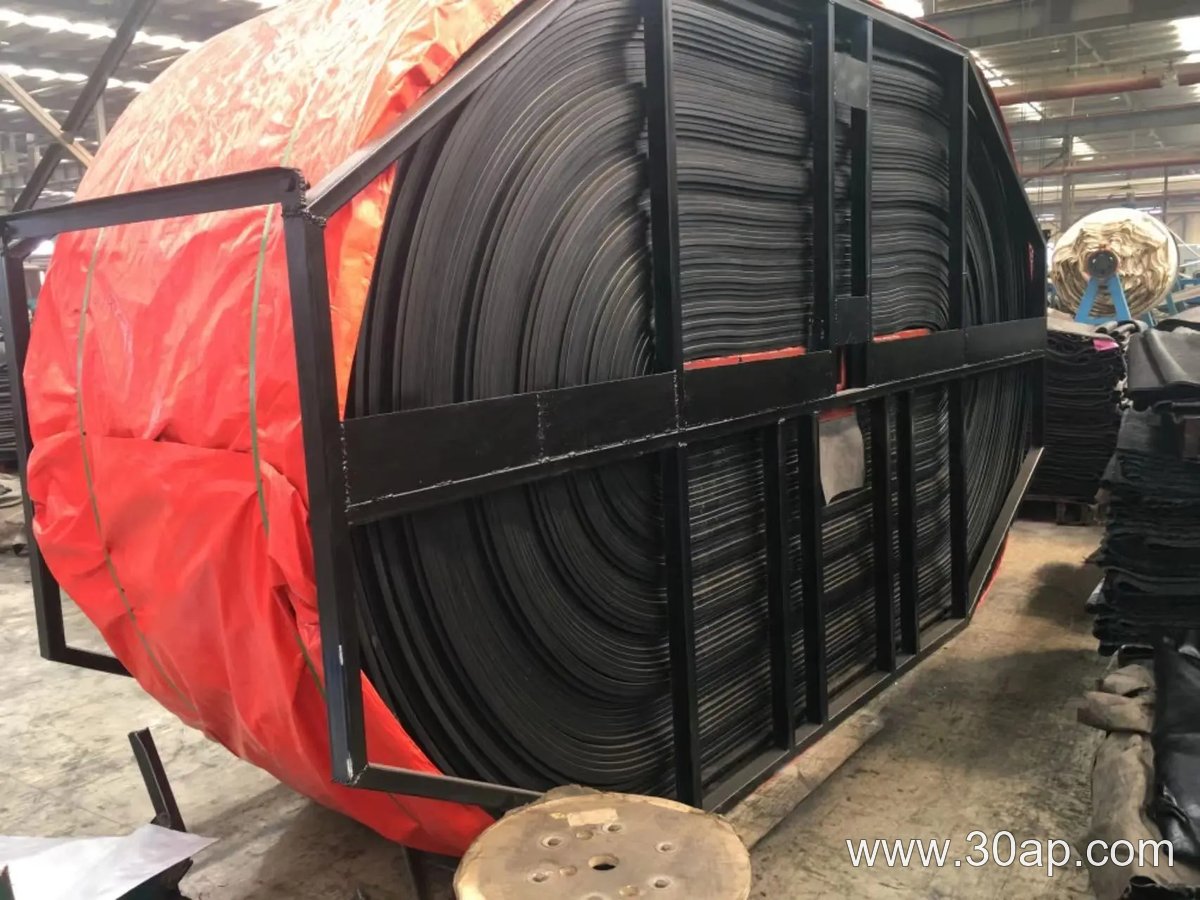
Because nylon fabric absorbs shock and resists repeated flexing, the NN belt performs well at transfer points where large lumps drop onto the belt. It is found in coal mines, ore dressing plants, cement kilns and clinker lines, power station coal yards, and aggregate quarries. It also suits mobile crushers, stackers, and ship loaders where the belt must run over small pulleys and idlers. In these systems, the belt works with troughing idler rollers, return rollers, a drive pulley, a tail pulley, and bend pulleys. Each pulley has a different role: the drive pulley transmits power, the tail pulley controls tracking at the loading end, and bend pulleys change the belt path. They are not interchangeable, and the belt must be matched to the smallest pulley in the run.
Choosing and Maintaining an NN Belt
A buyer should first confirm the material being carried, the lump size, the capacity in tonnes per hour, the incline angle, and the ambient conditions. From these, the required belt width, ply number, strength grade, and cover grade can be worked out. For hot clinker or cement, a heat-resistant cover is needed; for coal dust, antistatic and flame-retardant properties are often requested. During operation, check that the belt runs centred on the idlers and pulleys, that the skirt rubber does not press too hard, and that the loading chute does not drop material from excessive height. Regular inspection of splices, edge wear, and cover cuts helps avoid sudden failure. Keeping the conveyor pulley and idler rollers clean and aligned extends belt life in dusty plants.
Buyer Checklist
- Confirm fabric type NN and the required number of plies.
- State belt width, strength grade, and cover thickness.
- Specify rubber grade for heat, oil, flame, or cold service.
- Check the smallest pulley diameter in the conveyor.
- Ask for the splice method and edge type.
- Review storage and handling instructions before installation.
When these points are clear, the NN conveyor belt can be ordered with confidence for mining, cement, power, and sand and gravel duty.