What a Conveyor Support Leg Does
A conveyor support leg is the vertical member that carries the weight of the conveyor frame, idlers, and belt at each support station. Often called a conveyor stand leg or frame leg, it transfers loads from the stringer or cross beam down to the floor, foundation, or structural steel. In a quarry, cement plant, or coal handling system, these legs keep the entire belt line stable and aligned.
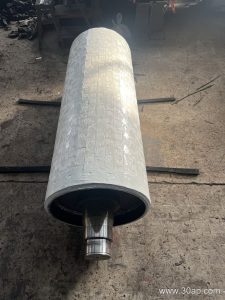
Unlike a conveyor bracket that connects an idler to the frame, the support leg works at a larger scale: it sets the elevation of the conveyor and maintains the profile along the route. Drive pulleys, tail pulleys, and bend pulleys are separate components with their own support requirements; the leg discussed here is the general structural support for the conveyor frame.
Construction and Materials
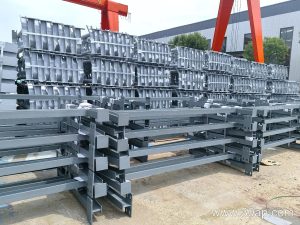
Most conveyor support legs are fabricated from angle steel, channel steel, or folded steel plate. The choice depends on load, height, and environment. Common forms include fixed legs welded or bolted to the frame, and adjustable legs with slotted holes or threaded sections for fine height correction.
Typical features include:
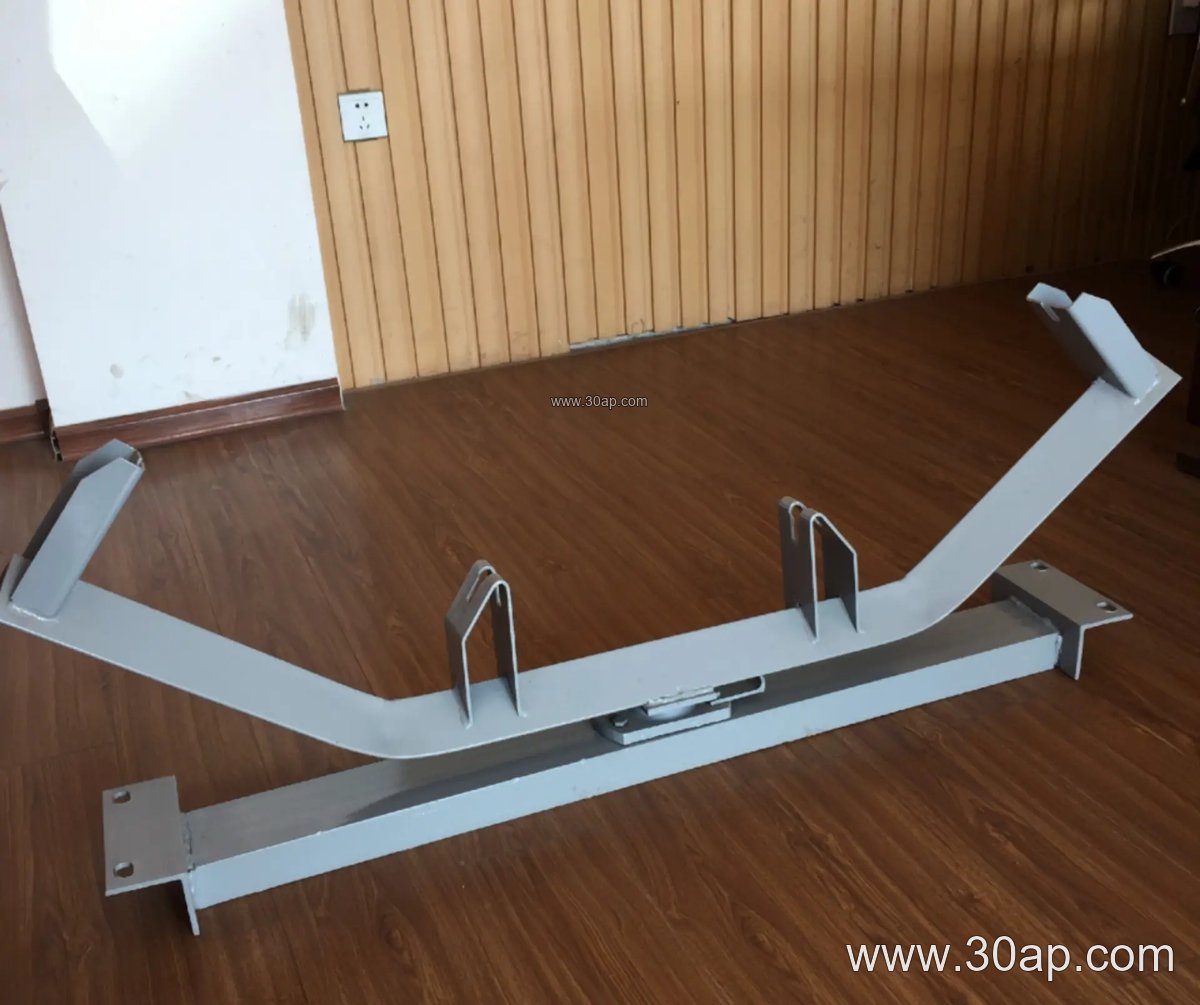
- Base plates with bolt holes for anchoring to concrete or steel structures
- Gussets or stiffeners at the leg-to-beam connection
- Adjustment range of 50 to 150 mm on adjustable versions
- Surface treatment such as painting or galvanizing for dusty or humid sites
For belt widths from B500 to B2200, leg height and cross beam length vary with the conveyor profile and trough angle. Installation hole spacing is determined by the frame design, not by belt width alone.
Where Conveyor Support Legs Are Used
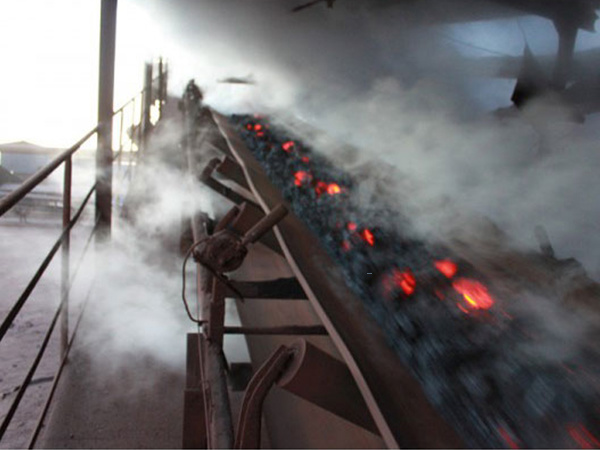
These legs appear in crushing and screening plants, coal preparation facilities, power plant coal conveyors, and aggregate yards. In a limestone mine, for example, a series of support legs holds the inclined conveyor that feeds the secondary crusher. In a grain silo or fertilizer plant, lighter-duty legs may support a flat or trough conveyor at ground level.
They are also used under transfer points and along long overland conveyors where the frame must follow terrain. When the belt line includes a transition section, the support leg near the transition may be shorter or reinforced to handle changing loads.
Matching Legs to Idlers and Belt Width
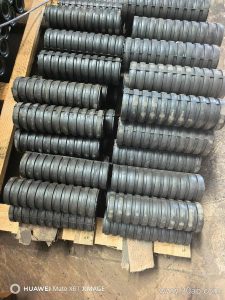
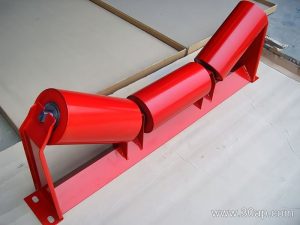
Support legs do not work alone. They carry the frame that holds idler rollers, which in turn support the conveyor belt. A common arrangement for a B800 conveyor might use 35-degree trough idlers with Ø108 rollers, while a B1200 line could use 45-degree troughing with Ø133 rollers. These are examples only; the correct combination is set by the conveyor designer.
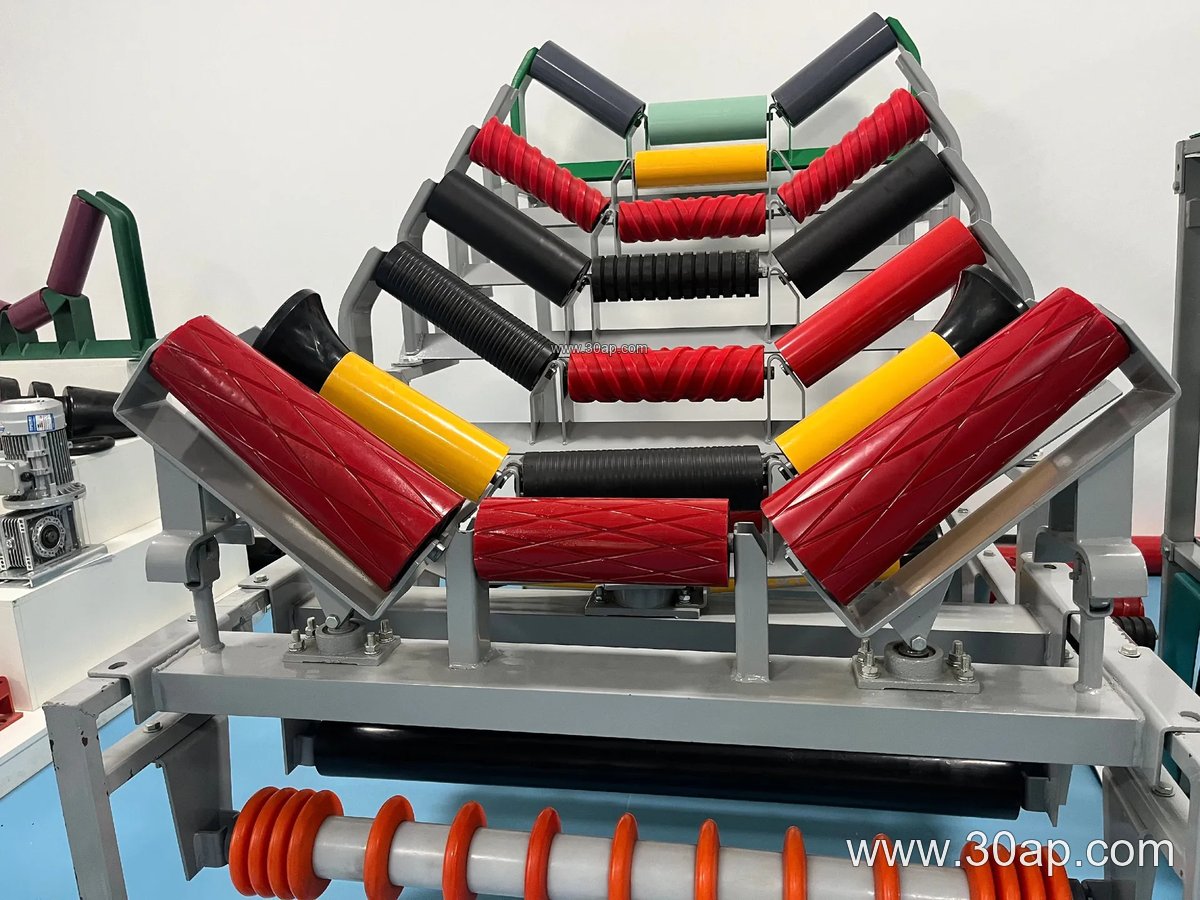
The table below shows common reference values for support leg applications. Values are for general guidance and should be confirmed by the project design.
| Belt Width | Typical Trough Angle | Common Idler Roller Diameter | Support Leg Note |
|---|---|---|---|
| B500 | 20–30 degrees | Ø89 | Light frame, shorter leg |
| B650 | 30 degrees | Ø89–Ø108 | Adjustable leg often used |
| B800 | 35 degrees | Ø108 | Standard fixed or adjustable |
| B1000 | 35–45 degrees | Ø108–Ø133 | Reinforced base plate |
| B1200 | 45 degrees | Ø133 | Heavier channel leg |
| B1400–B2200 | 35–45 degrees | Ø159–Ø194 | Custom height and bracing |
For return sides, a V-return bracket or flat return bracket may be attached to the same frame, but these are separate from the support leg itself. A conveyor pulley at the drive or tail end also has its own support structure, not interchangeable with intermediate legs.
Buyer Checklist
Before ordering, confirm the conveyor profile drawing, belt width, trough angle, and idler roller diameter. Check the required leg height from floor to stringer, the anchor bolt pattern, and whether adjustment is needed for alignment. Ask for material thickness and surface treatment, especially for outdoor or wash-down areas.
- Height and adjustment range
- Base plate dimensions and hole spacing
- Material grade and finish
- Compatibility with the conveyor bracket and frame
- Quantity and spacing along the conveyor
Properly selected support legs keep the belt line steady, reduce idler misalignment, and extend the service life of the conveyor belt in demanding industrial settings.