What an Underground Coal Mining Conveyor Belt Is
An Underground Coal Mining Conveyor Belt is the load-carrying component of a belt conveyor system installed in coal mines, where it moves raw coal from the working face through drifts, inclines, and transfer points to the surface or to a preparation plant. Because the environment is enclosed, dusty, and often wet, the belt must combine tensile strength, flame resistance, and resistance to abrasion and impact. The same product is also called a coal mining conveyor belt or an underground mining conveyor belt, and it is typically specified as a flame retardant conveyor belt with anti-static properties to reduce ignition risk in gassy seams.
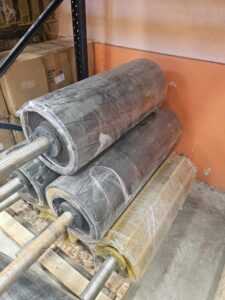
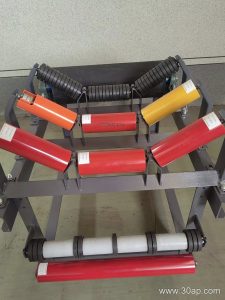
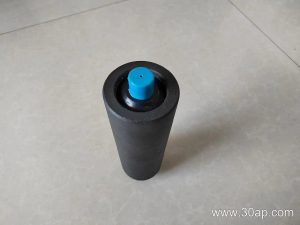
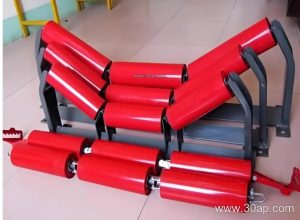
The working principle is simple: a continuous loop of belt runs over a drive pulley, a tail pulley, and a series of bend pulleys, supported between them by idler rollers. The belt itself does the hauling, while the pulleys transmit power and change direction. Drive, tail, and bend pulleys are distinct parts with different duties and are not interchangeable, just as carrying idlers and return idlers serve different positions along the line.
Construction and Common Configurations
Most belts for this duty use a fabric core or a steel cord core. Fabric core constructions include EP conveyor belts (polyester warp, nylon weft) and NN conveyor belts (nylon warp, nylon weft), often built as a multi-ply fabric core conveyor belt with two to six plies. Steel cord conveyor belts are chosen for long runs and high tension. Cover compounds are selected for the specific hazard: abrasion resistant, flame retardant, fire resistant, anti-static, oil resistant, or cold resistant grades are all available, and a single belt may combine several of these properties.
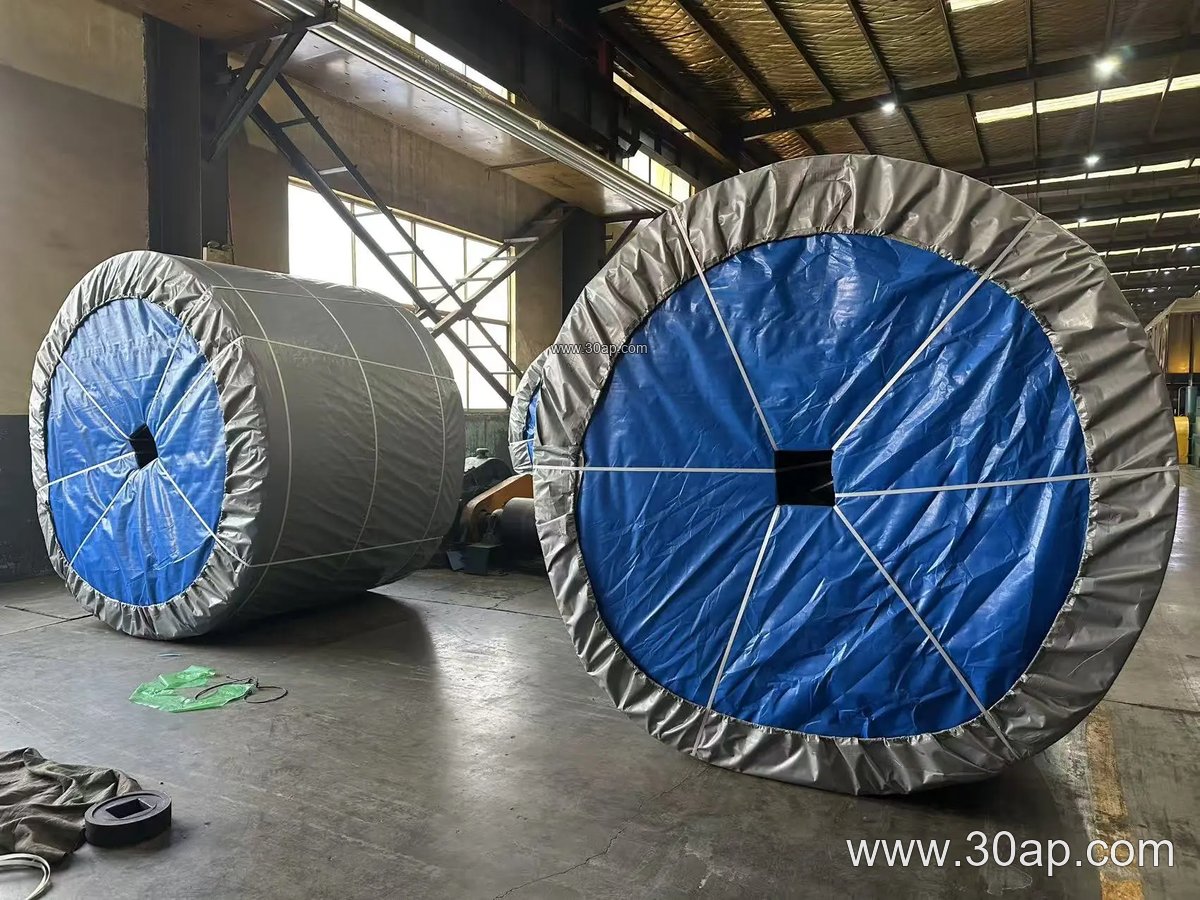
In coal roadways, PVC and PVG conveyor belts are widely used because the PVC or PVG cover provides flame resistance with a relatively low weight. A PVG800S conveyor belt is a typical reference point in this family, though the exact grade and construction should always be confirmed with the supplier against the mine’s design requirements.
| Item | Common Reference Range | Notes |
|---|---|---|
| Core type | EP, NN, steel cord, PVC, PVG | Selected by tension and fire-safety needs |
| Strength grade | EP200 to EP2000; ST1000 to ST3150 | Indicative grades, not fixed pairings |
| Belt width | B500, B650, B800, B1000, B1200, B1400, B1600 | Matched to tonnage and troughing |
| Cover thickness | 3+1.5, 4+2, 5+2, 6+2, 8+3 mm | Top + bottom cover |
| Ply count | 2 to 6 plies | Fabric core only |
Where It Is Used
Beyond coal faces and main haulage drifts, this belt type appears in transfer houses, bunkers, and incline shafts. Related industries using comparable heavy-duty belts include cement plants, power plants, iron ore and copper ore operations, quarries, sand and aggregate yards, and port bulk terminals. In those settings, a quarry conveyor belt or aggregate conveyor belt may share the same core construction but differ in cover grade. A heavy-duty mining conveyor belt for ore is often specified with a high abrasion resistant cover, while a coal application puts more emphasis on flame retardant and anti-static performance.
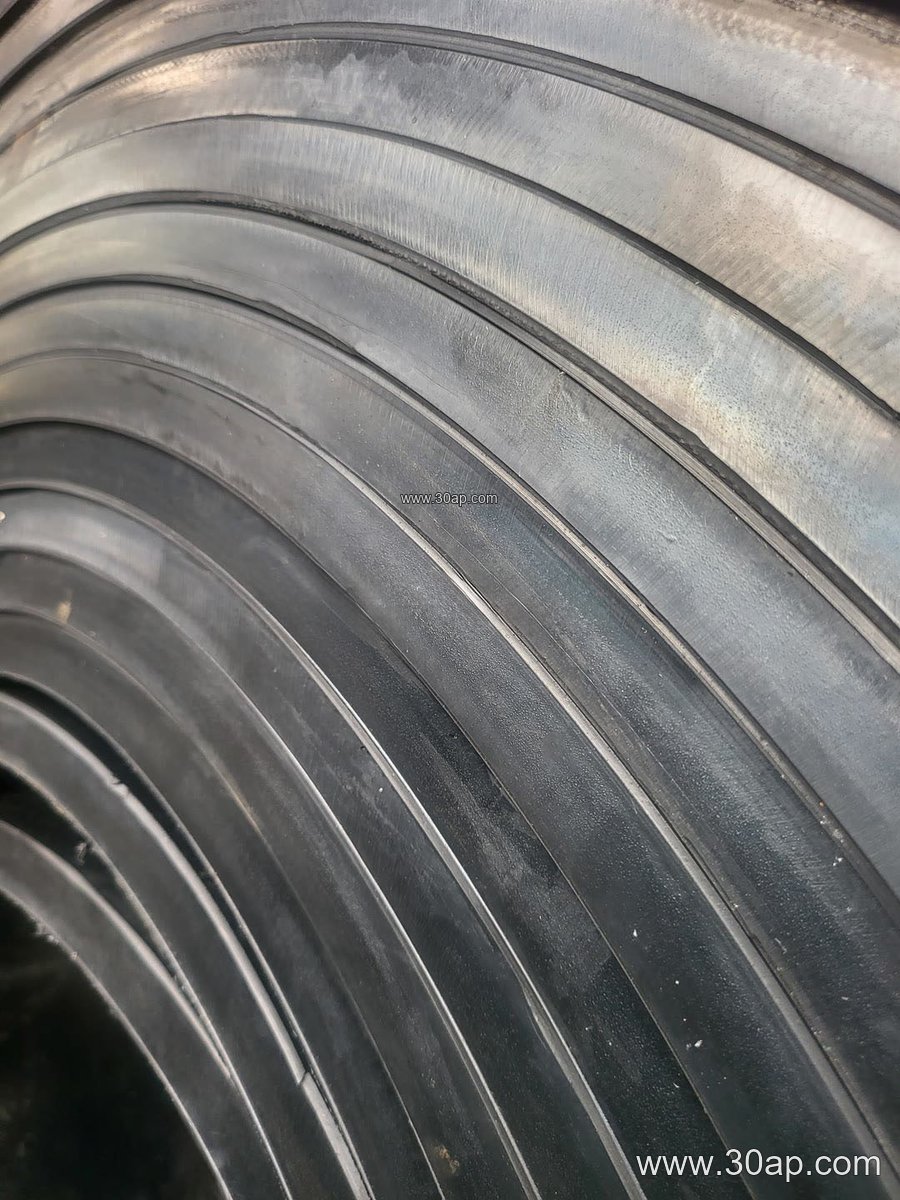
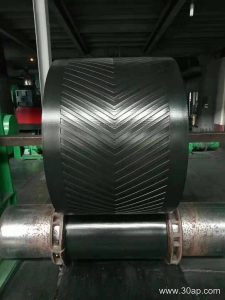
Where the route climbs steeply, a chevron conveyor belt or a corrugated sidewall conveyor belt may be considered, and enclosed routes may use a pipe conveyor belt. These are alternative designs for specific layouts, not replacements for the standard troughed belt described here.
Selection Points for Buyers
- Confirm the required strength grade and safety properties with the mine’s engineering team; do not assume a belt width dictates a single pulley diameter or shaft size.
- Check cover thickness against lump size and drop height; impact resistant covers help at transfer points.
- Verify flame retardant and anti-static performance for underground coal use, and keep test documentation on file.
- Review splice type, edge condition, and whether an endless conveyor belt is preferred to reduce joint failures.
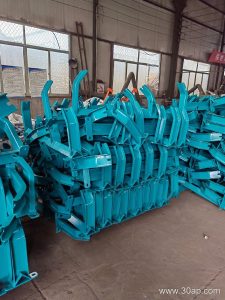
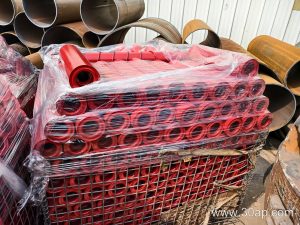
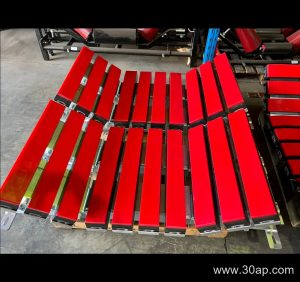
- Plan spare idler rollers, conveyor pulleys, and conveyor brackets together with the belt order so the line stays serviceable.
Installation and Maintenance Notes
Correct alignment at the tail pulley and training of the belt through the bend pulleys prevent edge damage and premature wear. Keep idler rollers turning freely, replace worn lagging on the drive pulley, and inspect splices at each shift change. Store spare belt rolls flat and away from ozone sources. For longwall or room-and-pillar operations, keep a short length of matched belt on hand for emergency repairs.
For more product information on flame retardant conveyor belt, PVG conveyor belt, and steel cord conveyor belt options, or to discuss a heavy-duty mining conveyor belt specification, contact the supplier with your mine’s design data. A well-matched underground coal mining conveyor belt, supported by sound pulleys and idlers, keeps coal moving safely and predictably.