What the EP500 Conveyor Belt Is
The EP500 Conveyor Belt is a fabric-core rubber belt built around polyester and nylon (EP) warp and weft yarns. The designation EP500 refers to a nominal tensile strength of 500 N/mm per ply, which places it in the middle-to-high range of EP constructions and makes it a practical choice for main haulage lines in mines, cement works, power stations, and large quarries. Because the carcass is a multi-ply fabric core rather than steel cord, the belt remains flexible, easier to splice in confined spaces, and less prone to carcass fatigue around smaller pulleys. In many plants it is ordered simply as an EP rubber conveyor belt or an EP fabric core conveyor belt, and those names describe the same product.
Construction and Typical Build
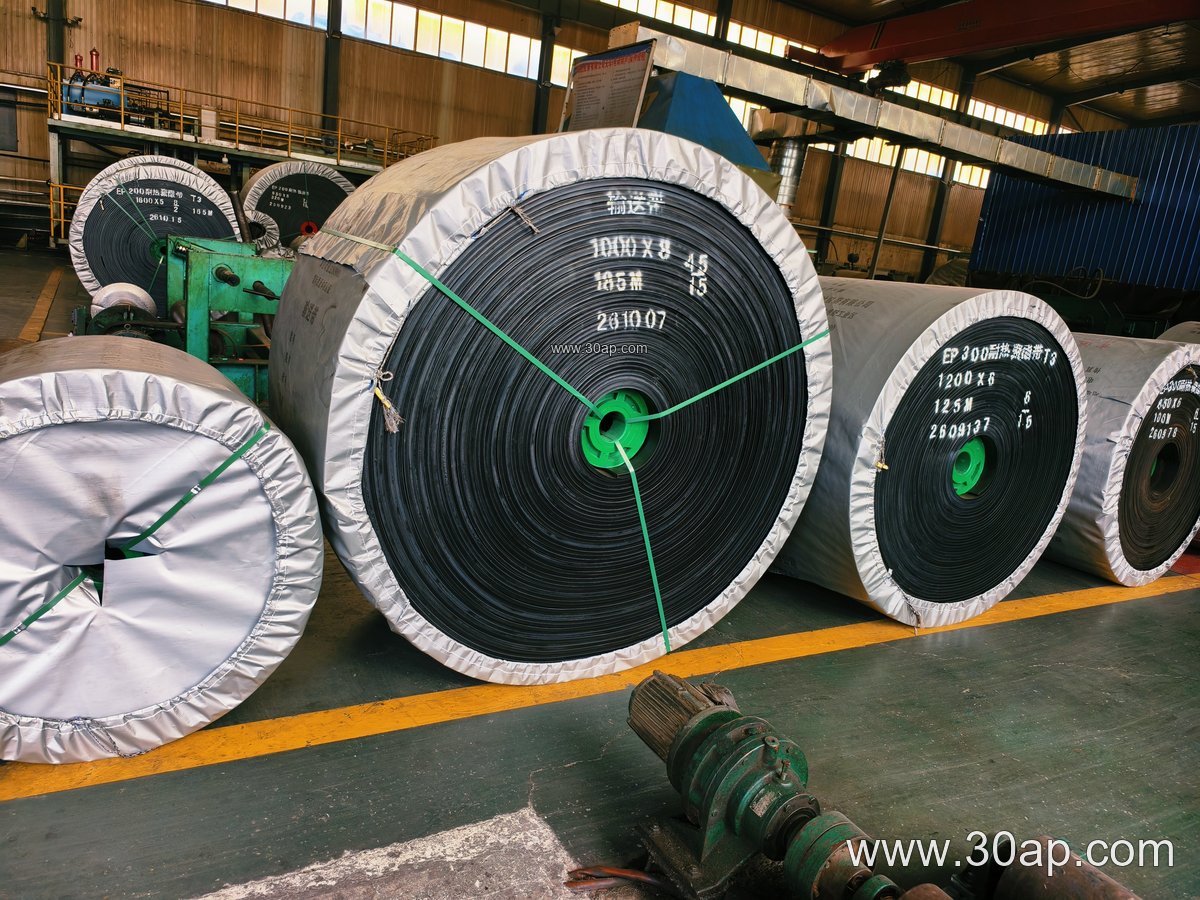
A standard EP500 belt usually combines a multi-ply fabric core with rubber covers on both faces. The number of plies, cover thickness, and rubber grade are selected according to the duty, so no single build fits every line. Common cover combinations include 4+2 mm, 5+2 mm, and 6+2 mm, while heavier service may call for 8+3 mm. Cover compounds can be plain abrasion resistant, heat resistant, oil resistant, flame retardant, anti-static, or cold resistant, depending on the environment.
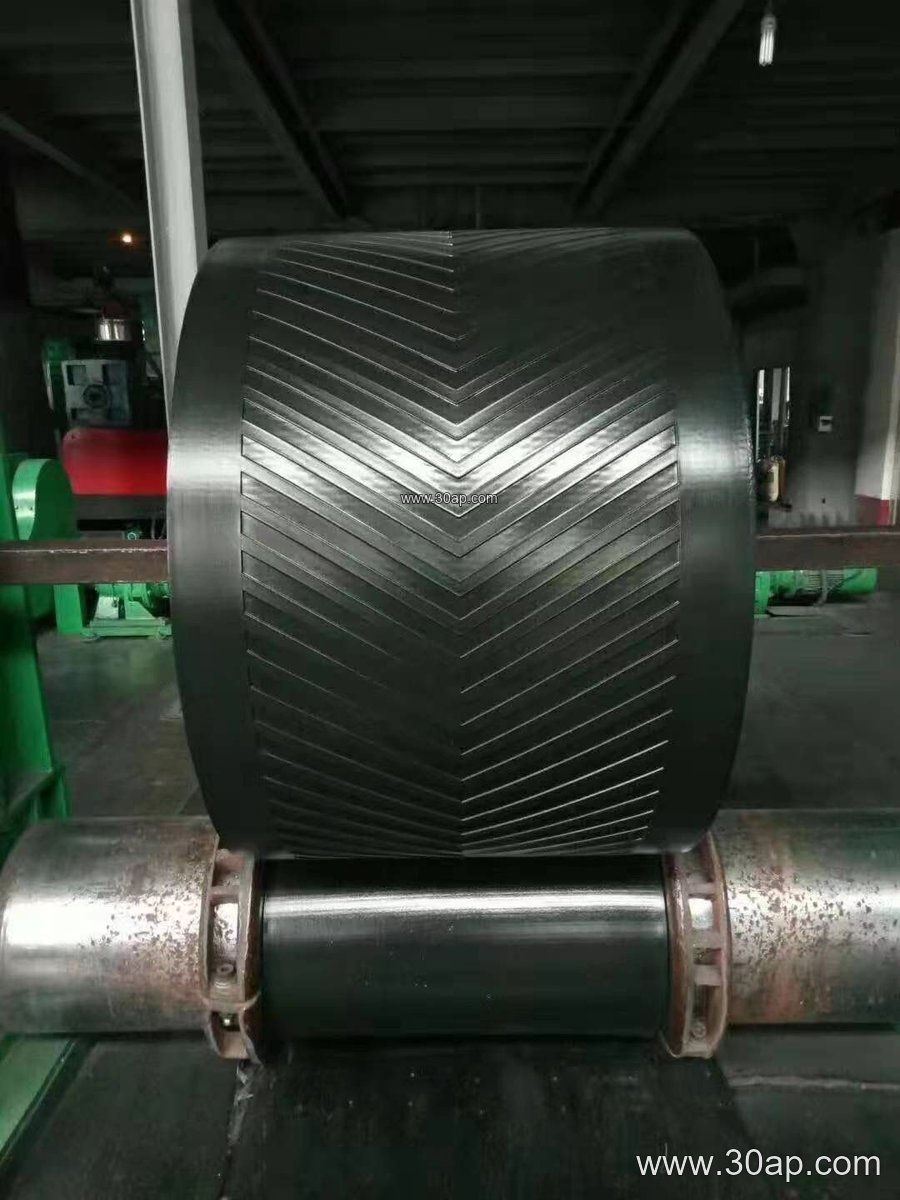
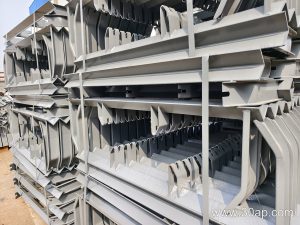
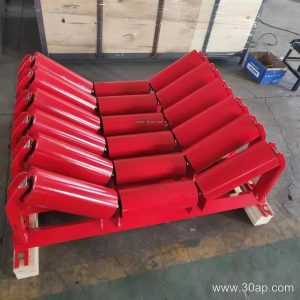
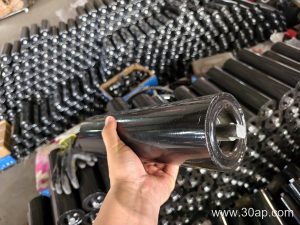
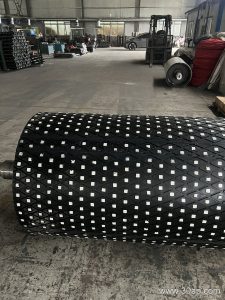
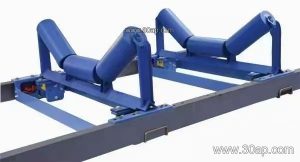
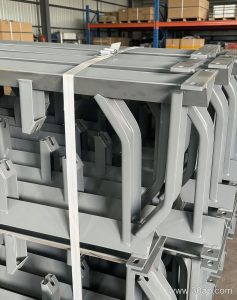
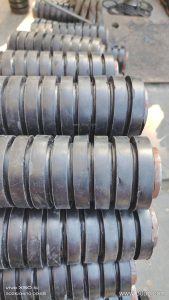
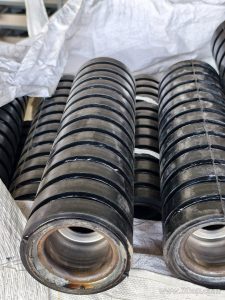
The belt runs over conveyor pulleys at the head and tail and is supported by idler rollers along the carrying and return strands. Conveyor brackets and frames hold the idlers in alignment, and the whole assembly is usually designed around the belt width and the expected load. Drive, tail, and bend pulleys each have a distinct role and are not interchangeable, so belt selection should always be checked against the actual pulley arrangement.
Where It Fits in the Plant
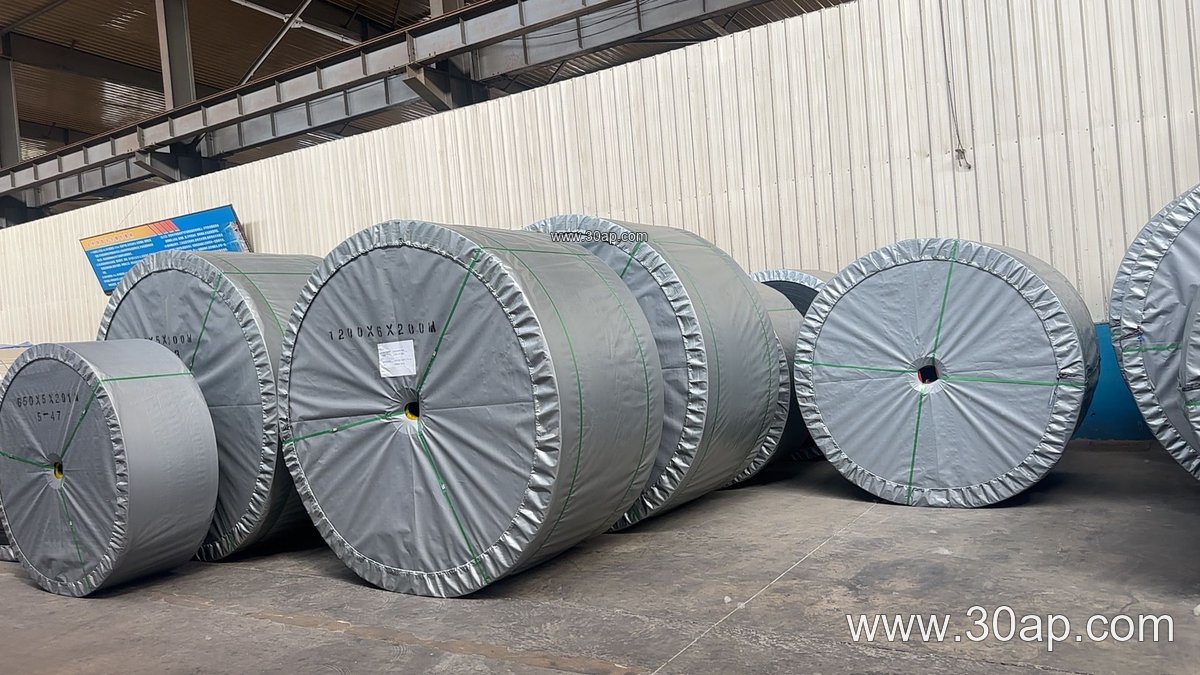
EP500 is often found on medium-to-long conveyors handling bulk material such as crushed stone, clinker, coal, ore, and sand. It suits primary and secondary crushing circuits, stockyard feed lines, and transfer conveyors in the cement and power industries. In mining and quarrying, it may appear as a mining conveyor belt or quarry conveyor belt where moderate impact and abrasion are present but steel cord construction is not required. For underground coal work, flame retardant and anti-static grades are usually specified, and the belt may then be described as an underground coal mining conveyor belt or a flame retardant conveyor belt.
Specifications Buyers Commonly Review
The table below lists reference values often discussed when specifying an EP500 belt. Actual values depend on the manufacturer and the engineering design, so treat these as starting points rather than fixed supply commitments.
| Parameter | Typical Reference |
|---|---|
| Belt type | EP500, EP fabric core, multi-ply |
| Nominal strength | 500 N/mm per ply |
| Number of plies | Usually 2 to 5, selected by design |
| Belt width | B500, B650, B800, B1000, B1200, B1400, B1600, B1800, B2000 |
| Cover thickness | 4+2 mm, 5+2 mm, 6+2 mm, 8+3 mm |
| Cover grades | Abrasion resistant, heat resistant, oil resistant, flame retardant, anti-static, cold resistant |
| Belt forms | Open-end or endless, with optional chevron or corrugated sidewall profiles |
Width and strength are independent choices. A wider belt does not automatically dictate a particular pulley diameter, and shaft sizes must be calculated from the actual load and pulley design rather than inferred from belt width alone.
Selection and Maintenance Notes
When choosing an EP500 conveyor belt, confirm the maximum tension, the pulley diameters, the loading impact, and the material temperature. A belt that is under-specified for impact may need a thicker top cover or an impact resistant grade, while a hot clinker line may require a heat resistant compound. Check that idler rollers turn freely and that conveyor pulleys are aligned, because misalignment shortens belt life faster than most other factors. Store belts away from direct sunlight and ozone sources, and inspect splices regularly. Where the route needs steep angles, a chevron conveyor belt or a corrugated sidewall conveyor belt may be more suitable than a flat EP500 belt, but these are different constructions and should not be treated as direct replacements. For very high tension or long overland routes, a steel cord conveyor belt is often compared, yet the EP500 remains a sound choice for many medium-duty and heavy-duty lines.