What an Impact Idler Bracket Does at the Load Zone
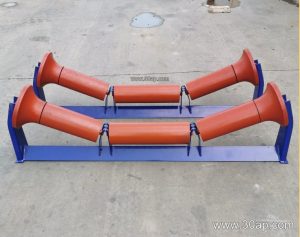
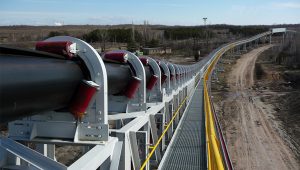
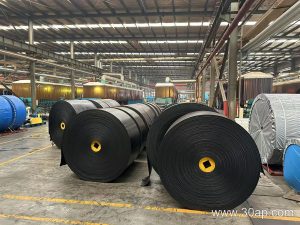
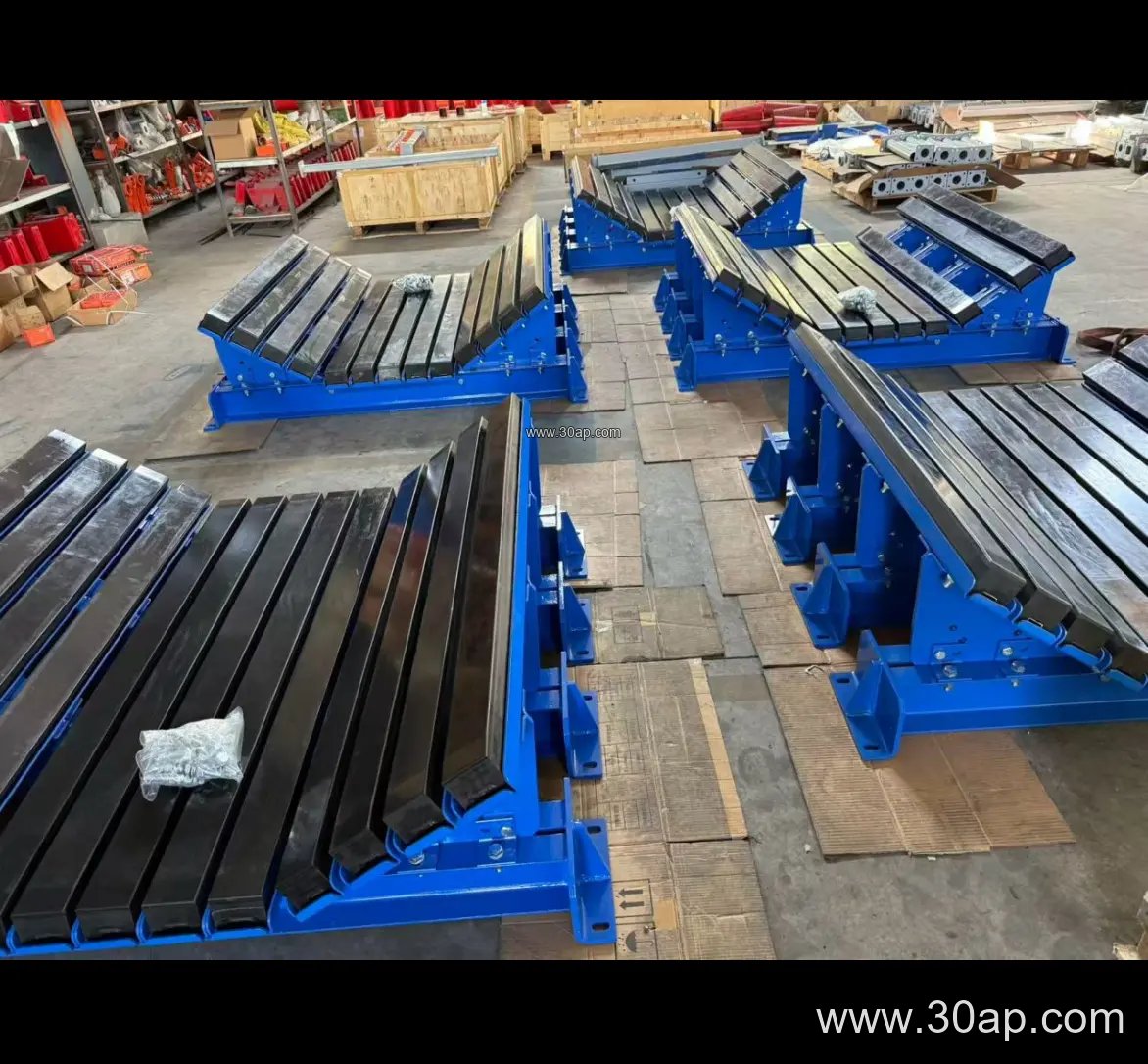
In a quarry, a cement plant, or a coal handling system, the conveyor belt takes its hardest hits right where material drops onto it. The impact idler bracket is the mounting frame that holds the impact idler rollers in place at that transfer point. It is not a pulley, not a drive component, and not a substitute for a bend pulley or tail pulley. It is a dedicated support structure that keeps the idler rollers at the correct height and angle so the belt can absorb falling rock, clinker, or ore without sagging or tearing. You will often see it paired with a heavy-duty conveyor belt and a set of cushioning idler rollers.
How the Bracket Is Built
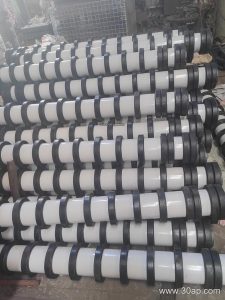
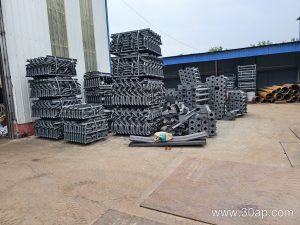
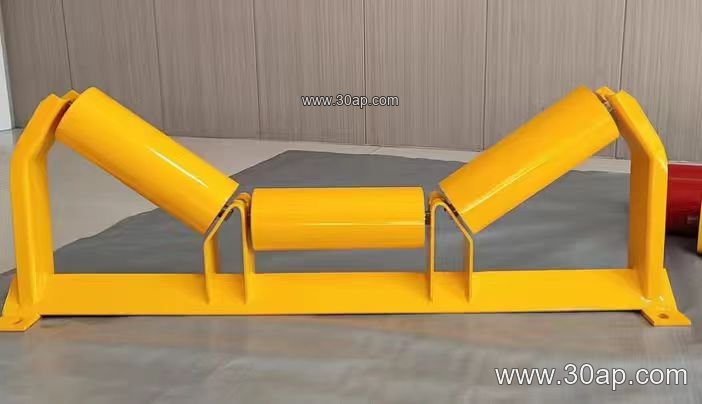
Most impact idler brackets are fabricated from angle steel, channel steel, or folded steel plate. The frame is welded or bolted into a rigid unit that mounts to the conveyor stringer. The bracket typically carries two or three idler stations in a trough configuration, with rubber or polymer impact rings on the rollers above. Because the load zone is dynamic, the bracket must resist vibration and repeated shock. A well-made unit keeps the roller shafts parallel and the trough angle consistent, so the conveyor belt tracks smoothly even when the material stream is uneven.
Where It Fits in the Conveyor Line
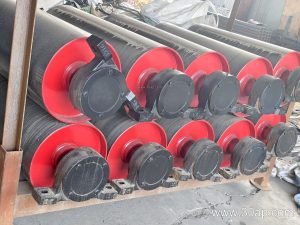
The bracket is installed at the receiving point, usually under the skirted area where the belt is still flattening out. In a crushing circuit, it sits directly below the crusher discharge. In a power plant coal yard, it goes under the transfer chute. In a sand and gravel line, it supports the belt just after the screen feed. It works alongside the conveyor pulley at the head or tail, but it does not replace the drive pulley or the bend pulley. Those components handle tension and direction; the impact bracket handles load absorption. A common companion is a flame retardant conveyor belt in underground mining or a heat resistant conveyor belt near a clinker cooler.
Common Configurations and Reference Sizes
Impact idler brackets are usually specified by belt width, trough angle, and roller diameter. The table below gives typical reference ranges, not fixed universal matches. Any combination should be confirmed by the conveyor designer.
| Belt Width (B) | Trough Angle | Roller Diameter (Ø) | Typical Bracket Material |
|---|---|---|---|
| B500 | 20°, 30° | Ø89 | Angle steel |
| B650 | 20°, 30°, 35° | Ø89, Ø108 | Angle steel or channel steel |
| B800 | 30°, 35° | Ø108, Ø133 | Channel steel |
| B1000 | 30°, 35°, 45° | Ø108, Ø133, Ø159 | Folded steel plate |
| B1200 | 35°, 45° | Ø133, Ø159 | Folded steel plate |
| B1400 | 35°, 45° | Ø159, Ø194 | Channel steel or folded plate |
| B1600 | 35°, 45° | Ø159, Ø194 | Heavy channel steel |
| B1800 | 35°, 45° | Ø194 | Heavy channel steel |
| B2000 | 35°, 45° | Ø194 | Heavy folded plate |
Installation hole spacing and crossbeam length change with belt width and trough angle. They are not fixed numbers and should be taken from the conveyor layout drawing. Adjustable brackets can shift between 20°, 30°, 35°, and 45° to fine-tune the belt profile at the load point. Forward-leaning idler brackets, often set at about 1.5° to 2°, are a different subtype used for belt training, not for impact absorption.
Selection Advice for Buyers
Start with the material drop height and lump size. A high drop of large rock calls for a robust impact idler bracket with thick rubber rings and a reinforced frame. Check that the bracket matches the existing stringer bolt pattern and the idler roller shaft diameter. If the conveyor uses an EP conveyor belt or a steel cord conveyor belt, the bracket still serves the same role, but the roller spacing may need to be tighter to prevent belt damage. For abrasive ore, pair the bracket with an abrasion resistant conveyor belt. For coal, a fire resistant conveyor belt is often required underground. Do not assume that one belt width limits you to one trough angle or one roller diameter. The bracket, roller, and belt work as a system, and the final choice should follow the conveyor design.
Maintenance Points
- Inspect the bracket welds and bolts after the first week of operation and then at regular shutdowns.
- Check that the impact rollers spin freely and that the rubber rings are not worn flat.
- Look for material buildup under the bracket, which can misalign the idlers and damage the conveyor belt.
- Replace bent or cracked brackets promptly; a loose impact bracket can cause belt edge damage and mistracking.
For more on conveyor components, see our conveyor belt and idler roller pages. A correctly matched impact idler bracket is a small part of the conveyor, but it protects the belt and keeps the load zone running smoothly.