Preparation Steps Before Installing a Wet Outdoor Conveyor Belt
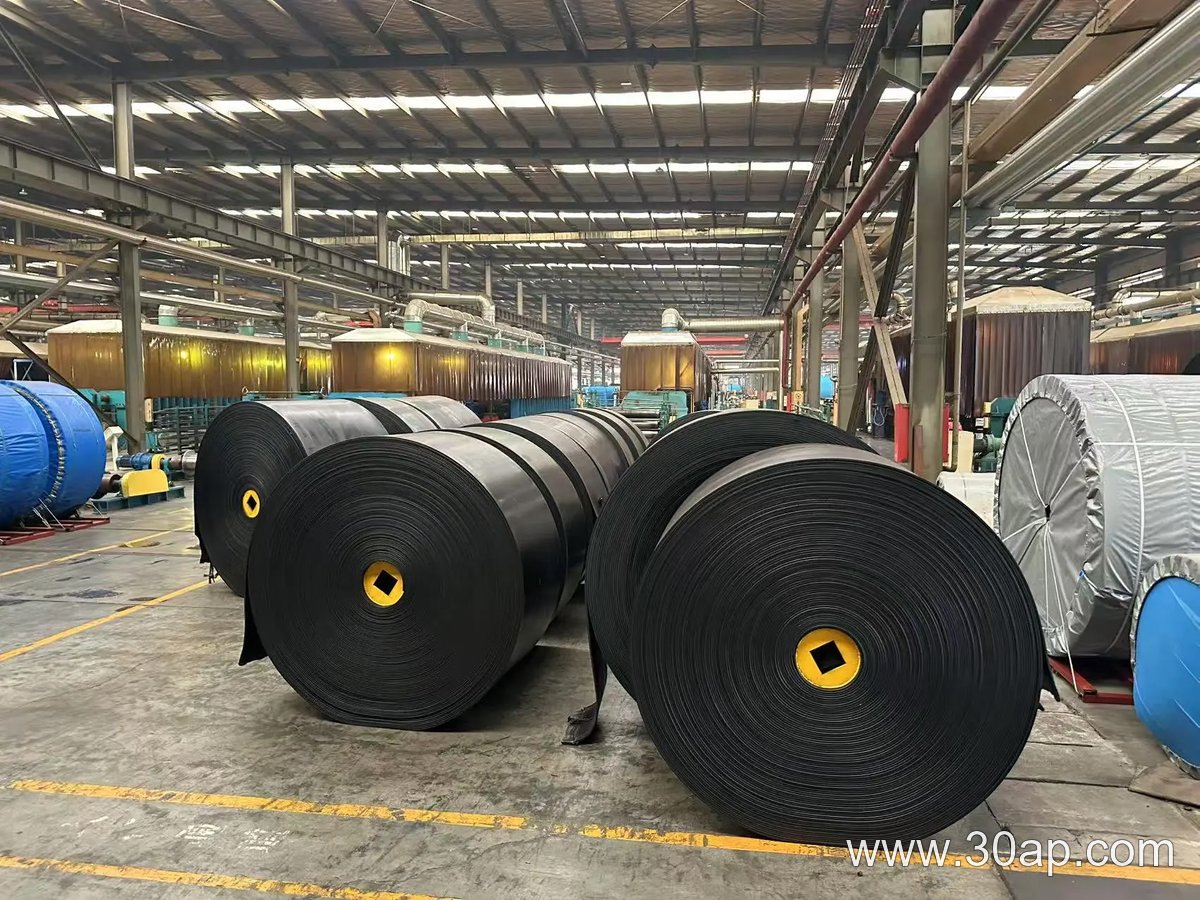
Installing a conveyor belt in an exposed outdoor environment subject to rain and moisture requires rigorous site preparation to prevent premature wear and tracking failures. Before any mechanical work begins, maintenance crews must thoroughly clean the structural framework, idlers, and pulleys. Debris, dried slurry, or rust accumulation on components can transfer onto the bottom cover during pull-through, creating localized pressure points that distort the carcass. Technicians should inspect all structural stringers for levelness and squareness, as an uneven foundation will inevitably cause the conveyor belt to drift toward one side once tension is applied.
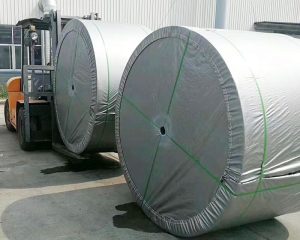
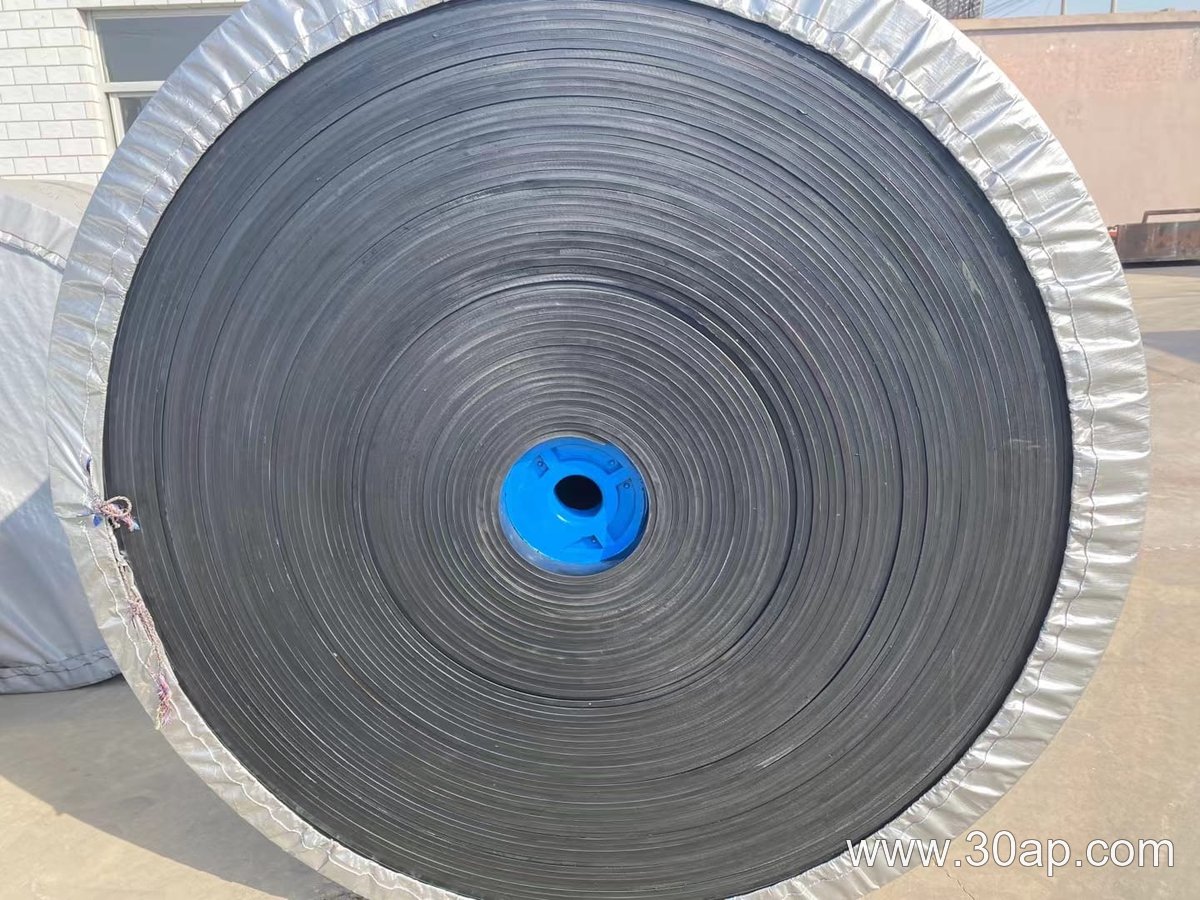
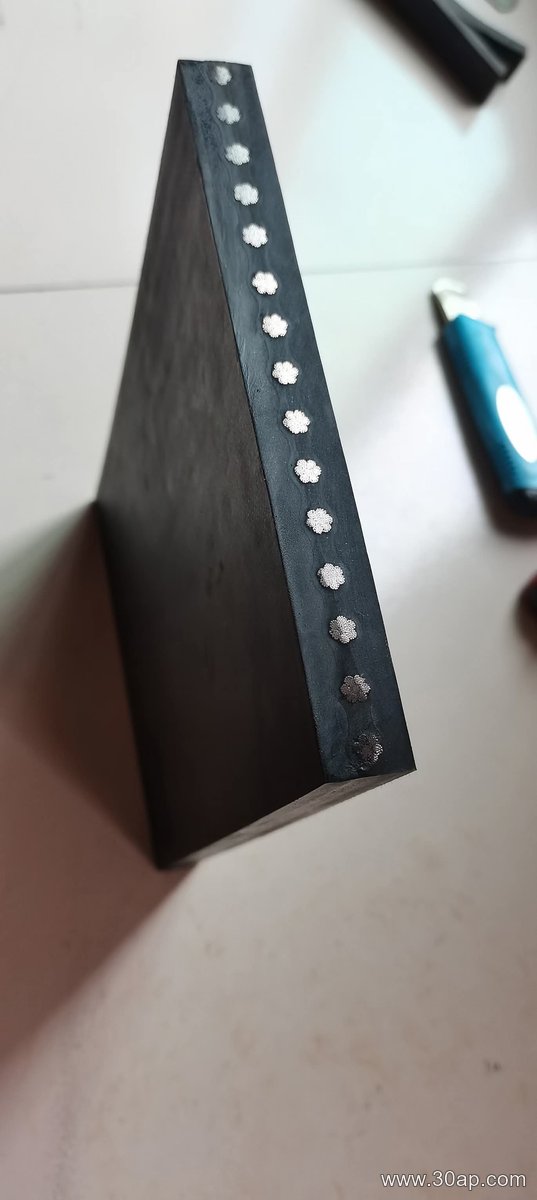
Environmental factors demand specific preparatory measures. When ambient conditions are wet and humid, storing the conveyor belt roll under protective tarps prevents water ingress into exposed fabric plies or steel cord interfaces. If moisture penetrates the core during unrolling, subsequent vulcanization or mechanical fastening will suffer from compromised adhesion. The installation crew must also verify that all safety guards, emergency pull cords, and lockout-tagout procedures are fully active before handling heavy pulling equipment.
Mounting and Splicing Techniques for High-Moisture Conditions
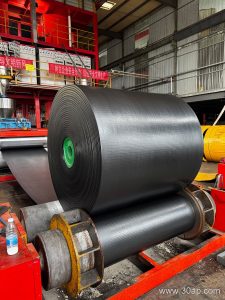
Pulling the conveyor belt along the stringers requires a calculated approach utilizing a properly rated pulling clamp and a continuous winch line. The pulling force must be distributed evenly across the entire width of the conveyor belt to avoid stressing one edge more than the other. Once the loop is positioned around the head and tail pulleys, the two ends must be brought together for splicing. In wet outdoor settings, humidity control around the splice zone is critical if a hot vulcanized joint is being executed. Technicians often need to erect temporary shelters or use heating blankets to drive residual moisture out of the rubber layers before applying cement and raw gum.
Key Splice Alignment Considerations
- Square the ends of the conveyor belt accurately using a centerline method rather than relying solely on the outer rubber edges, which can be factory-tolerance variations.
- Ensure the splice angle matches the manufacturer recommendation, particularly for multi-ply fabric designs, to smooth out impact transition over idlers.
- Allow adequate curing time for vulcanizing solutions, keeping in mind that high ambient moisture can extend standard setting times.
Alignment Procedures to Prevent Tracking Errors
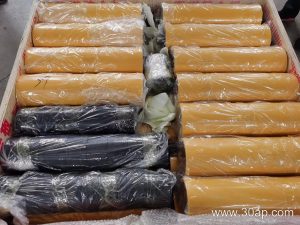
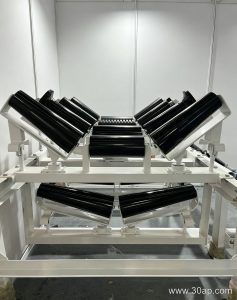
Once the conveyor belt is endless and initial take-up tension is applied, tracking and alignment must be performed systematically. Starting from the tail pulley and moving toward the discharge head, technicians should observe the empty conveyor belt running at low speed. If the conveyor belt shifts persistently toward the left idler bracket in a wet loading zone, the issue may stem from accumulated mud on that specific roller rather than structural misalignment. Cleaning the return idlers is an ongoing task in damp environments, as sticky carryback builds up unevenly and steers the conveyor belt off center.
Snub pulleys and bend pulleys require precise adjustment of their bearing pillow blocks. Adjusting these components should be done incrementally, allowing the conveyor belt to complete at least three full revolutions to reflect the change before further tightening takes place. Over-correcting is a common error that leads to oscillating tracking behavior and accelerated edge fraying against structural steel.
Commissioning Checks and Load Testing
The final phase before handing the conveyor belt over to operational status involves a comprehensive series of no-load and controlled-load commissioning checks. Technicians must monitor the drive motor amperage, bearing temperatures, and take-up travel limits while the conveyor belt runs empty for an extended duration. Listening for unusual slapping noises against the stringers helps identify misaligned training idlers or stuck rollers.
Following the successful no-load run, material feed should be introduced gradually up to design capacity. During this transition, operators must watch for spillage at transfer points and ensure the wet outdoor conveyor belt does not hydroplane over the drive pulley due to inadequate surface friction. Recording these baseline operating parameters provides a reliable reference for future preventive maintenance inspections.