What a Conveyor Bracket Quotation Covers
A conveyor bracket quotation is not simply a price for a piece of bent steel. It is a document that defines the support structure for the idler rollers that carry and return the conveyor belt. When you request a quotation for a conveyor bracket, you are asking a supplier to specify the bracket type, material, dimensions, hole spacing, and surface treatment that will fit your conveyor frame. The quotation should make clear whether the bracket is a troughing bracket for the carrying side, a return bracket for the lower run, or an adjustable bracket that allows the trough angle to be changed on site. For a coal mining conveyor belt or a quarry conveyor belt, the bracket must match the belt width and the roller diameter, but it is a mistake to assume that one belt width locks you into one bracket size. The quotation is the place to confirm those details.
How the Bracket Is Built and Where It Fits
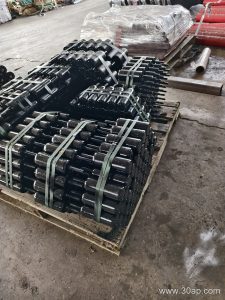
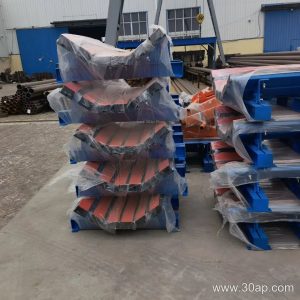
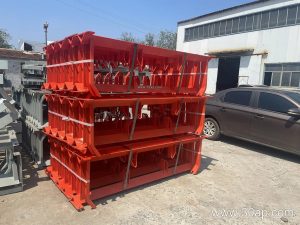
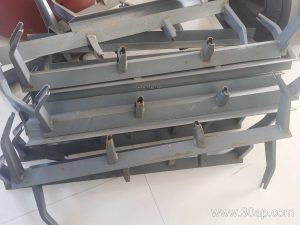
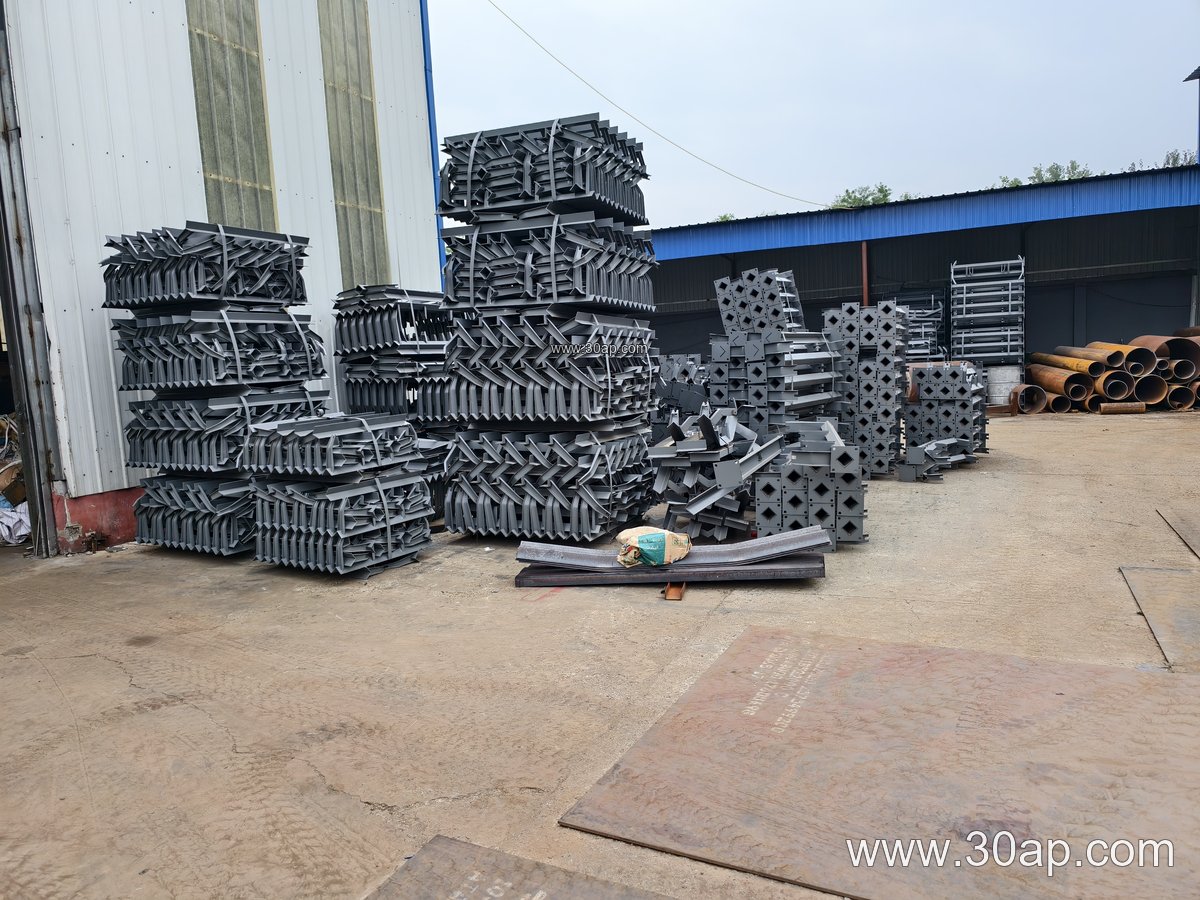
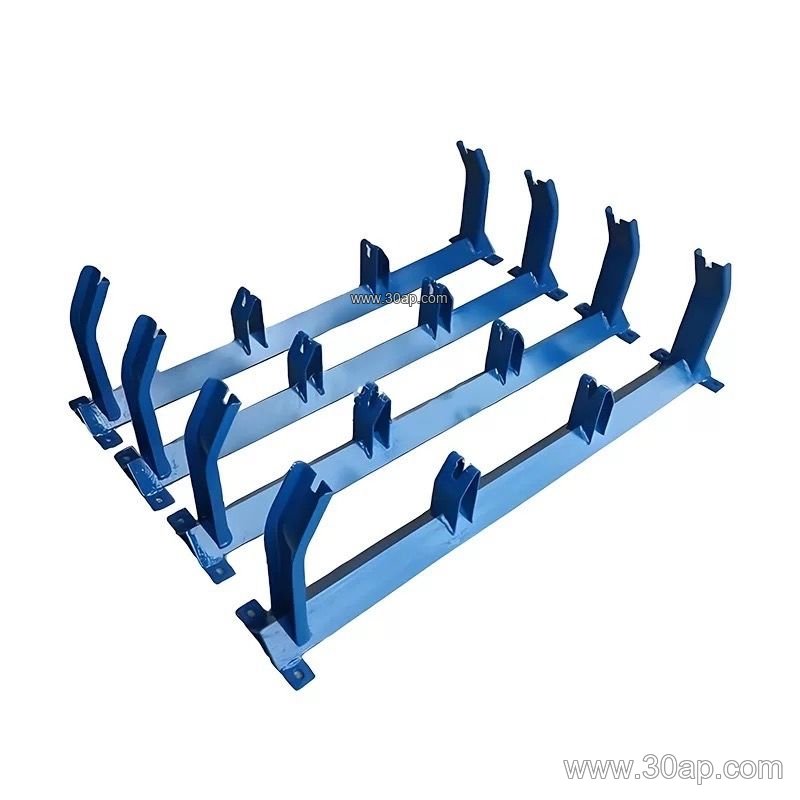
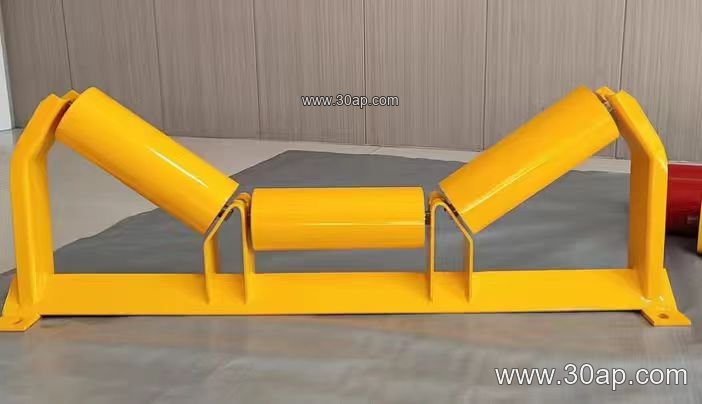
Most conveyor brackets are fabricated from angle steel, channel steel, or folded steel plate. The bracket holds the idler roller at a set angle and transfers the load from the belt and material into the conveyor frame. A troughing bracket typically carries three rollers in a 20, 30, 35, or 45 degree trough. A return bracket holds a single flat roller or a V-shaped return roller set. An adjustable bracket allows the trough angle to be set within a range, which is useful when a conveyor handles different materials or when fine tuning is needed after installation. The bracket also sets the spacing between roller centers, and that spacing depends on the belt width and the trough angle. For example, a B800 bracket at 35 degrees will have a different crossbeam length and hole pattern than a B1200 bracket at 45 degrees. The quotation should list these dimensions rather than assume they are universal.
Common Bracket Types and Reference Dimensions
The table below shows typical bracket types and reference values that may appear in a quotation. These are common ranges, not fixed combinations, and the final dimensions are determined by the conveyor design.
| Bracket Type | Common Belt Width | Trough Angle | Typical Roller Diameter |
|---|---|---|---|
| Troughing bracket | B500 to B2200 | 20, 30, 35, 45 degrees | Ø89, Ø108, Ø133, Ø159, Ø194 |
| Return bracket | B500 to B2200 | Flat or V-return | Ø89, Ø108, Ø133, Ø159 |
| Adjustable bracket | B650 to B1800 | Adjustable within 20 to 45 degrees | Ø89, Ø108, Ø133 |
| Impact bracket | B800 to B2000 | 30, 35, 45 degrees | Ø108, Ø133, Ø159 |
When you compare quotations, check that the bracket material and thickness are stated. A bracket made from 5 mm folded plate is not the same as one made from 8 mm channel steel, even if both are painted the same color. The quotation should also state the hole diameter and the distance between mounting holes, because these must match the conveyor frame. If the bracket is for an underground mining conveyor belt or a power plant coal conveyor, the surface treatment may need to be specified, but the quotation should not promise a certification unless the supplier actually holds it.
Industry Applications and Material Matching
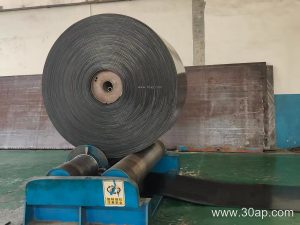
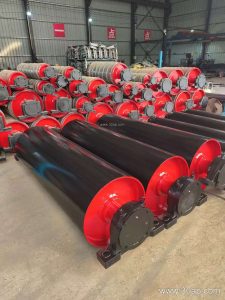
Conveyor brackets are used wherever a belt conveyor runs. In a limestone quarry, a troughing bracket at 35 degrees with Ø108 rollers is a common sight on a 800mm wide conveyor. In a cement plant, a return bracket with a V-shaped roller set helps keep the belt centered on the return run. In a coal washing plant, an impact bracket under the loading point protects the belt and the rollers from falling lumps. The bracket does not work alone. It works with the conveyor belt, the idler roller, and the conveyor pulley to form a complete conveyor line. For a steel cord conveyor belt or a heavy-duty mining conveyor belt, the bracket must be strong enough to carry the belt tension and the material load, but the quotation should state the load rating rather than leave it to guesswork. A fabric core conveyor belt may need a different roller spacing than a steel cord belt, and the bracket quotation should reflect that difference.
What a Buyer Should Check Before Ordering
A good conveyor bracket quotation answers these questions: What is the bracket type? What belt width does it fit? What trough angle does it set? What roller diameter does it accept? What material and thickness are used? What is the hole spacing and crossbeam length? What surface treatment is applied? Does the price include fasteners? Are the brackets sold as a set or individually? For an adjustable bracket, the quotation should state the adjustment range, for example 20 to 45 degrees, and whether the adjustment is made with slotted holes or a pivoting design. For a fixed bracket, the quotation should confirm that the angle is welded or bolted at the specified value. Do not accept a quotation that lists only a price and a bracket name. The details are what make the bracket fit your conveyor. If the quotation is for a project in a sand and gravel plant or a fertilizer handling line, ask for the bracket dimensions in writing so that the receiving team can check them against the frame before installation.
Quotation Details That Prevent Installation Problems
Small differences in hole spacing or crossbeam length can stop an installation. A bracket quoted for a B1000 conveyor at 30 degrees will not fit a B1000 frame designed for 45 degrees without modification. The quotation should include a simple dimension sketch or a list of critical dimensions. It should also state the roller diameter the bracket is designed for, because a Ø133 roller will not sit correctly in a bracket made for Ø108. If the conveyor uses a chevron conveyor belt or a corrugated sidewall conveyor belt, the bracket and roller arrangement may need extra clearance, and the quotation should mention that requirement. The same applies to a pipe conveyor belt or an endless conveyor belt, where the support structure may differ from a standard troughed conveyor. A clear quotation helps the buyer compare offers and helps the installer prepare the frame before the brackets arrive.