What a Belt Tracking Idler Does
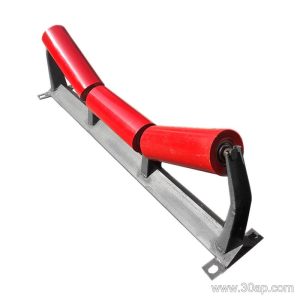
A belt tracking idler is a specialized roller assembly used to keep a conveyor belt centered on its path. Unlike standard carrying or return idlers that mainly support the belt and material load, this idler actively corrects misalignment. It is often called a self-aligning idler or training idler, and these terms refer to the same product. In a quarry, coal mine, cement plant, or power station, a wandering belt can cause spillage, edge damage, and premature wear. The tracking idler addresses this by using angled rollers or pivoting frames that generate corrective forces when the belt drifts.
Construction and Working Principle
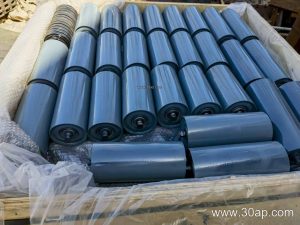
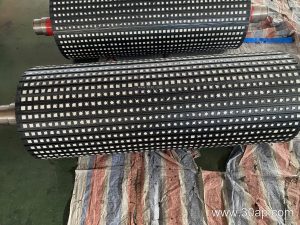
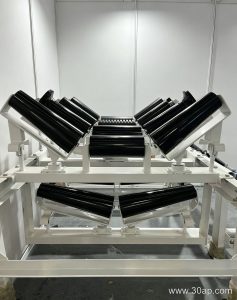
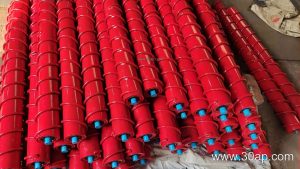
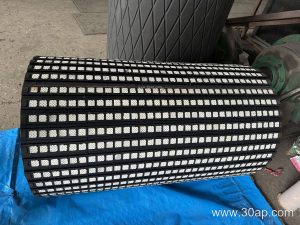
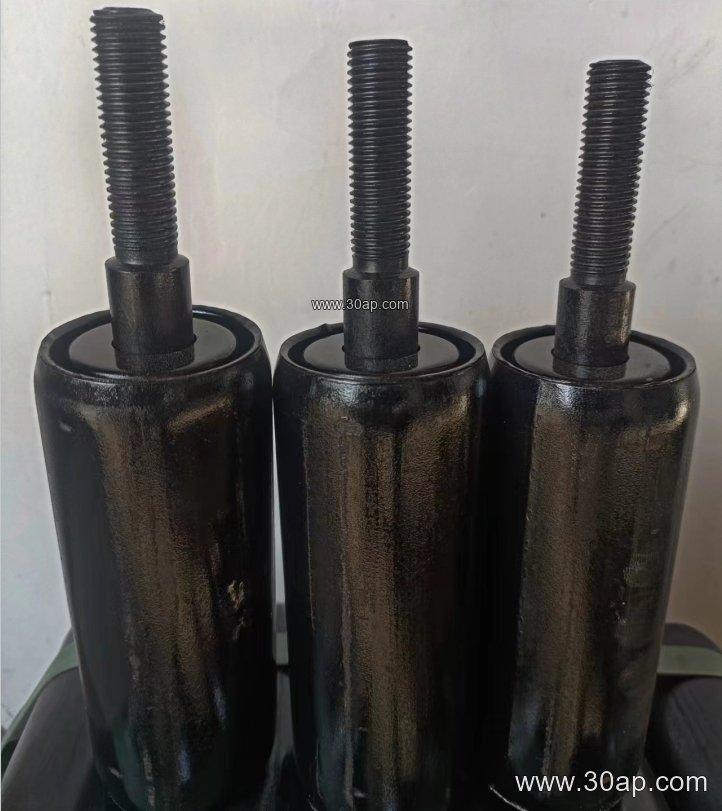
Most belt tracking idlers feature a pivot mechanism that allows the roller frame to rotate slightly in the horizontal plane. When the belt moves off-center, it contacts the idler at an angle, creating a friction force that steers the belt back. The rollers are commonly mounted in a trough or V configuration, and the surface may be plain steel, rubber-lagged, or ceramic-coated for grip and wear resistance. Bearings such as 6204, 6205, 6305, 6306, 6308, or 6310 are often used, depending on load and speed. Sealing is critical in dusty environments like crushing and screening plants, where fine particles can quickly destroy unprotected bearings.
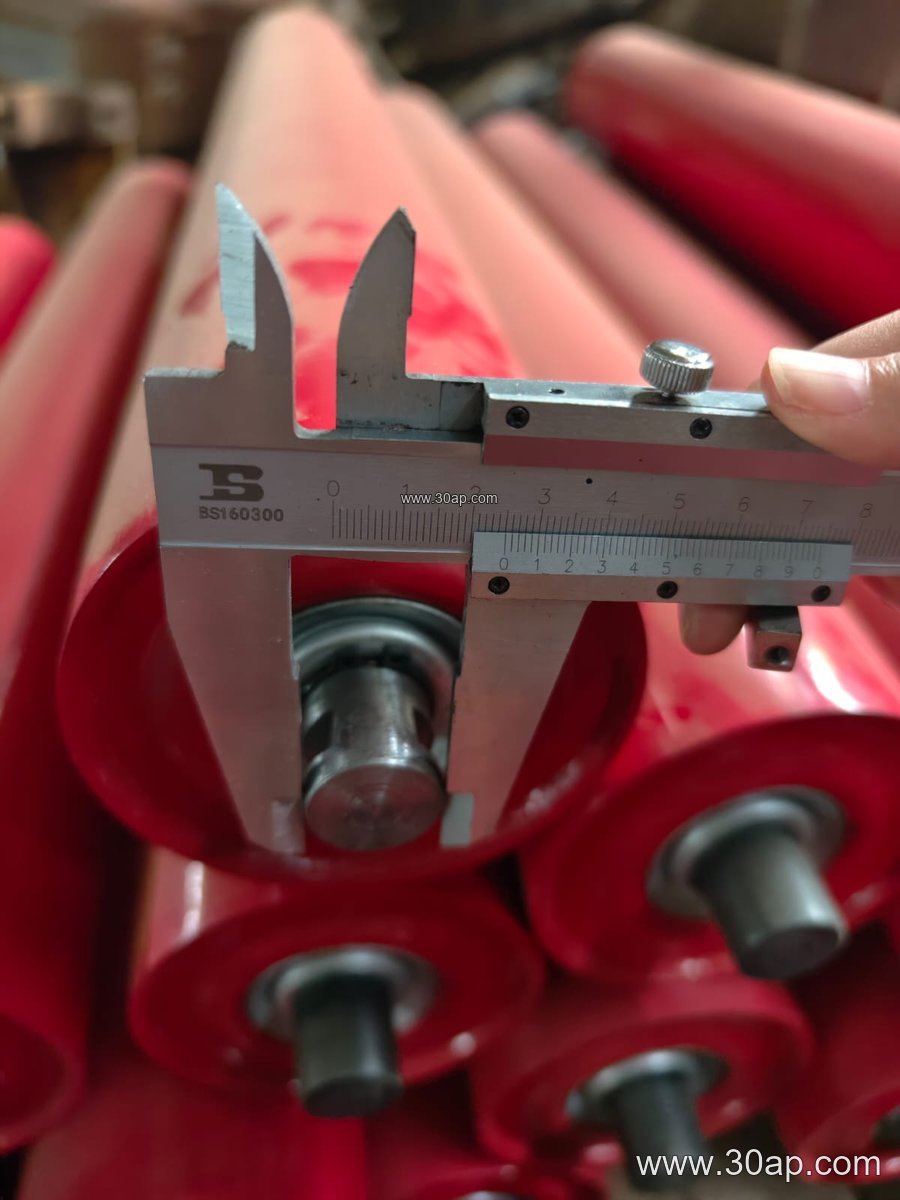
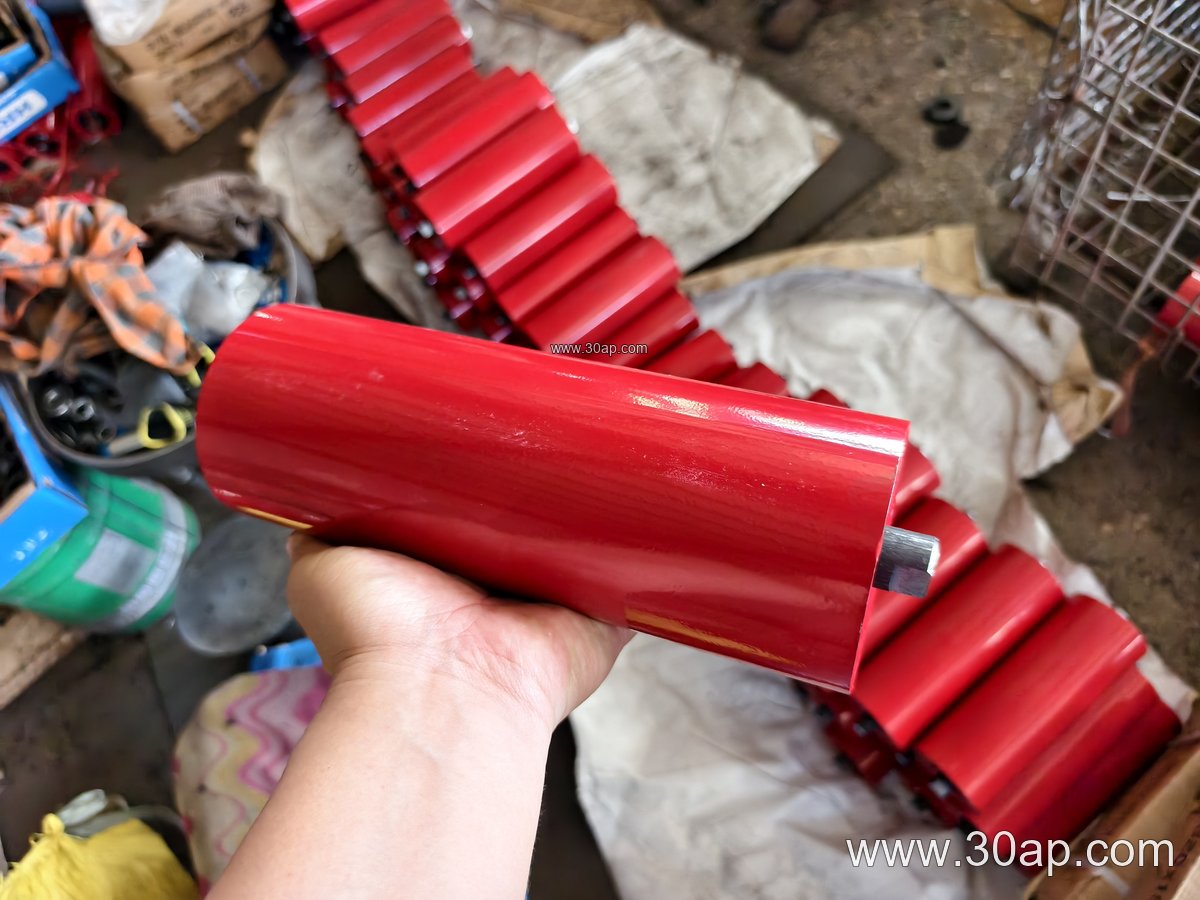
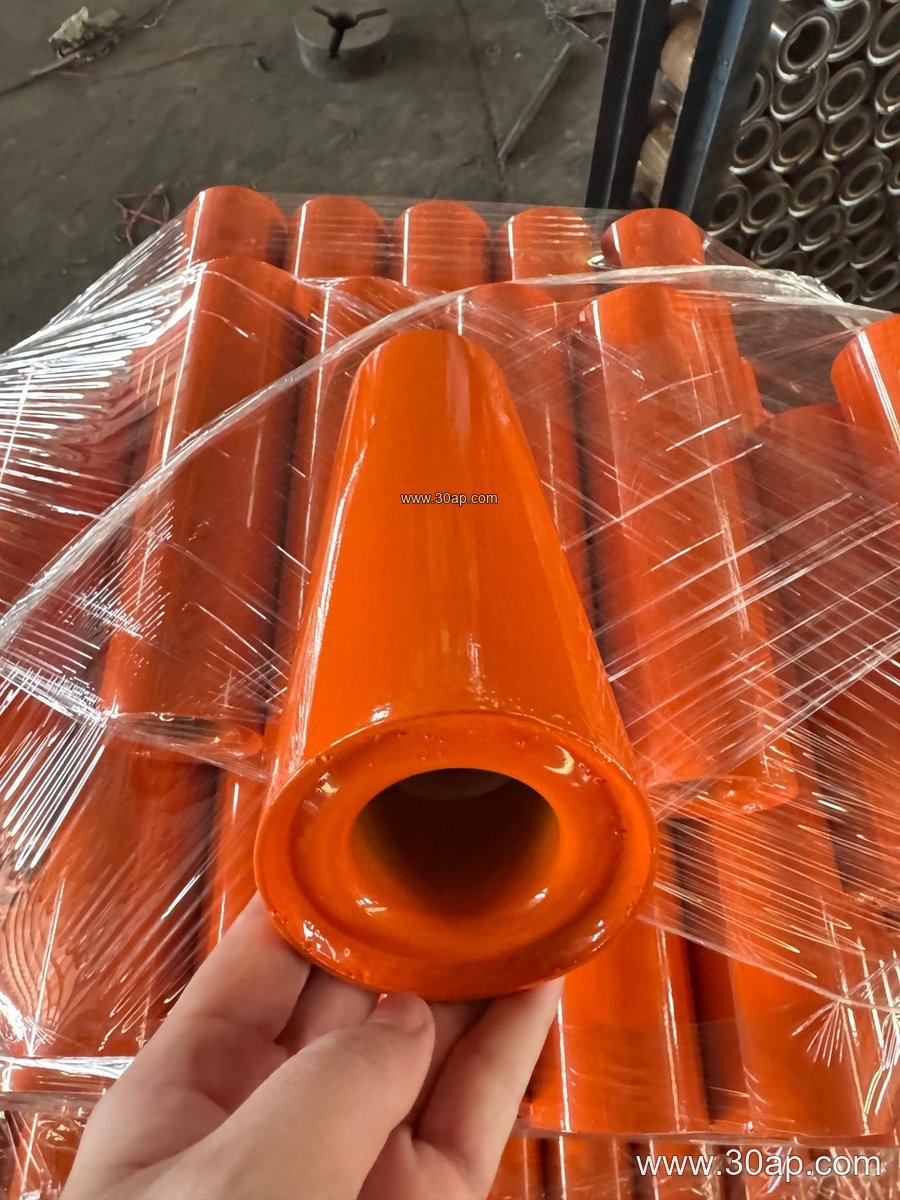
Some designs use a friction tracking idler with a vertical pivot axis, while others employ conical rollers that naturally center the belt. The frame is usually connected to the conveyor bracket or stringer, and the idler must be installed square to the belt line for proper function.
Where It Is Used
Belt tracking idlers are found on bulk material conveyors in many industries. In underground coal mining, they help maintain alignment on long drifts where space is tight and belt wander can be dangerous. In cement plants, they are placed after transfer points where material loading can push the belt sideways. Aggregate operations use them on quarry conveyor belts and crusher conveyor belts to protect the belt edges from rubbing against structure. Power plant coal handling systems rely on them to keep wide belts centered, especially on high-capacity lines using 1200mm or 1400mm wide conveyor belts. Port facilities and ship loading conveyors also benefit, as misalignment on long booms can lead to serious downtime.
Key Parameters and Selection
Choosing the right belt tracking idler involves matching roller diameter, belt width, trough angle, and bearing size to the conveyor design. Common roller diameters include Ø63, Ø76, Ø89, Ø102, Ø108, Ø127, Ø133, Ø159, Ø178, Ø194, and Ø219 mm. Belt widths range from B400 to B2400, and trough angles of 20, 30, 35, or 45 degrees are typical. The idler roller length varies with belt width and trough configuration; for example, a three-roll trough set might use approximately 200 mm rollers for B500 and 380 mm for B1000, but these are examples only and should be confirmed by design.
| Parameter | Common Options |
|---|---|
| Roller diameter | Ø63, Ø76, Ø89, Ø102, Ø108, Ø127, Ø133, Ø159, Ø178, Ø194, Ø219 mm |
| Belt width | B400, B500, B650, B800, B1000, B1200, B1400, B1600, B1800, B2000, B2200, B2400 |
| Trough angle | 20°, 30°, 35°, 45° |
| Bearing | 6204, 6205, 6305, 6306, 6308, 6310 |
| Roller surface | Steel tube, nylon, ceramic, rubber ring |
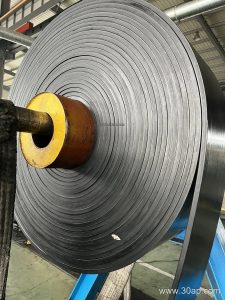
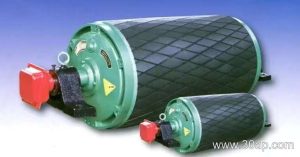
Buyers should also consider the type of conveyor belt in use. A heavy-duty mining conveyor belt with high tension may require a more robust tracking idler frame, while a lightweight EP conveyor belt on a short line may need less. The idler should be compatible with the conveyor pulley arrangement; drive pulleys, tail pulleys, and bend pulleys each affect belt tracking, and the tracking idler works alongside them, not as a replacement. For abrasive materials, a rubber-covered idler roller can extend service life. In food or clean environments, stainless steel or special coatings may be needed.
Installation and Maintenance Tips
- Mount the tracking idler on a sturdy bracket and ensure it is square to the belt centerline.
- Allow sufficient clearance for the pivoting action; binding will prevent self-correction.
- Inspect bearings and seals regularly, especially in dusty conditions like coal mining or aggregate handling.
- Check roller wear and replace any idler that develops flat spots or seized bearings.
- Keep the belt cleaner and avoid over-tensioning, which can reduce tracking effectiveness.
Properly applied, a belt tracking idler reduces maintenance costs and extends the life of the entire conveyor system. For more information on compatible conveyor components, visit our conveyor idler roller page or explore our range of EP conveyor belt and steel cord conveyor belt options.