What a Q355 Conveyor Bracket Does
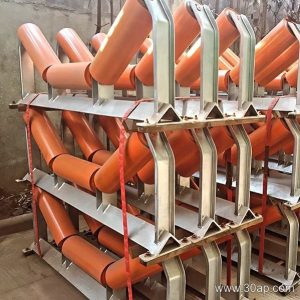
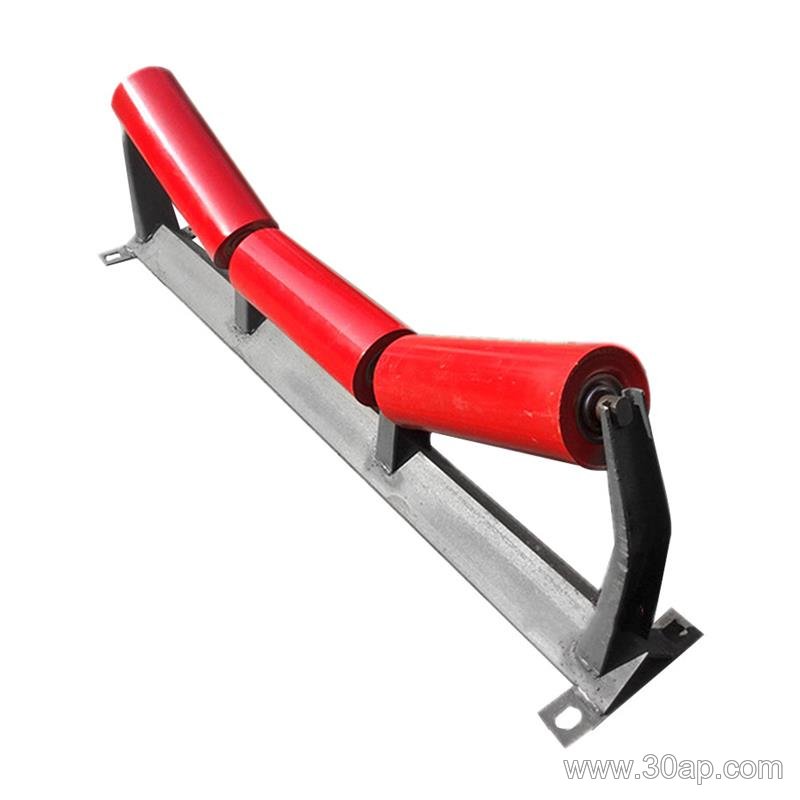
A Q355 conveyor bracket is the structural interface between the conveyor frame and the rotating components that carry the belt. In most conveying systems, this bracket holds idler rollers in position, sets the trough angle of the carrying side, or supports the return run. Because it is often welded or bolted directly to the main frame, the bracket must resist vibration, material load, and occasional impact without losing alignment. The Q355 grade refers to a low-alloy structural steel with a minimum yield strength of around 355 MPa, which gives the bracket a useful balance of strength, weldability, and cost for heavy-duty bulk handling.
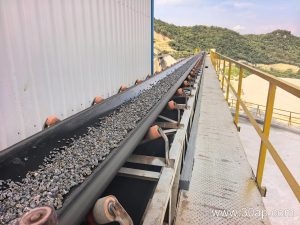
In a quarry, coal preparation plant, or cement kiln feed line, the bracket is rarely a standalone item. It works together with the conveyor belt, idler roller, and conveyor pulley to keep the belt tracking and the material moving. A weak or misaligned bracket can cause belt edge wear, roller seizure, and unnecessary downtime, so the choice of bracket type and material matters more than it might appear.
Construction and Common Forms
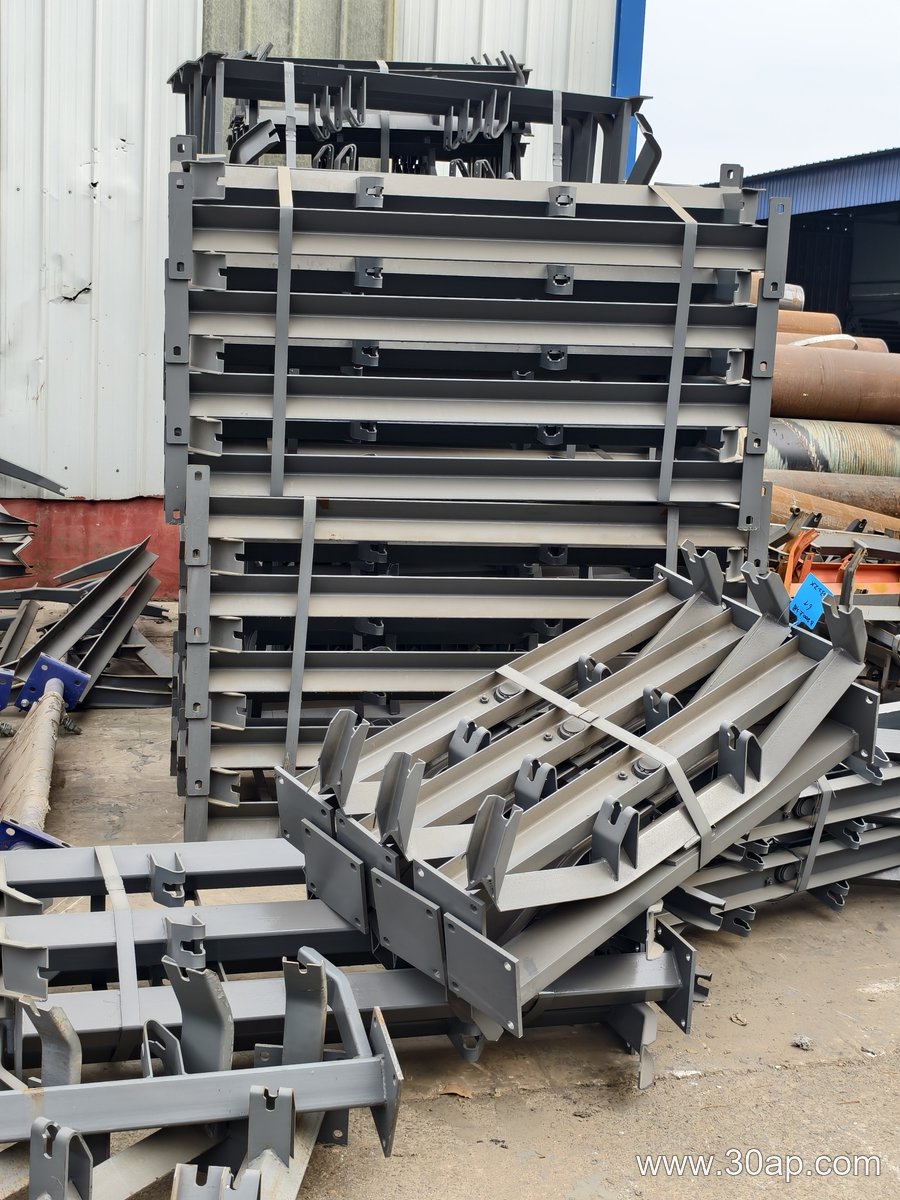
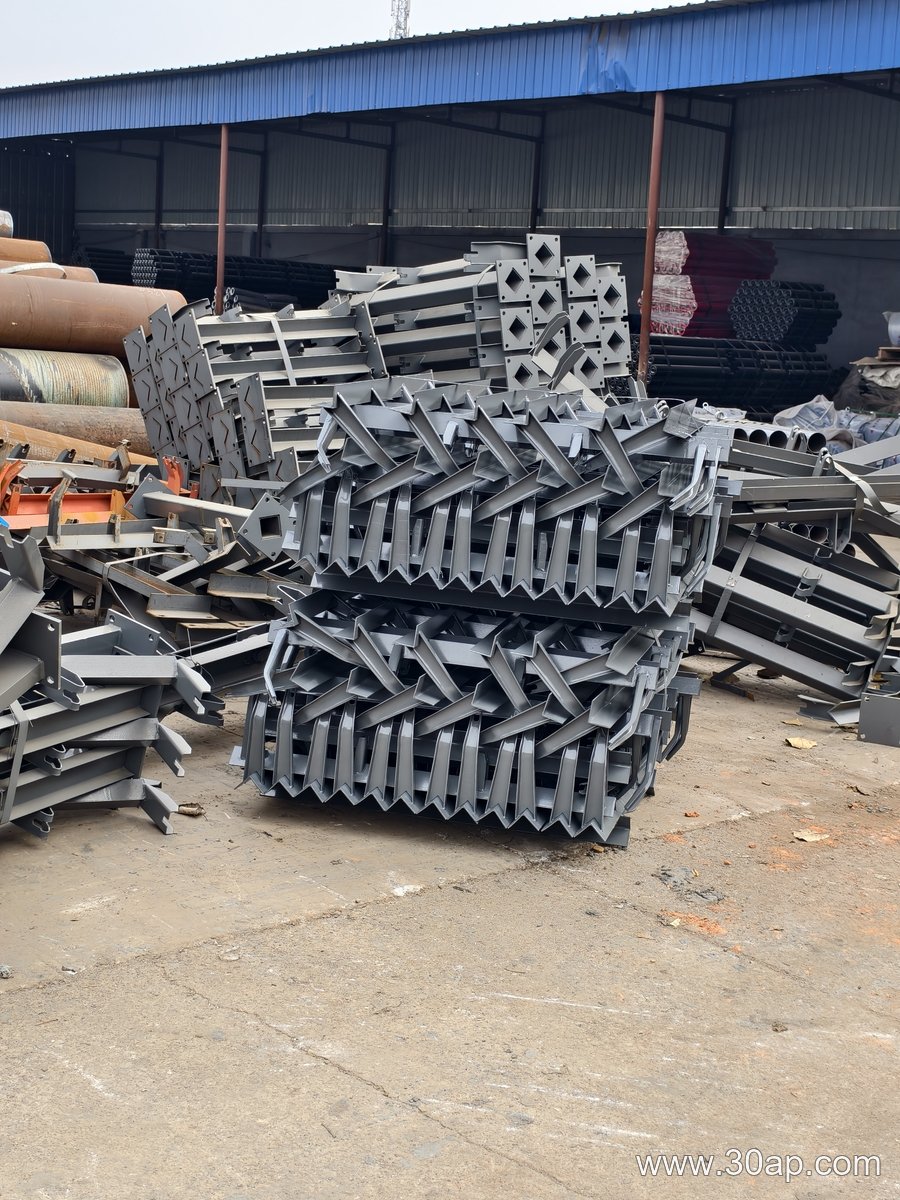
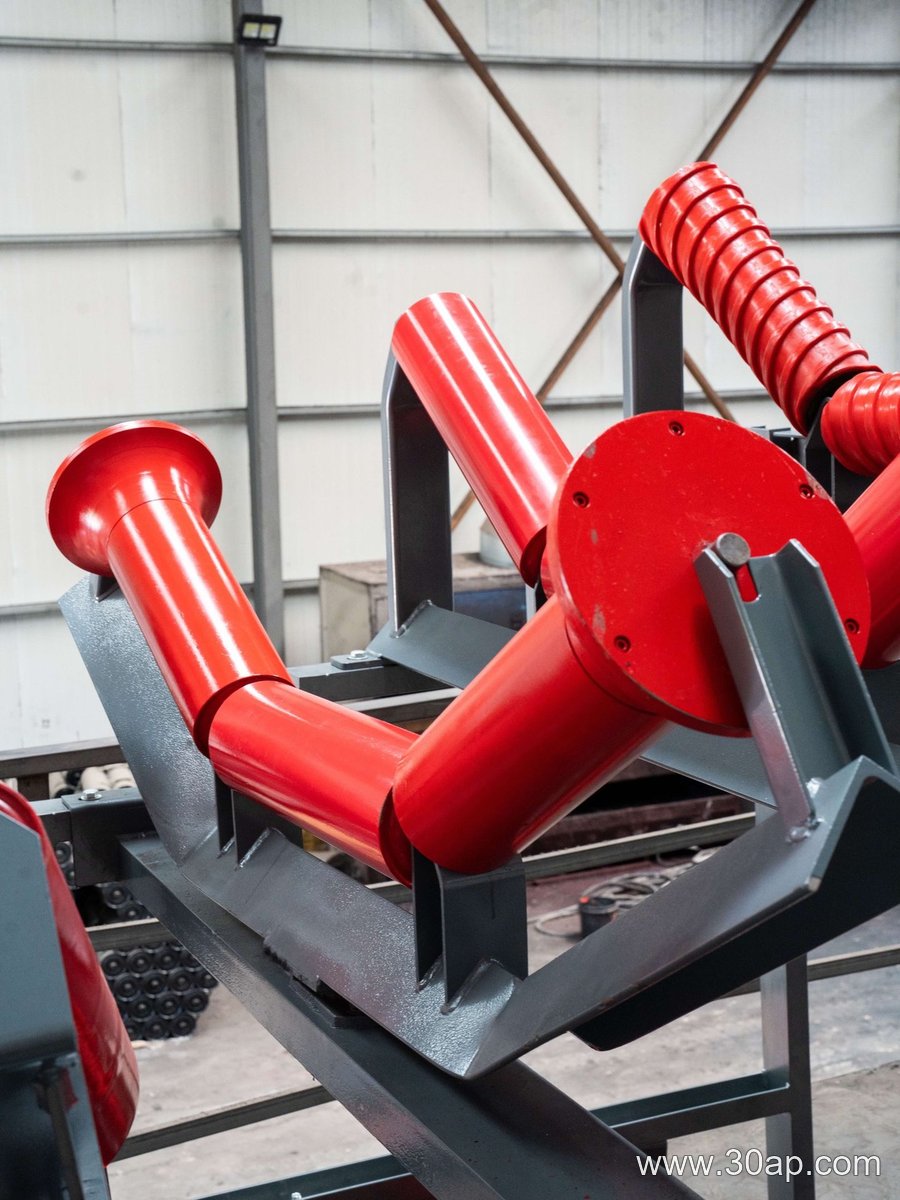
Most Q355 conveyor brackets are fabricated from angle steel, channel steel, or bent steel plate. The fabrication method depends on the load and the mounting arrangement. A typical troughing bracket may be formed as a single piece with three mounting positions for rollers, while a return bracket often uses a simpler flat or V-shaped support. Adjustable brackets include slotted holes or movable arms so that the trough angle can be set on site.
Common trough angles for carrying brackets include 20 degrees, 30 degrees, 35 degrees, and 45 degrees. An adjustable bracket can often be set between these angles, which helps when a conveyor handles different materials or when the belt needs fine tuning after installation. Forward tilt, usually around 1.5 to 2 degrees, is another feature found on some brackets to help center the belt.
Typical bracket types
- Troughing bracket for the carrying side
- Transition bracket near the loading or discharge zone
- Return bracket for the empty run
- V-return bracket for belt training on the return side
- Impact bracket used under a loading chute
- Self-aligning bracket for belt tracking
- Adjustable bracket for variable trough angles
Matching Belt Width, Roller Diameter, and Bracket
Belt width and roller diameter are not fixed pairs. A bracket designed for a B800 belt may accept rollers with a diameter of 108 mm or 133 mm, depending on the frame height and the load. Similarly, a B1200 conveyor might use 133 mm or 159 mm rollers. The bracket must provide the correct mounting hole spacing and crossbeam length for the chosen belt width and trough angle, but those dimensions are determined by the conveyor design rather than by a single universal rule.
The table below shows common reference combinations. These are examples, not mandatory matches, and the final selection should follow the actual conveyor engineering drawing.
| Belt width | Trough angle | Roller diameter | Typical bracket use |
|---|---|---|---|
| B650 | 30 degrees | 89 mm | Light to medium duty |
| B800 | 35 degrees | 108 mm | General bulk handling |
| B1000 | 35 degrees | 108 mm or 133 mm | Quarry and cement plant |
| B1200 | 45 degrees | 133 mm | High capacity conveying |
| B1400 | 45 degrees | 159 mm | Heavy duty, large lump size |
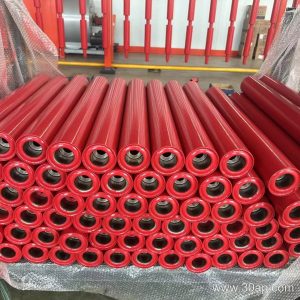
Roller diameters such as 89 mm, 108 mm, 133 mm, 159 mm, and 194 mm are common in bulk conveying. The bracket should be selected to suit the roller shaft, the frame width, and the required trough profile. Do not assume that one belt width can only match one roller diameter or one trough angle.
Where Q355 Conveyor Brackets Are Used
These brackets appear in many industries where a conveyor belt runs continuously. In a limestone quarry or sand and gravel line, they support the carrying idlers through the crushing and screening circuit. In a coal wash plant or power station coal yard, they help keep the belt aligned through transfer points and long overland sections. Cement plants use them on clinker and raw material conveyors, while steel mills and sintering plants rely on them in high-temperature or dusty conditions. The same bracket design can also be found in fertilizer handling, grain silos, and tunnel muck removal.
Although the working environment changes, the function of the bracket remains the same: hold the idler roller at the correct height and angle so that the conveyor belt forms a stable trough and the material does not spill. A properly selected bracket also reduces the chance of belt mistracking and extends the service life of the roller.
What a Buyer Should Check
When ordering a Q355 conveyor bracket, confirm the belt width, the required trough angle, the roller diameter, and the mounting method. If the bracket is adjustable, check the adjustment range and the locking arrangement. If the bracket is fixed, verify the hole spacing against the frame drawing. Ask whether the bracket is made from angle steel, channel steel, or bent plate, because the fabrication method affects stiffness and weight. For impact zones, a heavier bracket or a cushioning design may be needed.
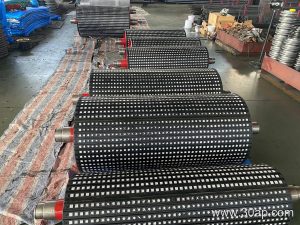
Also consider the conveyor pulley and the transition distance. The bracket near a drive pulley or tail pulley may need a different profile from a standard carrying bracket. A tail pulley or bend pulley is not a bracket, but the bracket layout around them can influence belt training. Finally, request the material certificate for the Q355 steel if the project requires traceability, and confirm that the bracket is compatible with the idler roller series you plan to use.