What a Stainless Steel Idler Is
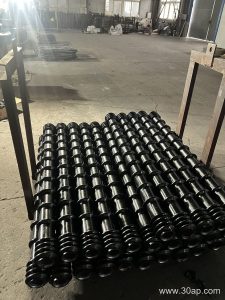
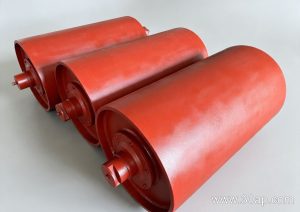
A stainless steel idler is a conveyor roller whose shell, bearing housing, and often shaft are made from stainless steel rather than painted carbon steel. In a conveyor line, these idlers support the conveyor belt and the material load, and they rotate with the belt to reduce friction. The stainless construction matters most where moisture, washdown, salt, or corrosive dust would quickly attack ordinary steel. While a standard idler roller might last years in a dry quarry, a stainless steel idler is often chosen for food processing, fertilizer handling, and coastal port conveyors where rust is a constant threat.
Construction and Key Components
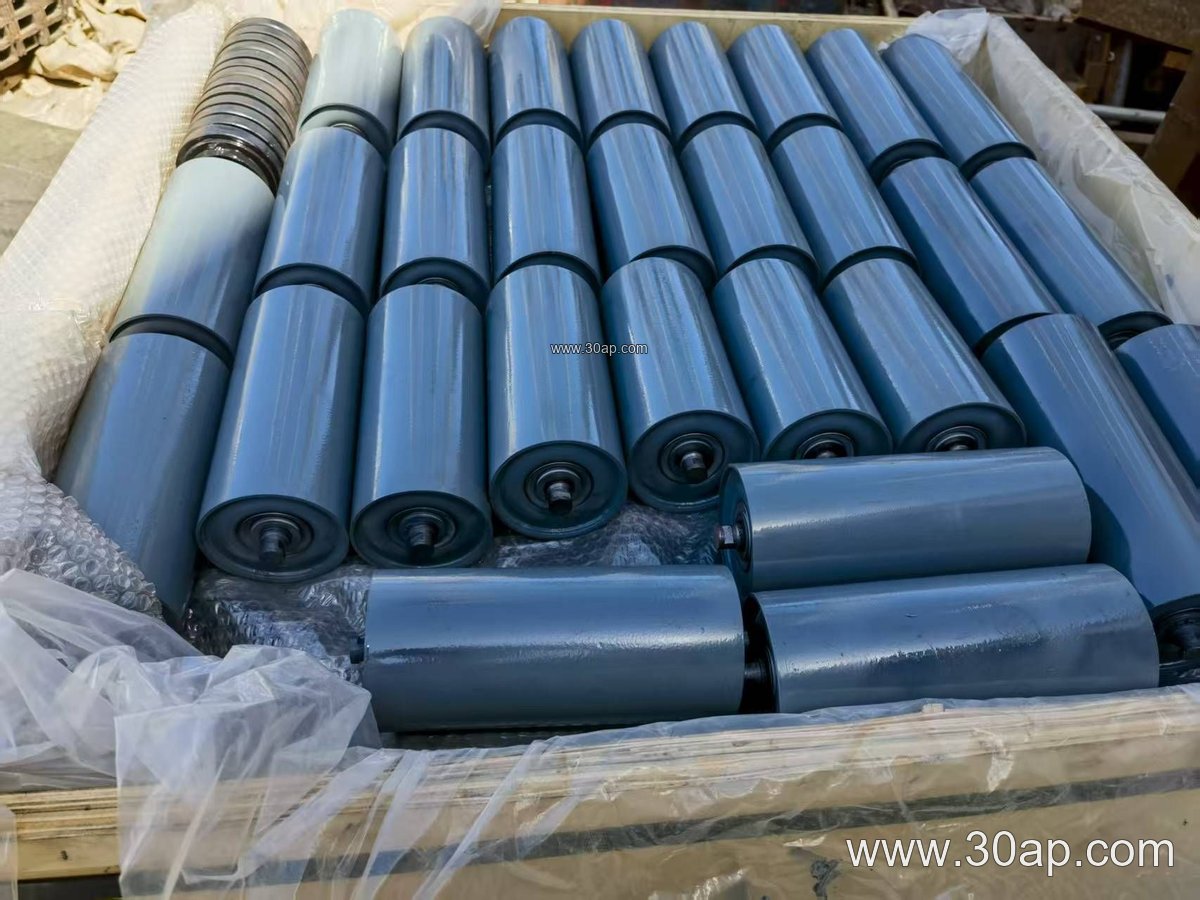
The typical stainless steel idler uses a seamless or welded stainless tube for the shell, with pressed stainless end caps. Inside, sealed ball bearings are fitted, and the shaft is usually stainless or zinc-plated steel depending on the duty. Bearing sizes such as 6204, 6205, 6305, and 6306 are common, but the correct bearing for a given idler depends on the load and speed, not just the roller diameter. The seal design is critical: a good labyrinth seal or contact seal keeps fine abrasive dust out and keeps grease in. Roller surface options for stainless idlers are mostly plain stainless, though rubber rings can be added for impact absorption in buffer positions.
Where Stainless Idlers Fit in a Conveyor
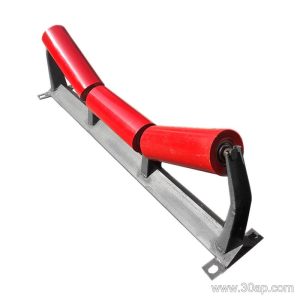
Stainless steel idlers appear in carrying, return, and impact positions. On the carrying side, three-roll troughing sets with trough angles of 20, 30, 35, or 45 degrees are common, and the roll length changes with belt width and trough angle. For example, a three-roll troughing set might use roll lengths around 200 mm for B500, 315 mm for B800, and 465 mm for B1200, but these are typical examples rather than fixed rules. Return idlers are often flat or V-shaped, and stainless versions are useful in wet tunnels or washdown zones. Transition idlers near the head and tail pulleys help the belt change from flat to troughed without stressing the edges.
Industries and Operating Environments
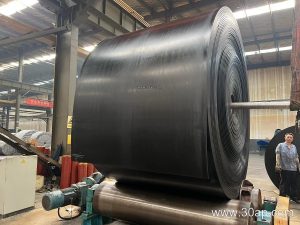
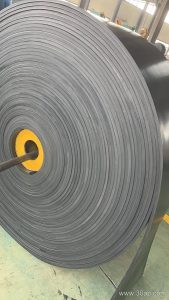
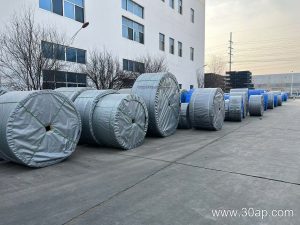
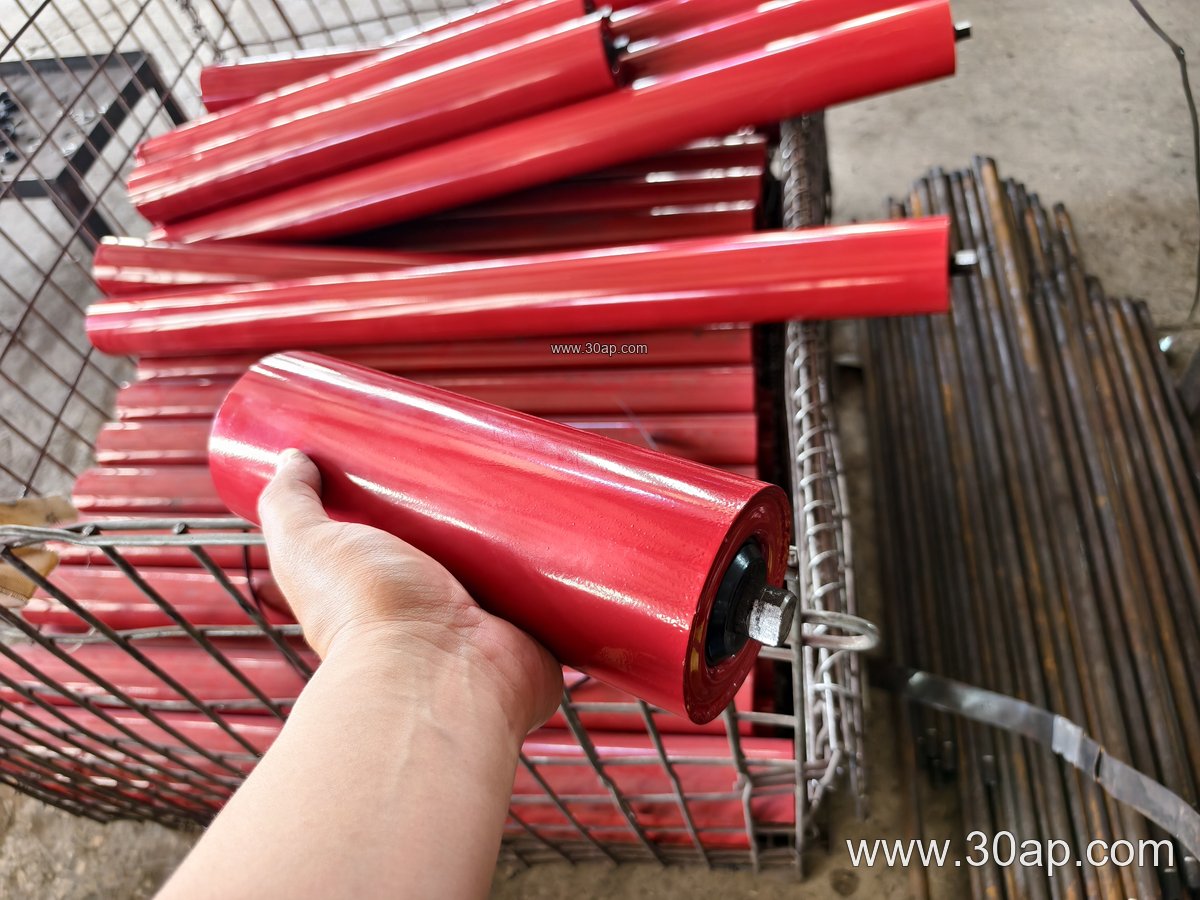
Stainless steel idlers are frequently specified in fertilizer plants, food processing, and chemical handling where spillage and cleaning water are routine. They also appear in port facilities and ship loading conveyors exposed to salt spray. In cement plants and power plant coal handling, stainless idlers may be used in dusty or damp sections, though standard painted idlers often suffice in dry areas. For heavy abrasive duties such as iron ore or quarry rock, a stainless shell may wear faster than a thick-walled carbon steel roller, so the choice should match the wear mechanism. The conveyor belt itself also influences idler selection: a heavy-duty mining conveyor belt or an abrasion resistant conveyor belt may require larger roll diameters and stronger bearings.
Matching Idler Size to Belt and Load
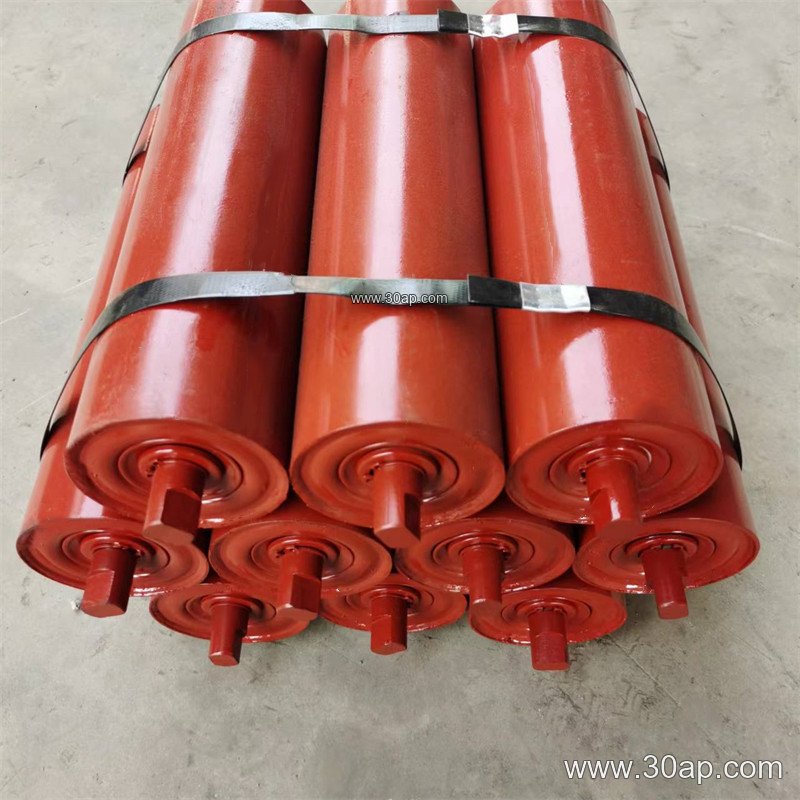
Buyers should consider belt width, belt speed, material weight, and environmental conditions together. Roll diameter choices commonly range from Ø63 to Ø219, with Ø89, Ø102, Ø108, and Ø127 being frequent in medium-duty conveyors. A wider belt does not automatically dictate a specific shaft diameter; the shaft and bearing are selected from the actual load and support spacing. The table below shows common reference values, not universal specifications.
| Parameter | Common Reference Range |
|---|---|
| Roll diameter | Ø63, Ø76, Ø89, Ø102, Ø108, Ø127, Ø133, Ø159, Ø178, Ø194, Ø219 |
| Belt width | B400 to B2400 |
| Trough angle | 20°, 30°, 35°, 45° |
| Roll length (three-roll troughing, examples) | B500: ~200 mm; B800: ~315 mm; B1200: ~465 mm; B1600: ~600 mm |
| Bearing sizes | 6204, 6205, 6305, 6306, 6308, 6310 |
These values are for orientation only. Side rolls and center rolls can differ, and the final dimensions should be confirmed with the conveyor design.
Buyer Checklist for Stainless Idlers
- Confirm the stainless grade and whether the shaft is also stainless.
- Check the seal type for the expected dust and moisture level.
- Verify bearing size and load rating against the actual belt load.
- Match roll length and trough angle to the existing conveyor bracket and frame.
- Consider whether a rubber disc buffer idler is needed at transfer points.
- Ask for dimensional drawings before ordering, especially for replacement idlers.
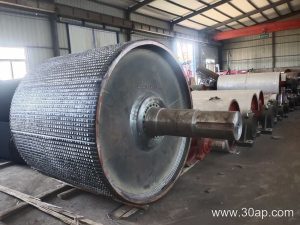
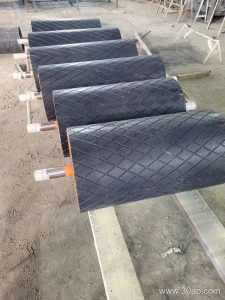
For conveyors handling bulk materials such as coal, clinker, or fertilizer, stainless idlers can reduce maintenance in wet or corrosive areas. They work alongside the conveyor pulley, conveyor bracket, and the belt itself, so the whole system should be reviewed together. A stainless idler is not automatically better than a painted idler in every case; it is a targeted choice for corrosion resistance and cleanliness. For related conveyor components, see our conveyor idler and conveyor pulley pages, and match the idler to the conveyor belt specification for reliable service.