What a Rock Conveyor Belt Is
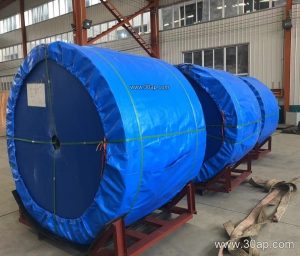
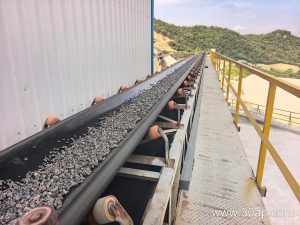
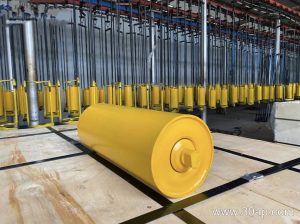
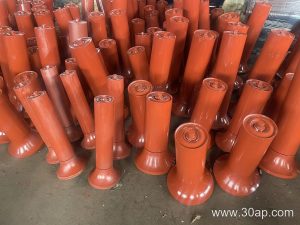
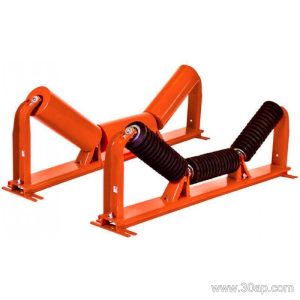
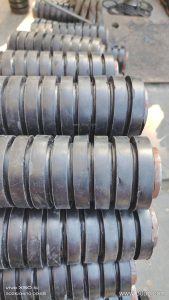
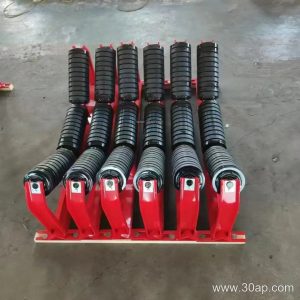
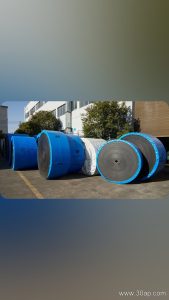
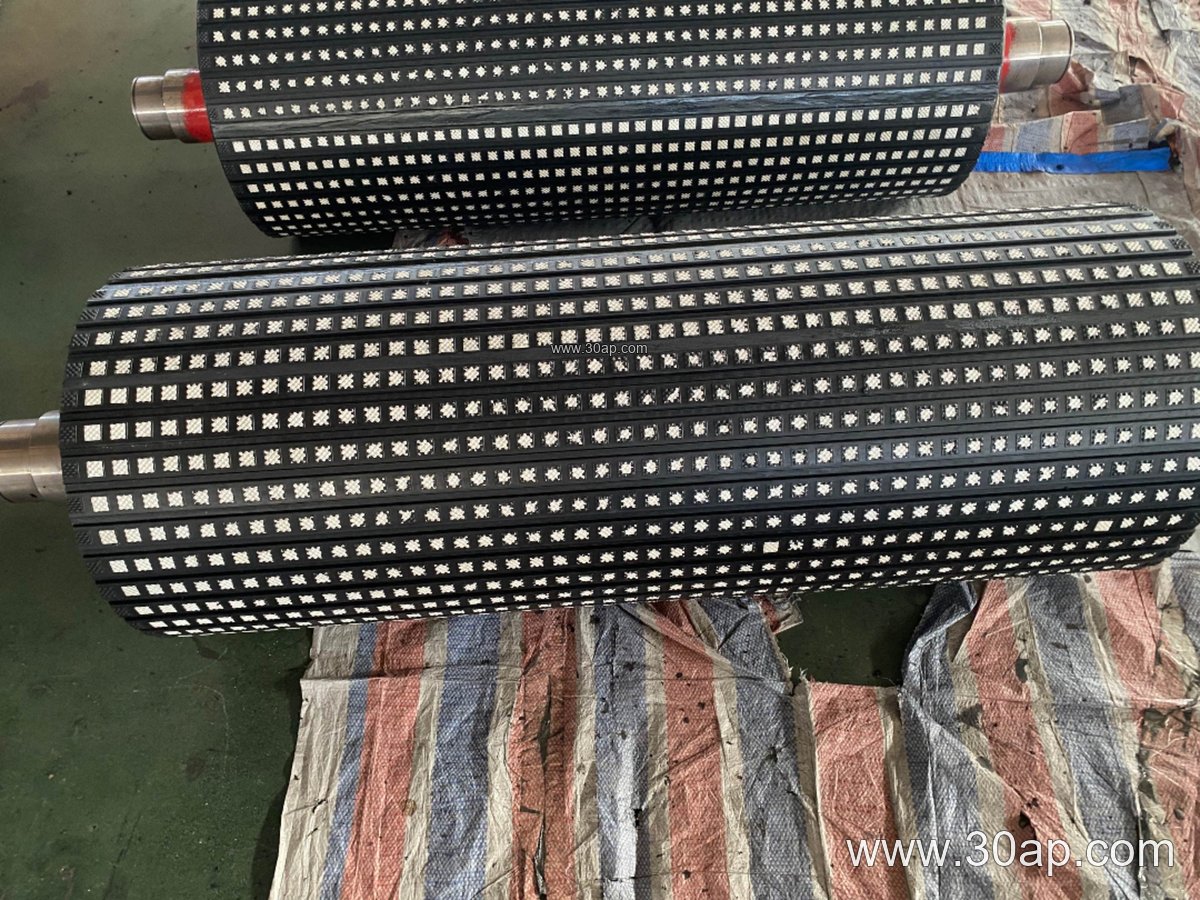
A rock conveyor belt is a heavy-duty rubber belt engineered to move crushed stone, ore, gravel, and other abrasive bulk materials. In practice, it is a Mining Conveyor Belt built with reinforced carcass layers and tough cover compounds that resist cutting, gouging, and impact. You will also see it called an Abrasion Resistant Conveyor Belt or a Heavy-Duty Conveyor Belt, because rock handling punishes standard belting quickly. The belt works together with idler roller sets, a conveyor pulley at the drive and tail, and a conveyor bracket frame to form a complete conveyor line.
Construction and Materials
Most rock belts use a fabric core or steel cord carcass. EP Conveyor Belt (polyester-nylon) is common for medium-duty rock lines, while Steel Cord Conveyor Belt suits long hauls and high tension. The top cover is usually thick rubber, often with a High Abrasion Resistant Conveyor Belt compound, and the bottom cover is thinner but still cut-resistant. For underground coal or dusty plants, a Flame Retardant Conveyor Belt or Anti-Static Conveyor Belt may be specified. Where rock is hot after crushing or in cement kiln areas, a Heat Resistant Conveyor Belt is chosen instead of standard rubber.
Common Specifications
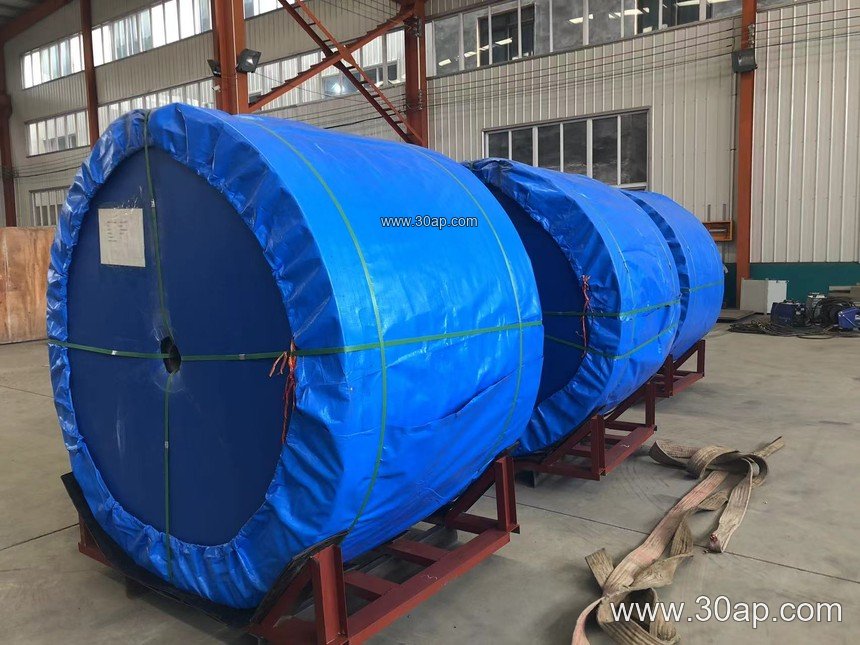
Rock belts are ordered by belt width, carcass strength, and cover thickness. The table below shows typical reference values; actual supply depends on the conveyor design and manufacturer. These are not fixed pairings, and one belt width can work with different pulley diameters.
| Parameter | Common Reference Range |
|---|---|
| Belt width | B500, B650, B800, B1000, B1200, B1400, B1600, B1800, B2000 |
| EP strength grades | EP200, EP315, EP400, EP500, EP630, EP800, EP1000, EP1250, EP1600, EP2000 |
| Cover thickness (top + bottom) | 3+1.5, 4+2, 5+2, 6+2, 8+3 mm |
| Fabric plies | 2 to 6 layers, depending on load |
Where Rock Belts Are Used
You will find rock conveyor belts in mines, quarries, cement plants, power plants, and sand and gravel yards. A Quarry Conveyor Belt often runs from the crusher to the screening plant, while an Aggregate Conveyor Belt handles washed stone and sand. In iron ore or copper ore operations, an Ore Conveyor Belt may need extra impact resistance at transfer points. Ports and ship loading facilities use wide belts to move bulk material quickly. The same belt type also appears in recycling and construction waste lines, where sharp debris is present.
Selection and Maintenance Notes
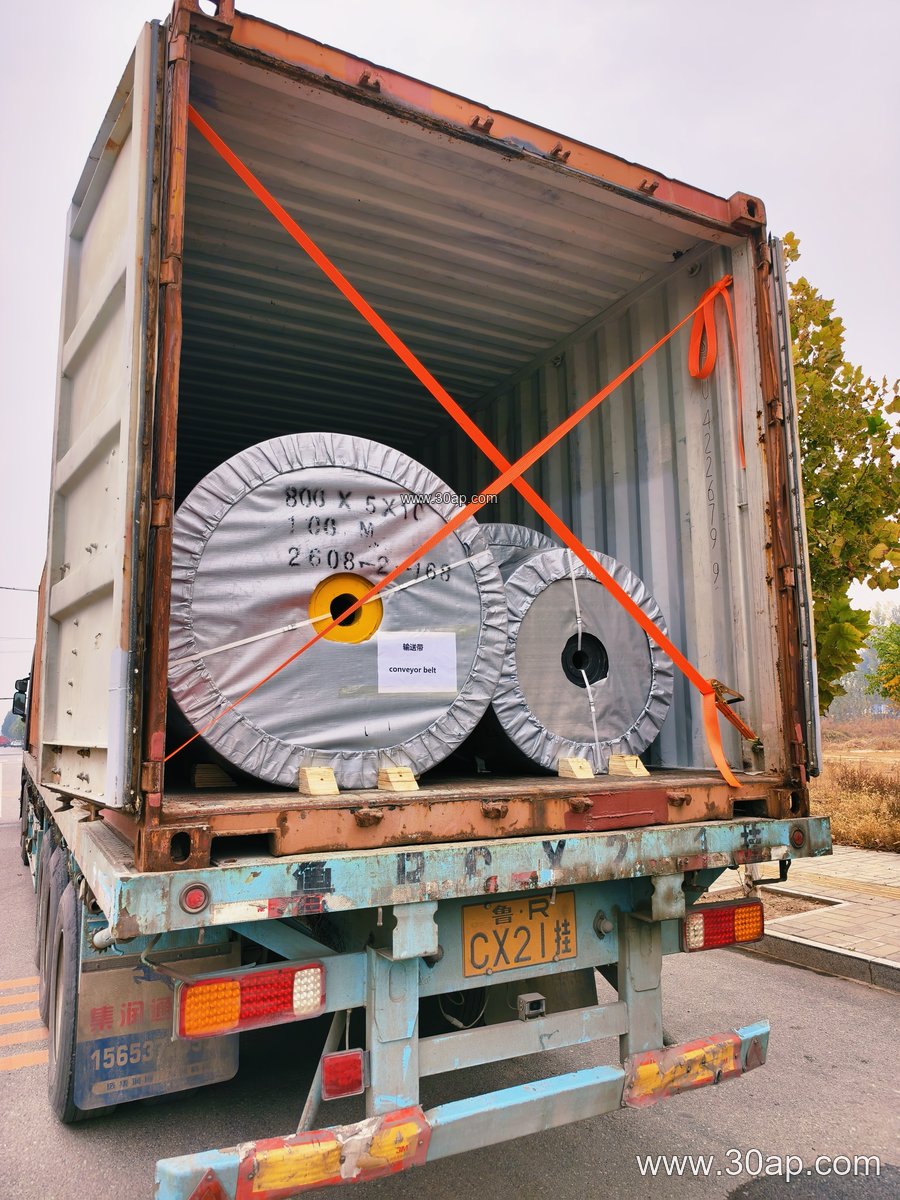
Buyers should match the belt to the largest lump size, drop height, and material temperature. A Crusher Conveyor Belt usually needs a thicker top cover and impact idlers at the load zone. Check that the conveyor pulley and idler roller spacing suit the belt width and tension. Keep the belt tracking straight and avoid over-tensioning, which shortens splice life. For cold climates, a Cold Resistant Conveyor Belt may be needed; for oily rock or recycled material, an Oil Resistant Conveyor Belt helps prevent cover swelling. Regular inspection of edges, splices, and cover wear is more useful than any single specification sheet.
Buyer Checklist
- Confirm material type, lump size, and temperature before choosing the cover compound.
- State the required belt width and strength grade, not just the conveyor length.
- Ask for the carcass type and number of plies in writing.
- Verify that the drive, tail, and bend pulleys are sized for the belt tension, not assumed from width alone.
- Plan for splice type and available maintenance access.
A well-matched rock conveyor belt reduces downtime in tough mining and aggregate duty. Use the reference values above as a starting point, then confirm final specifications with your belt supplier and conveyor designer.