What an Extra-Wide Conveyor Belt Is
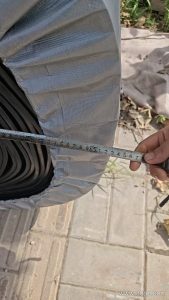
An Extra-Wide Conveyor Belt is a heavy-duty rubber belt built with a belt width beyond the common range, typically from around B1800 up to B2000 and wider, so that a single conveyor line can move large volumes of bulk material without excessive belt speed. Instead of running two narrower lines in parallel, plants use one wide belt to simplify transfer points, reduce dust generation, and keep the material bed stable on the carrying side. In practical terms, the belt is a wide conveyor belt designed for high tonnage, and its construction, pulley layout and support structure all need to be matched to that width.
Construction and Belt Build
The carcass is usually a fabric core or a steel cord core. Multi-ply fabric construction with EP or NN fabric is common in widths up to B2000, while steel cord belts are chosen when the duty is very heavy and long. A typical wide belt combines:
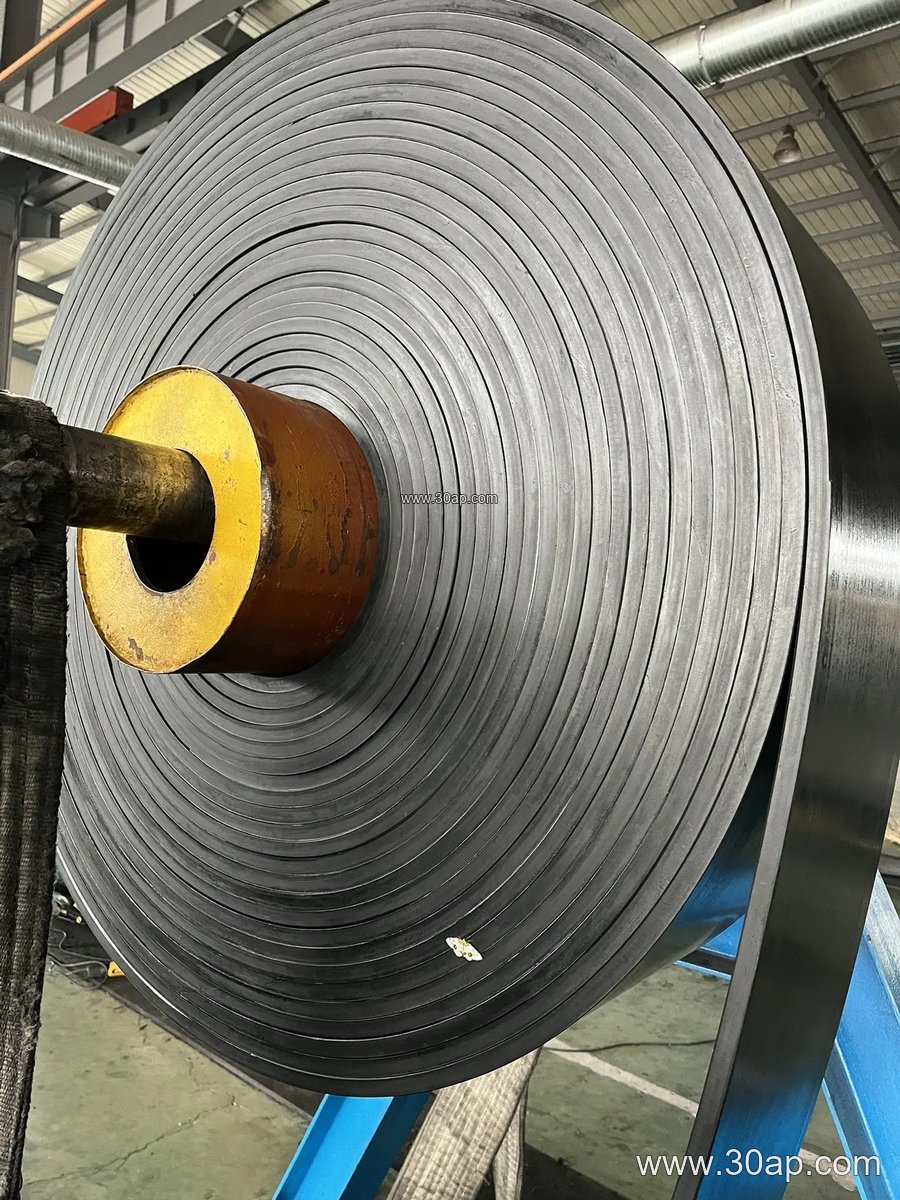
- A fabric core such as EP conveyor belt or NN canvas, usually 2 to 6 plies depending on load.
- Top and bottom cover rubber, for example 6+2 mm or 8+3 mm, selected for abrasion, heat, oil or flame resistance.
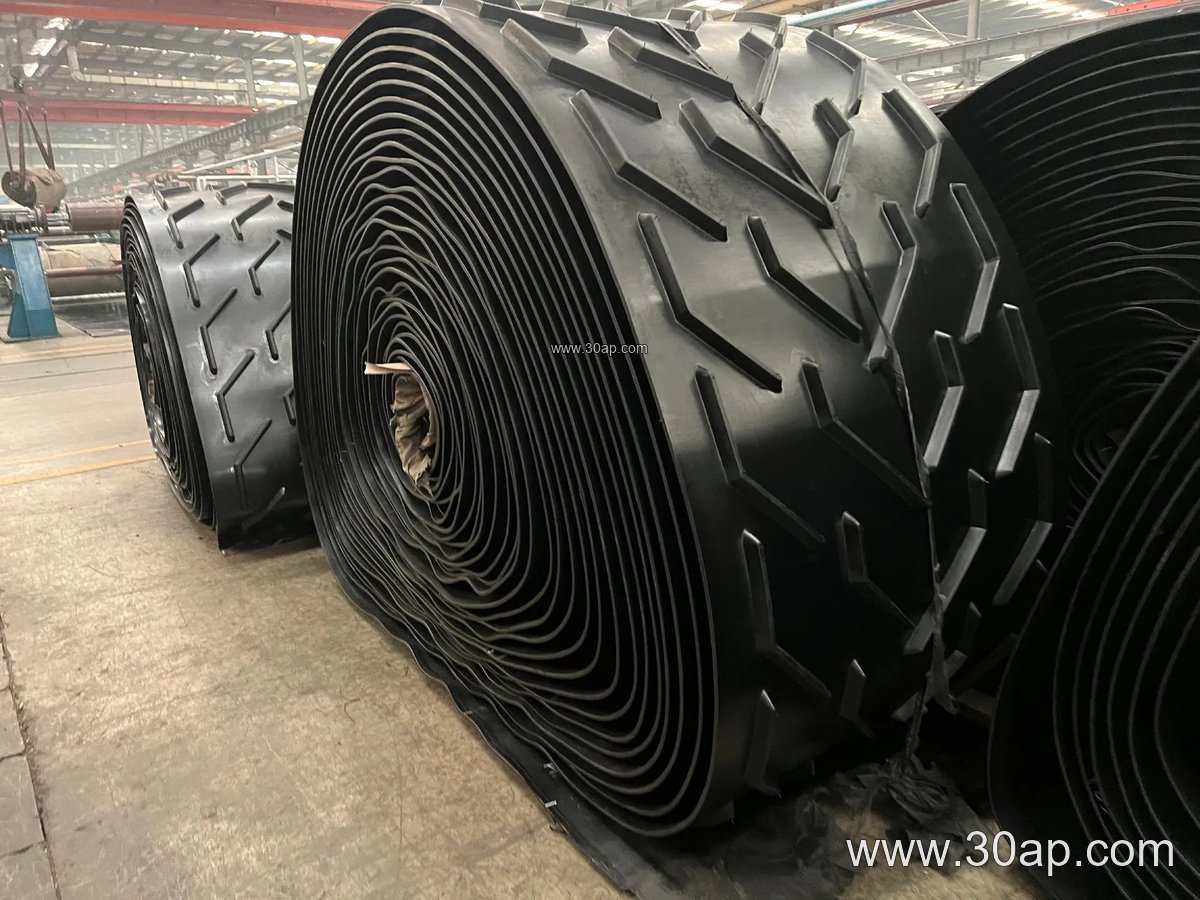
- Edge protection and, where needed, a corrugated sidewall conveyor belt profile or chevron top for inclined sections.
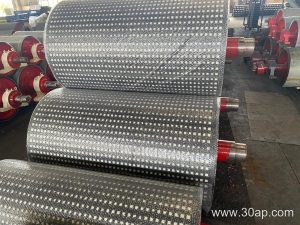
Because the belt is wide, crosswise rigidity matters. The carcass must resist sagging between idler rollers and must track straight on the conveyor pulley. Drive, tail and bend pulleys are separate components with their own diameters and face lengths; a wide belt does not fix a single pulley diameter by itself. Face width is normally a little wider than the belt, and the pulley diameter is set by the belt tension and carcass type, not by width alone.
Common Widths and Reference Grades
The table below shows typical reference values. Treat them as design references, not universal specifications, since each manufacturer builds to its own standards.
| Item | Common reference values |
|---|---|
| Belt width | B1800, B2000, and wider on request |
| Fabric grades | EP200, EP315, EP400, EP500, EP630, EP800, EP1000 |
| Steel cord grades | ST1000, ST1250, ST1600, ST2000, ST2500 |
| Cover thickness | 4+2, 5+2, 6+2, 8+3 mm |
| Carcass plies | 2 to 6 layers for fabric core |
For a specific job, a buyer may see descriptions such as EP1000 1800mm conveyor belt or a B2000 steel cord belt. These are examples of how width and strength are quoted together; the final combination is confirmed by the conveyor designer.
Where Wide Belts Are Used
High-capacity duties are typical in mines, coal preparation plants, cement works, power stations, ports and large aggregate yards. A mining conveyor belt at a primary crushing station often needs extra width to accept coarse rock directly from the crusher. In a coal mining conveyor belt line, flame retardant and anti-static covers are usually specified for underground or enclosed galleries. Cement plants use wide belts for clinker and limestone, while ports and ship loading conveyors favour wide belts for fast, gentle bulk transfer.
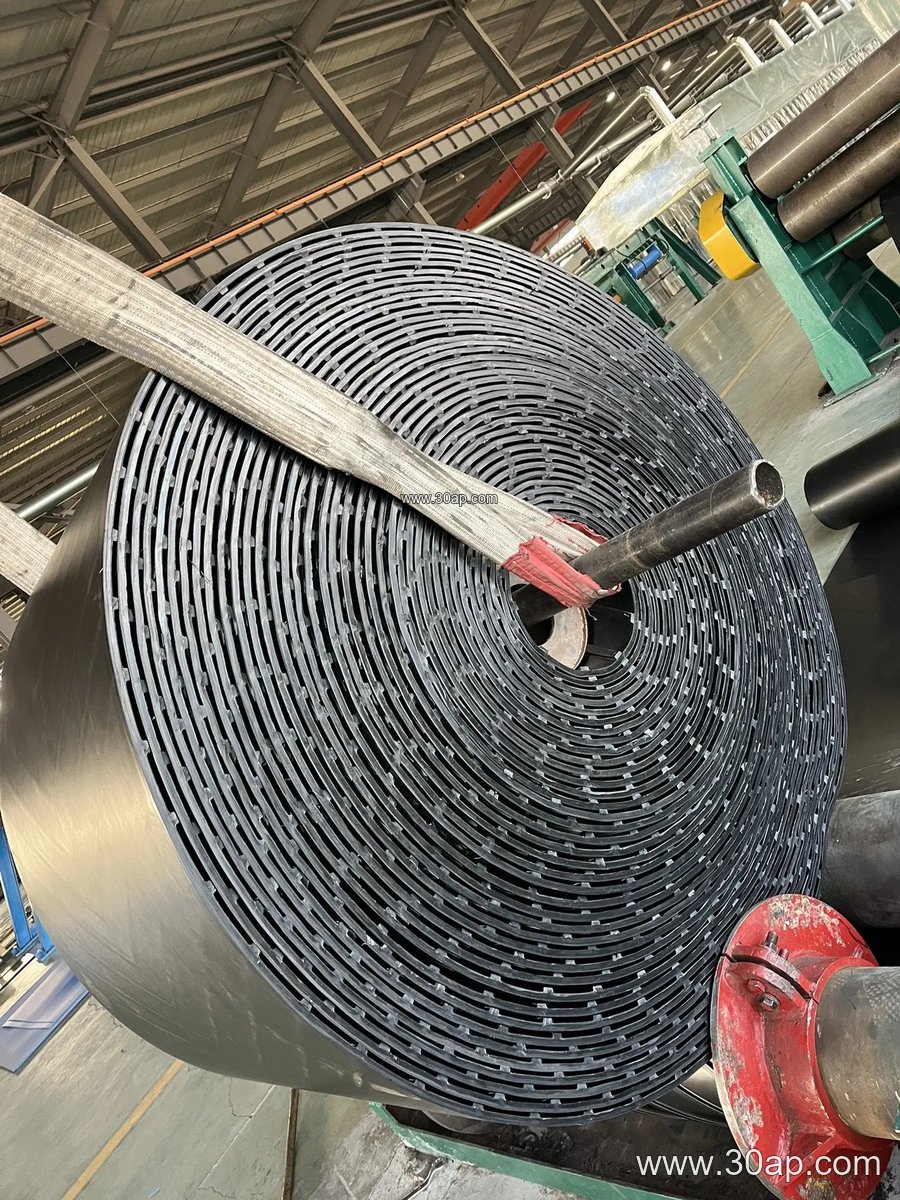
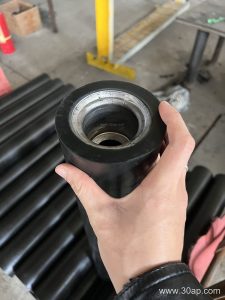
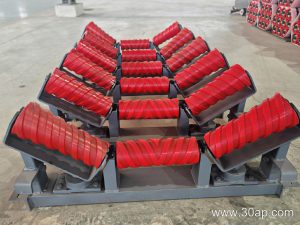
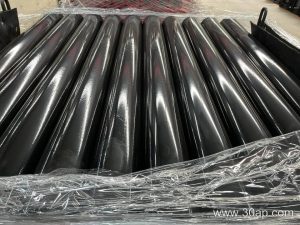
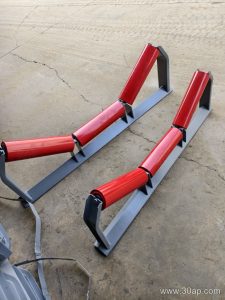
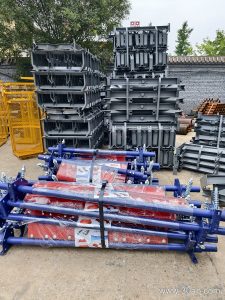
Supporting equipment must scale with the belt. Idler rollers need adequate roll diameter and bearing capacity, the conveyor bracket and frame must be stiff enough to keep the belt flat, and transition distances at the head and tail should be long enough to avoid edge stress.
Buyer Checklist
- Confirm the required belt width, strength grade and cover thickness against the actual load and material lump size.
- State the working environment clearly: abrasion, heat, oil, flame risk or cold. A heat resistant conveyor belt and a flame retardant conveyor belt are not interchangeable choices.
- Check that pulley face widths, idler roller spacing and frame dimensions suit the selected width.
- Ask how the belt will be joined, and whether an endless conveyor belt or a spliced-on-site belt is more practical.
- Plan storage and lifting: wide belts are heavy and need proper support to avoid edge damage.
When the specification is clear, an extra-wide belt can carry more material with fewer transfer points, but only if the whole conveyor, from pulley to bracket to idler roller, is designed as one system.