What a Bend Pulley Does
A bend pulley is the drum that changes the direction of a conveyor belt without driving it. It is a non-drive component, mounted where the belt has to be redirected around a curve, led into a tensioning device, or given extra wrap on a drive pulley. In a stone crushing line or a cement plant clinker circuit, you will often find one tucked behind the main head frame, quietly steering the belt back into the return run.
Do not confuse it with a drive pulley, which transmits torque, or a tail pulley, which sits at the loading end. The bend pulley only guides. That distinction matters when you order spares, because a drive drum and a bend drum are built for different loads even when they look similar from a distance.
How the Drum Is Built
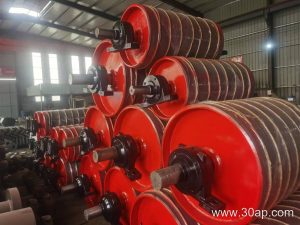
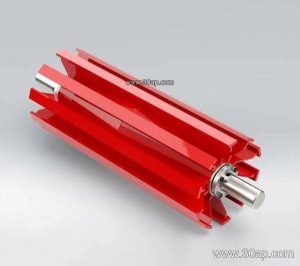
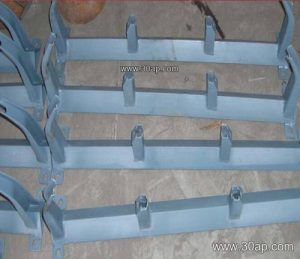
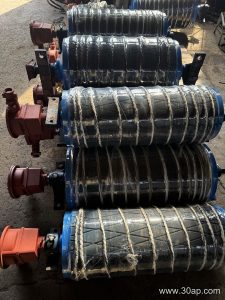
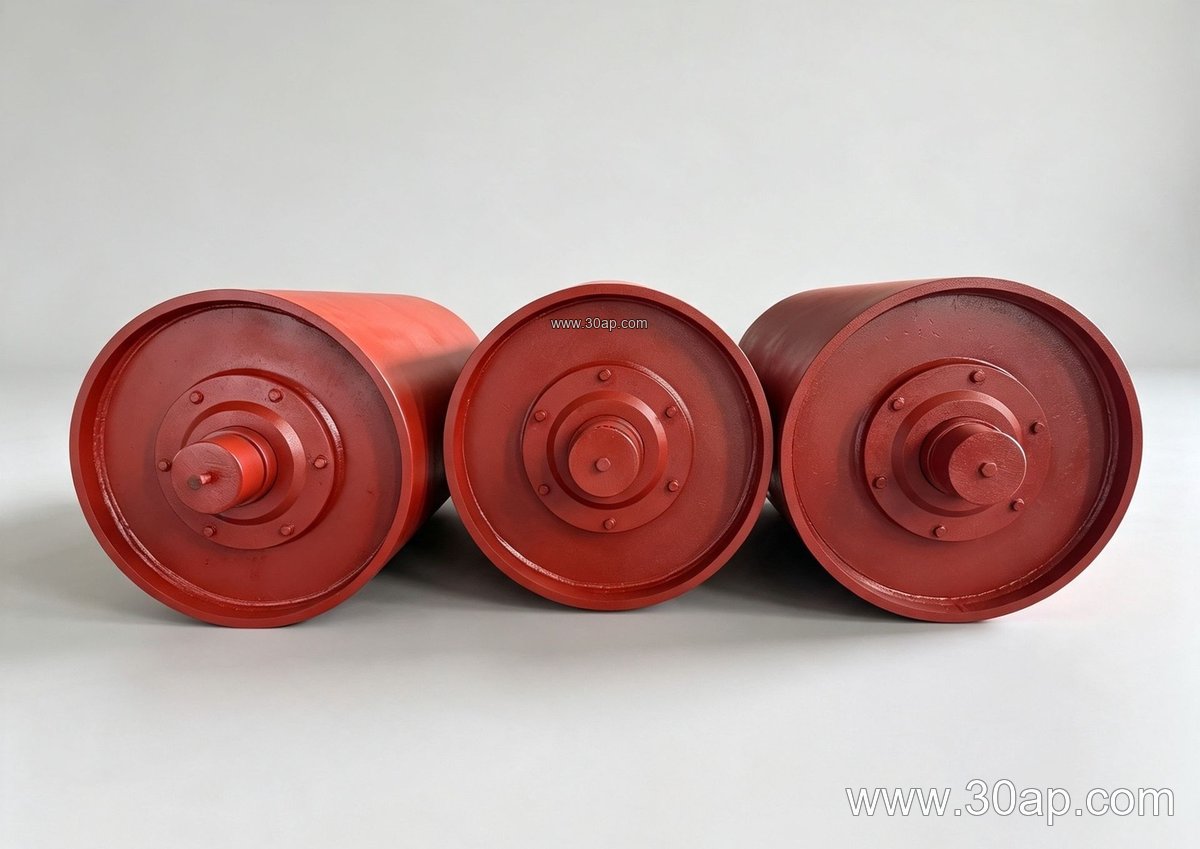
Most bend pulleys use a welded steel shell, a through shaft, and two bearing housings carried on a frame or on conveyor brackets. The shell diameter is usually smaller than a drive pulley of the same belt width, since it carries belt tension rather than drive torque. Common shell sizes in the reference range include Ø250, Ø315, Ø400, Ø500 and Ø630, and larger diameters such as Ø800 or Ø1000 appear where belt stiffness or wrap angle demands it.
Face width normally exceeds belt width so the belt does not run off the edge. Typical practice is roughly 100 to 200 mm of extra face: B650 around 750 mm, B1000 around 1150 mm, B1400 around 1600 mm. Shaft diameter is set by torque and bearing load, commonly Ø80, Ø100, Ø120 or Ø140 on medium conveyors, and it should never be picked from belt width alone.
Surface Options and Where They Help
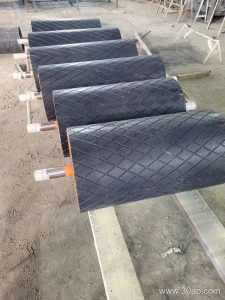
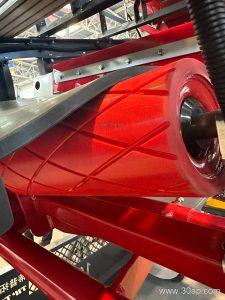
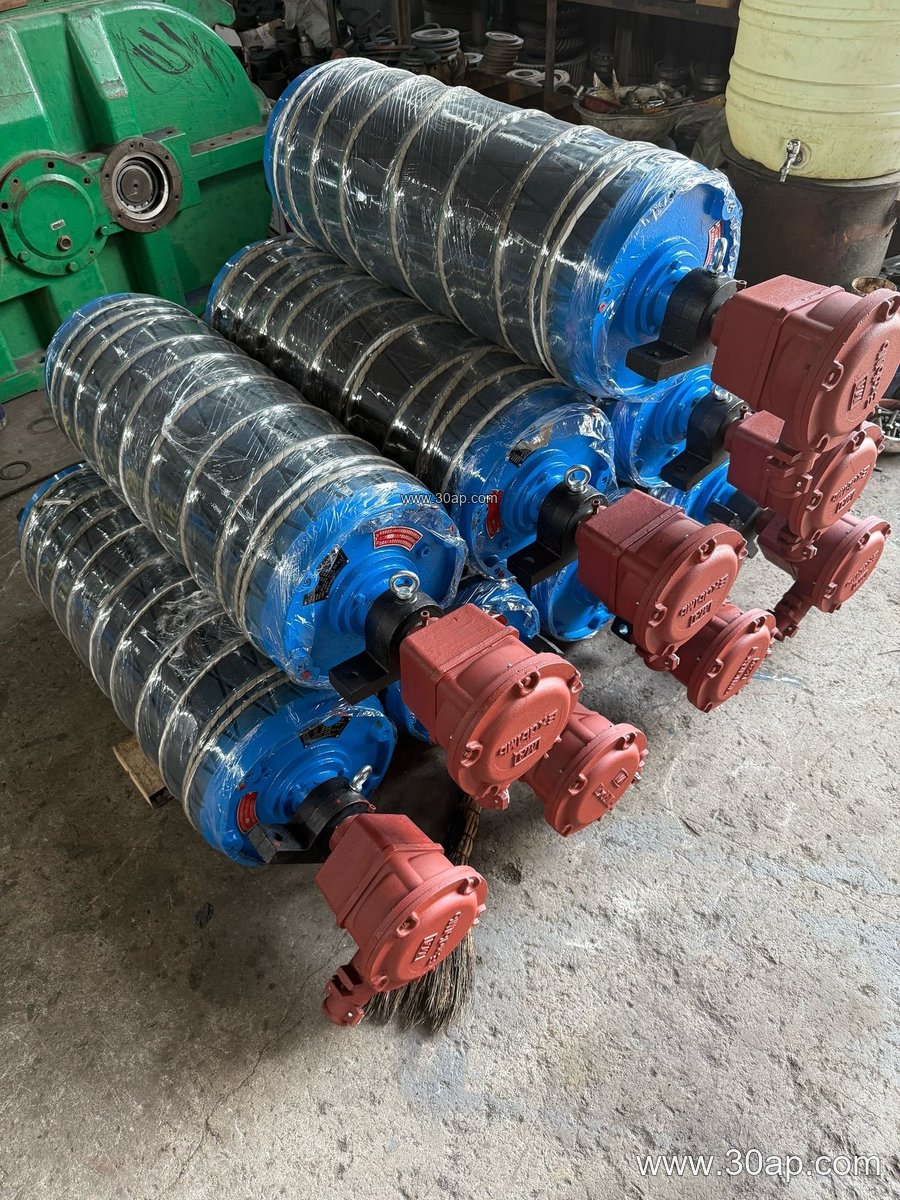
Plain shells are common where the pulley only makes light contact and belt slip is not a concern. Rubber lagging, applied by hot vulcanizing, cold bonding, or as cast rubber, improves grip and protects the shell from abrasive dust in a quarry or aggregate plant. Diamond and herringbone patterns help shed water and fines; ceramic lagging is chosen where abrasion is severe.
Lagging thickness of 8, 10, 12, 15 or 20 mm is available depending on the duty. A thin 8 mm cover suits a light snub position, while 15 to 20 mm is more typical on a tension pulley working in wet, gritty conditions. Keep in mind that any lagging adds to the effective diameter.
Matching the Pulley to the Belt
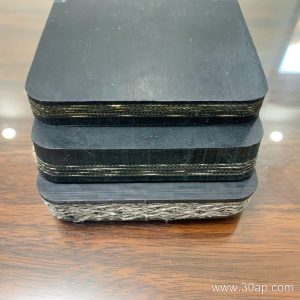
The belt itself sets part of the specification. A heavy steel cord conveyor belt needs a larger bend diameter to limit bending stress than a thin fabric core belt. Flexible multi-ply fabric constructions, or an EP conveyor belt with moderate tension rating, tolerate tighter curves. In coal mining and underground work, flame retardant and anti-static properties of the belt are usually matched by careful selection of the pulley lagging material as well.
When a conveyor uses a pipe conveyor belt or a corrugated sidewall belt, the bend pulley position and face width must be checked against the belt profile, because the belt cannot be guided the same way as a flat troughed belt.
Typical Installation Points
- Snub position before a drive pulley, to raise wrap angle.
- Tension station, guiding the belt into a take-up carriage.
- Return run curve, redirecting the belt between idler roller sets.
- Transfer tower, where the belt changes direction between sections.
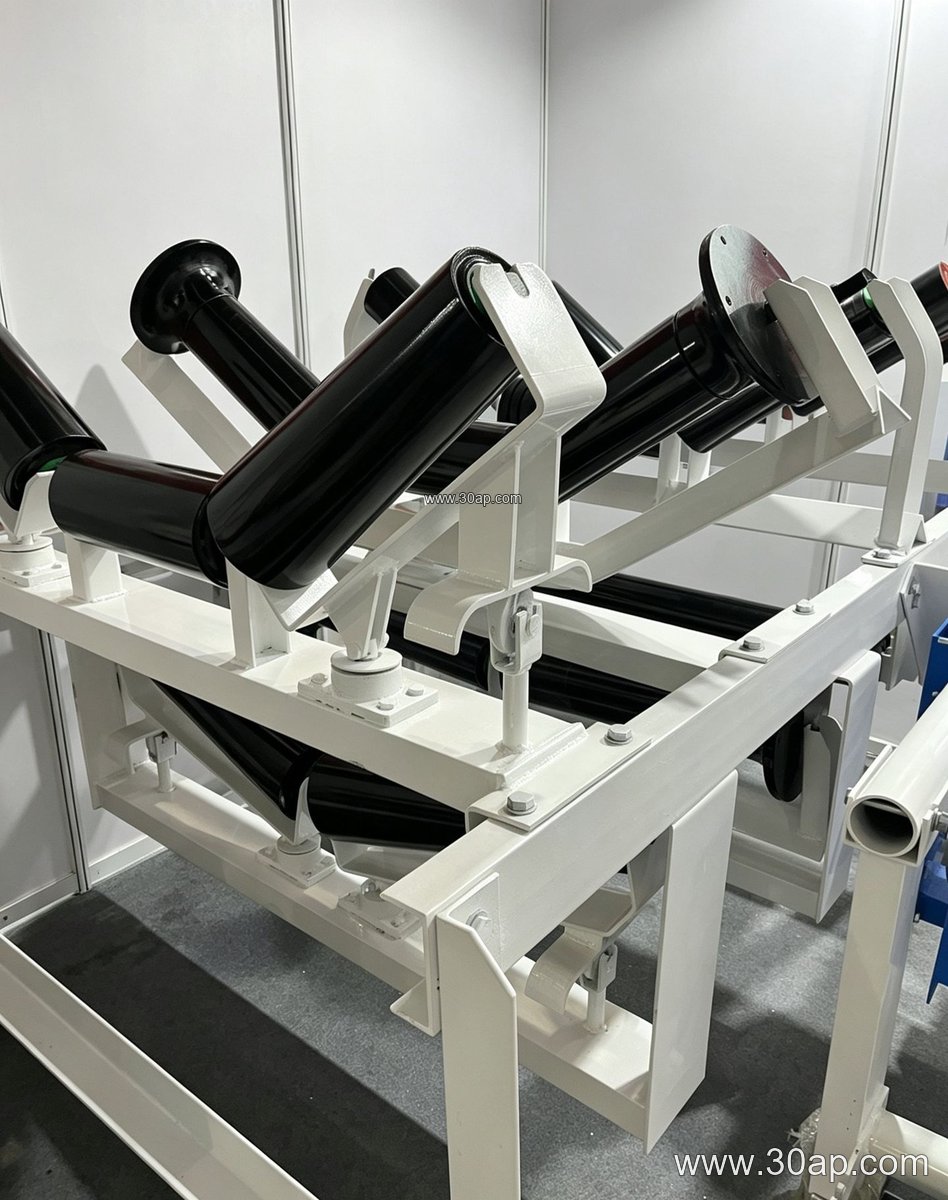
In a power plant coal handling system or a port bulk terminal, these drums are usually inspected together with the conveyor pulley bearings, the conveyor brackets and the idler roller frames during scheduled shutdowns.
Buyer Checklist
Before ordering, confirm belt width, belt type and tension, required wrap angle, shaft diameter, bearing type, lagging pattern and thickness, and the mounting arrangement. Ask for the shell diameter and face width as a pair, not as separate numbers. Check that the design allows for belt tracking adjustment and that the bearing housings suit the frame you already have.
Also confirm the environment: wet, dusty, corrosive or high temperature service changes the lagging and bearing choice. A bend pulley that is correctly sized for a B800 x Ø500 position on one conveyor may be entirely wrong for a B1400 x Ø800 tension application, so treat every case on its own duty.