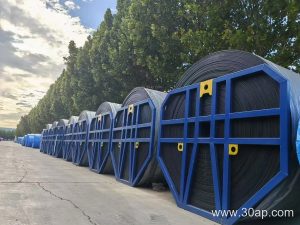
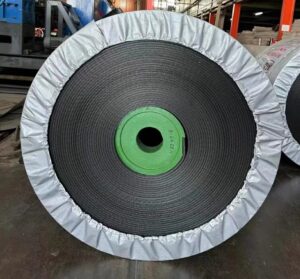
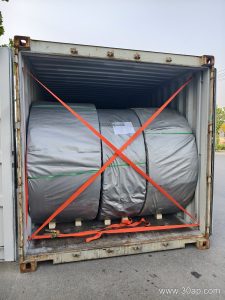
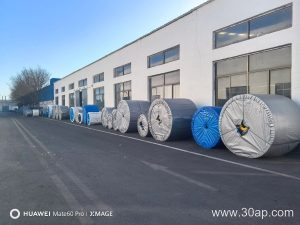
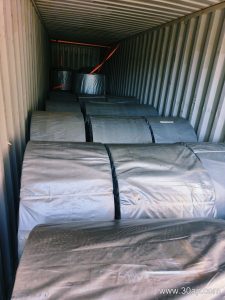
What the EP1000 1200mm Conveyor Belt Is
The EP1000 1200mm Conveyor Belt is a heavy-duty fabric-core belt built around a 1200 mm wide carcass and a nominal tensile strength of 1000 N/mm. It belongs to the EP conveyor belt family, where EP stands for polyester warp and polyamide weft. In plant language, the same item is often called a 1200mm wide EP1000 belt or simply an EP1000 belt at 1200 mm width. This article uses those equivalent names for the same product; it does not swap in NN, steel cord, or PVC types as if they were the same thing.
Typical duty points include primary crushing discharge, plant-to-stockpile runs, and main haulage in mining conveyor belt circuits, cement plants, power plants, quarries, and sand and aggregate yards. Where the belt must also resist fines and spillage, the same carcass can be supplied with covers or edge details chosen for the site.
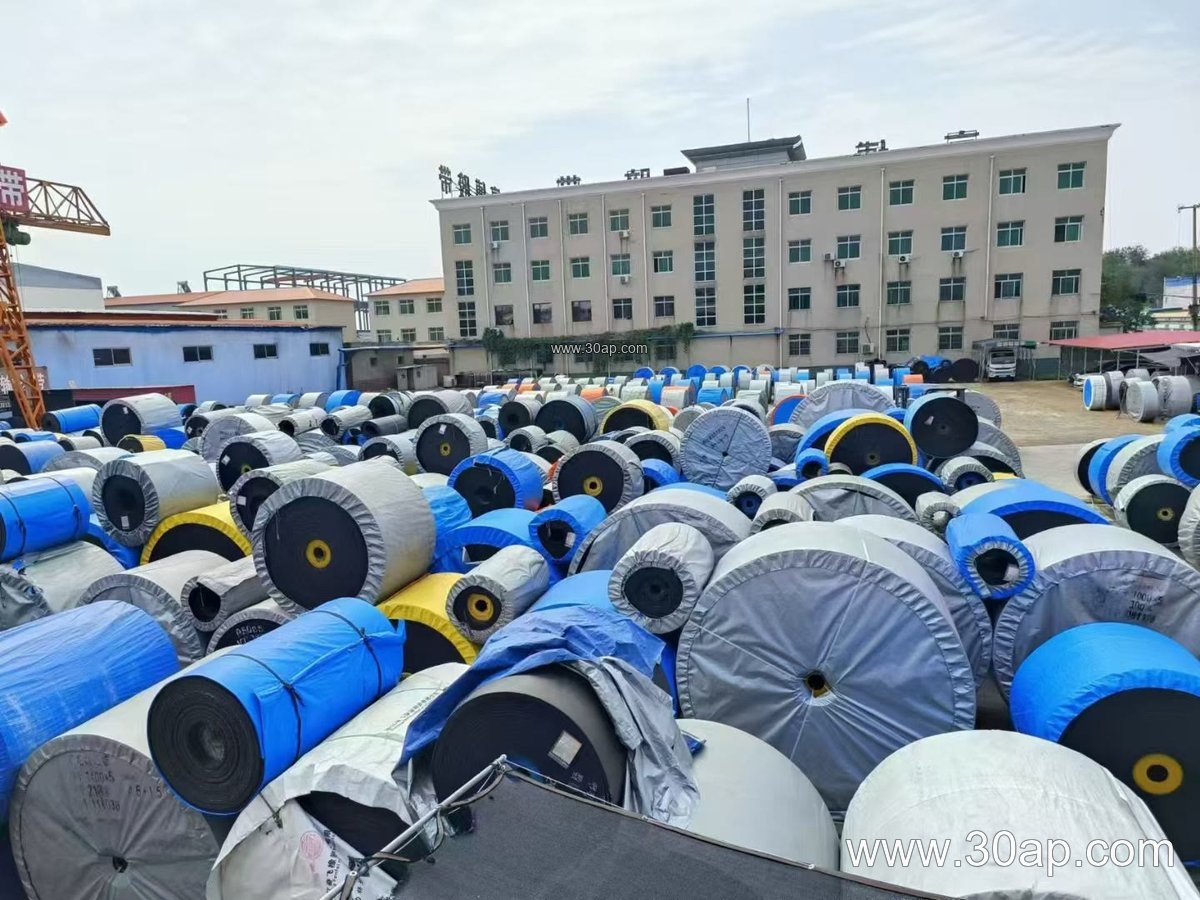
Construction and Common Specifications
The carcass usually contains multiple EP fabric plies, commonly two to six, bonded under heat and pressure. Rubber covers protect the carcass and carry the load. Cover thickness is stated as top plus bottom, for example 4+2 mm or 6+2 mm, and is selected for abrasion, impact, or heat exposure rather than fixed by belt width alone.
The table below lists reference values that buyers often see on data sheets. These are common ranges, not a universal supply promise, and each project should confirm them with the belt maker and the conveyor designer.
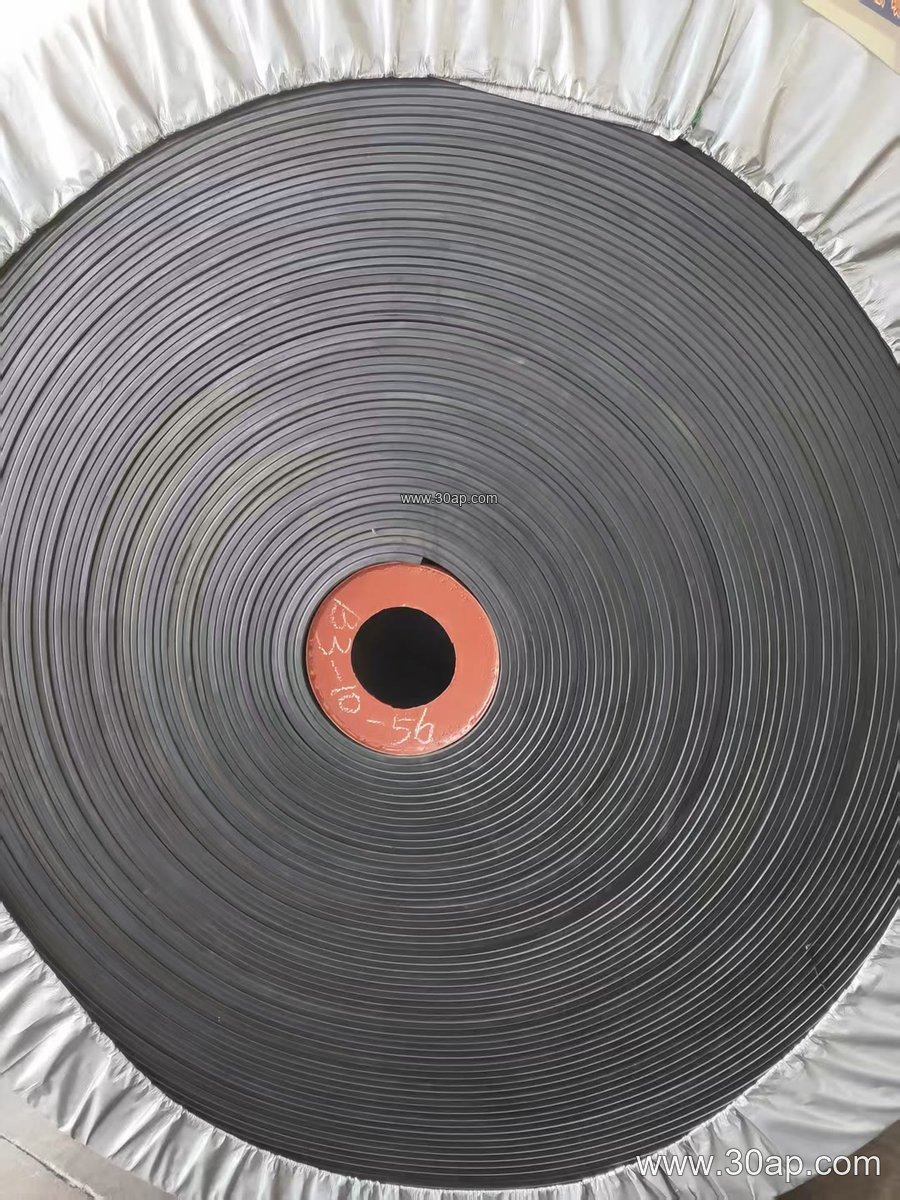
| Item | Reference data |
|---|---|
| Belt type | EP1000, EP fabric core |
| Nominal strength | 1000 N/mm |
| Belt width | 1200 mm (B1200) |
| Number of plies | Usually 3 to 5, depending on design |
| Cover thickness | Common 4+2, 5+2, 6+2, 8+3 mm |
| Surface options | Plain, abrasion resistant, flame retardant, anti-static, chevron or skirted where needed |
Strength grades near this one include EP800 and EP1250. A wider belt such as a 1400 mm or 1800 mm unit is a different size choice, not a replacement for the 1200 mm width when structure and pulley faces are already fixed.
Where It Fits in a Conveyor Line
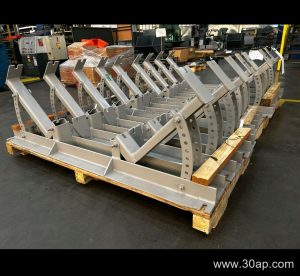
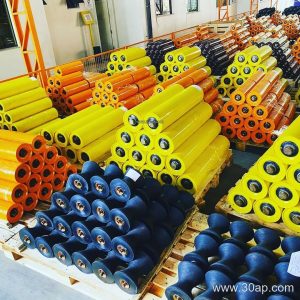
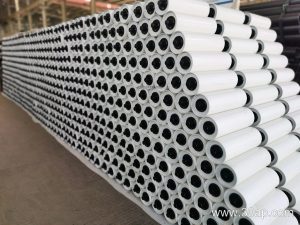
On a typical bulk handling line, the belt runs over idler roller sets on the carrying side and returns over return rollers. At each end it passes around a conveyor pulley — the drive pulley at the head and the tail pulley at the loading point — with bend pulleys and take-up pulleys handling wrap angles and tension. These pulley roles are not interchangeable, and the belt width does not by itself fix pulley diameters or shaft sizes; those follow the conveyor design, load, and tension calculation.
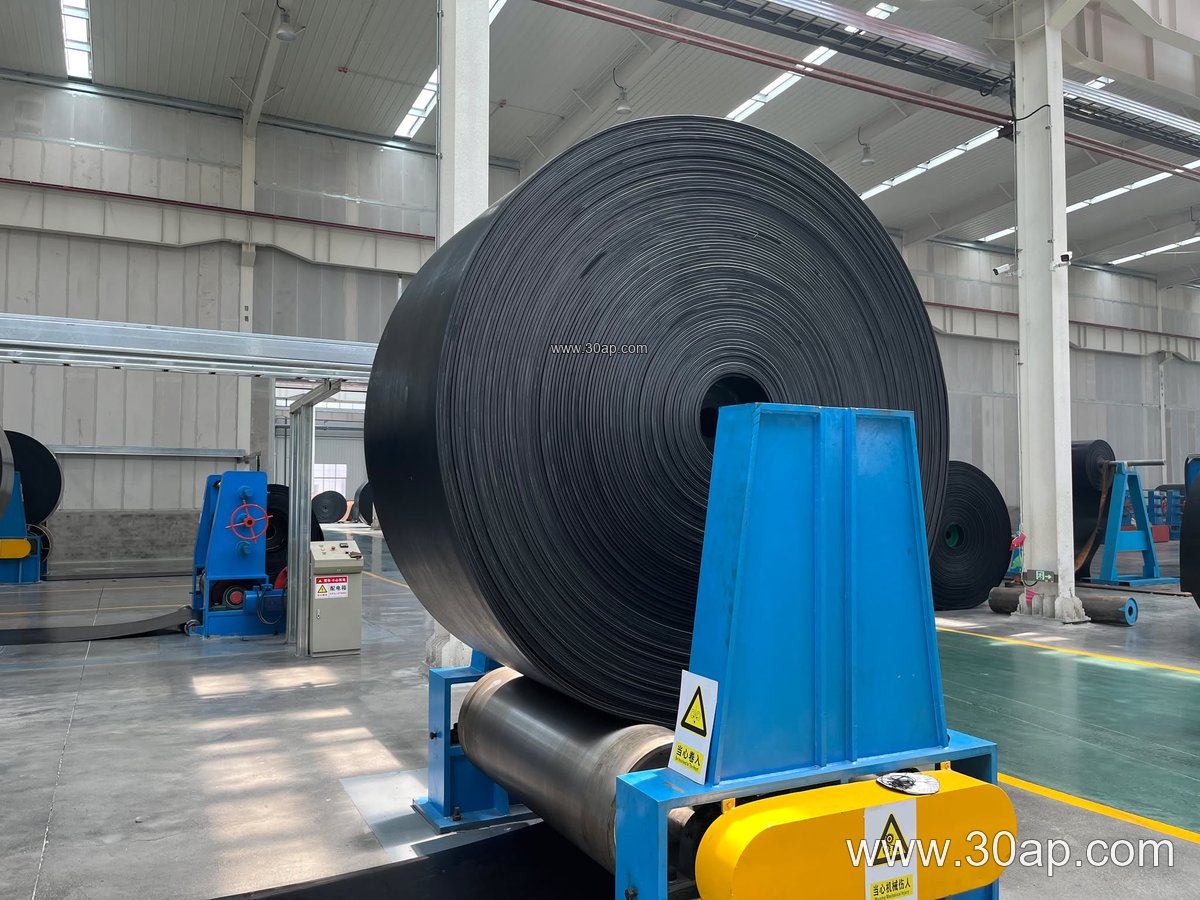
The belt is supported by a steel frame and conveyor bracket assemblies. In dusty or wet conditions, skirt rubber and belt cleaners help keep material on the 1200 mm surface. For steep inclines, a chevron or corrugated sidewall version may be considered, but that is a different surface form from the plain EP1000 belt discussed here.
Selection and Use Notes for Buyers
- State the full duty: material, lump size, throughput, incline, and ambient temperature, so the cover grade and ply count can be matched.
- Confirm the actual measured belt width and pulley face width before ordering; 1200 mm is a nominal figure.
- Ask for the cover grade in writing, for example abrasion resistant, heat resistant, oil resistant, or flame retardant, because the same EP1000 carcass can carry different covers.
- Check splice method and whether an endless belt is required for the installation.
- Plan storage and handling to avoid edge damage; a heavy-duty belt of this width is stiff and needs proper lifting gear.
For maintenance, track belt training, check pulley lagging and roller rotation, and keep the loading point centered. These steps matter more than any single number on a data sheet.
Related Belt Choices Without Confusion
When a project needs higher strength, a steel cord conveyor belt such as ST1000 or ST1250 may be evaluated, and for lighter duties an NN conveyor belt may be considered. Those are separate product families. The EP1000 1200mm Conveyor Belt remains an EP fabric-core belt, and its subtype — width, strength grade, and cover — should be kept distinct when comparing offers.