What a 400mm Diameter Conveyor Pulley Is
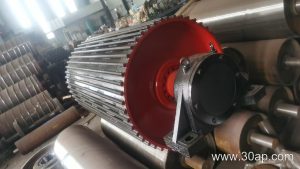
A 400mm diameter conveyor pulley is a drum-shaped rotating component used to support and drive the conveyor belt on a bulk handling system. The 400mm figure refers to the outside diameter of the drum shell, usually written as Ø400. Pulleys in this size class sit in the middle of the range, large enough to handle respectable belt tensions yet compact enough for medium-duty positions on a conveyor.
Because the drum diameter is fixed at 400mm, the pulley can serve in more than one location. It may act as a head or drive pulley on a smaller conveyor, a tail pulley at the loading end, or a bend pulley where the belt changes direction. These are different roles, and a buyer should always state which position the pulley is meant to fill, since shaft, bearing and lagging requirements change with the duty.
How the Drum Is Built
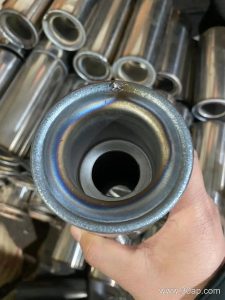
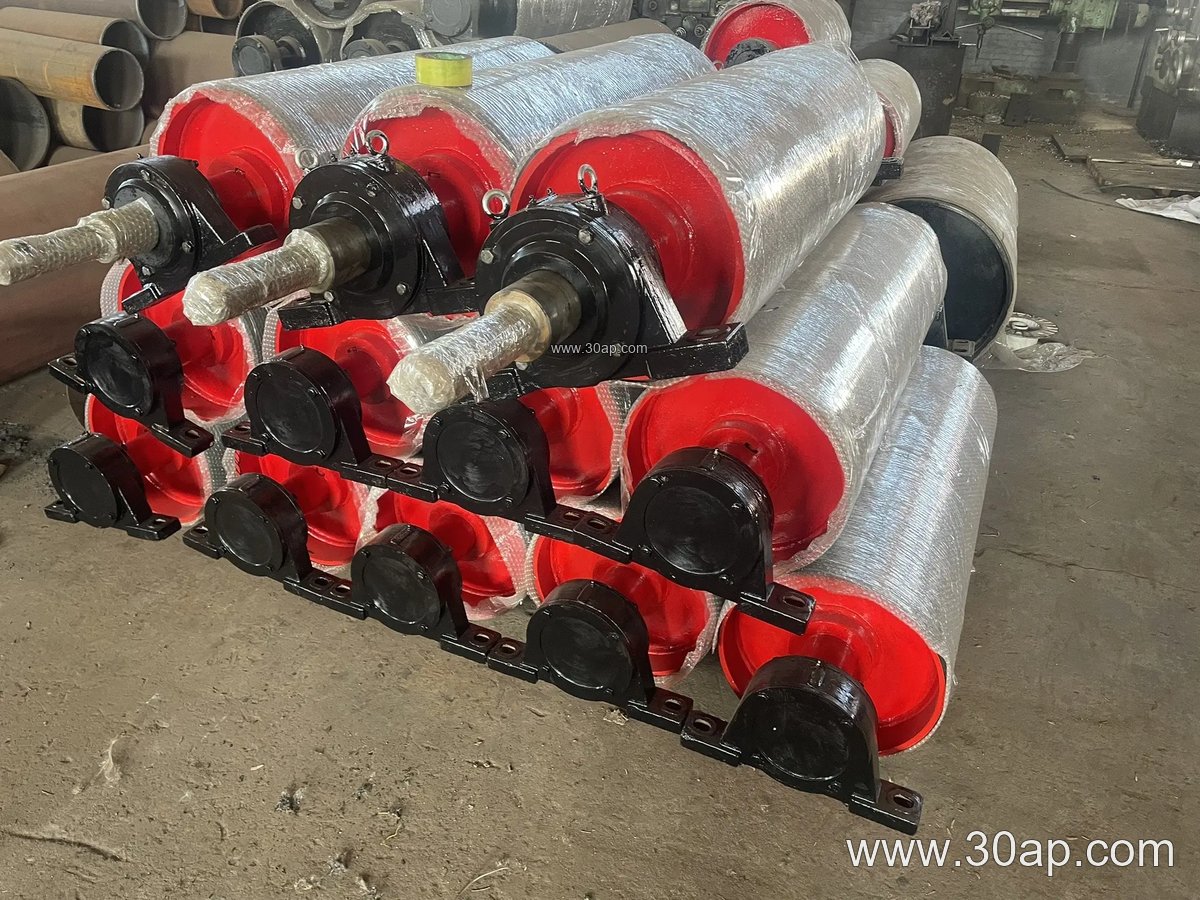
A typical 400mm diameter pulley combines a rolled steel shell, two end discs, a shaft, bearing housings and a surface covering. The shell is machined so the belt runs true, and the end discs are welded or bolted to transfer load from the belt into the shaft. Bearing selection follows the calculated radial load, not the belt width alone.
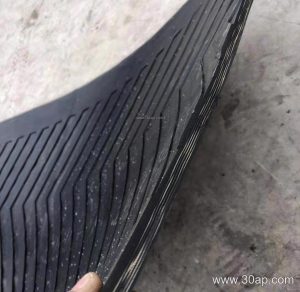
Surface treatment is one of the main choices. Plain finish suits clean, low-abrasion duties. Rubber lagging, applied by cold bonding or hot vulcanizing, improves grip and protects the shell. Diamond or herringbone patterns help shed water and fines, while ceramic lagging is chosen where slip and wear are both concerns. Common lagging thicknesses are 8, 10, 12, 15 and 20 mm, selected according to the duty rather than as a standard fit.
Sizes and Matching to the Belt
The pulley face width is normally wider than the belt it carries. Some reference combinations for a Ø400 unit are shown below; these are indicative and should be confirmed against the actual conveyor design.
- B500 belt with roughly 600mm face width
- B650 belt with roughly 750mm face width
- B800 belt with roughly 950mm face width
- B1000 belt with roughly 1150mm face width
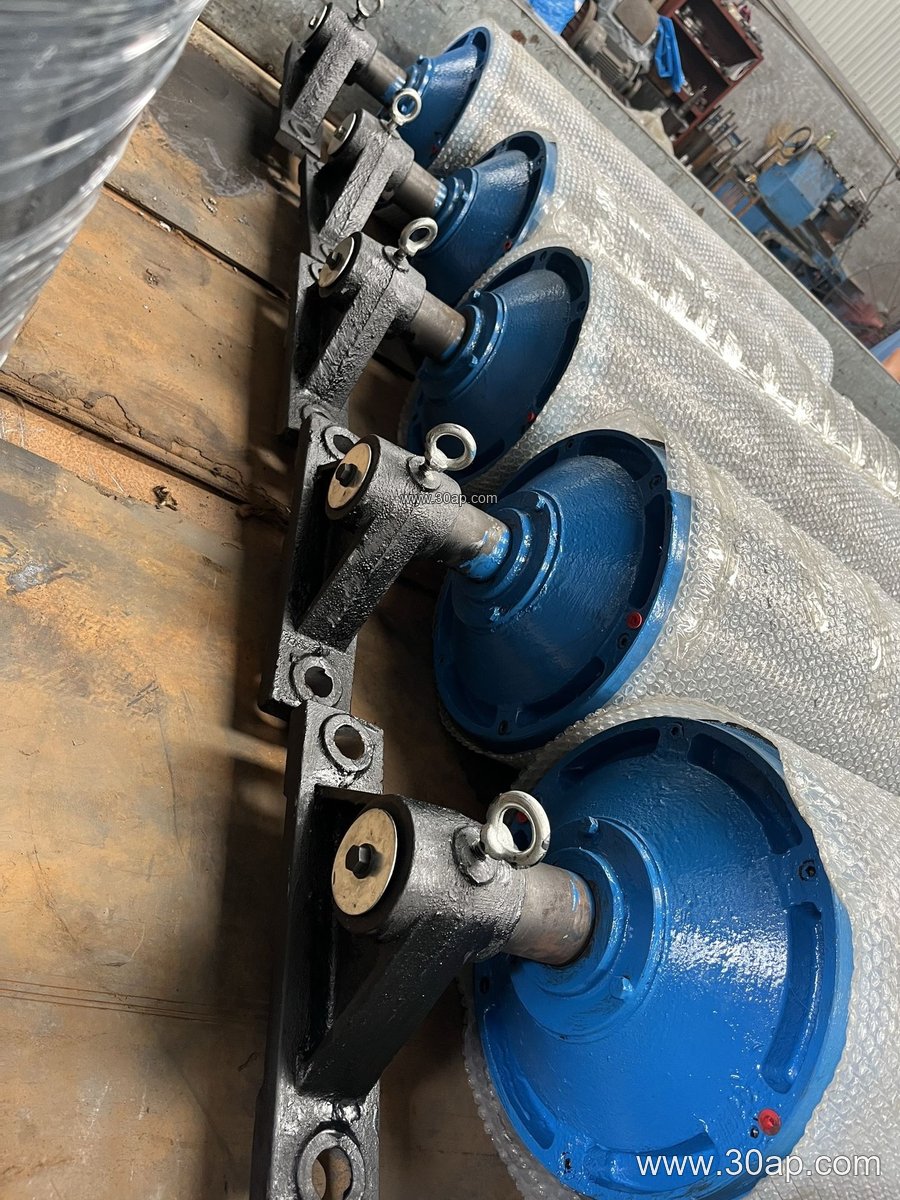
Shaft diameter is set by torque and bearing load. Common shaft sizes in this class include Ø80, Ø90, Ø100 and Ø120, but no single shaft size should be assumed from belt width. A 400mm pulley on a short tail position may carry a lighter shaft than the same drum used as a drive.
Where It Fits in a Plant
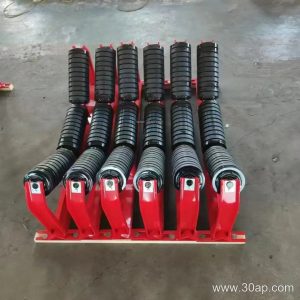
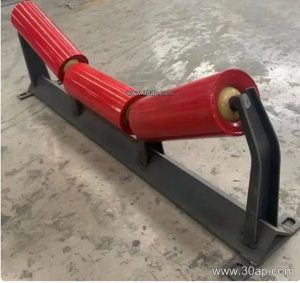
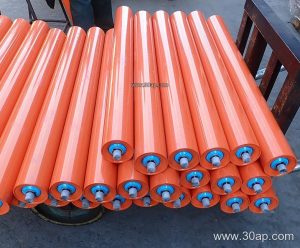
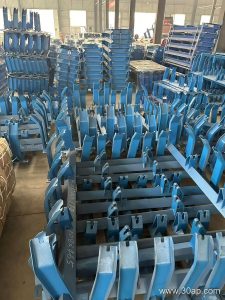
This pulley size appears in quarry and aggregate lines, in cement plants handling clinker, and in power station coal handling. It also suits smaller transfer points in a sand and gravel plant or a crushing and screening circuit. In these settings the pulley works alongside idler rollers, conveyor brackets and the belt itself, and its condition directly affects belt tracking.
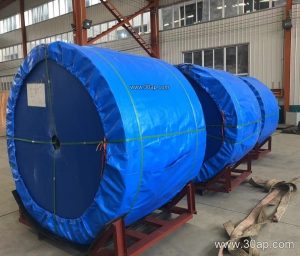
Belt choice matters too. A heavy-duty mining conveyor belt or an abrasion resistant conveyor belt puts different demands on the drum than a light fabric core belt. Where the belt carries hot material, a heat resistant conveyor belt and a suitably protected pulley surface should be considered together.
Buyer Checklist
Before ordering, confirm the pulley position, the belt width, the required face width, the shaft diameter and the lagging type and thickness. Ask for the calculated load case if the pulley is a drive unit. Check that the bearing housings match the conveyor bracket mounting pattern. Spare pulleys should match the original dimensions so the belt line does not need re-tensioning or re-tracking after replacement.
Finally, treat the 400mm diameter as one design input, not a universal answer. The correct pulley is the one that matches the belt, the load and the position on the conveyor.